

We research everything we recommend. When you buy through our links, we may earn a commission. Learn more

Buying guide · 10 min read · Updated October 2, 2026

4 Best Backpacking Stoves For Thru Hiking in 2026: A Practical Camping Guide

Best backpacking stoves for thru-hiking compared on weight, boil time, fuel availability and durability for long trails with few resupply stops.

Danny WalkerBy Danny WalkerCamping Editor at RV Gear Lab4 products comparedSpec-sheet researched
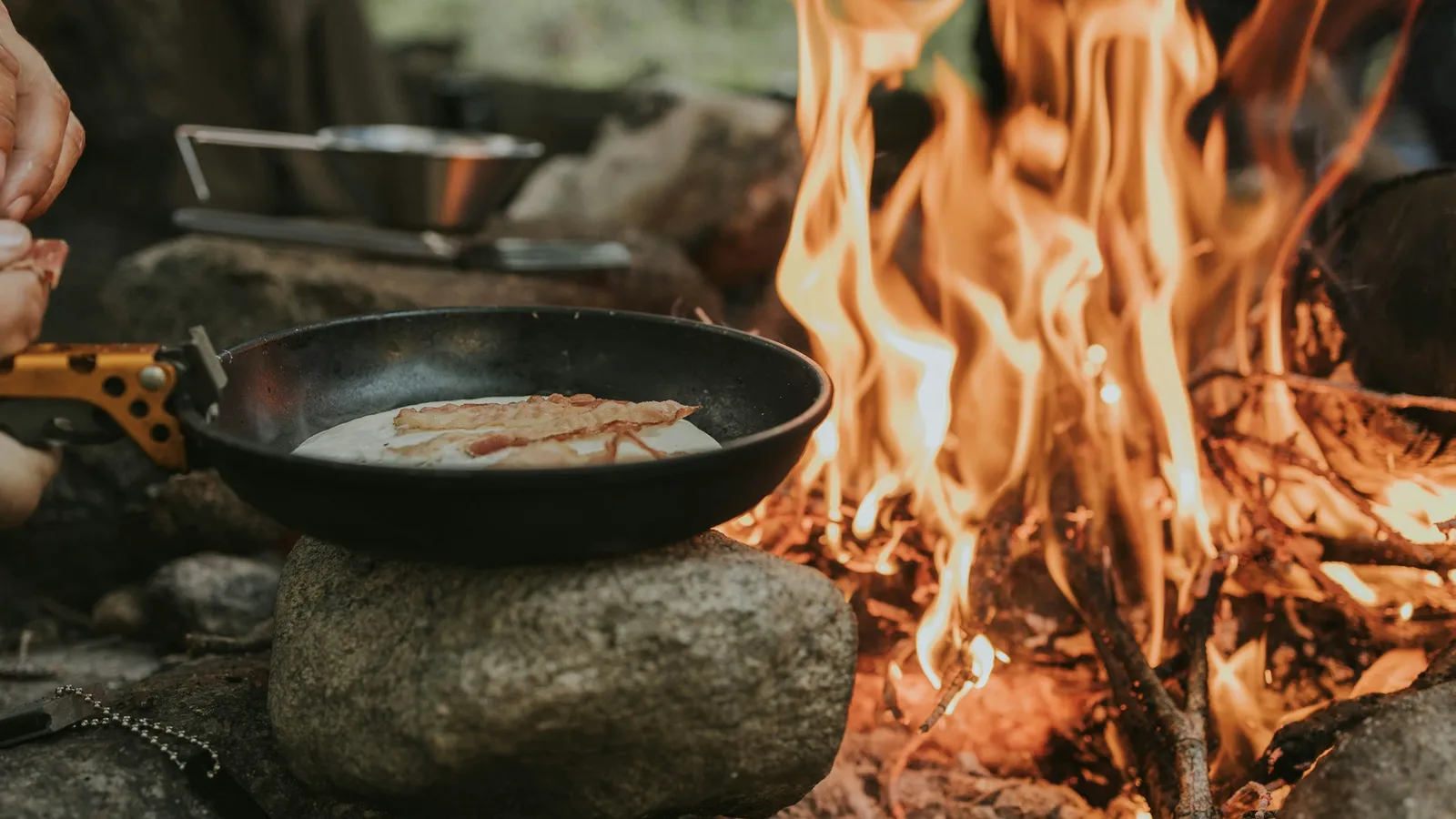
Breakfast cooking in a cast iron skillet over a campfire

At a glance

Our top picks

Thru-hikers carry a stove for weeks, so weight and fuel matter more than bells and whistles. Canister fuel is easy to find in trail towns, which is why these canister stoves dominate.

Four stoves are listed for lightweight backpacking, from 2.5 oz to a windproof folder. Carry a lighter, and cook only outdoors.

RV Gear Lab field notes

The Campsite Fit Check

Start with the job
Optimus Crux Lite Ultralight Backpacking Stove leads this shortlist for Gram-counting thru-hikers. Use that fit as a reference point, then compare the alternatives against your own space and workload.
Specs that separate the picks
The first details to compare are 2.5 oz (72 g), 2.6 oz, folds to 2x2x3 inches, 3000 W, piezo ignition. Confirm the exact model and included components before ordering.
Trade-off to plan for
Does not fold

Before you buy

What Matters Before You Choose a Backpacking Stove For Thru Hiking

Key buying criteria so you get the right fit the first time.

  1. 01

    Weight on a long trail

    Over months, a few ounces matter. The Crux Lite lists 72 g and the PocketRocket 2 lists 2.6 oz. Weigh the stove and fuel together.

  2. 02

    Fuel availability

    Isobutane-propane canisters are sold in most trail towns. A stove that uses them is easy to refuel. Check the thread type.

  3. 03

    Boil time and fuel use

    Faster boils use less fuel. A 3-minute boil is typical. Look at stated times.

  4. 04

    Ignition reliability

    Piezo igniters fail in rain and dust. Carry a lighter anyway. Check the listing.

  5. 05

    Wind

    Wind wastes fuel on exposed ridges. A windshield or screen helps. Check what is included.

Our standards

Why You Can Trust RV Gear Lab

At RV Gear Lab, we compare products based on campsite fit, verified specifications, usability, setup requirements, weight, durability, and real-world trade-offs. We do not rank products purely on marketing claims or commission rates.

We have not personally tested every product listed. Where hands-on testing is not available, recommendations are based on verified manufacturer specifications, product documentation, use-case fit, and comparative research.

How we review camping gear →

Detailed reviews

The 4 best backpacking stoves for thru hiking, explained

01
Best for: Gram-counting thru-hikers

Our take

A stripped-down stove for long trails.

Why it made the shortlist

The Optimus Crux Lite weighs 2.5 oz (72 g) and delivers a 3000 W burner for 3-minute boils and precise simmering. It is compatible with EN417 butane, isobutane or propane cartridges.

Removing the folding mechanism trims 11 g from the original Crux, and it is the lightest canister stove in the Optimus lineup. It matches the MSR PocketRocket 2 on size while claiming a stronger burner.

It suits thru-hikers and alpine climbers who weigh every gram. Optimus has made stoves since 1899.

What works

  • Lightest here at 72 g
  • 3 minute boils
  • Simmer control
  • Works with several cartridge gases

Watch out for

  • Does not fold
  • Pricier than budget stoves
The catch
It has no folding mechanism, so keep the supports in mind when packing.
02
Best for: First thru-hike

Our take

A well-known stove that is easy to replace if lost.

Why it made the shortlist

The MSR PocketRocket 2 comes in at 2.6 oz and takes about 3.5 minutes to bring a liter to a boil, according to MSR. It burns isobutane-propane canisters and skips priming, which keeps trail routines simple.

It is widely sold in trail towns and has serrated pot supports for many pot shapes.

It suits first-time thru-hikers who want a stove that is easy to replace on trail. A protective case is included.

What works

  • Easy to replace along the trail
  • Folds small
  • Simple simmer to boil control
  • Case included

Watch out for

  • Slightly heavier than the Crux Lite
  • No igniter listed
The catch
It has no igniter.
03
Best for: Budget or spare stove

Our take

The cheap thru-hike backup with its own igniter.

Why it made the shortlist

The AOTU is a 3000 W canister stove with piezo ignition, a control valve and a windproof aluminum honeycomb net. It packs to 4 by 5 by 8 cm and fits 7/16 thread butane or butane-propane canisters.

The honeycomb net doubles as a wind shield.

It suits budget hikers who want an igniter and a spare.

What works

  • Built-in igniter
  • Windproof net
  • Compact box

Watch out for

  • No weight listed
  • Not for propane-only canisters
The catch
Weight is not listed, so check before relying on it.
04
Best for: Windy trails

Our take

A windproof folder with the strongest rated output here.

Why it made the shortlist

The Odoland 3500W is a foldable stove rated up to 3500 W, with a built-in wind guard, a piezo igniter and a flame controller. Its listing gives about 3 minutes for 1 L of water.

Two connectors cover different canister types, and a carrying case is included. Output is the highest rated figure in this group.

It suits hikers who cook in wind and want a built-in windshield. It is a good second stove for group trips.

What works

  • Built-in windshield
  • Piezo ignition
  • Two connectors included
  • Carrying case

Watch out for

  • No weight listed
  • Bulkier than the minimalist stoves
The catch
The listing does not state a weight.

Methodology

How We Built This Shortlist

Each pick was assessed across 5 criteria weighted for real-world use.

01

Weight

We compared stated weights.

02

Fuel

We checked cartridge compatibility.

03

Boil time

We compared stated times.

04

Ignition

We noted igniters.

05

Durability

We compared build and support designs.

Decision guide

Match a Backpacking Stove For Thru Hiking to Your Camp Setup

By Hiker Type

Your situationRecommended pickWhy
Gram counterOptimus Crux Lite72 g.
First thru-hikeMSR PocketRocket 2Easy to replace on trail.
Budget with igniterAOTU PiezoPiezo for less.
Windy ridgesOdoland 3500WWindshield design.

By Budget

BudgetRecommended pick
$0 to $30AOTU Piezo or Odoland 3500W
$40 to $60MSR PocketRocket 2 or Optimus Crux Lite

Minimal vs Windproof

Minimal

The Optimus Crux Lite and MSR PocketRocket 2 weigh almost nothing.

Windproof

The Odoland 3500W and AOTU Piezo add windshields and igniters at the cost of weight.

Most thru-hikers should choose the Optimus Crux Lite.

By Budget

PreferenceRecommended pick
Lowest costAOTU Piezo
Mid cost, provenMSR PocketRocket 2
Top gram saverOptimus Crux Lite
Wind protectionOdoland 3500W

For Long Trails Specifically

Look for

A stated weight, easy refuel and a wind plan.

In this comparison

The Optimus Crux Lite lists 72 g and the MSR PocketRocket 2 is easy to replace in trail towns.

When to Spend More

Spend more if

Spend more on the Optimus Crux Lite to cut grams. It is the choice for serious thru-hikers.

Save if

Save with the AOTU Piezo, but carry a lighter and check its canister thread.

FAQ

Before You Bring One Home

Why use canister stoves for thru-hiking?

Canisters are easy to find in most trail towns, and the stoves weigh next to nothing. They also light and simmer without priming. That reliability beats the savings of an alcohol stove for many hikers.

Do I need a windscreen?

On open ridges yes, because wind wastes fuel and slows boils. Use a foil screen that stands clear of the canister. Never wrap a screen tightly around the canister, since heat can build up.

Is the Crux Lite worth the money over the PocketRocket 2?

If you want the lowest weight, yes. The PocketRocket 2 is nearly as light and folds smaller. Most hikers will not notice the difference on trail.

How do I estimate fuel for a section?

Count your daily boils, multiply by the stated boil time and add a reserve. Small canisters last a week of solo cooking for many hikers. Buy fuel at the last town.

How do I maintain a stove on a long trail?

Wipe it clean after each use and check the canister seal for debris. Store it dry and away from your food. Replace any bent pot supports before they fail.

Bottom line

The short version

Browse more backpacking stoves for thru hiking on Amazon →
Danny Walker, Camping Editor at RV Gear Lab

About the author

Danny Walker

Camping Editor at RV Gear Lab

Danny covers camping gear, campsite setup, outdoor power, sleep systems and practical camping advice, with a focus on helping campers make better gear decisions.

More from Danny →Editorial standards

Keep reading

Related guides