

We research everything we recommend. When you buy through our links, we may earn a commission. Learn more

Buying guide · 10 min read · Updated October 2, 2026

4 Best Remote Canister Stoves in 2026: A Practical Camping Guide

Best remote canister stoves compared on weight, stability, listed BTU and cold-weather features, for backpackers who want the fuel off the burner.

Danny WalkerBy Danny WalkerCamping Editor at RV Gear Lab4 products comparedSpec-sheet researched
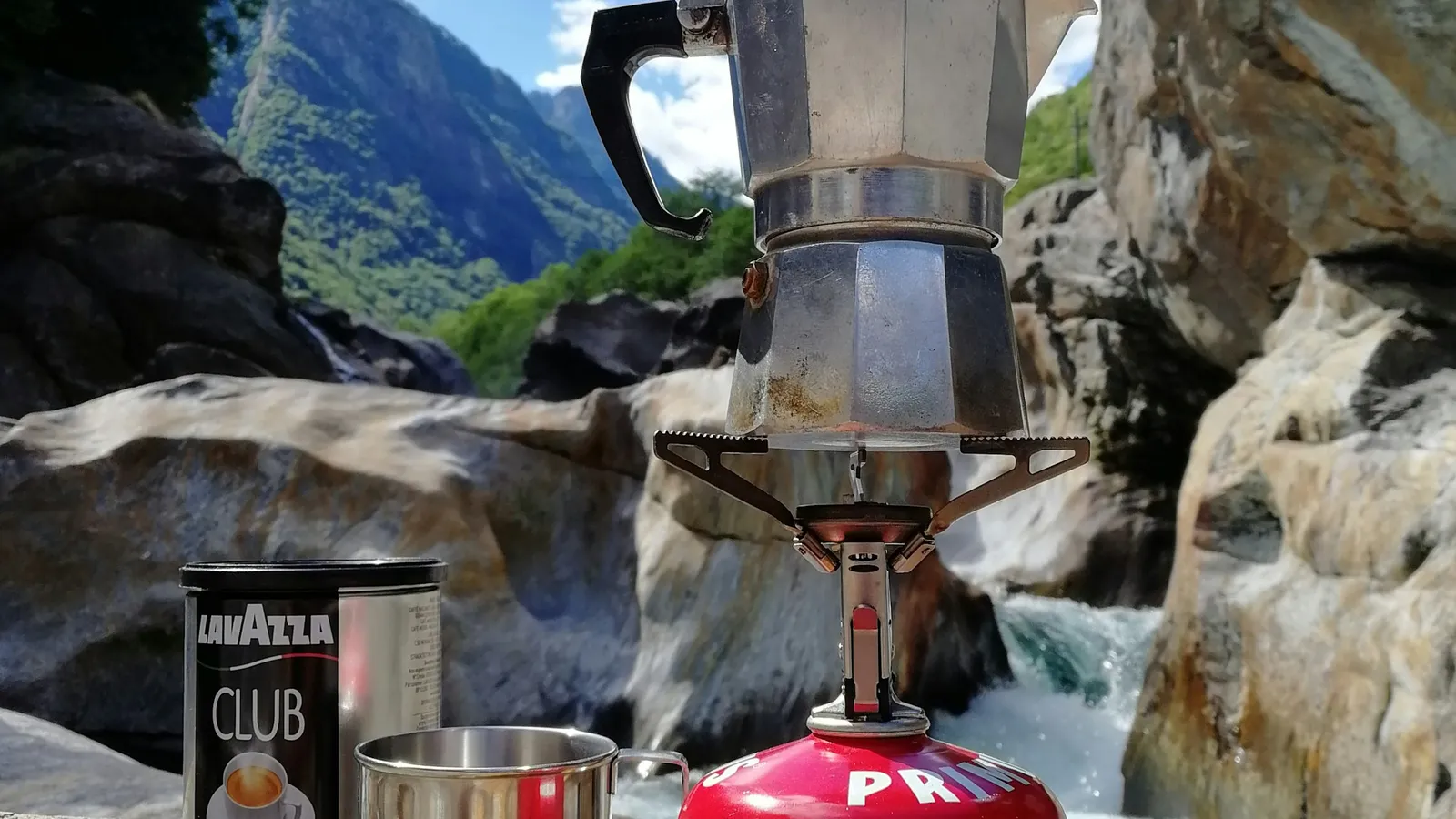
Single-burner camp stove brewing coffee on a riverside rock

At a glance

Our top picks

A remote canister stove connects to the fuel through a hose, so the canister sits to one side instead of under the pot. That lowers the center of gravity, lets you use bigger pots and, on some models, allows the canister to be inverted in the cold.

Four stoves here have real remote hoses. The MSR LowDown is an adapter for other stoves and the Odoland 3500W mounts directly on the canister, so neither is ranked.

RV Gear Lab field notes

The Campsite Fit Check

Start with the job
Fire-Maple Blade 2 Portable Camping and Backpacking Stove with Preheat Tube leads this shortlist for Cold-weather backpacking. Use that fit as a reference point, then compare the alternatives against your own space and workload.
Specs that separate the picks
The first details to compare are 135 g (4.76 oz), remote cable, 2900 W, 9900 BTU, 11,000 BTU, 8.0 oz. Confirm the exact model and included components before ordering.
Trade-off to plan for
Needs a compatible canister

Before you buy

What Matters Before You Choose a Remote Canister Stove

Key buying criteria so you get the right fit the first time.

  1. 01

    Remote hose

    A remote stove connects the canister by hose, which lowers the stove and makes larger pots stable. It also keeps the canister away from the flame. Look for the word remote and a hose in the listing.

  2. 02

    Inverted canister option

    Some remote stoves let you flip the canister so liquid fuel feeds the burner in cold weather. This needs a preheat tube or similar. Check the listing for inverted use.

  3. 03

    Weight

    Remote stoves range from 95.5 g to 0.77 lb. Titanium models save the most. Add the hose weight.

  4. 04

    Output

    BTU measures heat per hour. 9,500 to 11,000 BTU is typical. Check boil times.

  5. 05

    Stability

    Wide legs support larger pots. A spider base spreads the load. Test your pot size.

Our standards

Why You Can Trust RV Gear Lab

At RV Gear Lab, we compare products based on campsite fit, verified specifications, usability, setup requirements, weight, durability, and real-world trade-offs. We do not rank products purely on marketing claims or commission rates.

We have not personally tested every product listed. Where hands-on testing is not available, recommendations are based on verified manufacturer specifications, product documentation, use-case fit, and comparative research.

How we review camping gear →

Detailed reviews

The 4 best remote canister stoves, explained

01
Fire-Maple Blade 2 Portable Camping and Backpacking Stove with Preheat Tube
  • 135 g (4.76 oz), remote cable
  • 2800 W / 9500 BTU jet
  • Preheat tube, invertible canister
Check price on Amazon for Fire-Maple Blade 2 Portable Camping and Backpacking Stove with Preheat Tube (opens in a new tab)
Best for: Cold-weather backpacking

Our take

The all-round light remote stove with a cold-weather design.

Why it made the shortlist

The Fire-Maple Blade 2 weighs 135 g (4.76 oz) and folds to fit inside a 1 liter pot. The jet burner is rated at 2800 W (9500 BTU), and folding titanium legs and pot rests keep it stable.

Its remote cable lets you invert the canister for cold performance, and a preheat tube helps vaporize fuel. The Fire-Maple Petrel is lighter, yet the Blade 2 adds that cold-weather design.

It suits hikers who want a light remote stove for cold mornings. It also works with an LPG adapter.

What works

  • Invert the canister in cold
  • Preheat tube aids vaporization
  • Folds into a 1 liter pot
  • Folding titanium legs

Watch out for

  • Needs a compatible canister
The catch
Canister type and adapter need to match.
02
Best for: Group cooking

Our take

A stable, wide-footprint remote stove for big pots.

Why it made the shortlist

The CAMPJOURNEY is a spider-style stove with a 2900 W (9900 BTU) burner that weighs 0.77 lb and folds to 5.5 by 2.7 by 4.3 inches. Four spring-loaded legs lock into a wide footprint, and the listing says a quart boils in under 3 minutes.

It includes an adapter hose for remote propane tanks and works with butane and mixed gas canisters, which the Glacier and Blade 2 do not describe. The wide base supports large pots.

It suits groups and car campers who want a stable remote stove with propane tank flexibility. It comes with an EVA case and a 1-year warranty.

What works

  • Wide four-leg base for big pots
  • Works with remote propane tanks
  • Piezo ignition on first click
  • 1-year warranty

Watch out for

  • Heavier than the titanium stoves
  • Less known brand
The catch
At 0.77 lb it is the heaviest here.
03
GSI Outdoors Glacier Remote Canister Camp Stove
  • 11,000 BTU, 8.0 oz
  • Folds to 2.8x3.5x3.3 inches
  • Built-in piezo ignition
Check price on Amazon for GSI Outdoors Glacier Remote Canister Camp Stove (opens in a new tab)
Best for: Easy-start remote cooking

Our take

A remote stove with a built-in igniter and plenty of heat.

Why it made the shortlist

The GSI Glacier Remote is a foldable stove rated at 11,000 BTU that weighs 8.0 oz and folds to 2.8 by 3.5 by 3.3 inches. It has built-in piezo ignition and works with isobutane canisters through a remote control.

It suits campers who want a remote stove with built-in ignition. The remote fuel control is meant to improve safety and stability.

What works

  • Highest listed BTU here
  • Piezo ignition included
  • Remote fuel control
  • Compact fold

Watch out for

  • Heavier than the Fire-Maple models
  • Isobutane canisters only
The catch
It weighs 8.0 oz, over twice the Petrel.
04
Best for: Gram counters

Our take

The lightest remote stove here, with a built-in windscreen.

Why it made the shortlist

The Fire-Maple Petrel weighs 95.5 g (3.4 oz) and folds to 3.7 by 3.4 by 1.3 inches, with a titanium body and a foldable aluminum windscreen. It is rated at 2.7 kW (9213 BTU/h) and boils 0.5 L of water in 1 minute 48 seconds.

It is the lightest remote stove in this group, and the low center of gravity keeps the canister and valve away from the flame. The Blade 2 adds inverted canister use.

It suits thru-hikers and fast-packers counting grams. Short treks and quick meals are where it shines.

What works

  • Lightest remote stove here
  • Folding windscreen included
  • Low center of gravity
  • Fast stated boil time

Watch out for

  • No inverted feed is listed
  • Small pots only
The catch
Its small body suits small pots best.

Methodology

How We Built This Shortlist

Each pick was assessed across 5 criteria weighted for real-world use.

01

Remote setup

We confirmed each stove connects through a hose and noted which allow inverted canisters.

02

Weight and fold

We compared stated weights and folded sizes.

03

Output

We compared stated W and BTU figures.

04

Stability

We compared leg design and pot supports.

05

Extras

We looked for ignition, cases and windscreens.

Decision guide

Match a Remote Canister Stove to Your Camp Setup

By Trip Type

Your situationRecommended pickWhy
Cold-weather backpackingFire-Maple Blade 2Invertible canister and preheat tube.
Group cooking with big potsCAMPJOURNEY SpiderWide four-leg base.
Easy start, mixed tripsGSI GlacierPiezo ignition and 11,000 BTU.
Ultralight thru-hikeFire-Maple Petrel3.4 oz titanium.

By Budget

BudgetRecommended pick
$50 to $60Fire-Maple Petrel or CAMPJOURNEY Spider
$60 to $80Fire-Maple Blade 2 or GSI Glacier

Titanium Light vs Wide Stable

Titanium light

The Fire-Maple Petrel and Fire-Maple Blade 2 save weight with titanium parts.

Wide stable

The CAMPJOURNEY Spider and GSI Glacier use wider bases or heavier materials for stability.

Most backpackers should choose the Fire-Maple Blade 2, and group cooks the CAMPJOURNEY Spider.

By Fuel

PreferenceRecommended pick
Remote propane tankCAMPJOURNEY Spider
Isobutane canisterGSI Glacier
Cold inverted canisterFire-Maple Blade 2
Lightest onlyFire-Maple Petrel

For Remote Canister Cooking Specifically

Look for

A true hose, a stable base and a fuel plan.

In this comparison

The CAMPJOURNEY Spider has a four-leg base and a propane adapter hose, and the Fire-Maple Blade 2 can invert the canister.

When to Spend More

Spend more if

Spend more on the Fire-Maple Blade 2 for cold-weather design. The Fire-Maple Petrel earns its price for ultralight trips.

Save if

Save with the GSI Glacier if you want a simple remote stove with piezo ignition.

FAQ

Before You Bring One Home

What does a remote canister stove do?

It connects the burner to the fuel through a hose, so the canister sits beside the stove. That lowers the center of gravity and lets you use bigger pots. Some models also let you invert the canister for cold weather.

Is the MSR LowDown a stove?

No. It is an adapter that adds remote control to MSR canister stoves, so it was left out of the ranking. Choose it only if you already own a compatible MSR stove.

Is a remote stove better than a top-mount one?

It is more stable under large pots and can run better in the cold. The tradeoff is more weight, a hose to pack and a little more setup. For solo summer hikes a top-mount stove is often lighter.

How do I set up a remote stove safely?

Screw the canister onto the hose, open the valve slowly and check for leaks with soapy water. Place the canister away from the flame and on a flat surface. Cook outdoors only.

How do I invert a canister safely?

Only do this on stoves that list it, such as the Fire-Maple Blade 2, and use the preheat tube it describes. Never invert a canister on a stove that is not designed for it, because liquid fuel can flare.

Bottom line

The short version

Browse more remote canister stoves on Amazon →
Danny Walker, Camping Editor at RV Gear Lab

About the author

Danny Walker

Camping Editor at RV Gear Lab

Danny covers camping gear, campsite setup, outdoor power, sleep systems and practical camping advice, with a focus on helping campers make better gear decisions.

More from Danny →Editorial standards

Keep reading

Related guides