

We research everything we recommend. When you buy through our links, we may earn a commission. Learn more

Buying guide · 10 min read · Updated October 2, 2026

5 Best Ultralight Backpacking Stoves in 2026: A Practical Camping Guide

Best ultralight backpacking stoves compared on listed weight, boil time and pack size, for hikers who count every ounce in the base weight.

Danny WalkerBy Danny WalkerCamping Editor at RV Gear Lab5 products comparedSpec-sheet researched
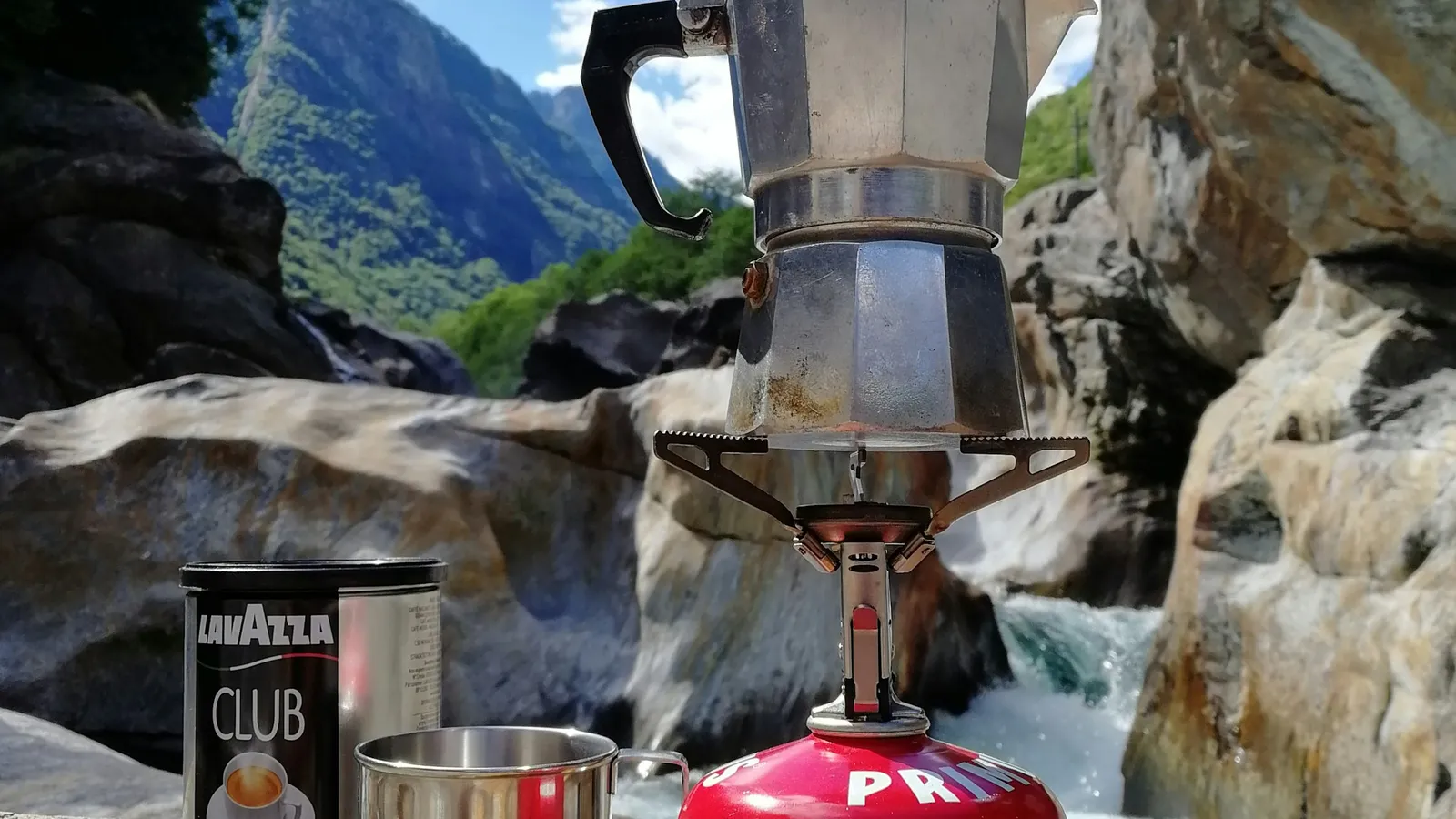
Single-burner camp stove brewing coffee on a riverside rock

At a glance

Our top picks

An ultralight backpacking stove is judged in grams first and features second. The five picks here run from a 25 g titanium burner to a budget burner with a built-in igniter, and Danny Walker's advice is to pick the weight class that matches how much you actually cook.

Every stove below burns canister fuel, which is sold separately and must be bought in the thread type the listing names. Light it outdoors only, in open air and away from the tent, because burning fuel releases carbon monoxide.

RV Gear Lab field notes

The Campsite Fit Check

Start with the job
BRS Outdoor BRS-3000T Ultra-Light Titanium Alloy Miniature Portable Picnic Camping Gas Cooking Stove Portable leads this shortlist for Gram-counting solo hikers. Use that fit as a reference point, then compare the alternatives against your own space and workload.
Specs that separate the picks
The first details to compare are 25 g titanium, 2700 W, 2.6 oz, folds to 2x2x3 in, 2.9 oz with regulator. Confirm the exact model and included components before ordering.
Trade-off to plan for
No built-in igniter listed

Before you buy

What Matters Before You Choose an Ultralight Backpacking Stove

Key buying criteria so you get the right fit the first time.

  1. 01

    Weight against features

    Ultralight means different things: a 25 g burner and a 95 g stove with an igniter and windscreen are both light. Each ounce saved usually costs you a feature such as an igniter, a regulator or wide pot supports. Read the listed weight and then list what you would carry to replace what is missing, such as a lighter.

  2. 02

    Boil time and fuel use

    A listed boil time shows how much fuel you will spend on every liter, which adds up on a long trip. Times are measured by the brand in ideal conditions, so wind and cold slow them. Compare only figures given for the same volume, since 0.5 L and 1 L are very different tests.

  3. 03

    Pot support and stability

    Narrow supports tip tall, heavy pots, and a stove that wobbles under a full liter is a real hazard. Wide serrated supports hold the pot more securely. Check the pot size you plan to carry against what the listing says the supports hold.

  4. 04

    Canister thread

    Backpacking canisters in most countries use a threaded valve, and listings name the thread such as 7/16 or isobutane-propane. A mismatch means the stove simply will not fit. Look for the fuel type in the first bullets before you buy.

  5. 05

    Igniter and regulator

    Piezo igniters fail in damp or cold, so a lighter is still the backup. A regulator, found on the Deluxe, keeps output steady as the canister empties and cools. Decide whether you hike in shoulder seasons before paying for it.

  6. 06

    Wind protection

    Wind cuts efficiency more than a lighter stove saves in weight. A built-in windscreen or broad burner reduces the fuel you burn and the minutes you wait. Never wrap a canister in a windscreen, because trapped heat can overheat it.

Our standards

Why You Can Trust RV Gear Lab

At RV Gear Lab, we compare products based on campsite fit, verified specifications, usability, setup requirements, weight, durability, and real-world trade-offs. We do not rank products purely on marketing claims or commission rates.

We have not personally tested every product listed. Where hands-on testing is not available, recommendations are based on verified manufacturer specifications, product documentation, use-case fit, and comparative research.

How we review camping gear →

Detailed reviews

The 5 best ultralight backpacking stoves, explained

01
Best for: Gram-counting solo hikers

Our take

The lowest-weight burner here, for hikers who boil water and little else.

Why it made the shortlist

The BRS-3000T is a titanium alloy canister stove that weighs 25 g and is rated at 2700 W. The listing states a boil time of about 2 minutes 58 seconds for 1 L of water and a gas use of roughly 140 g per hour.

It is the lightest stove here by a wide margin, well under the 85 g Fire-Maple Greenpeak 1 and the 2.6 oz MSR PocketRocket 2. The stove and a 110 g canister nest inside a 750 ml pot, which keeps the whole kit compact.

It suits gram-counting solo hikers who boil water for dehydrated meals and coffee. The pot support legs flip out and the stove twists straight onto the canister.

What works

  • Lightest stove here at 25 g
  • Fast stated boil time
  • Nests in a 750 ml pot

Watch out for

  • No built-in igniter listed
  • Small pot supports limit big pots
The catch
It has no igniter in the listing, so carry a lighter, and the small supports suit only narrow pots.
02
Best for: Simple everyday ultralight cooking

Our take

The dependable middle choice for hikers who want simmer control without much extra weight.

Why it made the shortlist

The MSR PocketRocket 2 is a folding canister stove weighing 2.6 oz that collapses to 2 by 2 by 3 inches. The listing says it boils 1 liter in 3.5 minutes, adjusts from a simmer to a rolling boil and needs no priming or pressurizing.

It sits above the BRS-3000T in pot support and flame control, since serrated supports hold a wide range of pot sizes. Against the Deluxe it keeps the price lower by leaving out the regulator and push-start lighting.

It suits hikers who want a simple, widely sold stove that runs on isobutane-propane canisters sold in most countries. A protective case is included.

What works

  • Simmers as well as boils
  • Supports many pot sizes
  • Protective case included
  • No priming or preheating

Watch out for

  • Heavier than the BRS and Fire-Maple
  • No igniter is listed
The catch
At 2.6 oz it is roughly four times the weight of the BRS-3000T.
03
Best for: Cold mornings and long trips

Our take

The regulated, self-lighting MSR for cooler trips.

Why it made the shortlist

The MSR PocketRocket Deluxe weighs 2.9 ounces and adds a pressure regulator and a built-in push-start igniter. The listing says it boils 1 liter in 3.5 minutes, even in colder weather and with low fuel.

Compared with the PocketRocket 2 it adds regulated output as the canister empties, and it carries a 3-year limited warranty. Its broad burner improves wind resistance and gives better simmering than the bare-bones BRS-3000T.

It suits shoulder-season hikers who want steady performance as the fuel runs down. The igniter is protected inside the burner and the stove folds into its stuff sack.

What works

  • Regulator evens out output
  • Built-in lighter on the burner
  • Broad burner resists wind
  • 3-year limited warranty

Watch out for

  • Heavier than the plain PocketRocket 2
The catch
You pay the most here for a stove only 0.3 oz heavier than the PocketRocket 2.
04
Best for: Budget hikers wanting an igniter

Our take

A light, self-lighting stove that costs less than the MSR options.

Why it made the shortlist

The Fire-Maple Greenpeak 1 weighs 85 g (3 oz) and folds to 2.1 by 2.8 inches. It has piezo ignition and is built from stainless steel, ceramic, aluminum alloy and silicone.

It suits hikers who want a lighter-free start without paying MSR prices. The folded size fits a mug or pot nest easily.

What works

  • Igniter built in
  • Folds very small
  • Rated fuel-efficient design

Watch out for

  • No boil time is listed
  • Not compatible with the Z1 adapter
The catch
The listing gives no boil time or output, so performance is harder to compare.
05
Best for: Budget and backup stoves

Our take

The cheapest self-lighting stove here, with a built-in wind net.

Why it made the shortlist

The AOTU is a canister stove rated at 3000 W with a piezo igniter and a fire board of 9.5 by 9.5 cm, which the listing says suits a 20 cm pot and 1 to 3 people. It packs into a 4 by 5 by 8 cm box and fits any 7/16 thread single butane or butane-propane canister (EN 417).

A honeycomb aluminum windproof net surrounds the burner, a feature the MSR and Fire-Maple stoves do not describe.

It suits budget-minded hikers and backup-stove shoppers who want a light, self-lighting burner. The control valve runs from full heat down to a simmer.

What works

  • Igniter included
  • Windproof net around burner
  • Compact box with a case

Watch out for

  • No weight is listed
  • Does not fit propane-only canisters
The catch
The listing gives no weight, so it may not match the others on ounces.

Methodology

How We Built This Shortlist

Each pick was assessed across 5 criteria weighted for real-world use.

01

Listed weight

Each stove was compared on the weight and folded size the listing gives, from 25 g to 95.5 g.

02

Boil claims

We compared stated boil times only where a listing gives one, and noted where it does not.

03

Ignition and control

We compared built-in igniters, regulators and simmer control, since they affect real cooking.

04

Fuel and stability

Canister thread, pot support width and stove stance were compared for each pick.

05

Value

Price was weighed against the grams saved and the features included.

Decision guide

Match an Ultralight Backpacking Stove to Your Camp Setup

By Hiking Style

Your situationRecommended pickWhy
Gram-counting solo hikerBRS-3000T25 g is the lowest stated weight, and it boils 1 L in 2:58 per the listing
Simple everyday carryMSR PocketRocket 22.6 oz with simmer control and a case
Cooler-season tripsMSR PocketRocket DeluxeRegulator keeps output steady as the canister drains
Budget with an igniterFire-Maple Greenpeak 185 g and a piezo igniter at a modest price
Backup or occasional stoveAOTU PiezoLowest price with a wind net and igniter

By Budget

BudgetRecommended pick
$0 to $20AOTU Piezo or BRS-3000T
$10 to $50Fire-Maple Greenpeak 1 or MSR PocketRocket 2
$80 to $90MSR PocketRocket Deluxe

Bare Burner vs Igniter and Regulator

Bare burner

The BRS-3000T is the clearest bare burner: 25 g, no igniter, small pot supports. It saves the most weight and money, and you carry a lighter to light it.

Igniter and regulator

The Fire-Maple Greenpeak 1 and AOTU Piezo add a piezo igniter, and the MSR PocketRocket Deluxe adds a regulator as well. You carry a few more grams for easier lighting and steadier output in the cold.

Most hikers should take the MSR PocketRocket 2 as the balanced default, and go to the BRS-3000T only if every gram matters.

By Budget

PreferenceRecommended pick
Lowest price possibleBRS-3000T
Mid price with an igniterFire-Maple Greenpeak 1
Trusted brand at a fair priceMSR PocketRocket 2
Premium regulated stoveMSR PocketRocket Deluxe

Thru-Hikers and Fast-Packers

Look for

Look for a stated weight under 100 g, a listed boil time and pot supports that fit a 750 ml pot.

In this comparison

The BRS-3000T fits a 750 ml pot with a 110 g canister at 25 g and boils 1 L in 2:58 per the listing, while the Fire-Maple Greenpeak 1 folds to 2.1 by 2.8 inches at 85 g with an igniter.

When to Spend More

Spend more if

Spend more on the MSR PocketRocket Deluxe if you hike in cool weather and want the regulator and push-start igniter, or on the MSR PocketRocket 2 if you want a proven simmer-capable design.

Save if

Save with the BRS-3000T, AOTU Piezo or Fire-Maple Greenpeak 1 if you mostly boil water and can carry a lighter as backup.

FAQ

Before You Bring One Home

Which canister does an ultralight stove use?

The picks here use screw-on canisters, and the MSR listings name isobutane-propane fuel. Buy the canister in the thread type your stove's listing names, since canisters are sold separately.

What is the most common mistake with a tiny stove?

Putting a heavy pot on narrow supports is the usual error. A 25 g stove is stable only with a small light pot, so match your pot to the supports before the trip.

Is the MSR PocketRocket Deluxe worth it over the PocketRocket 2?

It adds a regulator and a built-in igniter for a modest weight gain. If you hike in cold weather or on long trips with a draining canister, it earns the cost. Warm-weather hikers can skip it.

How do I light and shut off an upright stove safely?

Close the valve fully before twisting the stove onto the canister, then open it slowly and light it. Cook outdoors in open air on level ground and away from the tent.

Can I use these stoves in cold weather?

Performance drops as the canister cools and empties. The Deluxe regulator is built for colder weather, and keeping the canister warm in your jacket before use helps with any of these stoves.

Bottom line

The short version

Browse more ultralight backpacking stoves on Amazon →
Danny Walker, Camping Editor at RV Gear Lab

About the author

Danny Walker

Camping Editor at RV Gear Lab

Danny covers camping gear, campsite setup, outdoor power, sleep systems and practical camping advice, with a focus on helping campers make better gear decisions.

More from Danny →Editorial standards

Keep reading

Related guides