Campground Wi-Fi has a reputation for a reason. The signal is shared by dozens of rigs, it drops when the office staff reboots a router and it often sits behind a captive portal that every device must log into separately. An OpenWrt router changes that picture. It plugs into the campground's Wi-Fi or Ethernet, creates your own private network inside the coach and lets you run a VPN, share one login across every device and combine more than one internet source. For remote workers and full-time RVers, that is the difference between a dependable connection and a daily annoyance.
OpenWrt itself is an open source router operating system, and it brings features that stock firmware rarely offers: WireGuard and OpenVPN clients, repeater and bridge modes, firewall rules, ad blocking and detailed traffic control. Several vendors ship routers with OpenWrt preinstalled or supported out of the box, which spares you the flashing step. In an RV the real questions are about hardware: do you want built-in cellular, how much VPN throughput do you need, and is the unit small enough to live in a cabinet or a backpack.
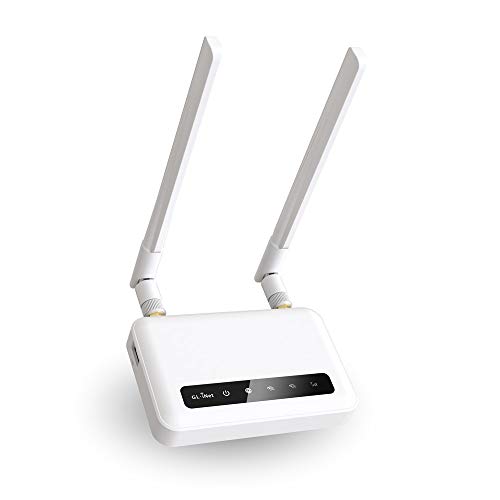
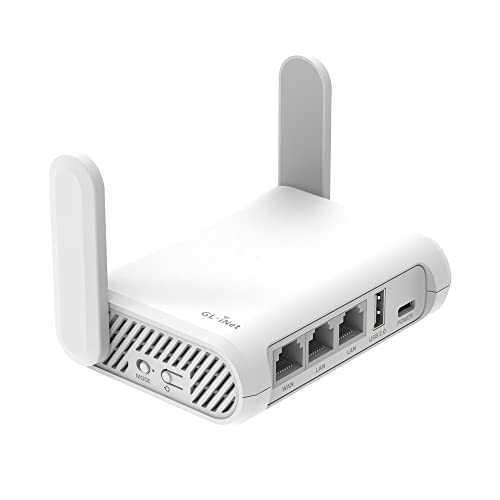
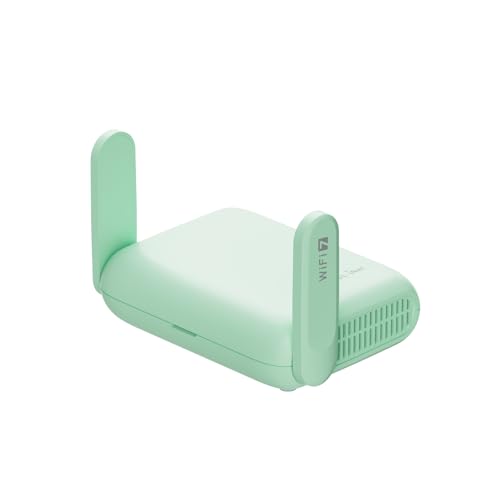
This guide covers four routers. The GL.iNet GL-MT3600BE Beryl 7 at $129.99 is a Wi-Fi 7 travel router with dual 2.5G ports and a listing that states WireGuard up to 1100 Mbps. The GL-X750V2 at $125.99 adds a 4G LTE CAT4 modem with OpenWrt preinstalled. The Cudy Gigabit Multi-WAN Router at $40.49 has five gigabit ports and load balancing. The GL.iNet GL-SFT1200 Opal at $39.99 is the 145 gram budget travel router. Our comparison rests on manufacturer specifications and user reports, and when a number is missing we say so instead of guessing.
A note on expectations helps here. A router can only improve what arrives at the campground, so it will not turn a weak shared signal into a fast one. What it can do is keep your devices on a stable private network, protect traffic with a VPN, switch between sources and make roaming from site to site painless. The sections below show which of these four fits the way you travel and work.
One more practical point is power. A coach runs on batteries, a generator or shore power, and a router that sips a few watts is easy to leave running around the clock. Most travel routers take 5V USB power, which means a power bank or the coach's USB outlet can keep them alive during a brief outage. Before buying, think about where the router will sit, how it will be powered and whether an external antenna or a window mount could help it reach the campground signal. A cabinet lined with metal can shield a router almost completely, and moving it a few feet often matters more than choosing the faster model.
Our standards
Why You Can Trust RV Gear Lab
At RV Gear Lab, we compare products based on rig fit and power or hookup compatibility, verified specifications, usability, setup requirements, weight, durability, and real-world trade-offs. We do not rank products purely on marketing claims or commission rates.
We have not personally tested every product listed. Where hands-on testing is not available, recommendations are based on verified manufacturer specifications, product documentation, use-case fit, and comparative research.
How we review RV gear →