

We research everything we recommend. When you buy through our links, we may earn a commission. Learn more

Buying guide · 10 min read · Updated October 2, 2026

5 Best Fire Pits Under 50 in 2026: A Practical Camping Guide

Best fire pits under $50: five wood-burning steel pits from 17 to 32 inches compared on size, weight, spark screens and portability for camp and patio.

Danny WalkerBy Danny WalkerCamping Editor at RV Gear Lab5 products comparedSpec-sheet researched
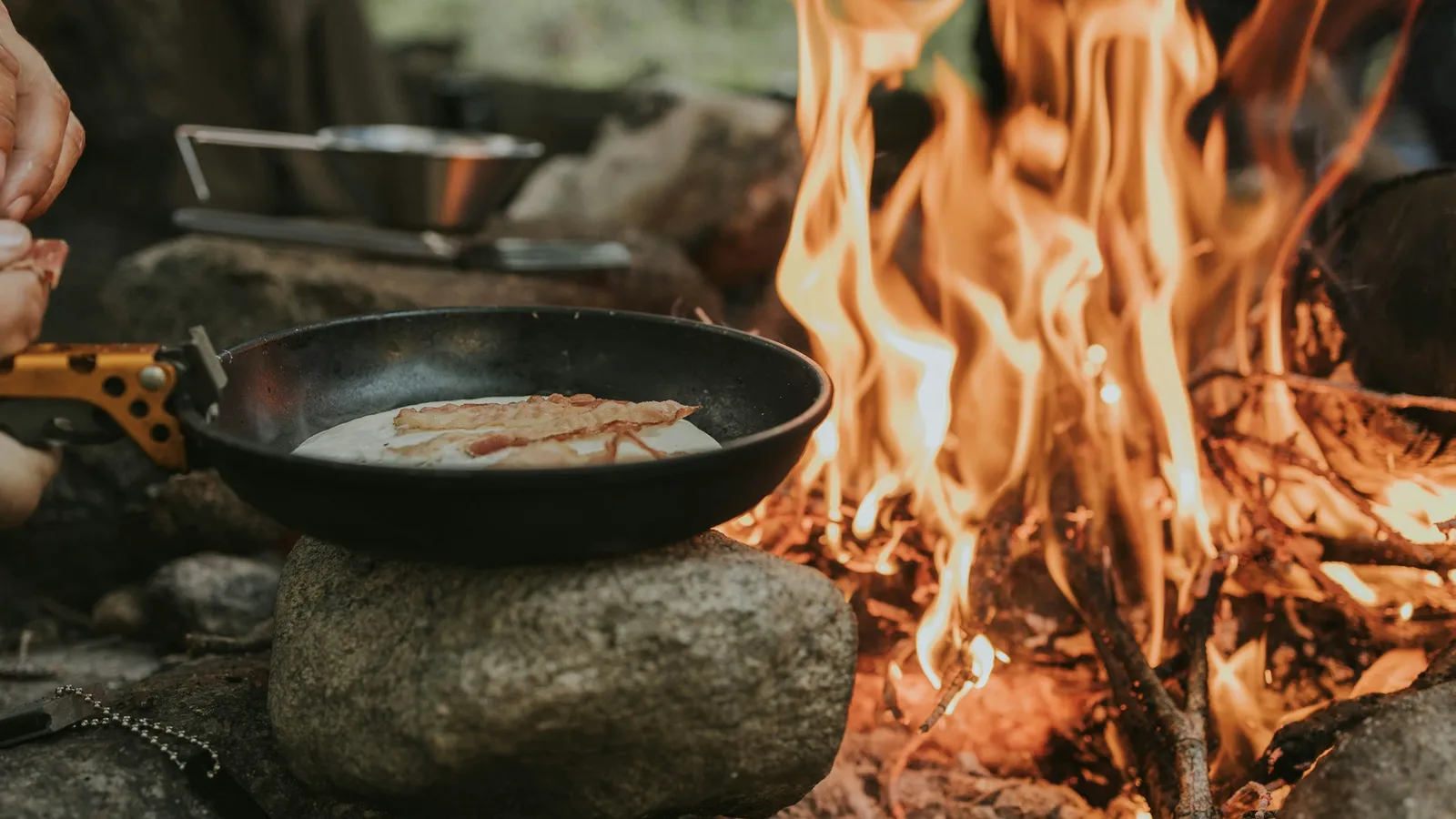
Breakfast cooking in a cast iron skillet over a campfire

At a glance

Our top picks

Fifty dollars buys a simple wood-burning steel fire pit, but not a smokeless or stainless one. The five picks run from about $40 to $48 and span 17 to 32 inches wide, so the real choice is between a small carry-in pit for a campsite and a larger square pit that stays on the patio.

They were compared on bowl size, weight, spark screen or lid, ash handling and storage. The ranking favors the pit that adds the most safety hardware for the money, and the notes flag where a lower price means a thinner screen or a smaller bowl.

RV Gear Lab field notes

The Campsite Fit Check

Start with the job
Panovue 22 in Firepit for Outside Outdoor Small Fire Pit with Mesh Lid leads this shortlist for Campsite and backyard. Use that fit as a reference point, then compare the alternatives against your own space and workload.
Specs that separate the picks
The first details to compare are 22 inch steel pit, 12.5 lb, 19 inch square, 10 lb, 32 by 32 by 14 inch pit. Confirm the exact model and included components before ordering.
Trade-off to plan for
Small for big groups

Before you buy

What Matters Before You Choose a Fire Pit Under 50

Key buying criteria so you get the right fit the first time.

  1. 01

    Spark screen and lid

    A spark screen is a mesh lid that traps flying embers, which matters in dry grass or near tents and trees. Fine diamond mesh stops smaller sparks than coarse wire. Look for a lid in the product details, add a separate screen if the pit lacks one, and keep the lid closed once the flames die down.

  2. 02

    Bowl size and log length

    A 22 inch bowl takes logs up to about 16 inches, while a 17 inch bowl needs shorter pieces and more frequent feeding. A bigger bowl burns hotter and longer but weighs more and needs more wood. Match the pit to the firewood you can buy at camp, and measure the bowl against the log length before you leave.

  3. 03

    Elevated legs and ground protection

    Legs lift the fire off the ground so heat does not scorch grass, and a pit sitting on bare soil can heat roots or leaf litter. Never use a pit on a wooden deck, under an awning or inside a tent. Set a fireproof mat under it, keep a bucket of water nearby, and clear a ring of bare ground around the legs.

  4. 04

    Ash pan and cleanup

    A removable ash pan lets you tip cold ash into a bag without scooping, which saves time on a travel morning. Pits without one need a shovel and a metal pail. Wait until the ashes are completely cold, which can take a day, before disposing of them, and never dump hot ash into a plastic bag.

  5. 05

    Weight and carry

    A 10 to 12 lb pit moves with one hand, while a 30 lb pit needs two people and a hand truck. Carry weight matters at walk-in sites and for RV storage bays. Check the folded size against your trunk or basement bay, and compare the stated weight with the other gear you already haul.

  6. 06

    Local fire rules

    Many campgrounds ban open flames in dry seasons or require a pit with a lid, and some national forests require a fire permit. A pit does not make a banned fire legal. Check the rules for your campground and county before you pack, and bring a bucket and shovel in case a ranger asks to see them.

Our standards

Why You Can Trust RV Gear Lab

At RV Gear Lab, we compare products based on campsite fit, verified specifications, usability, setup requirements, weight, durability, and real-world trade-offs. We do not rank products purely on marketing claims or commission rates.

We have not personally tested every product listed. Where hands-on testing is not available, recommendations are based on verified manufacturer specifications, product documentation, use-case fit, and comparative research.

How we review camping gear →

Detailed reviews

The 5 best fire pits under 50, explained

01
Panovue 22 in Firepit for Outside Outdoor Small Fire Pit with Mesh Lid
  • 22 inch steel pit, 12.5 lb
  • Spark screen, poker, wood grate
  • Elevated legs protect lawn
Check price on Amazon for Panovue 22 in Firepit for Outside Outdoor Small Fire Pit with Mesh Lid (opens in a new tab)
Best for: Campsite and backyard

Our take

The best balance of size, weight and safety gear for the money.

Why it made the shortlist

It comes with a spark screen, a heavy-duty fire poker, a wood grate and elevated legs that keep heat off the lawn.

At about $46 it costs $2 more than the Quilushey 19.8 and adds a wood grate and a larger bowl. Compared with the 32 inch square pit, it is lighter and far easier to carry from car to campsite.

It suits RV owners who want a single pit for the campsite and the backyard. One person can assemble it.

What works

  • Wood grate improves airflow
  • Spark screen and poker included
  • Light enough to carry alone
  • Elevated legs protect the ground

Watch out for

  • Small for big groups
  • Powder coat will fade with heat
The catch
Bowl suits a small group of four to six.
02
Best for: Quick cleanup trips

Our take

A light square pit with the easiest ash handling.

Why it made the shortlist

The Quilushey is a 19 by 19 by 15 inch square pit weighing 10 lb, with a removable ash pan, a fire poker and a high-density diamond-mesh spark screen. The powder-coated steel body moves easily with one hand.

That tray makes cleanup faster than the Panovue, which has no pan.

It suits campers who pack out ash and want a quick cleanup. The mesh lid concentrates heat for warming.

What works

  • Removable ash pan speeds cleanup
  • Diamond-mesh screen traps sparks
  • Lightest pit here
  • Poker included

Watch out for

  • Small bowl limits log size
  • No wood grate
The catch
Small bowl, so use short logs.
03
Best for: Patio and backyard

Our take

Pick it for a permanent backyard spot, not a campsite.

Why it made the shortlist

This 32 inch square pit uses powder-coated iron with a heat-resistant basin, faux-stone border panels and sturdy legs. It includes a mesh spark screen lid with 360 degree view and a rain cover, and its ledge holds food or tools.

At about $48 it costs the most and is the largest pit here at 32 by 32 by 14 inches. The rain cover helps it live outdoors, and it doubles as a grill or ice bucket.

It suits patio and backyard users who want a big bowl. It is heavy for camping.

What works

  • Biggest bowl in this guide
  • Rain cover included
  • 360 degree view through mesh
  • Ledge holds food or tools

Watch out for

  • Heavy to carry
  • Too large for most campsites
The catch
Too big and heavy for car camping.
04

Best Budget Steel Pit · 4 of 5

GasOne 23 in Outdoor

GasOne 23 in Outdoor
  • 23 inch alloy steel pit
  • Simple, durable build
  • Small footprint
Check price on Amazon for GasOne 23 in Outdoor (opens in a new tab)
Best for: First pit on a budget

Our take

The cheapest bowl that still holds a proper wood fire.

Why it made the shortlist

The Gas One is a 23 inch wood-burning pit made of durable alloy steel with simple construction. It is a small pit designed to create a welcoming atmosphere with minimal fuss.

At about $40 it is the cheapest pit here and a hair larger than the 22 inch Panovue.

It suits budget campers and backyard users who want a basic fire. It stores easily.

What works

  • Simple steel build
  • Small footprint
  • Easy to store

Watch out for

  • Basic, with fewer accessories
  • Needs a separate spark screen
The catch
Add a spark screen if you camp in dry areas.
05
ICokin 17-Inch Portable Fire Pit with Carry Bag
  • 17 by 17 by 11 inch steel pit
  • Assembles and disassembles
  • Carry bag included
Check price on Amazon for ICokin 17-Inch Portable Fire Pit with Carry Bag (opens in a new tab)
Best for: Tailgates and beach trips

Our take

The pit to pick when space in the car is the limit.

Why it made the shortlist

The ICokin is a 17 by 17 by 11 inch pit of heavy-duty powder-coated steel that assembles and disassembles for storage. It comes with a carry bag and a 2 inch base height.

It suits tailgaters and beach campers who value size over bowl volume. It travels well.

What works

  • Carry bag included
  • Disassembles for travel
  • Rust-resistant powder coat
  • Light enough to carry

Watch out for

  • Small bowl
  • Low base height
The catch
Small bowl means small fires.

Methodology

How We Built This Shortlist

Each pick was assessed across 5 criteria weighted for real-world use.

01

Bowl size

Widths from 17 to 32 inches were compared.

02

Weight

Weights from 10 to over 20 lb were compared.

03

Safety hardware

Spark screens, pokers and ash pans were compared.

04

Portability

Carry bags and disassembly were compared.

05

Price against the cap

Every pick sits at or under $50, and the top pick adds the most safety gear.

Decision guide

Match a Fire Pit Under 50 to Your Camp Setup

By use

Your situationRecommended pickWhy
Campsite and backyardPanovue 22 inchLight with a spark screen and grate.
Quick cleanupQuilushey 19.8 inchRemovable ash pan.
Backyard bowl32 inch Square Pit32 inch bowl with rain cover.
Lowest priceGas One 23 inchAbout $40.
Tailgate or beachICokin 17 inchCarry bag and disassembly.

By Budget

BudgetRecommended pick
$30 to $50Gas One 23 inch or ICokin 17 inch
$40 to $50Quilushey 19.8 inch or Panovue 22 inch
$40 to $5032 inch Square Pit

Large vs small pit

Large

The 32 inch Square Pit and Panovue 22 inch burn bigger logs and warm more people.

Small

The Quilushey 19.8 inch and ICokin 17 inch pack easily and suit short fires.

Take the Panovue 22 inch unless you only tailgate.

By budget

Price tierRecommended pick
About $40Gas One 23 inch
About $42ICokin 17 inch
About $44Quilushey 19.8 inch
About $46Panovue 22 inch
About $4832 inch Square Pit

For car camping specifically

Look for

Look for a pit under 15 lb with a spark screen and a poker.

In this comparison

The Panovue 22 inch weighs 12.5 lb and has a spark screen and poker. The Quilushey 19.8 inch adds an ash pan.

When to Spend More

Spend more if

Spend more if you want the biggest bowl or storage: the 32 inch Square Pit costs about $48 and includes a rain cover.

Save if

Save if you only need a basic fire: the Gas One 23 inch at about $40 is the cheapest, and the ICokin 17 inch packs smallest.

FAQ

Before You Bring One Home

Can I use a steel fire pit on grass?

Only if it has elevated legs and you keep the ground clear. The Panovue 22 inch has elevated legs that protect the lawn. Lay a fireproof mat under any pit and keep a bucket of water nearby.

What mistake do campers make with small fire pits?

Many overload the bowl with big logs, which sends embers over the rim and can start a grass fire. Use short logs, keep the fire below the rim and add logs one at a time. Fit a spark screen in dry weather, and never leave the fire unattended even for a minute.

Is a bigger pit better?

Not always. A 32 inch pit warms more people but is heavy, needs more fuel and is hard to control. A 22 inch pit like the Panovue 22 inch is easier to carry and safer on small sites. Pick the size by group size and carry distance.

How do I light a fire in a steel pit?

Stack kindling and small logs on the grate, light the kindling from below and add logs once it burns. Keep the lid open until the fire is going, then close it to control sparks. Never use gasoline or lighter fluid, and keep a bucket of water within reach.

How do I clean and store a fire pit?

Let the ashes cool for 24 hours, tip them into a metal container and wipe the pit dry. Store it dry under cover so the steel does not rust. Touch up the powder coat if it chips, and check the legs and bolts for loosening each season.

Bottom line

The short version

Browse more fire pits under 50 on Amazon →
Danny Walker, Camping Editor at RV Gear Lab

About the author

Danny Walker

Camping Editor at RV Gear Lab

Danny covers camping gear, campsite setup, outdoor power, sleep systems and practical camping advice, with a focus on helping campers make better gear decisions.

More from Danny →Editorial standards

Keep reading

Related guides