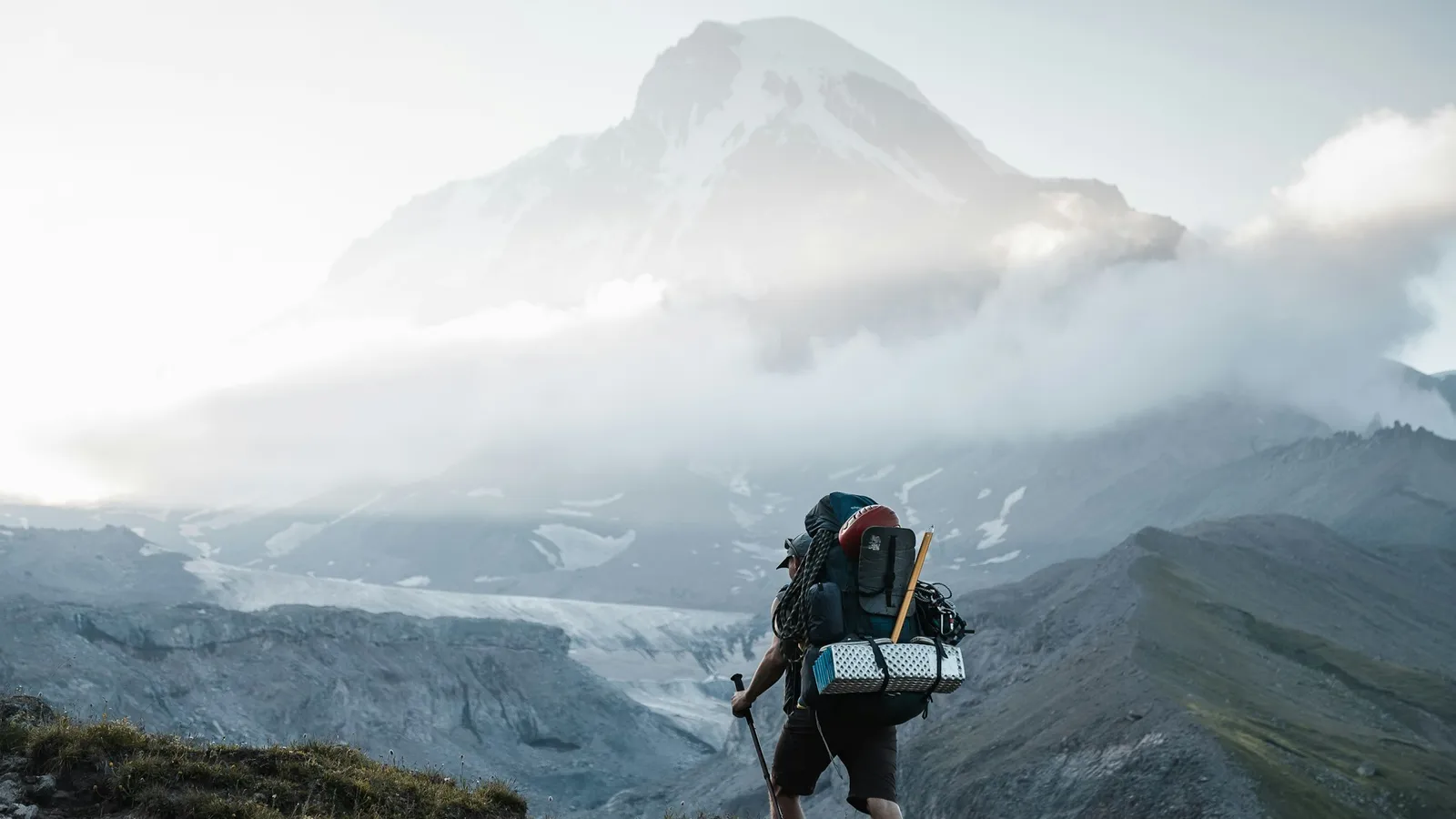
Anyone who has hiked from a cold campsite up to a sunny ridge knows the problem a base layer has to solve. You start the morning chilly, warm up within the first half hour of climbing, sweat through whatever is against your skin, and then cool down fast at the summit or when you stop for lunch. The layer closest to your body decides whether that cycle feels comfortable or miserable, because it is the one that either moves moisture away or holds it against you.
Three things set base layers apart: the fiber, the weight and the fit. Synthetic fabrics such as polyester and spandex blends wick moisture and dry quickly, merino wool regulates temperature and resists odor over several days, and fleece-brushed interiors trade breathability for warmth. Weight is usually described in GSM, grams per square meter, and a higher number means thicker, warmer fabric. Fit matters because a base layer works best when it sits close to the skin without squeezing.
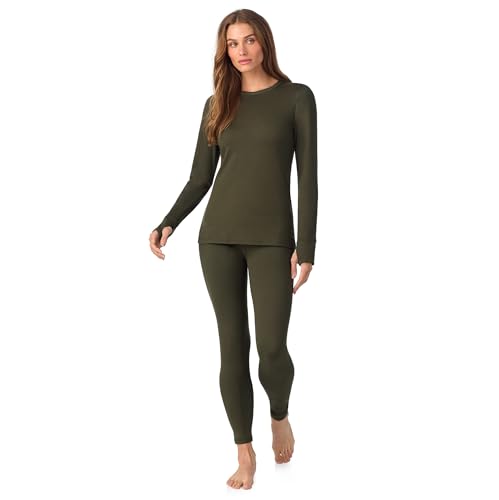
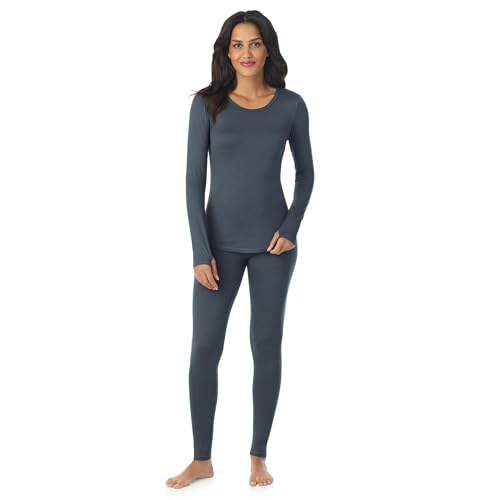
This guide compares five sets that RV campers and hikers can pack for trail days. We evaluated them on fiber, fabric weight, moisture and odor features, fit, how well each handles trail effort and price, from documented specifications and owner reports rather than trail testing. They include a 170 GSM lightweight set, a midweight merino set offered in three weights, a 235 GSM brushed fleece set, a two-pack of fleece-lined thermals and a budget fleece-lined set priced under ten dollars.
The key tradeoff in this group is warmth against breathability. Fleece-lined thermals feel wonderful at a cold trailhead and can become a sweat trap on a steady climb, while a lightweight set may leave you chilly at a summit stop. Your choice should depend on the temperatures you expect, how hard you hike and whether you plan to wear the same layer for several days at the campground, which is where merino's odor resistance earns its price.
Because several of these sets double as everyday cold-weather wear and pajamas, they are also useful for RV living, not just the trail. A set that works for a cold morning at the campsite, a chilly night in the coach and a full day of hiking gets used far more often than a specialist garment, and that spread of use is part of how we weighed value. The sections below match each set to a specific kind of hike, temperature and budget.
A note on expectations: base layers are the quietest part of a hiking kit, and the best ones are the ones you forget you are wearing. Judge a set by how it behaves when you are hot and wet, not by how soft it feels in the bag. Fit, stretch and fabric weight deserve more attention than the logo, and a plain set that matches the weather will out-perform a fancy one that does not.
Our standards
Why You Can Trust RV Gear Lab
At RV Gear Lab, we compare products based on campsite fit, verified specifications, usability, setup requirements, weight, durability, and real-world trade-offs. We do not rank products purely on marketing claims or commission rates.
We have not personally tested every product listed. Where hands-on testing is not available, recommendations are based on verified manufacturer specifications, product documentation, use-case fit, and comparative research.
How we review camping gear →