

We research everything we recommend. When you buy through our links, we may earn a commission. Learn more

Buying guide · 10 min read · Updated October 2, 2026

5 Best Hiking Shoes For Plantar Fasciitis in 2026: A Practical Camping Guide

Best hiking shoes for plantar fasciitis: orthotic-style trail shoes and boots with arch support and cushioning, plus one insole add-on, compared.

Danny WalkerBy Danny WalkerCamping Editor at RV Gear Lab5 products comparedSpec-sheet researched
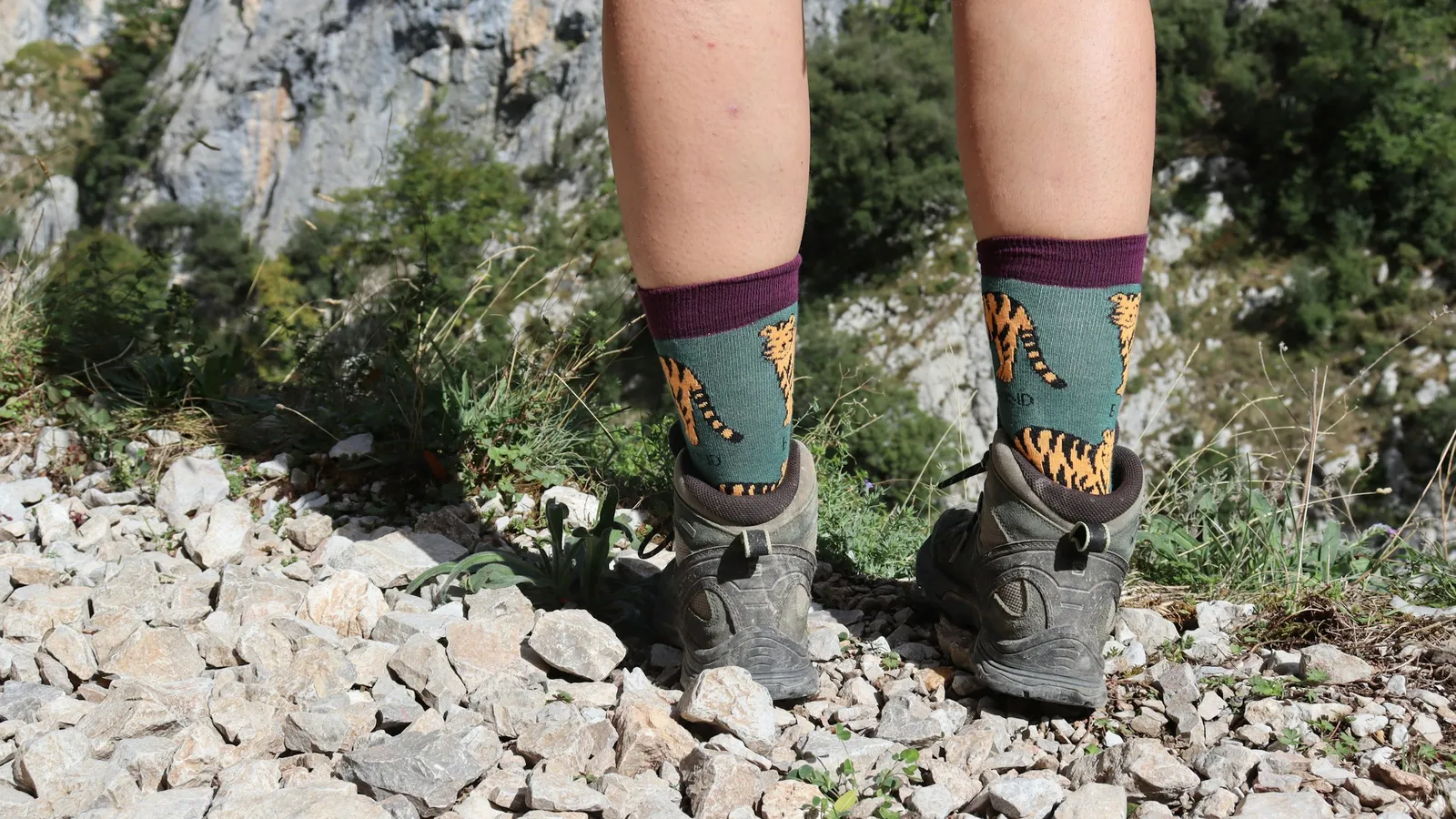
Hiking boots on a rocky mountain trail

At a glance

Our top picks

Plantar fasciitis turns a flat trail into a long day, so arch shape and heel cushioning matter more than weight or looks. This list is built around shoes whose listings name arch support or plantar fasciitis directly.

Four of the picks are full shoes or boots with orthotic-style insoles, and one is a gel insert you can drop into footwear you already own. They are ordered by how much structure and trail capability each one brings.

RV Gear Lab field notes

The Campsite Fit Check

Start with the job
R CORD Womens Wide Width Hiking Shoes Extra Comfort for Plantar Fasciitis Arch Support & All-Day Walking Brown leads this shortlist for Women needing wide, waterproof trail shoes. Use that fit as a reference point, then compare the alternatives against your own space and workload.
Specs that separate the picks
The first details to compare are Waterproof membrane, wide width, Orthotic arch support, waterproof, Orthotic insole, EVA midsole. Confirm the exact model and included components before ordering.
Trade-off to plan for
Women's sizing only

Before you buy

What Matters Before You Choose a Hiking Shoe For Plantar Fasciitis

Key buying criteria so you get the right fit the first time.

  1. 01

    Arch support wording

    Arch support is a shaped area under the midfoot that holds the arch up instead of letting it flatten under load. If your heel pain flares when the arch collapses, this is the feature that most changes how a day feels. Look for orthotic, contoured or arch support on the listing, not just the word comfort.

  2. 02

    Heel cushioning

    The heel takes the first strike of every step, so soft, shock-absorbing foam there reduces repeated impact. A thin midsole can feel fine on a short test and sore after six miles. Look for EVA, gel or thick cushioned midsole in the listing.

  3. 03

    Toe box width

    A narrow forefoot squeezes the foot and can make arch and heel pain worse by changing your stride. Wide or extra-wide shoes give toes room to spread when feet swell on long days. Check for a stated wide width or a wide toe box, and read the size options.

  4. 04

    Waterproof or breathable

    A waterproof membrane keeps rain out but holds heat in, while a mesh upper runs cooler and dries quickly. Pick based on your usual conditions, because a wet foot rubs and a hot foot swells. The listing should say membrane or waterproof, otherwise assume it is not.

  5. 05

    Ankle height and lacing

    A mid-cut collar steadies the ankle on roots and rocks, and adjustable lacing lets you loosen around a sore spot. Low shoes feel lighter but give less stability. Look for mid-ankle or low-cut in the title and lace-up on the listing.

Our standards

Why You Can Trust RV Gear Lab

At RV Gear Lab, we compare products based on campsite fit, verified specifications, usability, setup requirements, weight, durability, and real-world trade-offs. We do not rank products purely on marketing claims or commission rates.

We have not personally tested every product listed. Where hands-on testing is not available, recommendations are based on verified manufacturer specifications, product documentation, use-case fit, and comparative research.

How we review camping gear →

Detailed reviews

The 5 best hiking shoes for plantar fasciitis, explained

01
Best for: Women needing wide, waterproof trail shoes

Our take

The most trail-ready pick for sore arches. Wide cut, waterproof, with a grippy lug outsole.

Why it made the shortlist

The R CORD Wide Shoes are a women's wide-width mid-cut hiking shoe with a waterproof membrane, cushioned midsole and padded collar. The listing names plantar fasciitis arch support and describes deep rubber lugs for dirt, gravel and rock.

Against the OrthoComfoot Women's Wide, it adds a waterproof membrane and a mid-cut ankle design for root-covered ground. It also has a more traditional trail outsole than the Men's Orthopedic, which is built closer to a sneaker.

It suits women who need wide room and arch support on real trails in damp weather. The lace-up closure lets you tune volume around a sore heel.

What works

  • Wide width suits swollen or broad feet
  • Waterproof membrane for rainy trails
  • Cushioned midsole and padded collar
  • Mid-cut cuff steadies uneven ground

Watch out for

  • Women's sizing only
  • Brown colorway listed, limited choices
The catch
It is sold as a women's shoe, and the listing shows no removable insole detail.
02
Best for: Men needing a supportive wide boot

Our take

Boot-level ankle support with an orthotic footbed. A good choice for rough, wet trails.

Why it made the shortlist

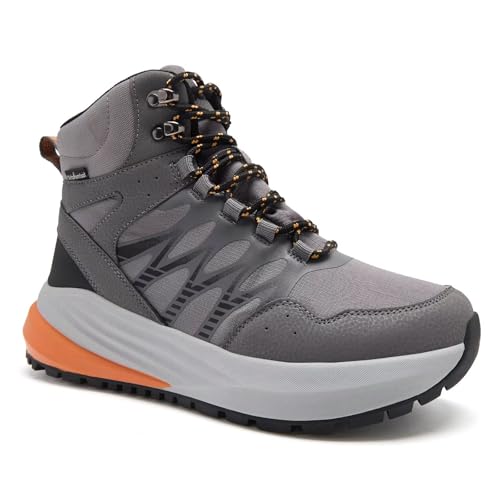
The OrthoComfoot Wide Boots are a men's extra-wide mid hiking boot with a waterproof upper and waterproof sock liner. The listing describes built-in orthotic arch support, cushioned insoles and a wide toe box with room for bunions and hammertoes.

Compared with the R CORD Wide Shoes, it gives men the same waterproof protection in a taller mid-ankle cut with an adjustable lacing system. Next to the OrthoComfoot Men's Orthopedic, it trades a sneaker feel for more ankle structure.

It suits men with foot pain who want boot-level support for rough ground. The listing claims static water resistance for up to 4 hours.

What works

  • Extra-wide toe box for bunions
  • Waterproof upper plus sock liner
  • Built-in orthotic arch support
  • Mid-ankle design for stability

Watch out for

  • Heavier feel than low shoes
  • Water resistance stated for 4 hours only
The catch
The listing limits water resistance to about 4 hours of static exposure, so it is not a stream-crossing boot.
03
Best for: Dry-weather hikes and daily walking

Our take

A light, breathable orthotic shoe for dry trails. It works for walking days too.

Why it made the shortlist

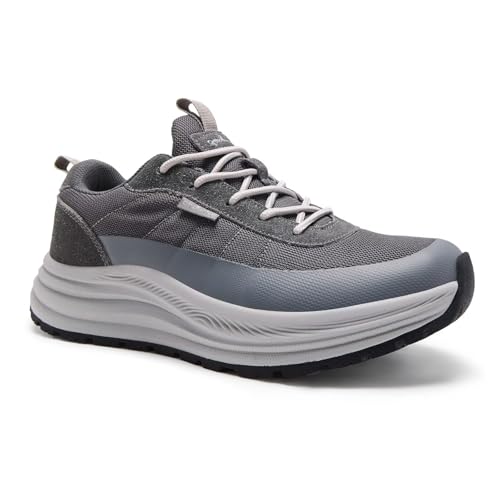
The OrthoComfoot Men's Orthopedic is a low trail sneaker with a contoured orthotic insole, a high-density EVA midsole and a breathable mesh and PU upper. The outsole has deep multi-directional treads for wet and rocky ground.

It is lighter and cooler than the OrthoComfoot Wide Boots and has no waterproof liner. Against the R CORD Wide Shoes, it gives a sportier everyday look that moves from trail to errands.

It suits men who walk or hike on dry, moderate trails and want arch support in a low shoe. The listing also mentions composite toe construction for some versions.

What works

  • Shock-absorbing EVA midsole
  • Breathable upper keeps feet cool
  • Contoured orthotic insole
  • Looks fine away from the trail

Watch out for

  • No waterproof membrane
  • Low cut offers little ankle support
The catch
There is no waterproofing or ankle structure, so it is for dry, moderate terrain.
04

Best Wide Lightweight · 4 of 5

Women's Orthopedic Wide Trekking Hiking Shoes

Women's Orthopedic Wide Trekking Hiking Shoes
  • Wide fit, orthopedic arch support
  • Breathable, smooth mesh lining
  • Thick cushioned midsole
Check price on Amazon for Women's Orthopedic Wide Trekking Hiking Shoes (opens in a new tab)
Best for: Women wanting wide, light dry-trail shoes

Our take

A comfortable wide shoe for dry hikes and long days on your feet.

Why it made the shortlist

The OrthoComfoot Women's Wide is a lightweight trekking shoe with a roomy wide construction and a contoured orthopedic arch support. The listing describes a soft breathable mesh lining, a thick cushioned midsole and a textured rubber outsole.

Against the R CORD Wide Shoes, it is lighter and cooler with no waterproof membrane or mid-cut collar. Compared with the OrthoComfoot Men's Orthopedic, it adds a wider forefoot and a diabetic-friendly lining claim.

It suits women who want a low, easy shoe for dry trails and workdays on their feet. The lining is described as smooth to limit friction points.

What works

  • Wide fit avoids squeezing
  • Smooth lining limits friction spots
  • Thick midsole absorbs impact

Watch out for

  • Not waterproof
  • Low cut gives no ankle support
The catch
It lacks a waterproof membrane and any ankle structure.
05
PROFOOT Plantar Fasciitis Orthotic Insoles for Women
  • Gel heel insert, arch support
  • Sizes 6 to 10 (women's)
  • Free exercise guide included
Check price on Amazon for PROFOOT Plantar Fasciitis Orthotic Insoles for Women (opens in a new tab)
Best for: Adding cushioning to existing boots

Our take

A cheap way to add heel cushioning to boots you already own.

Why it made the shortlist

The PROFOOT Insoles are a gel heel and arch insert for women's sizes 6 to 10. The listing says the gel cushions the heel, supports the width of the plantar fascia and suits high arches and flat feet.

It costs a fraction of any full shoe here and comes with a free exercise guide.

Trim it to fit and drop it in.

What works

  • Very low cost to try
  • Gel cushions the heel
  • Fits many existing shoes
  • Exercise guide included

Watch out for

  • Insert only, not a hiking shoe
  • Women's sizing range only
The catch
It is an insole, not footwear, and may not fit shoes with a thick factory footbed.

Methodology

How We Built This Shortlist

Each pick was assessed across 5 criteria weighted for real-world use.

01

Arch support

Listings that name orthotic or arch support were prioritized.

02

Heel cushioning

Midsole material and padding were compared for impact absorption.

03

Width and toe room

Wide or roomy fits were weighed for swollen or tender feet.

04

Trail capability

Outsole lugs, waterproofing and ankle height were compared.

05

Honest claims

Only features the listings actually state are credited here.

Decision guide

Match a Hiking Shoe For Plantar Fasciitis to Your Camp Setup

By Foot Need

Your situationRecommended pickWhy
Wide, waterproof women's trail shoeR CORD Wide ShoesMembrane, wide width and mid-cut.
Men needing boot support and wide toe roomOrthoComfoot Wide BootsExtra-wide toe box and orthotic footbed.
Men on dry, moderate trailsOrthoComfoot Men's OrthopedicLight, breathable orthotic shoe.
Women wanting a wide, light shoeOrthoComfoot Women's WideRoomy fit with smooth lining.
Keeping the boots you ownPROFOOT InsolesGel heel cushioning insert.

By Budget

BudgetRecommended pick
$0 to $60PROFOOT Insoles or OrthoComfoot Women's Wide
$60 to $70OrthoComfoot Men's Orthopedic or R CORD Wide Shoes
$70 to $80OrthoComfoot Wide Boots

Shoe vs Boot

Shoe

Lower cut, lighter and cooler with less ankle structure. OrthoComfoot Men's Orthopedic and OrthoComfoot Women's Wide.

Boot or mid-cut

Taller collar adds stability and waterproofing but more weight. R CORD Wide Shoes and OrthoComfoot Wide Boots.

Most people with sore arches should pick the R CORD Wide Shoes or OrthoComfoot Wide Boots for rough trails, and the low shoes for easy dry paths.

By Budget

BudgetRecommended pick
Cheapest trial of cushioningPROFOOT Insoles
Lowest price full shoeOrthoComfoot Women's Wide
Lightweight men's shoeOrthoComfoot Men's Orthopedic
Waterproof wide trail shoeR CORD Wide Shoes
Full boot with orthotic footbedOrthoComfoot Wide Boots

For Long Hiking Days on Sore Feet Specifically

Look for

Arch support, thick midsole, a wide toe box and adjustable lacing.

In this comparison

The R CORD Wide Shoes and OrthoComfoot Wide Boots pair arch support with ankle structure, while PROFOOT Insoles adds heel gel to existing boots.

When to Spend More

Spend more if

Spend more on the OrthoComfoot Wide Boots or R CORD Wide Shoes if you hike wet, rough ground and need waterproofing and ankle support.

Save if

Save with the OrthoComfoot Women's Wide or PROFOOT Insoles if your trails are dry and short.

FAQ

Before You Bring One Home

Can hiking shoes cure plantar fasciitis?

No shoe is a cure. These listings describe arch support and cushioning designed to ease discomfort, and anyone with ongoing heel pain should talk to a clinician.

What is the biggest mistake buyers make?

Choosing on cushioning alone. A soft midsole without arch structure can still let the arch collapse, so look for named arch support too.

Is a boot better than a shoe for heel pain?

A mid-cut boot adds stability on rough ground, and shoes win for weight and breathability. Match the cut to your terrain.

How should I try these on?

Wear the socks you hike in and shop late in the day when feet are largest. Walk on an incline and check for heel slip.

How do I care for orthotic footbeds?

Air them out after each hike and let them dry away from heat. Replace a footbed that flattens or cracks.

Bottom line

The short version

Browse more hiking shoes for plantar fasciitis on Amazon →
Danny Walker, Camping Editor at RV Gear Lab

About the author

Danny Walker

Camping Editor at RV Gear Lab

Danny covers camping gear, campsite setup, outdoor power, sleep systems and practical camping advice, with a focus on helping campers make better gear decisions.

More from Danny →Editorial standards

Keep reading

Related guides