



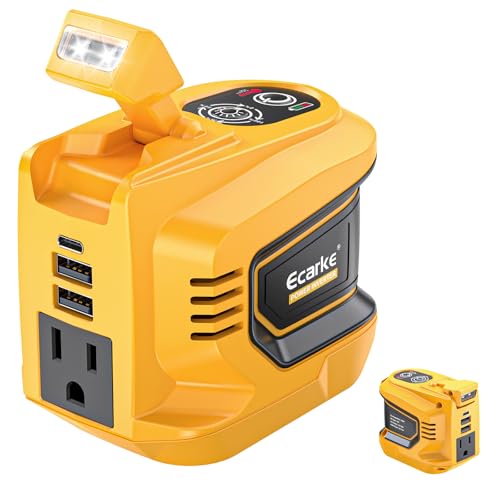


- Capacity: 89.6Wh
- Continuous output: 100W
- Surge output: 200W
- Listed weight: 2.54 lb
Our take
The buyer should test the exact load list for at least one full session instead of relying on the runtime claim.
Why it made the shortlist
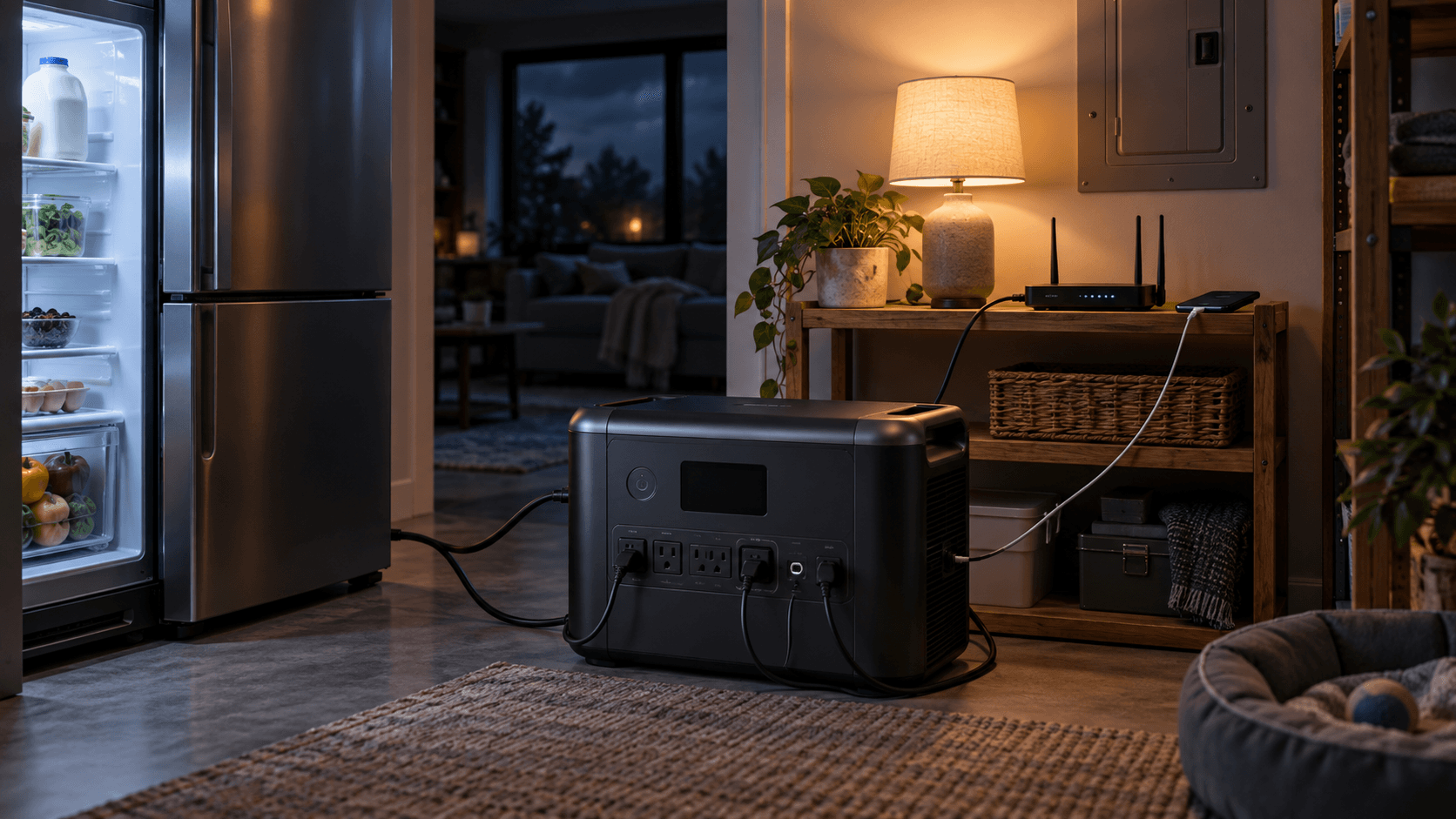
89.6Wh is closer to a high-capacity emergency battery than a true appliance station, so its value is keeping small essentials alive without taking much shelf or car space. Its best use is a planned low-draw kit where the buyer knows which devices matter first.
Runtime should be estimated from the actual device wattage, because small stations can look generous until several low-draw devices run together for hours. 100W output is intentionally narrow; it is useful for electronics, not kettles, heaters, microwaves, or refrigerator startup.
It makes the most sense when convenience, quiet operation, and price control matter more than appliance coverage.
What works
- Balanced specification mix suits most general buyers
- LFP chemistry improves expected cycle durability
- 2.54 lb weight stays easy to carry
- 89.6Wh keeps the battery reasonably portable
Watch out for
- Balanced design may not lead every specification
- Solar capability adds separate panel expense
- 89.6Wh limits refrigerator and overnight CPAP runtime