

We research everything we recommend. When you buy through our links, we may earn a commission. Learn more

Buying guide · 10 min read · Updated October 2, 2026

3 Best 40 Degree Synthetic Sleeping Bags in 2026: A Practical Camping Guide

Three 40F bags for warm-weather camping: Kelty Cosmic Synthetic, the budget Kelty Mistral and the Coleman Biscayne, with advice on synthetic fill.

Danny WalkerBy Danny WalkerCamping Editor at RV Gear Lab3 products comparedSpec-sheet researched
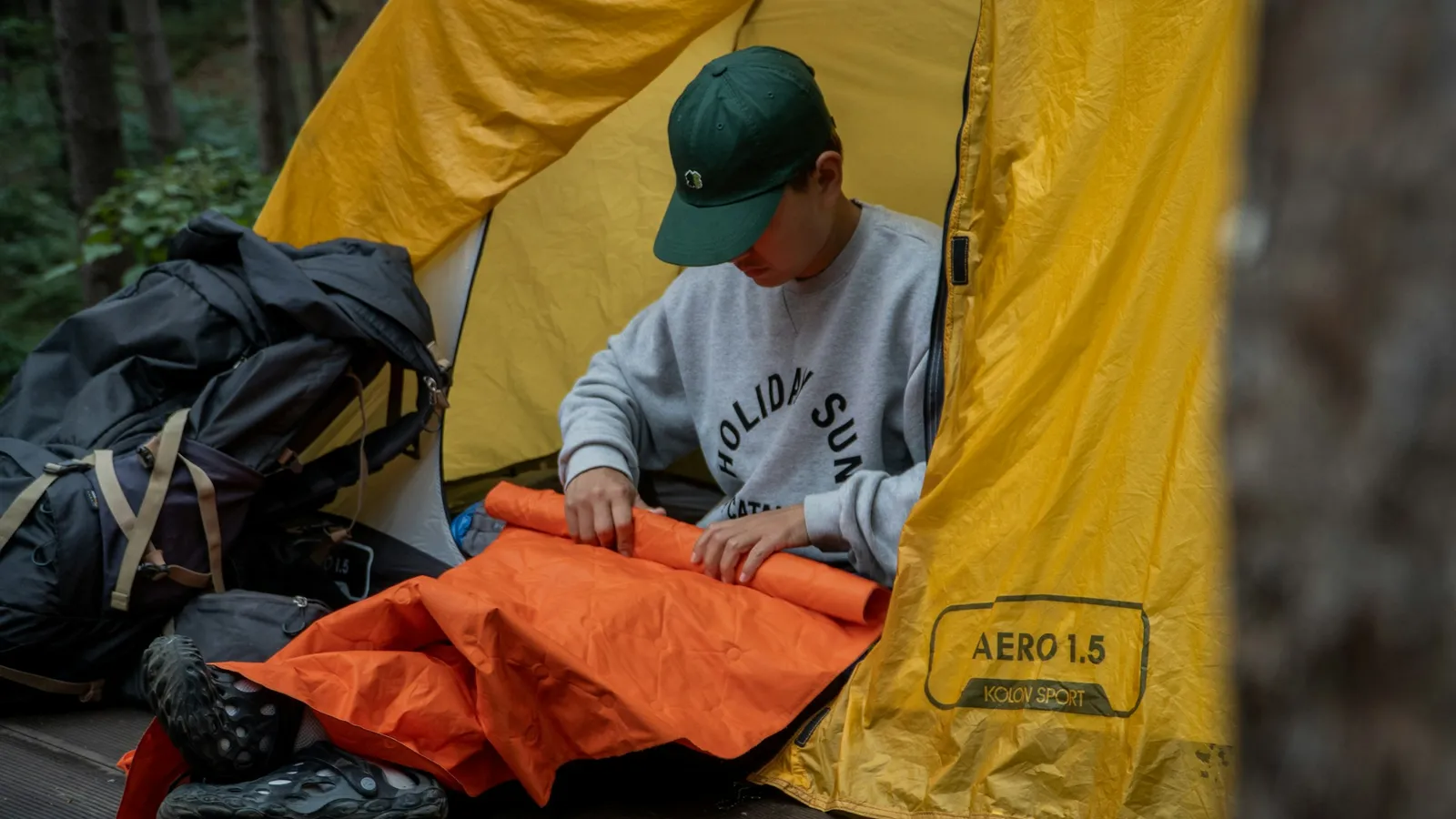
Camper sitting inside a tent next to an unrolled sleeping bag

At a glance

Our top picks

Synthetic fill is the safer choice when a tent gets damp, and 40F is the classic summer and shoulder-season rating. Few listings state both clearly, so this guide covers three bags: a Kelty Cosmic Synthetic that names its fill, a Kelty Mistral that names Cloudloft, and a Coleman that does not name its fill.

Because the list is short, each entry says plainly what the listing does and does not state. That keeps the choice honest for a first bag or a spare.

RV Gear Lab field notes

The Campsite Fit Check

Start with the job
Kelty Cosmic Synthetic Fill 40 Degree Backpacking Sleeping Bag with Compression Straps leads this shortlist for Summer synthetic backpackers. Use that fit as a reference point, then compare the alternatives against your own space and workload.
Specs that separate the picks
The first details to compare are 40 degree synthetic, 24 oz fill, 40 degree, Cloudloft fill, 40F, fits to 6 ft 4 in. Confirm the exact model and included components before ordering.
Trade-off to plan for
Rated only to 40 degrees

Before you buy

What Matters Before You Choose a 40 Degree Synthetic Sleeping Bag

Key buying criteria so you get the right fit the first time.

  1. 01

    What synthetic fill does well

    Synthetic insulation keeps more warmth when damp and dries faster than down. It is also easier to wash and usually costs less. Look for a named fill such as Cirroloft or Cloudloft rather than a vague label like polyester fiber.

  2. 02

    What 40 degrees means

    A 40 degree rating is a lower limit for a typical sleeper, so comfort sits warmer. It suits summer and mild fall nights. Treat it as a summer bag and carry a liner for cool spells.

  3. 03

    Fill weight and packed size

    Fill weight tells you how much insulation is inside, and stuff size tells you how much pack space it takes. A bag with 24 oz of fill and a 15 x 8 inch stuff size is easy to plan around. If a listing prints neither, weigh and measure it yourself.

  4. 04

    Quilted layout

    How the fill is stitched decides whether cold spots form at the seams. Offset quilting spreads the fill evenly, while shifting fill leaves thin areas. Check the listing for the construction method by name.

  5. 05

    Fit and footbox

    A tight footbox pins your toes and chills them. Look for a stated fit height and a spacious or natural footbox. Taller campers should compare the printed length to their own.

Our standards

Why You Can Trust RV Gear Lab

At RV Gear Lab, we compare products based on campsite fit, verified specifications, usability, setup requirements, weight, durability, and real-world trade-offs. We do not rank products purely on marketing claims or commission rates.

We have not personally tested every product listed. Where hands-on testing is not available, recommendations are based on verified manufacturer specifications, product documentation, use-case fit, and comparative research.

How we review camping gear →

Detailed reviews

The 3 best 40 degree synthetic sleeping bags, explained

01
Best for: Summer synthetic backpackers

Our take

The only pick that prints fill weight, total weight and stuff size.

Why it made the shortlist

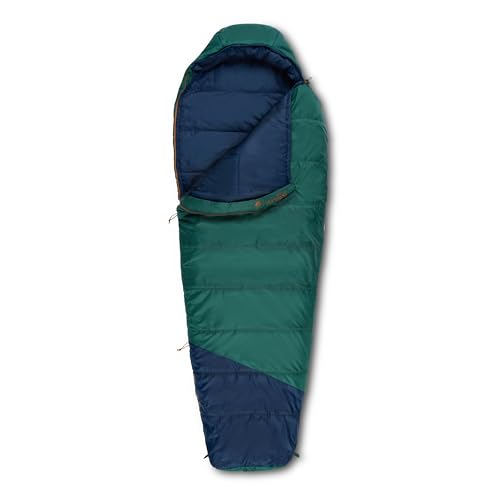
Kelty prints the numbers on the Cosmic Synthetic: 24 oz of Cirroloft synthetic fill, a 2 lb 6 oz total weight and a 15 x 8 inch uncompressed stuff size. The 40 degree regular fits sleepers up to 6 feet, and an integrated compression sack is included.

Next to the Kelty Mistral, it documents fill weight and packed size, so you can plan a pack around it.

A strong pick for summer backpackers and shoulder-season campers who want synthetic insulation they can read on paper. It suits damp climates where down is a worry.

What works

  • Fill, weight and stuff size printed
  • Integrated compression stuff sack
  • Spacious footbox
  • Stash pocket for small items

Watch out for

  • Rated only to 40 degrees
  • Needs compression for small packs
The catch
At 40 degrees it is a warm-night bag, so cold snaps need something warmer.
02

Best Budget Kelty · 2 of 3

Kelty Mistral Down Sleeping Bag

Kelty Mistral Down Sleeping Bag
  • 40 degree, Cloudloft fill
  • 68D recycled taffeta
  • Offset quilt layout
Check price on Amazon for Kelty Mistral Down Sleeping Bag (opens in a new tab)
Best for: Budget Kelty buyers

Our take

A Kelty 40 degree bag with an evenly quilted layout at a lower cost.

Why it made the shortlist

The Mistral is a Kelty 3-season bag rated 40 degrees in the regular size, with 68D recycled taffeta polyester on shell and liner. The bullets name Cloudloft synthetic insulation and an offset quilt pattern that spreads fill evenly.

It costs less than the Kelty Cosmic Synthetic 40 and gives up the printed fill weight and stuff size.

A good fit for casual campers who want Kelty quality at a lower price.

What works

  • Named Cloudloft synthetic insulation
  • Recycled polyester shell and liner
  • Offset quilting avoids cold spots

Watch out for

  • Title says down, bullets say synthetic
  • No weight or stuff size printed
The catch
The title and bullets describe the fill differently, so read the tag before buying.
03

Best for Tall Campers · 3 of 3

Coleman Biscayne Big & Tall 40°F Sleeping Bag

Best for: Tall car campers

Our take

The tallest fit and the easiest care of the three.

Why it made the shortlist

The Coleman Biscayne is a 40F bag that fits adults up to 6 feet 4 inches. It has a Thermolock draft tube along the zipper, locking fasteners for rolling, and a stuff sack in the box.

It is the roomiest fit here and the lowest in price of the three, with machine washable care.

A sensible pick for taller campers who car camp in mild weather and do not need a pack-friendly size. It cleans easily in a home washer.

What works

  • Fits campers to 6 ft 4 in
  • Draft tube along the zipper
  • Machine washable
  • Locking fasteners ease packing

Watch out for

  • Fill type is not named
  • No weight or packed size printed
The catch
The listing never names the fill, so check the tag for synthetic before relying on it.

Methodology

How We Built This Shortlist

Each pick was assessed across 5 criteria weighted for real-world use.

01

Fill clarity

We checked whether each listing names its insulation or leaves the reader guessing.

02

Printed numbers

We looked for fill weight, total weight and stuff size, which let you plan a pack.

03

Rating scope

We read the 40 degree figure as a season-limited number and noted the season label.

04

Fit height

We compared stated sleeper heights, since a short bag chills your feet.

05

Care and price

We weighed washing instructions and price between the three.

Decision guide

Match a 40 Degree Synthetic Sleeping Bag to Your Camp Setup

By Camping Style

Your situationRecommended pickWhy
Backpacking on a summer tripKelty Cosmic Synthetic 40Prints weight and stuff size
Budget car campingKelty Mistral 40FLower price with named synthetic fill
Tall camper in a car campColeman Biscayne 40F Big & TallFits to 6 ft 4 in
Damp climate, want named fillKelty Cosmic Synthetic 40Names Cirroloft synthetic

By Budget

BudgetRecommended pick
$50 to $60Coleman Biscayne 40F Big & Tall
$60 to $70Kelty Mistral 40F
$70 to $80Kelty Cosmic Synthetic 40

Named Fill vs Unnamed Fill

Named

The Kelty Cosmic Synthetic 40 and Kelty Mistral 40F both name their insulation, so you know what you are buying.

Unnamed

The Coleman Biscayne 40F Big & Tall does not name its fill on the listing, so you rely on the tag and brand.

Choose the Kelty Cosmic Synthetic 40 for documented synthetic fill and the Coleman Biscayne 40F Big & Tall for a long fit at a low price.

By Budget

Price tierRecommended pick
Under 60 dollarsColeman Biscayne 40F Big & Tall
60 to 70 dollarsKelty Mistral 40F
Over 70 dollars, best documentationKelty Cosmic Synthetic 40

Damp-Weather Camping Specifically

Look for

A named synthetic fill and a water-resistant shell.

In this comparison

The Kelty Cosmic Synthetic 40 names Cirroloft, and the Kelty Mistral 40F lists a recycled taffeta shell with Cloudloft fill.

When to Spend More

Spend more if

Spend more on the Kelty Cosmic Synthetic 40 if you carry the bag and want printed weight and stuff size.

Save if

Save with the Coleman Biscayne 40F Big & Tall for car camping, where pack size does not matter.

FAQ

Before You Bring One Home

Is a 40 degree synthetic bag enough for summer?

Yes for most summer nights and mild shoulder seasons. Below about 45F you will want a liner or layers. The Kelty Cosmic Synthetic 40 is labeled 2-season for that reason.

What do buyers get wrong about synthetic bags?

They assume all synthetic fill is the same. Fill weight, quilting and shell all change warmth. Compare the printed numbers, not just the word synthetic.

Is the Kelty Cosmic worth over the Mistral?

If you backpack, yes, because it prints weight and stuff size. For car camping, the Kelty Mistral 40F is cheaper and does the basics. Read the fill label on either.

How do I set up a bag in a tent?

Shake it out before bed so the fill lofts, and lay it over a pad. Keep it off damp tent walls. Use the compression sack only for transport.

How do I store a synthetic bag?

Store it loose in a large breathable sack, not compressed. Wash on gentle cold if the label allows, as the Coleman Biscayne 40F Big & Tall states. Dry it fully first.

Bottom line

The short version

Browse more 40 degree synthetic sleeping bags on Amazon →
Danny Walker, Camping Editor at RV Gear Lab

About the author

Danny Walker

Camping Editor at RV Gear Lab

Danny covers camping gear, campsite setup, outdoor power, sleep systems and practical camping advice, with a focus on helping campers make better gear decisions.

More from Danny →Editorial standards

Keep reading

Related guides