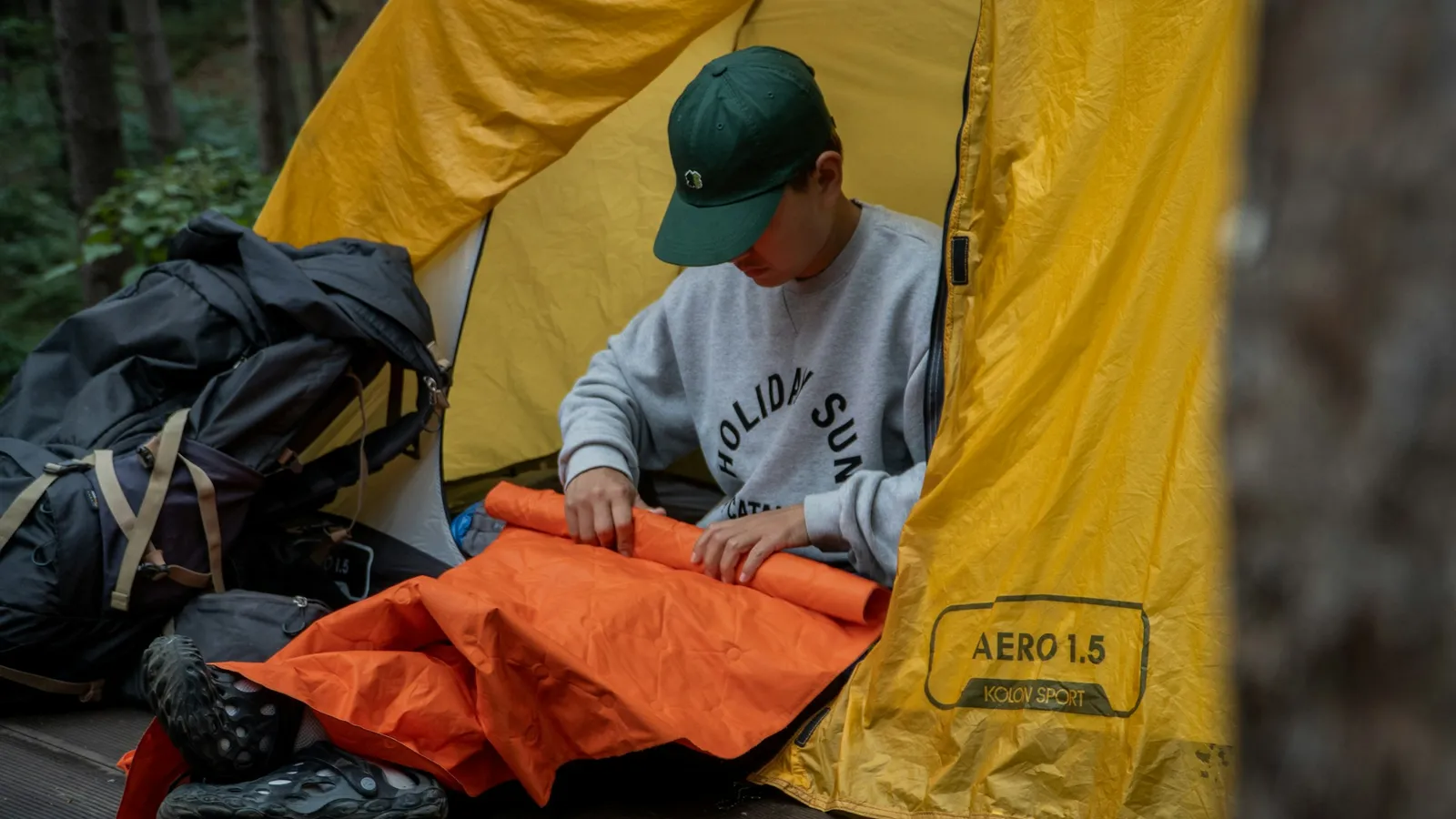
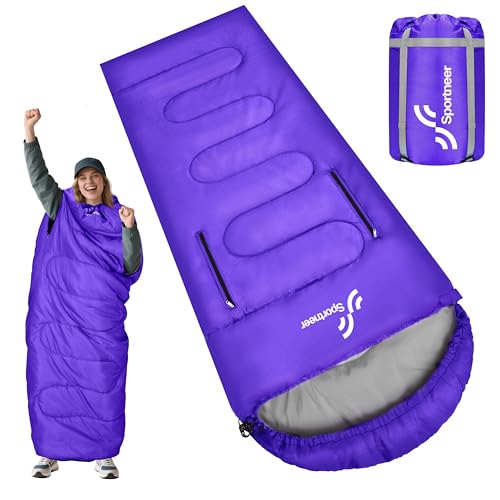
A mummy sleeping bag tapers from broad shoulders to a narrow foot box, and that shape is the reason it exists. Less empty space inside means less air for your body to warm, so a mummy holds heat better than a rectangular bag of the same weight and packs smaller in a trunk, a truck bed or the bottom of a bike pannier. For RV owners the appeal is practical: a lightweight mummy takes almost no room in a storage bay, works as a spare bag for an unexpected overnight guest and covers short backpacking side trips from the campground without a new gear purchase.
The word lightweight deserves skepticism, though. Listings use it for anything from a 2.9 pound synthetic bag to a 4.4 pound wearable one, and neither is light by thru hiker standards. The more important number is the temperature range. Many budget mummy bags print a comfort range that starts at 42 degrees Fahrenheit or higher, which means a chilly 35 degree night is outside the design. A bag that states its range clearly is easier to plan with than one that hides behind a name like cold weather.
Fill and shape details finish the picture. Synthetic fills dry faster and tolerate dampness better than cotton, down is lighter but needs care and costs more, and the cut decides whether tall sleepers fit. RV Gear Lab compared two options in this category: the Nature Link 2.87 pound mummy at $29.99 and the Sportneer wearable bag at $35.09. We evaluated stated weight, packed size, temperature range, zipper and hood design and price, then matched each bag to a trip type.
This guide also teaches you how to judge any mummy bag you meet in a store or listing. The criteria and scenario tables below work as a checklist you can reuse, and the recommendations show which of the two picks fits mild backpacking, camp chair lounging, kids' sleepovers or RV guest use.
Ground insulation deserves a mention, since it often matters more than the bag. A sleeping bag's fill compresses under your body weight and does very little underneath you, so the cold of a camp floor, a truck bed liner or a thin cot pad creeps through regardless of the printed range. Pairing either bag here with an insulated pad is the cheapest way to gain real degrees of warmth, and it is worth budgeting a few dollars for one before you spend more on the bag itself.
Think too about humidity. A bag stored in a damp RV bay or used in a tent with heavy condensation picks up moisture, and moisture takes away warmth. Synthetic fills cope better than cotton or down, which is one reason the two options here suit camper life. Airing the bag in the sun between trips and keeping it away from a leaky roof hatch extends its useful life considerably.
Our standards
Why You Can Trust RV Gear Lab
At RV Gear Lab, we compare products based on campsite fit, verified specifications, usability, setup requirements, weight, durability, and real-world trade-offs. We do not rank products purely on marketing claims or commission rates.
We have not personally tested every product listed. Where hands-on testing is not available, recommendations are based on verified manufacturer specifications, product documentation, use-case fit, and comparative research.
How we review camping gear →