A hundred dollars buys a surprisingly capable sleeping bag, as long as you accept what that money is for. At this price you are shopping for car campers, RV guest beds and backyard sleepovers, not ultralight mountain gear, and the useful questions change accordingly. How cold will the nights really be? How big is the sleeper? Will the bag live in a camper bay or ride in a pack? A bag that answers those questions beats a more expensive bag that answers none of them.
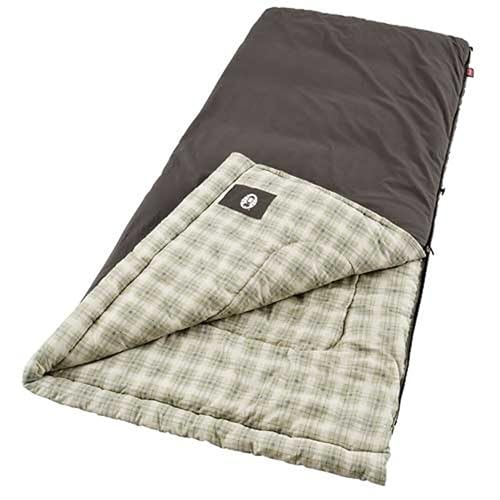
Temperature ratings are where budget shoppers get burned. A rating printed on a bag is not a promise of comfort at that number, and many cheap bags print a range such as 50 to 68 degrees Fahrenheit, which tells you plainly that they are warm weather products. The Coleman in this guide stands apart with a 10 degree rating, and it carries about 5 pounds of fill to match, so it belongs in a truck or a trailer rather than on your back. Size is the second gotcha. Roomy bags suit side sleepers and bigger adults, and snug bags keep you warmer per ounce.
Lining and shell fabric round out the choice. Cotton flannel feels soft and cozy against the skin and dries slowly, while polyester shells feel slick and shed moisture. A wipe clean shell is a real convenience for kids, and a compression sack makes a difference when storage is tight in a camper cabinet.
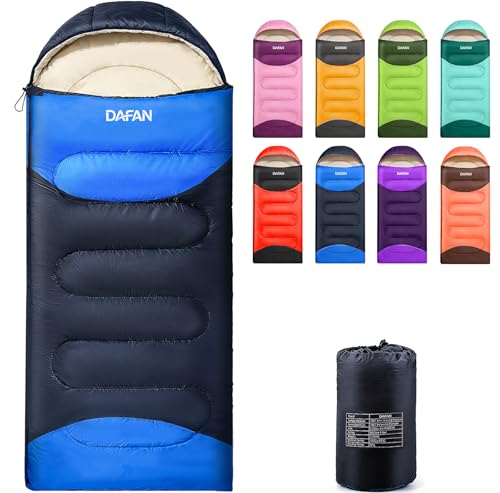
RV Gear Lab compared four bags under $100: the Coleman Heritage Big and Tall 10F flannel bag at $67.58, a 100 percent cotton flannel XXL bag at $39.99, the MalloMe bag at $24.69 and a lightweight 190T polyester bag at $17.99. We researched stated ratings, dimensions, weight, lining and extras, then matched each bag to the weather and sleeper it suits.
Layering decisions often matter more than the bag itself. A sleeping pad under the bag adds the missing insulation from the ground, a fleece liner adds several degrees and a warm hat keeps heat from escaping through your head. Together they can stretch a budget bag across a wider temperature range than its label suggests, which is a far cheaper approach than buying a colder rated bag you will rarely need.
Think about care as well. Cotton flannel bags take a long time to dry, so a tent or camper that gets damp overnight means a slow morning of airing the bag out. Polyester shells shed moisture and dry faster, which makes them handy for kids and for trips with surprise rain. Pick the shell that suits your weather habits, and keep a clothesline or a bag stand handy at camp.
Finally, consider how often the bag will really be used. A bag that sees two trips a year can be simple and cheap, while one that sleeps a family every weekend deserves a sturdier zipper and a washable build.
Our standards
Why You Can Trust RV Gear Lab
At RV Gear Lab, we compare products based on campsite fit, verified specifications, usability, setup requirements, weight, durability, and real-world trade-offs. We do not rank products purely on marketing claims or commission rates.
We have not personally tested every product listed. Where hands-on testing is not available, recommendations are based on verified manufacturer specifications, product documentation, use-case fit, and comparative research.
How we review camping gear →