

We research everything we recommend. When you buy through our links, we may earn a commission. Learn more

Buying guide · 10 min read · Updated October 2, 2026

5 Best Sleeping Pads Under 75 in 2026: A Practical Camping Guide

Best sleeping pads under $75: five car-camping and backpacking pads, from a 6 inch double to a 396 g foam mat, compared on thickness, size and packed bulk.

Danny WalkerBy Danny WalkerCamping Editor at RV Gear Lab5 products comparedSpec-sheet researched
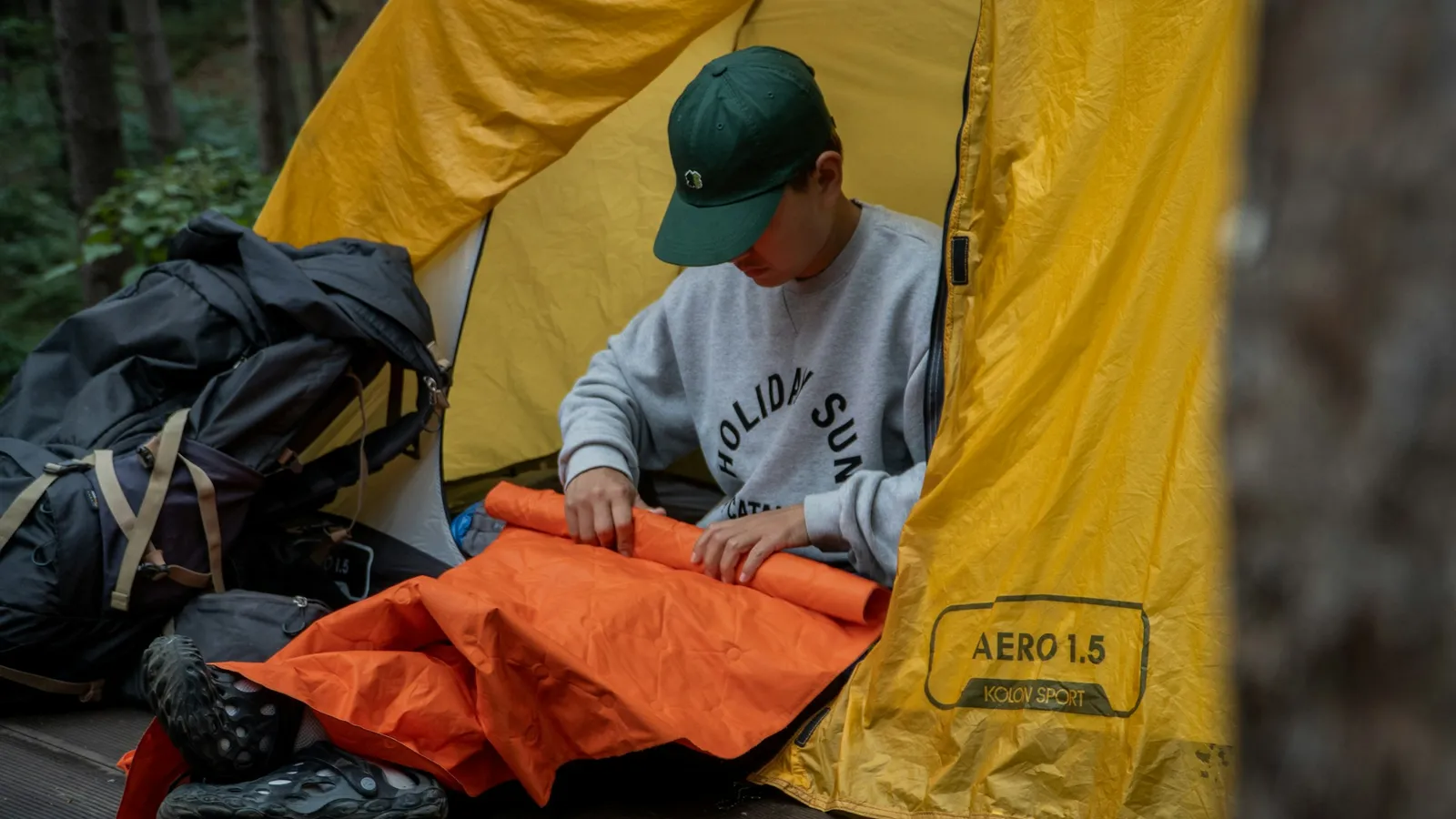
Camper sitting inside a tent next to an unrolled sleeping bag

At a glance

Our top picks

Seventy-five dollars buys real comfort in a sleeping pad: three inches of self-inflating foam, a six-inch double, or a foam mat light enough to carry. The five here run from about $27 to $56, and the right one depends on whether you drive to camp or walk.

The ranking weighs thickness, width and packed size against price, with the top spot going to the pad that gives the most comfort per dollar. The foam mats are placed by weight and durability, and the wide inflatable by who shares the tent.

RV Gear Lab field notes

The Campsite Fit Check

Start with the job
Wevelel Memory Sleeping Pad leads this shortlist for Car camping comfort. Use that fit as a reference point, then compare the alternatives against your own space and workload.
Specs that separate the picks
The first details to compare are 3.1 inch memory foam, 79 x 55 x 6 inches, 76 x 25 x 0.75 inches. Confirm the exact model and included components before ordering.
Trade-off to plan for
Heavier than a foam mat

Before you buy

What Matters Before You Choose a Sleeping Pad Under 75

Key buying criteria so you get the right fit the first time.

  1. 01

    Thickness and sleeping position

    Pad thickness decides how much pressure your hips and shoulders feel. A side sleeper needs roughly 3 inches of cushion to keep the hip off the ground, while a back sleeper can manage on 1 to 2 inches. Look for the inflated thickness in the product title or specs, because foam weight alone does not tell you how thick the pad really is.

  2. 02

    Width and length

    Many pads are 20 to 25 inches wide, which fits most adults only if they lie still, and a 27 to 30 inch pad gives room to roll over. A pad shorter than your body leaves your feet on cold ground. Measure your height, add about 4 inches, and compare that with the stated length and width, especially if you toss at night.

  3. 03

    Insulation and R-value

    R-value measures resistance to heat flow into the cold ground, and higher is warmer. A figure like the advertised 9.5 on the Wevelel 3.1 Inch Memory Pad would be unusually high, so treat any very large number with caution and check it against pad thickness. Look for a stated R-value in the title or bullets, and pick a higher number for winter use.

  4. 04

    Pack size and weight

    A foam mat like the THINTON weighs 396 grams and folds into a square block, while a 3 inch self-inflating pad weighs several pounds and rolls into a bulky cylinder. If you walk to camp, every pound counts, but if you drive, the extra comfort is free. Check the stated weight and rolled dimensions before you decide which pad fits your trunk or pack.

  5. 05

    Durability

    Closed-cell foam shrugs off thorns and rocks and cannot go flat, while an air or self-inflating pad can leak from one pinhole and leave you on the ground. Foam wears by compressing over years, and a self-inflating pad needs a valve that seals. Look for a patch kit or warranty on inflatables, and expect foam mats to last through rougher use.

Our standards

Why You Can Trust RV Gear Lab

At RV Gear Lab, we compare products based on campsite fit, verified specifications, usability, setup requirements, weight, durability, and real-world trade-offs. We do not rank products purely on marketing claims or commission rates.

We have not personally tested every product listed. Where hands-on testing is not available, recommendations are based on verified manufacturer specifications, product documentation, use-case fit, and comparative research.

How we review camping gear →

Detailed reviews

The 5 best sleeping pads under 75, explained

01

Best Value Under $75 · 1 of 5

Wevelel Memory Sleeping Pad

Wevelel Memory Sleeping Pad
  • 3.1 inch memory foam
  • 77 x 26.98 inches
  • 30 second self-inflation
Check price on Amazon for Wevelel Memory Sleeping Pad (opens in a new tab)
Best for: Car camping comfort

Our take

The most comfort for the money below $75.

Why it made the shortlist

The Wevelel is a self-inflating memory foam pad that measures 77 by 26.98 inches and 3.1 inches thick. Its 50D foam is advertised as denser than the 19D foam in many camping pads, and it inflates in about 30 seconds with a dual-use valve.

It costs about $55, around $13 above the Wakeman Foam Mat, and it gives an inch of padding more than any foam mat here. Its 50D stretch knit cover and three valves make it easier to deflate and store than a roll of foam.

It suits car campers and side sleepers who want a thick, quiet pad without pumping. The advertised R-value of 9.5 marks it as a cold-ground pad.

What works

  • Thick 3.1 inch memory foam
  • Self-inflates in about 30 seconds
  • Dual-use valves ease storage
  • Knit cover feels soft

Watch out for

  • Heavier than a foam mat
  • Packed size is bulky
The catch
It is a car-camping pad, not for long hikes.
02

Best Two-Person Pad · 2 of 5

FNARMW Double Sleeping Pad Camping

Best for: Couples and car camping

Our take

Pay near the cap for a wide, 6 inch bed.

Why it made the shortlist

It has a built-in foot pump that fills it in about 3 minutes, a 50D waterproof nylon and TPU build and a one-year warranty.

A 6 inch thickness doubles the Wevelel's 3.1 inches, which is what the extra money buys.

It suits couples and families, or a solo camper who wants a wide bed. It packs larger than the single pads.

What works

  • Fits two adults
  • 6 inches thick when inflated
  • Foot pump inflates in about 3 minutes
  • One-year warranty

Watch out for

  • Bulky to pack
  • Priciest in this guide
The catch
It is too big for a small solo tent.
03
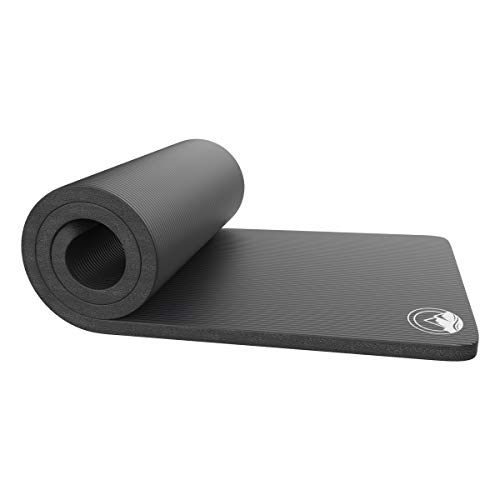
Wakeman Outdoors Foam Sleeping Pad for Camping
  • 76 x 25 x 0.75 inches
  • 5 lb, rolls to 25 x 11 in
  • NBR foam, carry strap
Check price on Amazon for Wakeman Outdoors Foam Sleeping Pad for Camping (opens in a new tab)
Best for: Simple car camping

Our take

A tough mat that is hard to break.

Why it made the shortlist

The Wakeman is a 76 by 25 inch NBR foam mat that is 0.75 inch thick and weighs 5 pounds. It rolls to 25 by 11 by 11 inches, grips the ground with a textured underside and sheds spills, and comes with a carry strap.

It costs about $43, around $12 less than the Wevelel Memory Pad, and it never needs inflating or patching. It is thinner than the Wevelel, which is the cost of that simplicity.

It suits campers who want a no-fuss mat for car camping, an RV topper or a gym floor. It also doubles as an under-bag layer for insulation.

What works

  • Never needs inflating or patching
  • Non-slip waterproof surface
  • Rolls tight with a carry strap
  • Works as RV mattress topper

Watch out for

  • Only 0.75 inch thick
  • Heavy for its thickness
The catch
It is thin and weighs 5 pounds.
04
Best for: Soft sleeping surface

Our take

A plush option for a moderate price.

Why it made the shortlist

It weighs about 2 kg and rolls up for carrying.

It is lighter than the Wevelel Memory Pad, which makes it easier to carry.

It suits side sleepers and cold sleepers who like a plush top. It is a good pad for cabin and tent use.

What works

  • Fleece top feels warm
  • Light at about 2 kg
  • Roll-up design
  • Soft surface

Watch out for

  • Thickness is not in the title
  • 27.56 inch width is narrow
The catch
Check the thickness before ordering.
05

Best Lightweight Pick · 5 of 5

Foam Camping Pads for Sleeping

Foam Camping Pads for Sleeping
  • Closed cell IXPE foam
  • 396 g, 72.8 inches long
  • Aluminum film on back
Check price on Amazon for Foam Camping Pads for Sleeping (opens in a new tab)
Best for: Backpacking

Our take

The lightest and cheapest, with the least padding.

Why it made the shortlist

The THINTON is a foldable closed-cell IXPE foam mat that weighs 396 grams and measures 72.8 inches long. It has an aluminum film on the back and folds to a small square block.

It costs about $27, the lowest here and about half the Wakeman Foam Mat. It weighs far less than any other pick, and it never needs inflating or patching.

It suits hikers and backpackers who want a basic insulating layer. It also works as a seat pad.

What works

  • Never needs inflating or patching
  • Weighs only 396 grams
  • Folds to a small, square block
  • Foil layer reflects body heat

Watch out for

  • Thin, firm sleeping surface
  • Short for tall sleepers
The catch
It is firm and thin, so side sleepers may want more.

Methodology

How We Built This Shortlist

Each pick was assessed across 5 criteria weighted for real-world use.

01

Thickness

Inches of padding were compared, as were firmness and R-value claims.

02

Size

Length and width were checked against body size.

03

Pack weight

Weights in grams and pounds were compared.

04

Setup

Self-inflating, foot pump and foam mats were compared on effort.

05

Price against the cap

All five are under $75.

Decision guide

Match a Sleeping Pad Under 75 to Your Camp Setup

By sleeping style

Your situationRecommended pickWhy
Side sleeper in a car campWevelel 3.1 Inch Memory Pad3.1 inches of memory foam.
Couples or a wide bedFNARMW Double Pad 6 Inch79 x 55 inches and 6 inches thick.
Simple mat, no inflatingWakeman Foam Mat0.75 inch NBR foam.
Soft top at a modest priceUniqwamer Fleece PadLamb fleece memory foam.
BackpackingTHINTON Foam Mat396 grams.

By Budget

BudgetRecommended pick
$20 to $50THINTON Foam Mat or Uniqwamer Fleece Pad
$40 to $60Wakeman Foam Mat or Wevelel 3.1 Inch Memory Pad
$50 to $60FNARMW Double Pad 6 Inch

Foam mat vs self-inflating pad

Foam mat

The Wakeman Foam Mat and THINTON Foam Mat never puncture and cost $27 to $43, with 0.75 inch or less of padding.

Self-inflating

The Wevelel 3.1 Inch Memory Pad, FNARMW Double Pad 6 Inch and Uniqwamer Fleece Pad give 3 to 6 inches of comfort for $42 to $56.

Choose the Wevelel 3.1 Inch Memory Pad for comfort and the THINTON Foam Mat for hikes.

By price tier

Price tierRecommended pick
About $27THINTON Foam Mat
About $42Uniqwamer Fleece Pad
About $43Wakeman Foam Mat
About $55Wevelel 3.1 Inch Memory Pad
About $56FNARMW Double Pad 6 Inch

For cold ground specifically

Look for

Look for a stated R-value, closed-cell foam or an aluminum layer.

In this comparison

The Wevelel 3.1 Inch Memory Pad advertises R 9.5, while the THINTON Foam Mat has an aluminum film.

When to Spend More

Spend more if

Spend more if you sleep on your side or share a tent: the Wevelel 3.1 Inch Memory Pad and FNARMW Double Pad 6 Inch add thickness and width.

Save if

Save if you hike or camp in warm weather: the THINTON Foam Mat costs about $27 and the Wakeman Foam Mat about $43.

FAQ

Before You Bring One Home

How thick should a sleeping pad be?

For side sleepers about 3 inches keeps the hips off the ground, while back sleepers can use 1 to 2 inches. The Wevelel 3.1 Inch Memory Pad meets the side-sleeper need, and the Wakeman Foam Mat at 0.75 inch is thinner. Pick thickness by sleeping position first, then by weight.

What is the common pad buying mistake?

Ignoring width and insulation. A narrow pad leaves your arms hanging off the edge, and a pad with little insulation lets the ground steal your body heat all night. Check the stated width and any R-value before you order, even for a budget pad.

Is the Wevelel worth the extra over a foam mat?

For car camping, yes. It adds roughly 2.3 inches of padding over the Wakeman Foam Mat and self-inflates in about 30 seconds. For hiking, the extra weight and bulk are not worth it, and the THINTON Foam Mat is the better carry.

How do I inflate a self-inflating pad?

Open the valves, let the foam expand on its own for several minutes, then top it off with a few breaths or the foot pump to firm it up. The FNARMW Double Pad 6 Inch has a built-in foot pump that fills it in about 3 minutes. Close the valve firmly and avoid overinflating.

How do I store a pad?

Store foam mats flat or loosely rolled, and store self-inflating pads with the valve open so the foam keeps its loft. Keep them dry and out of long sun exposure. Dry any condensation inside the pad before you pack it away for the season.

Bottom line

The short version

Browse more sleeping pads under 75 on Amazon →
Danny Walker, Camping Editor at RV Gear Lab

About the author

Danny Walker

Camping Editor at RV Gear Lab

Danny covers camping gear, campsite setup, outdoor power, sleep systems and practical camping advice, with a focus on helping campers make better gear decisions.

More from Danny →Editorial standards

Keep reading

Related guides