

We research everything we recommend. When you buy through our links, we may earn a commission. Learn more

Buying guide · 10 min read · Updated October 2, 2026

6 Best 4 Season Tent Under 200 in 2026: A Practical Camping Guide

Best 4 season tents under $200: six budget winter-ready tents for one to four people, with notes on what snow skirts and waterproof ratings really tell you.

Danny WalkerBy Danny WalkerCamping Editor at RV Gear Lab6 products comparedSpec-sheet researched
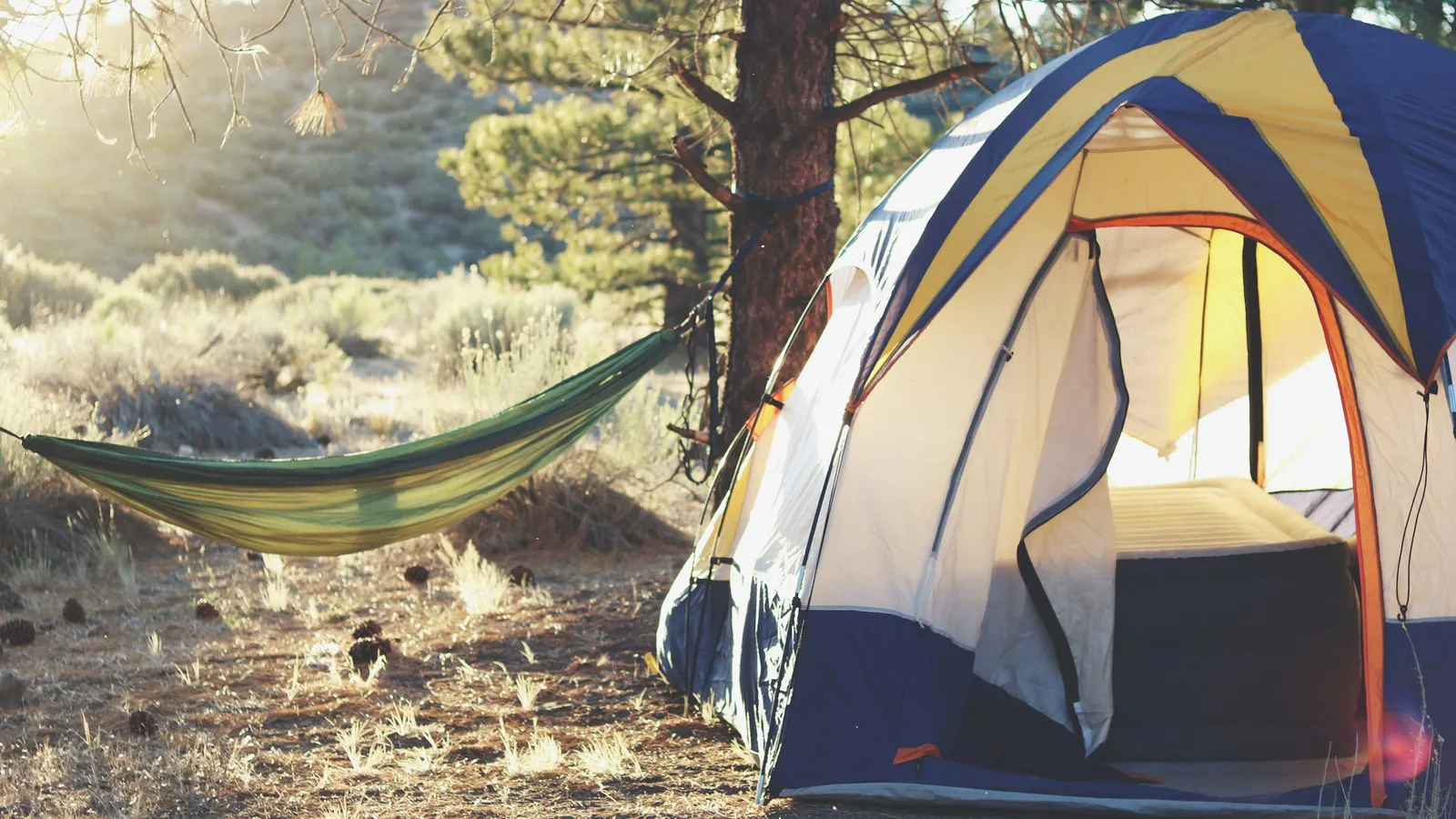
Dome tent and hammock at a forest campsite at golden hour

At a glance

Our top picks

A four season tent under $200 is a budget answer to a hard problem, so the label deserves a skeptical read. What counts is a snow skirt, a double wall, strong poles and a stated waterproof rating, not the words four season in the title.

These six cover solo, two-person and four-person needs. They are ordered by how much real winter-facing detail each listing backs up.

RV Gear Lab field notes

The Campsite Fit Check

Start with the job
Naturehike 4 Season Tent leads this shortlist for Two-person winter backpacking. Use that fit as a reference point, then compare the alternatives against your own space and workload.
Specs that separate the picks
The first details to compare are 20D silicone-coated nylon, 82.6 x 59 x 43.3 inch interior, 8.2 ft long, single pole. Confirm the exact model and included components before ordering.
Trade-off to plan for
Packed weight is not in the main bullets

Before you buy

What Matters Before You Choose a 4 Season Tent Under 200

Key buying criteria so you get the right fit the first time.

  1. 01

    What four season means

    A four season tent resists wind and snow load, while a three season tent focuses on rain and ventilation. Under $200, many tents wear the label with limited proof. Look for a snow skirt, double wall and strong poles.

  2. 02

    Waterproof rating numbers

    A rating in millimeters tells how much water pressure the fabric resists before it leaks. 2000mm is basic, 3000mm is solid and 4000mm is strong for wet snow. Check both the fly and the floor numbers.

  3. 03

    Snow skirt and double wall

    A snow skirt is a fabric flap that you weigh down with snow so drafts and drifts stay out. A double wall adds an air layer that cuts condensation. The BISINNA lists both.

  4. 04

    Pole material

    Aluminum poles flex without snapping in wind, while fiberglass poles can splinter in the cold. The Underwood Aggregator lists aircraft grade aluminum. Look for pole material in the listing.

  5. 05

    Packed weight and size

    Winter tents weigh more than summer ones. The BISINNA lists 6.4 pounds and an 18 by 7 by 7 inch pack. Check weight before you plan a long carry.

  6. 06

    Size up for gear

    In winter, you store boots and wet layers inside. A two-person tent holds one person comfortably with gear. Choose a size up if you will be stuck inside.

Our standards

Why You Can Trust RV Gear Lab

At RV Gear Lab, we compare products based on campsite fit, verified specifications, usability, setup requirements, weight, durability, and real-world trade-offs. We do not rank products purely on marketing claims or commission rates.

We have not personally tested every product listed. Where hands-on testing is not available, recommendations are based on verified manufacturer specifications, product documentation, use-case fit, and comparative research.

How we review camping gear →

Detailed reviews

The 6 best 4 season tent under 200, explained

01

Best Overall · 1 of 6

Naturehike 4 Season Tent

Naturehike 4 Season Tent
  • 20D silicone-coated nylon
  • PU 3000mm waterproof rating
  • Dome with crossing poles
Check price on Amazon for Naturehike 4 Season Tent (opens in a new tab)
Best for: Two-person winter backpacking

Our take

The tidiest two-person pick here. Pair it with a warm pad for snow nights.

Why it made the shortlist

The Naturehike 4 Season two-person tent uses 20D silicone-coated nylon with a PU 3000mm waterproof rating. A flexible pole set crosses at the dome apex for a simple setup in snow and rain.

Next to the BISINNA, it is the cleaner tent for backpackers because it leans on lightweight fabric. Against the camppal, it gives two sleeping spots instead of a solo length.

What works

  • Lightweight silicone-coated nylon fabric
  • Simple dome setup
  • Sized for two people

Watch out for

  • Packed weight is not in the main bullets
  • Needs good stake-down in wind
The catch
The listing gives no packed weight, so check it before carrying it far.
02
Best for: Couples in light snow

Our take

A good balance of room and cold-weather details. Share the weight between two people.

Why it made the shortlist

The BISINNA tent includes a snow skirt and measures 82.6 by 59 by 43.3 inches.

Against the camppal, it adds a second sleeper and a skirt that keeps snow from sliding under the fly.

It suits two campers who want a skirted tent that still fits a pack. Two doors and windows help with ventilation and condensation.

What works

  • Snow skirt blocks drifting snow
  • Two doors and two windows
  • Double wall limits condensation
  • Packs to 18 x 7 x 7 inches

Watch out for

  • 6.4 pounds is heavy for solo carrying
  • Skirt makes setup slower
The catch
It is a heavier tent than the lightweight Naturehike.
03
Best for: Tall solo campers

Our take

A roomy solo shelter in the budget range.

Why it made the shortlist

The camppal one-person tent has an inner tent of 8.2 by 2.95 by 2.95 feet and an outer with a 3500 to 4000mm waterproof rating. It uses seam taping on the zippers, a single pole and a setup the listing puts at 3 minutes.

Compared with the Underwood Aggregator, it states waterproof and dimension numbers more clearly. Against the two-person tents, it saves weight and gives a long 8.2 foot floor for taller campers.

It suits tall solo hikers who want a four season shelter at a low cost. The single-pole design keeps setup quick in bad weather.

What works

  • Long floor suits taller campers
  • High waterproof number
  • Single pole sets up quickly
  • Seam taping on zippers

Watch out for

  • Only one person fits
  • Inner height is under 3 feet
The catch
At under 3 feet tall inside, sitting up is tight.
04

Best Solo Features · 4 of 6

1 Person 4 Season Backpacking Tent

1 Person 4 Season Backpacking Tent
  • Aircraft grade aluminum poles
  • Two-way zipper, light hook
  • One-person backpacking tent
Check price on Amazon for 1 Person 4 Season Backpacking Tent (opens in a new tab)
Best for: Solo winter campers

Our take

A tidy solo tent. Check the waterproof details before buying.

Why it made the shortlist

The Underwood Aggregator is a single-person backpacking tent with aircraft grade aluminum poles, a two-way zipper and an interior hook for a camping light. The listing markets it as an extreme weather tent for every season.

Compared with the camppal, it adds small touches like the light hook and the poles that hold up in wind. Against the Naturehike 4 Season 2P, it is a pure solo shelter that is easier to pitch on a narrow ledge.

It suits solo hikers who like the small conveniences. The poles are a clear step up from fiberglass.

What works

  • Aluminum poles resist wind
  • Interior hook holds a light
  • Two-way zipper vents easily
  • Compact one-person footprint

Watch out for

  • Solo only
The catch
The listing does not state a waterproof number.
05
Best for: Families on a budget

Our take

The room pick. Guy it out well before a windy night.

Why it made the shortlist

The Chihee tunnel tent sleeps four, with a PU 2000mm outer, a built-in PE groundsheet and two entrances. It uses B3 mesh for airflow and curved poles that tunnel tents are known for.

Compared with the two-person tents, it gives far more room for gear and a second door for cooking. Against the generic four-person tent, it names a waterproof number and a built-in floor.

It suits families who want four-season-labeled space under $200. Two entrances keep luggage on one side and cooking on the other.

What works

  • Room for four people
  • Two doors for gear and cooking
  • Built-in groundsheet

Watch out for

  • 2000mm is modest for heavy storms
  • Tunnel poles need stakes and guy lines
The catch
A 2000mm rating is on the lower side for severe weather.
06
Best for: Casual winter trials

Our take

A cheap group tent. Treat the four season label as light-duty.

Why it made the shortlist

The generic four-person tent has waterproof seams and a coated fabric, with an ultralight and compact design. The listing promises a simple setup and a spacious feel for four.

It suits campers who want a low-risk, low-cost group shelter for mild winter use. It is a way to try four-season camping on a small budget.

What works

  • Sleeps four people
  • Waterproof seams listed
  • Simple setup design

Watch out for

  • Little detail on fabric and poles
  • Four season claim is thin
The catch
Few specs are named, so expect mild-winter use only.

Methodology

How We Built This Shortlist

Each pick was assessed across 4 criteria weighted for real-world use.

01

Four season claims

Each listing was checked for real cold-weather details like a snow skirt, double wall and stated waterproof number.

02

Waterproof rating

Stated millimeter ratings for fly and floor were compared across the six.

03

Weight and packing

Packed size and stated weight decide who can carry each tent.

04

Space and setup

Interior dimensions, doors and pole designs show how each handles real camp use.

Decision guide

Match a 4 Season Tent Under 200 to Your Camp Setup

By Group Size

Your situationRecommended pickWhy
Solo, tall campercamppal 1P8.2 foot floor with seam-taped zippers.
Solo, wants extrasUnderwood Aggregator 1PAluminum poles and a light hook.
Two backpackers, light weightNaturehike 4 Season 2PSilicone nylon with PU 3000mm.
Two campers in snowBISINNA 4 Season 2PSnow skirt and two doors.
Family of fourChihee Tunnel 4PTwo entrances and PU 2000mm.

By Budget

BudgetRecommended pick
$30 to $80Generic 4 Person 4 Season or Underwood Aggregator 1P
$80 to $90camppal 1P or BISINNA 4 Season 2P
$110 to $130Chihee Tunnel 4P or Naturehike 4 Season 2P

Dome vs Tunnel

Dome

Crossing poles shed wind from several sides and pitch simply. The Naturehike 4 Season 2P, BISINNA 4 Season 2P and Underwood Aggregator 1P use dome-style designs.

Tunnel

Parallel hoops give more usable room per pound but need guy lines in wind. The Chihee Tunnel 4P is the tunnel pick.

Pick a dome like the Naturehike 4 Season 2P for exposed spots, and the Chihee Tunnel 4P for space.

By Budget Tier

Price bandRecommended pick
Lowest costGeneric 4 Person 4 Season
Mid rangeChihee Tunnel 4P
Top of the budgetNaturehike 4 Season 2P

For First-Time Winter Campers Specifically

Look for

A snow skirt and a stated waterproof number.

In this comparison

The BISINNA 4 Season 2P lists a snow skirt, and the Naturehike 4 Season 2P lists PU 3000mm.

When to Spend More

Spend more if

Spend more on the Naturehike 4 Season 2P or BISINNA 4 Season 2P if you will see real snow, since both state the details that matter.

Save if

Save with the Generic 4 Person 4 Season if you only camp in mild winter, since it sleeps four at the lowest cost.

FAQ

Before You Bring One Home

Is a four season tent under $200 real?

It can be useful for light winter use. The BISINNA 4 Season 2P and Naturehike 4 Season 2P list real winter details. For extreme conditions, a premium tent is wiser.

Do I need a footprint?

A footprint protects the floor from wear and wet. Some tents include one and others sell it separately. Check what the listing says.

Is a bigger tent warmer?

No. A smaller tent has less air to warm. Choose a size that fits your gear, not an oversized one.

How do I pitch in snow?

Stamp out a flat spot and use snow stakes or deadman anchors. Weigh down the snow skirt. Guy out the fly for wind.

How do I stop condensation?

Vent the fly door a little and keep wet gear in the vestibule. Wipe the walls in the morning. A double wall tent helps.

Bottom line

The short version

Browse more 4 season tent under 200 on Amazon →
Danny Walker, Camping Editor at RV Gear Lab

About the author

Danny Walker

Camping Editor at RV Gear Lab

Danny covers camping gear, campsite setup, outdoor power, sleep systems and practical camping advice, with a focus on helping campers make better gear decisions.

More from Danny →Editorial standards

Keep reading

Related guides