

We research everything we recommend. When you buy through our links, we may earn a commission. Learn more

Buying guide · 11 min read · Updated October 2, 2026

6 Best Budget RV Boosters with an External Antenna in 2026: A Practical RV Guide

Six RV connectivity picks built around an outside antenna: two complete systems and four add-on antennas, sorted by what each one actually plugs into.

Bowen HigginsBy Bowen HigginsRV Editor at RV Gear Lab6 products comparedSpec-sheet researched

At a glance

Our top picks

At a glance · 6 picks

On an RV the outside antenna decides most of the result. It sits above the roof clutter, away from the metal skin that blocks signals, and it feeds whatever amplifier or router lives inside. A booster with a poor outside antenna stays poor, while a good antenna on an average receiver often rescues a marginal site. That is the reason to read this guide by the connector and the radio band first, and by the brand last. A higher mount and a cleaner cable run often matter more than the amplifier behind them, which is why the antenna gets its own comparison.

That is why this shortlist mixes two kinds of product and labels them honestly. The SureCall Fusion2Go 3.0 is a cell signal booster, and the KUMA Connect PRO is a cellular router kit with its own antenna. The other four are antennas you add to something you already own: a Sierra Wireless dome for an RV55 router, a weBoost antenna for weBoost boosters, a TravlFi antenna for LTE routers and a WiFi-only eifagur. Knowing which bucket a product falls into is half the buying decision. Each product is placed in one bucket or the other.

To compare the six we read their listing specs, grouping them by what each one connects to and placing each against a named sibling. An antenna cannot create a signal and cannot fix an amplifier that does not suit your carrier, so compatibility came first. Prices are described by position in the shortlist, with the step up tied to what the hardware adds. Compatibility came ahead of every other score because a mismatched antenna is a wasted purchase, however good its gain looks on paper. Scores are editorial assessments, not measurements.

RV Gear Lab field notes

The Rig Fit Check

Start with the job
SureCall Fusion2Go 3.0 RV Cell Signal Booster for Motorhome, 5G/4G LTE, Permanent Omni Antenna leads this shortlist for Motorhome and trailer owners who want a full cell booster with an outside antenna.. Use that fit as a reference point, then compare the alternatives against your own space and workload.
Specs that separate the picks
The first details to compare are Cell booster, 5G phone compatible, Five elements: 2 LTE, 1 GNSS, 2 WiFi, 4G LTE router with outdoor antenna. Confirm the exact model and included components before ordering.
Trade-off to plan for
Boosts 4G LTE data on 5G phones

Before you buy

What Matters Before You Choose a Budget RV Booster with an External Antenna

Key buying criteria so you get the right fit the first time.

  1. 01

    Complete system or add-on antenna

    A complete system, such as a cell booster kit or a router kit, works out of the box. An add-on antenna improves something you already own and does nothing alone. Buyers often order an antenna thinking it is a booster, and the result is a part with nothing to connect to. Read the title for words like kit, booster or router, and check whether the listing says it is designed for a named device.

  2. 02

    Which radio the antenna serves

    Cellular LTE and WiFi use different frequency bands, and an antenna tuned for one will not help the other. The Sierra Dome spans both families, the weBoost Antenna serves cellular boosters, and the eifagur 7dBi serves WiFi at 2.4 and 5 GHz only. A WiFi antenna cannot improve a phone signal, and an LTE antenna cannot improve park WiFi. Match the antenna bands to the problem you want to solve.

  3. 03

    Connector type and cable run

    SMA and RP-SMA connectors look nearly identical and are not interchangeable, because the pin and thread arrangement differ. The Sierra Dome uses SMA for LTE and GNSS and RP-SMA for WiFi, and the eifagur 7dBi uses RP-SMA. Look at the connector on your own router or booster first. Every extra foot of cable costs some signal, so choose the shortest run that still reaches the roof.

  4. 04

    Omnidirectional versus aimed antennas

    Omnidirectional designs pick up signals from every direction and keeps working while the rig moves, which is why the SureCall Fusion2Go and the Sierra Dome use them. A directional antenna gains more but must be aimed and works only while parked. For a rig that changes camps often, omni is the safer choice. Directional antennas reward a long-stay site where aiming is a one-time job.

  5. 05

    Mast height and clearance

    Roof air conditioners, vents and solar panels all block signals, so antenna height matters. A mast that extends from 7.5 to 20.5 inches, like the weBoost Antenna, lets you clear that clutter. Check the listing for the stated extension range and whether a mast comes in the box. A low antenna in a crowded roof gains little over the router's own antennas.

  6. 06

    Weather rating and mounting hardware

    An outside antenna lives on the roof through sun, rain, hail and highway vibration. A named rating, such as IP66 or a military 810H reference, is more useful than a claim of weatherproof. A threadlocker, a spring base and a ladder or wall bracket in the box mean you can mount it at once. Without them, add the cost and the trip to the hardware store to the price.

Our standards

Why You Can Trust RV Gear Lab

At RV Gear Lab, we compare products based on rig fit and power or hookup compatibility, verified specifications, usability, setup requirements, weight, durability, and real-world trade-offs. We do not rank products purely on marketing claims or commission rates.

We have not personally tested every product listed. Where hands-on testing is not available, recommendations are based on verified manufacturer specifications, product documentation, use-case fit, and comparative research.

How we review RV gear →

Detailed reviews

The 6 best budget rv boosters with an external antenna, explained

01
SureCall Fusion2Go 3.0 RV Cell Signal Booster for Motorhome, 5G/4G LTE, Permanent Omni Antenna
  • Cell booster, 5G phone compatible
  • Omni outside, whip inside antenna
  • Metal housing, 2XP technology
Check price on Amazon for SureCall Fusion2Go 3.0 RV Cell Signal Booster for Motorhome, 5G/4G LTE, Permanent Omni Antenna (opens in a new tab)
Best for: Motorhome and trailer owners who want a full cell booster with an outside antenna.

Our take

A durable metal housing, assembled and tested in the USA, rounds out the build.

Why it made the shortlist

The SureCall Fusion2Go 3.0 RV is a cell signal booster for motorhomes, large vehicles and campers, so it is the right category when the problem is faint carrier coverage, not campground WiFi. Inside the box are an omnidirectional external antenna and a whip-style indoor antenna that connect directly to the signal booster unit. That makes it the most direct answer to dropped calls in a motorhome.

The omni outside antenna matters because it works while the vehicle is moving, which suits a rig that travels between sites. The listing credits SureCall's 2XP technology to cut dropped calls, improve audio and faster data for several devices, and it adds that the booster is 5G phone compatible, boosting voice and 4G LTE data on 5G handsets. Every user in the rig shares the benefit.

Price puts it at the top of this shortlist with the Sierra Wireless dome, and the step up buys a ready-to-run system instead of a part. Choose it when you want one purchase that includes the amplifier, both antennas and a clear intended use.

What works

  • Complete kit with both antennas included
  • Omni antenna works while moving
  • Supports several users at once
  • Durable metal housing, built in the USA

Watch out for

  • Boosts 4G LTE data on 5G phones
  • Needs some outside signal to amplify
02
Best for: Cellular router owners who want one dome for LTE, GPS and WiFi.

Our take

It is an omnidirectional design, which keeps it working in any direction while the rig is moving.

Why it made the shortlist

The Sierra Wireless dome combines five antenna elements in one panel-mount housing: two for LTE, one for GNSS and two for WiFi. That single dome replaces several separate whips on a roof, and it is made for the RV55 router, which makes the match clear for anyone who already runs that hardware. Roof layout stays simple.

The listing names a frequency spread covering 4G LTE and 3G cellular alongside 2.4, 5.0 and 6.0 GHz WiFi, with a stated power gain of 26 dBi. Connectors are SMA male for LTE and GNSS and RP-SMA male for WiFi, so each cable lands in the right port without guesswork. Those details are the ones that decide fit.

It sits near the top of this shortlist on price, a little under the SureCall Fusion2Go, and the cost goes into the five-in-one layout. Choose it when a single roof penetration and a tidy cable bundle matter most.

What works

  • Five antennas in one roof dome
  • LTE, GNSS and WiFi bands covered
  • Omni-directional for use in motion
  • Clear SMA and RP-SMA cable ends

Watch out for

  • Made around the RV55 router
  • Does not amplify a signal on its own
03
KUMA Connect PRO 4G Cellular Router and High Gain Waterproof Antenna, 300Mbps Kit
  • 4G LTE router with outdoor antenna
  • 2x2 MIMO, up to 150 Mbps 4G
  • Unlocked, SIM slot, 4 LAN ports
Check price on Amazon for KUMA Connect PRO 4G Cellular Router and High Gain Waterproof Antenna, 300Mbps Kit (opens in a new tab)
Best for: Campers who want a complete cellular WiFi setup with outdoor antenna.

Our take

A rugged metal case and vehicle power suit life on the road and car camping.

Why it made the shortlist

The KUMA Connect PRO is a cellular router kit that pairs a high-gain waterproof outdoor antenna with an indoor router, which means it works as a complete internet source and not as a phone booster. The router is unlocked, so you add a 4G LTE SIM from a carrier such as AT&T or T-Mobile and keep the freedom to choose a plan. Setup follows a simple SIM-in, power-on routine.

The outdoor antenna uses 2x2 MIMO, with the listing citing up to 150 Mbps on 4G, and it feeds a high-power indoor router with two dedicated WiFi antennas. Four built-in LAN ports let you wire a smart TV, a console or a PC for a steadier connection than WiFi alone. That mix of wired and wireless outlets suits a rig with a television and a work laptop.

It sits mid-pack on price, well below the SureCall Fusion2Go, and it spends the saving on the router rather than a phone amplifier. Buy this one when your priority is a private network for laptops and TVs, backed by an antenna sized for fringe signals.

What works

  • Unlocked router accepts your own SIM
  • High-gain waterproof outdoor antenna
  • Four LAN ports for wired devices
  • Rugged metal router case

Watch out for

  • Needs a data SIM and plan
  • Does not boost a phone signal
04
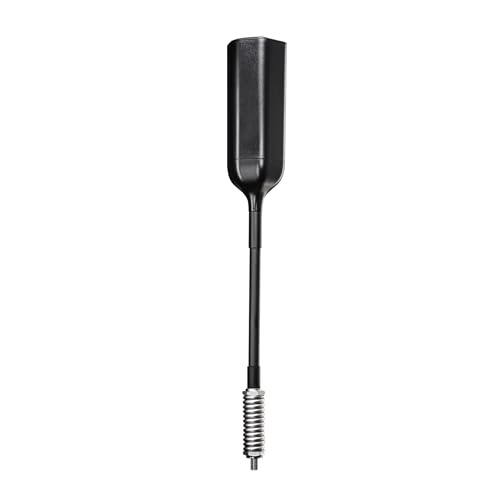
weBoost Drive RV Antenna (External), Designed for Use with weBoost RV Boosters
  • Extends 7.5 to 20.5 inches
  • Military 810H and IP66 standards
  • 25 ft RG-6 cable and ladder mount
Check price on Amazon for weBoost Drive RV Antenna (External), Designed for Use with weBoost RV Boosters (opens in a new tab)
Best for: Owners of a compatible weBoost RV booster who want a rugged outside antenna.

Our take

It works with all U.S. carriers when paired with the matching booster, and it is made in the USA with U.S.-based support.

Why it made the shortlist

This external antenna is designed for weBoost RV boosters, listed with part number 311230. It extends from 7.5 to 20.5 inches, which lets you raise the antenna for clearance above roof equipment, and the mast arrives with a 13 inch extension in the box. That range makes it adjustable to the roof. Mast length is the headline feature.

Construction meets US Military 810H and NEMA IP66 standards according to the listing, a pairing aimed at the harshest conditions. In the box are an L-bracket ladder mount, a threadlocker, a spring base, a side-exit adapter, a 25 foot RG-6 cable and mounting hardware, so the install needs no extra parts. That is a durable package for a roof that sees every season.

It sits near the entry of this shortlist on price, noticeably below any full system, and the saving comes from being a single component. Choose it as a replacement or upgrade for a weBoost RV setup.

What works

  • Mast extends from 7.5 to 20.5 inches
  • 810H and IP66 durability standards
  • 25 foot cable and hardware included
  • U.S.-based support from the maker

Watch out for

  • Works only with matching weBoost boosters
  • Not a booster by itself
05
TravlFi External Wi-Fi and LTE Antenna for RVs
  • External WiFi and LTE antenna
  • Weather-resistant outdoor build
  • Mounting kit included
Check price on Amazon for TravlFi External Wi-Fi and LTE Antenna for RVs (opens in a new tab)
Best for: TravlFi or other 4G LTE router owners seeking a rooftop antenna.

Our take

It sits near the entry of this shortlist on price, a little under the weBoost Antenna, and it is the most direct upgrade for a router-based setup.

Why it made the shortlist

The TravlFi External Antenna is a rooftop antenna for WiFi and LTE, designed to extend the range of a TravlFi or other 4G LTE router. Mounted on the exterior of the rig, it grabs the strongest available signal instead of leaving the router to hunt for it through the roof. The result is a cleaner signal into the router.

Weather-resistant materials are built for outdoor use, and the mounting kit makes installation simple, with hardware included to secure it to the roof. The antenna suits remote camping spots and road trips where the router's own antennas fall short and a stronger exterior pickup lifts the connection. That suits hard travel days. The same hardware can be reused if you replace the antenna later.

Reach for it if you already have a LTE router and want a straightforward exterior antenna with its mounting parts included. Installation stays short. The mount is straightforward.

What works

  • Exterior mount for stronger pickup
  • Covers both WiFi and LTE
  • Weather-resistant materials
  • Mounting kit included

Watch out for

  • Few specifications are published
  • Designed for LTE routers, not boosters
06
Best for: WiFi-only users who want a low-cost outdoor antenna on a router.

Our take

It is the entry pick of this shortlist and costs far less than any other item here, which makes sense because it is a WiFi antenna, not a cellular one.

Why it made the shortlist

The eifagur 7dBi is a dual-band WiFi antenna covering 2.4 GHz and 5 GHz, with the 5 GHz band spanning 5150 to 5850 MHz. It is omnidirectional with a 7 dBi gain and an RP-SMA male connector, a spec that tells you immediately whether it fits your router. That detail makes shopping simple. Fit is immediate once the connector matches your router.

A 3 meter RG174 cable gives enough length to run from a router to a window or a roof edge, and a wall mount bracket with four screws is included. Compatible devices named in the listing include WiFi routers, hotspots, wireless network cards and USB adapters, plus rear-view and backup cameras. The bundle covers a basic installation.

It fits best when the problem is campground WiFi reaching a router or a camera, and you want a cheap, plain upgrade over the stock antenna.

What works

  • Dual-band 2.4 and 5 GHz coverage
  • RP-SMA connector and 3 m cable
  • Bracket and screws in the box

Watch out for

  • WiFi only, no cellular bands
  • Short cable limits roof placement

Methodology

How We Built This Shortlist

Each pick was assessed across 5 criteria weighted for real-world use.

01

What each product plugs into

We first separated complete systems from add-on antennas and noted which device each one serves. An antenna built for one router or booster is a poor match for another. Listings that named a compatible product ranked ahead of those that said fits all devices.

02

Cellular versus WiFi bands

We read the frequency bands each product names. LTE and WiFi bands are different, so a WiFi antenna does nothing for a phone signal, and a cellular antenna does nothing for campground WiFi. Products that cover both were credited when the listing said so.

03

Connector, cable and mounting

We compared connector types, cable lengths and the mounting hardware in each box. SMA and RP-SMA look similar, and the wrong one will not fit. Based on product specs, a complete mounting kit and a stated cable length earned credit for an easier install.

04

Weather and build standards

We evaluated stated ratings such as IP66, a military 810H reference and housing materials. An antenna sits at the top of the rig in every kind of weather, so a named standard counts for more than a general weather-resistant claim. Mast materials and seals were read the same way.

05

Price position inside the shortlist

We ranked the six relative to each other and tied each step to the hardware it adds, such as an amplifier, a router or a multi-band dome. Scores are editorial assessments from structured criteria, not measurements. Our wider approach is explained on the How We Review page.

Decision guide

Match a Budget RV Booster with an External Antenna to Your RV

By What You Already Own

The equipment already on your rig decides which antenna fits. Match the part to the device.

What you ownRecommended pickWhy
Nothing yet, want cell coverageSureCall Fusion2GoComplete booster with both antennas
Nothing yet, want a private networkKUMA Connect PRORouter and outdoor antenna in one kit
Sierra Wireless RV55 routerSierra DomeFive elements in one dome for that router
A weBoost RV boosterweBoost AntennaDesigned for weBoost RV boosters
A TravlFi or other LTE routerTravlFi AntennaExterior WiFi and LTE pickup

By Budget

Position inside this shortlist, with no price figures, so the comparison stays true when prices move.

Price bandRecommended pickWhat the money buys
Entry of this shortlisteifagur 7dBiA basic omni WiFi antenna and cable
Entry to midTravlFi AntennaAn exterior LTE and WiFi antenna with a mount
Mid of this shortlistweBoost AntennaA rugged extendable mast and a 25 foot cable
Mid to upperKUMA Connect PROA complete router kit with a high-gain antenna
Top of this shortlistSureCall Fusion2GoA full booster with both antennas

Complete Kit vs Add-On Antenna

Decide whether you need a new system or a better antenna for an old one.

Complete kit

The SureCall Fusion2Go and KUMA Connect PRO work out of the box. They cost more, but they remove the compatibility question, and they include the amplifier or router the antenna needs.

Add-on antenna

The Sierra Dome, weBoost Antenna, TravlFi Antenna and eifagur 7dBi upgrade a device you already own. They cost less, and they only help when the connector and bands match.

With no gear yet, choose the SureCall Fusion2Go; with a router already, add the TravlFi Antenna.

By Signal Type

Phones and laptops need different help, so match the antenna to the signal you want.

Signal you wantRecommended pickWhy
Better phone calls and textsSureCall Fusion2GoA cell booster for voice and 4G LTE data
LTE data to laptops and TVsKUMA Connect PRORouter with 2x2 MIMO outdoor antenna
Campground WiFi to a routereifagur 7dBiA 7 dBi dual-band WiFi antenna
GPS, LTE and WiFi on one roof domeSierra DomeTwo LTE, one GNSS and two WiFi elements

For Roof Installation Specifically

The roof is the hardest part of the job, so packaging matters.

Look for

A named weather rating, a mounting kit in the box, a stated cable length, a mast tall enough to clear roof equipment and a connector that matches your device.

In this comparison

The weBoost Antenna ships with an L-bracket, spring base and a 25 foot cable, and the Sierra Dome is a single panel-mount dome that keeps the roof clean.

When to Spend More

A step up the shortlist buys a finished system, so spend on it only when you need one.

Spend more if

You are starting from nothing and want the SureCall Fusion2Go or KUMA Connect PRO to arrive with everything included.

Save if

You own the router or booster already, since the eifagur 7dBi, TravlFi Antenna or weBoost Antenna each upgrade it for far less.

FAQ

Before You Bring One Home

Can I use any external antenna with my booster?

No. Cell boosters and routers expect specific connectors and bands. The weBoost Antenna is designed for weBoost RV boosters, the Sierra Dome is made around the RV55 router, and the eifagur 7dBi is a WiFi antenna with an RP-SMA connector. Read the named compatibility before ordering.

What is the difference between SMA and RP-SMA?

They are two connector standards that look almost the same. RP-SMA reverses the pin and thread arrangement, so an SMA plug will not seat in an RP-SMA socket. The Sierra Dome uses SMA for LTE and GNSS and RP-SMA for WiFi, and the eifagur 7dBi uses RP-SMA. Look at the socket on your device first.

Will a WiFi antenna improve my phone signal?

No. A WiFi antenna such as the eifagur 7dBi works on 2.4 and 5 GHz and helps a router hear campground WiFi. Phone signal travels on cellular bands, and it needs a cell booster like the SureCall Fusion2Go or an LTE antenna. The two problems are separate, and so are their fixes.

How high should I mount the outside antenna?

As high above roof equipment as the mast allows, within the limits of your route. A mast that extends from 7.5 to 20.5 inches clears most vents and air conditioners. Taller masts catch more signal but face more wind and low clearances, so fold or lower it when you drive under obstacles.

Do I need a SIM for the KUMA Connect PRO?

Yes. The KUMA Connect PRO is an unlocked cellular router, so you add a 4G LTE SIM from a carrier such as AT&T or T-Mobile and choose a data plan. It builds a private network for laptops and TVs, but it does not amplify a phone signal.

Is the weBoost Antenna a replacement or an upgrade?

It is both, depending on the booster it joins. It is listed as designed for weBoost RV boosters under part number 311230, with a mast that extends and a 25 foot cable. Use it to replace a damaged antenna or to move the pickup higher on the roof.

Bottom line

The short version

Browse more budget rv boosters with an external antenna on Amazon →
Bowen Higgins, RV Editor at RV Gear Lab

About the author

Bowen Higgins

RV Editor at RV Gear Lab

Bowen covers RV power, water systems, towing and leveling, upkeep and interior comfort, with a focus on matching gear to the rig, the hookups and the way you actually travel.

More from Bowen →Editorial standards

Keep reading

Related guides