

We research everything we recommend. When you buy through our links, we may earn a commission. Learn more

Buying guide · 11 min read · Updated October 2, 2026

5 Best Budget Polyurethane-Style RV Roof Coatings in 2026: A Practical RV Guide

Five flexible, elastomeric RV roof coatings for buyers searching polyurethane, with what each resin family really offers and where the budget runs out.

Bowen HigginsBy Bowen HigginsRV Editor at RV Gear Lab5 products comparedSpec-sheet researched

At a glance

Our top picks

Shoppers who search for a polyurethane RV roof coating are usually after one thing: a tough, stretchy film that survives flexing, foot traffic and sun. Real polyurethane chemistry is uncommon in the consumer RV aisle, so the useful question is which affordable elastomeric coatings deliver that same toughness.

The picks here are water-based elastomerics sold for RV and low-slope roofs. They are described by their makers as acrylic latex or liquid rubber, and none of them is labelled polyurethane in its title. Reading the resin line on the label before you buy is the single habit that prevents a mismatch.

We evaluated each coating on stated elongation, reflectivity, how it is applied and what size of container the money buys. Container size drives the ranking here: the 5 gallon Gardner pail sits at the top, with the one gallon cans bunched underneath, separated by small amounts and sizeable differences in what is in the kit.

RV Gear Lab field notes

The Rig Fit Check

Start with the job
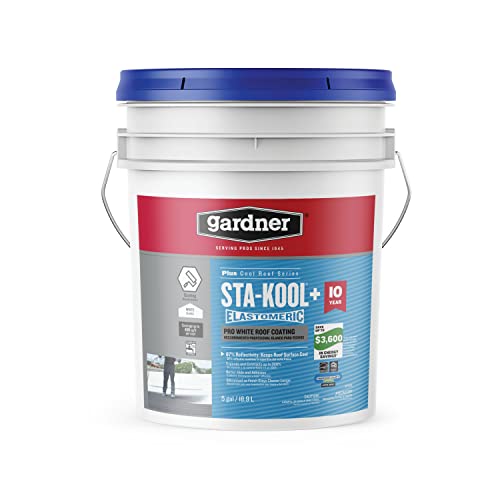
Gardner Sta-kool Elastomeric Roof Coating, White, RV Roof Coating 5 Gallon leads this shortlist for Whole-roof jobs on a big rig where a roller and a 5 gallon pail make sense.. Use that fit as a reference point, then compare the alternatives against your own space and workload.
Specs that separate the picks
The first details to compare are 5 gallon pail, 1 gallon, white. Confirm the exact model and included components before ordering.
Trade-off to plan for
Most expensive pick on this page

Before you buy

What Matters Before You Choose a Budget Polyurethane-Style RV Roof Coating

Key buying criteria so you get the right fit the first time.

  1. 01

    Resin on the label

    Polyurethane, acrylic, silicone and butyl rubber behave differently once cured, and the name in the marketing headline is not always the resin in the can. Find the resin or the coating type on the product page and match it to your roof and recoating plans. If the listing only says elastomeric or liquid rubber, treat it as a general-purpose water-based coating.

  2. 02

    Elongation and flexibility

    A coating that stretches follows the roof as it heats and cools, and one that cannot will crack at seams. Listings quote figures like movement up to 300 times for Gardner, which is a maker claim rather than a measured result. Look for a stated figure on the product page and prefer coatings described as staying flexible in cold.

  3. 03

    Solar reflectivity

    A bright white finish reflects heat and lowers the roof surface temperature, which can ease the load on an air conditioner. Gardner quotes 87 percent reflectivity, and others describe a reflective white finish without a number. Pick a stated figure where you can, since a number is easier to compare than a phrase.

  4. 04

    Application tools and conditions

    Roller, brush, squeegee or sprayer all appear across these listings, and a kit with gloves and a roller saves a trip. Expect to need a dry window and above-freezing storage. Check the recoat interval, since four to eight hours between coats changes what fits in a weekend.

  5. 05

    Roof membrane match

    EPDM, TPO and PVC roofs accept coatings differently, and some listings name them while others only say rubber. A coating that names your membrane has at least been written with it in mind. For TPO especially, confirm with the membrane maker before committing to a full coat.

  6. 06

    Container size and spend

    The 5 gallon pail is far cheaper per gallon than a stack of one gallon cans, yet it is wasted on a small roof. Estimate the area, multiply by the coverage rate in the listing and then choose the size. Buying slightly more than you need beats running short mid-coat and mismatching batches.

Our standards

Why You Can Trust RV Gear Lab

At RV Gear Lab, we compare products based on rig fit and power or hookup compatibility, verified specifications, usability, setup requirements, weight, durability, and real-world trade-offs. We do not rank products purely on marketing claims or commission rates.

We have not personally tested every product listed. Where hands-on testing is not available, recommendations are based on verified manufacturer specifications, product documentation, use-case fit, and comparative research.

How we review RV gear →

Detailed reviews

The 5 best budget polyurethane-style rv roof coatings, explained

01
Best for: Whole-roof jobs on a big rig where a roller and a 5 gallon pail make sense.

Our take

Roller work, spread into a uniform coat according to the label, from a company that has served roofing professionals since 1945.

Why it made the shortlist

Sta-Kool is a white acrylic latex elastomeric that the listing says expands and contracts up to 300 times with the roof, resisting cracking and peeling. The 87 percent reflective finish is the kind of number that matters on a metal or white roof sitting in summer sun.

Packaged in a 5 gallon container, it is the most expensive pick on this page, and the extra outlay is the pail itself. Per gallon it works out well below the one gallon cans, so a full motorhome or fifth wheel roof is where it earns its place.

What works

  • Low cost per gallon in the pail
  • Reflective finish helps the roof run cooler
  • Stretches with roof movement
  • Roller-ready, long-established maker

Watch out for

  • Most expensive pick on this page
  • Pail is more than a small roof needs
02
Best for: Owners who want a zero-VOC, water-based coating for a small roof or repair.

Our take

The maker advises storing sealed containers above freezing.

Why it made the shortlist

SENVEN's one gallon can is a water-based, zero-VOC formula listed for EPDM, TPO, fiberglass and aluminum roofs, plus skylights and vent covers. Rolling on like paint, it is quoted at one gallon per 50 square feet at the recommended finished thickness.

Against the Gardner pail it trades volume for convenience and sits high among the one gallon cans on price, because the listing frames it as a complete roof protection system. The water-based chemistry means soap-and-water cleanup.

A good match for a pop-up camper, a van roof or a stubborn leak around a vent.

What works

  • Names four roof materials
  • Zero-VOC, low-odor formula
  • Soap-and-water cleanup
  • Rolls on like paint

Watch out for

  • Small container for a full roof
  • Must be kept from freezing
03
CUKWUYBY RV Roof Sealant White, RV Roof Coating 1 Gallon
  • 1 gallon, white
  • Roller, brush, squeegee, sprayer
  • No solvents, water-based
Check price on Amazon for CUKWUYBY RV Roof Sealant White, RV Roof Coating 1 Gallon (opens in a new tab)
Best for: Owners who want maximum stretch from a water-based sealant on varied surfaces.

Our take

Heavy coats are recommended to build up the waterproof membrane, so the one gallon can is best matched to a modest roof.

Why it made the shortlist

CUKWUYBY describes a high-elongation film that stretches and stays flexible without shrinking, finished in heat-reflective white. It is water-based and solvent-free, and the copy calls it safe for use around people and pets.

A step below SENVEN on price, it adds squeegee and sprayer to the list of application tools and states that no separate water-based primer is required for most surfaces. That cuts a line from the shopping list.

What works

  • Wide choice of application tools
  • Low-odor, solvent-free formula
  • Primer-free claim on most surfaces
  • Heat-reflective white finish

Watch out for

  • Newer maker with little track record
  • Heavy coats needed to build thickness
04
Best for: EPDM, TPO and PVC roof owners who want membrane names on the label.

Our take

A flexible elastomeric film is meant to follow the roof through expansion and contraction rather than splitting.

Why it made the shortlist

EZ On Coat names EPDM, TPO, PVC and rubber roofing systems directly in its title and copy, and positions the white elastomeric formula for seams, cracks and seals around fixtures. That specific list is rare among budget cans.

It sits just under the CUKWUYBY can on price, and it narrows its pitch to travel trailers, fifth wheels, vans and mobile-home roofs. The listing stresses UV and weather resistance against chalking and sun damage.

What works

  • Membrane names printed in the title
  • Targets seams and fixture seals
  • UV and chalking protection stated
  • Reflective white finish

Watch out for

  • Sparse technical detail in the listing
  • No stated coverage rate
05
Best for: First-timers who want the tools in the box and the lowest outlay.

Our take

The listing says it works on aluminum, wood, concrete and aged rubber, and that it seals ponding water, UV and oxidation.

Why it made the shortlist

Fuchoi is the entry pick, and it wraps the gallon of white coating together with two nitrile gloves, a roller, a brush, masking film, tape and sandpaper. That kit means a first-timer can start without a hardware store run.

Compared with EZ On Coat, it costs noticeably less and tells you more about application: one thick coat of one to two millimeters dry film covers up to 50 square feet, with four to eight hours between coats.

What works

  • Gloves, roller and brush included
  • Clear coverage and recoat guidance
  • Lowest outlay among these picks
  • Works on aged rubber and metal

Watch out for

  • Unfamiliar brand name
  • Tools in the kit are basic

Methodology

How We Built This Shortlist

Each pick was assessed across 5 criteria weighted for real-world use.

01

Resin honesty

We read each listing for the resin family it admits to, whether acrylic latex, liquid rubber or silicone. None of these titles claims polyurethane, so we weighed them on how well they deliver the same flex and toughness. A pick was never promoted on a resin claim it does not make.

02

Stated flexibility

We compared elongation and expansion figures, such as the Gardner claim of 300 times movement. These are manufacturer figures, not measurements, and we treated them as such. Flex matters because RV roofs move with heat and travel.

03

Application path

We looked at the tools each listing names, whether roller, brush, squeegee or sprayer, and whether a kit is included. A budget buyer saves money when the tools come in the box. Recoat timing was noted where stated.

04

Roof fit

We checked which membranes each coating names. Some list EPDM, TPO and PVC, others lean on metal or concrete. A label that matches your roof is the first filter.

05

Position on price

We placed each pick relative to the others without quoting numbers, since prices move. We then asked what the next step up buys, which here is volume, an included kit or a clearer roof match.

Decision guide

Match a Budget Polyurethane-Style RV Roof Coating to Your RV

By Roof Size

Container size is the fastest filter for this group.

RoofBest pickWhy
Motorhome or large fifth wheelGardner Sta-KoolPail volume at a lower cost per gallon
Mid-size towableSENVEN 1 GallonZero-VOC can, multiple cans stack easily
Small camper or vanCUKWUYBY SealantOne flexible gallon covers a small roof
Rubber roof with fixturesEZ On CoatNames EPDM, TPO and PVC
First-time DIY repairFuchoi KitTools come in the box

By Budget

Bands are relative to this shortlist; the figures change too often to print.

BandPickWhat you get
Entry of this shortlistFuchoi KitA gallon plus gloves, roller and brush
Low-midEZ On CoatA membrane-named elastomeric gallon
MidCUKWUYBY SealantA flexible water-based gallon
Upper-midSENVEN 1 GallonA zero-VOC gallon framed as a full system
TopGardner Sta-KoolA 5 gallon pail for a whole roof

Acrylic Latex vs Liquid Rubber Sealant

These two families dominate the budget aisle.

Acrylic latex elastomeric

Gardner Sta-Kool is a classic roller-applied acrylic with a stated reflective finish. It is economical by volume and familiar to roofers, and it rewards a dry application window.

Liquid rubber sealant

SENVEN 1 Gallon, CUKWUYBY Sealant, EZ On Coat and Fuchoi Kit are sold as flexible rubber-style sealants for RV roofs. They arrive in one gallon cans and are easier to start with on a small job.

A big roof points to Gardner Sta-Kool; a small roof or repair points to one of the one gallon cans.

By Included Extras

What is in the box changes the true cost of the job.

ExtrasBest pickWhy
Tools includedFuchoi KitRoller, brush, gloves, tape, sandpaper
Low-VOC, water cleanupSENVEN 1 GallonZero-VOC water-based formula
Wide tool compatibilityCUKWUYBY SealantRoller, brush, squeegee or sprayer
Roof-type names on labelEZ On CoatEPDM, TPO, PVC called out
Professional heritageGardner Sta-KoolRoofing brand since 1945

For Heat Reduction Specifically

Many buyers choose a coating to keep the cabin cooler.

Look for

A stated reflectivity number, a white finish and a coating thick enough to hold it. Stated figures beat marketing adjectives.

In this comparison

Gardner Sta-Kool lists 87 percent reflectivity, and SENVEN 1 Gallon, CUKWUYBY Sealant and Fuchoi Kit each describe heat-reflective white finishes.

When to Spend More

A larger spend is justified when volume or fit is on the line.

Spend more if

The roof is large, where Gardner Sta-Kool cuts the cost per gallon, or you want a zero-VOC system with SENVEN 1 Gallon.

Save if

The roof is small or the job is a patch, where Fuchoi Kit and EZ On Coat do the work at the lowest outlay.

FAQ

Before You Bring One Home

Are any of these actually polyurethane coatings?

None of the titles claims polyurethane. They are water-based acrylic latex or liquid rubber elastomerics. If you want a true polyurethane, read the resin line on the label and confirm it matches your roof. For most RV owners the elastomerics here do the same flexible-membrane job.

Is a 5 gallon pail overkill for an RV?

For a large motorhome or fifth wheel roof it is the economical choice, since a pail costs far less per gallon than a stack of cans. A small camper or van does not need it. Estimate the area before you decide.

Do I need a primer with these coatings?

CUKWUYBY and Fuchoi both say no primer is needed on most surfaces, and SENVEN and EZ On Coat do not require one in their copy. On EPDM and TPO a primer is still the safer route, so read your membrane maker's guidance.

How many coats should I plan for?

Fuchoi describes one thick coat with four to eight hours between coats if more are needed. Other makers recommend two coats and heavy application to build thickness. Plan two, and let the first dry fully.

Can I roll it on in cold weather?

Cure needs a dry window and reasonable temperatures with water-based products. SENVEN advises storing sealed containers above freezing. Apply on a dry day and avoid rain for several hours.

Does a reflective white coating actually cool the RV?

A reflective white finish lowers roof surface heat, which can ease the load on an air conditioner. Gardner lists 87 percent reflectivity, a manufacturer figure. Expect a modest benefit rather than a dramatic one.

Bottom line

The short version

Browse more budget polyurethane-style rv roof coatings on Amazon →
Bowen Higgins, RV Editor at RV Gear Lab

About the author

Bowen Higgins

RV Editor at RV Gear Lab

Bowen covers RV power, water systems, towing and leveling, upkeep and interior comfort, with a focus on matching gear to the rig, the hookups and the way you actually travel.

More from Bowen →Editorial standards

Keep reading

Related guides