
Practical Camping Guide · 12 min read
How to Choose a Camping Pillow
Choose a camping pillow by sleeping position, loft, packed size and material, with a comparison of inflatable, foam, fill and hybrid designs.

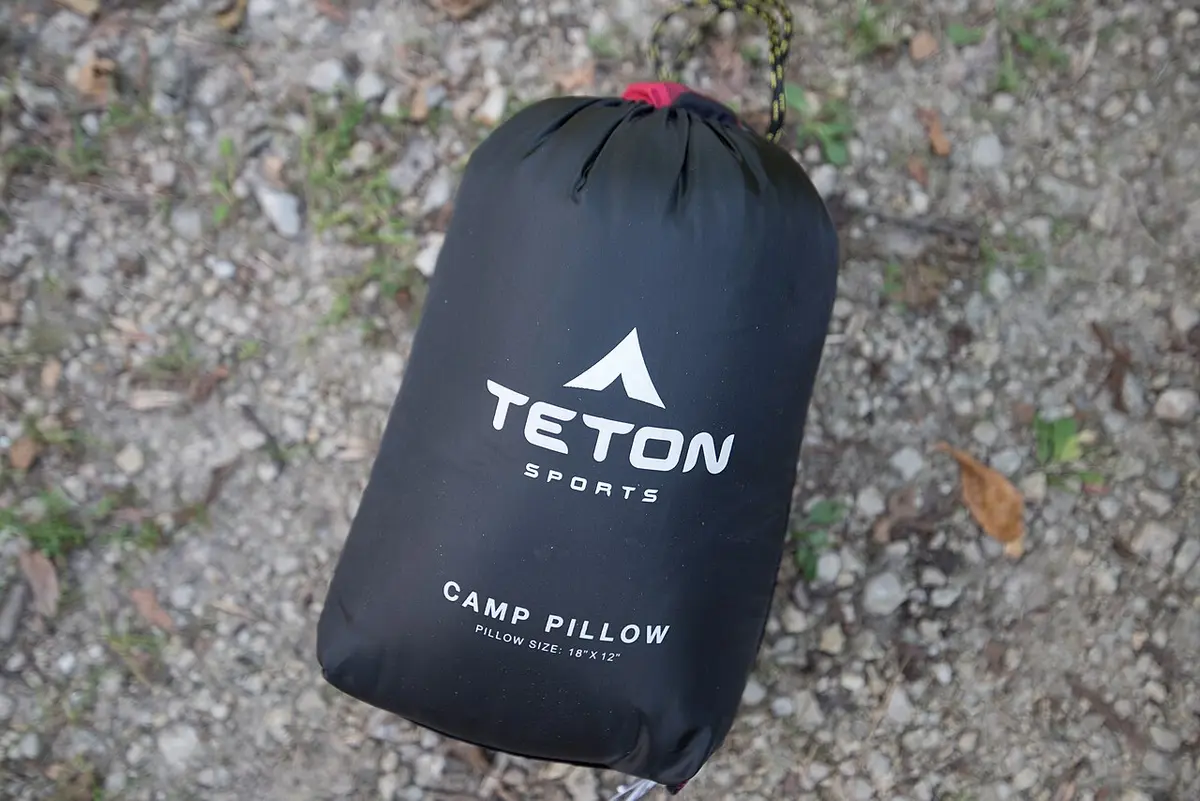
Choose a camping pillow by sleeping position first, then by packed size, material and price. Side sleepers need a taller pillow, about 4 to 6 inches of loft, to keep the head level with the spine, back sleepers do best with 3 to 4 inches and stomach sleepers with 2 inches or less. Inflatable pillows pack smallest, compressible foam or fill pillows feel closest to a bed pillow, and hybrids combine a foam core with an air chamber. A good camping pillow is the cheapest upgrade for sleep quality.
A pillow does not warm you, but it decides whether your neck wakes up sore, and a bad night's sleep ruins the next day's hike. Many campers stuff a jacket into a sack and call it a pillow, which works for a night or two and fails for longer trips. This guide explains how loft, shape and material affect comfort, gives size and weight guidance for different sleepers, compares the main types and lists the care and hygiene steps that keep a pillow usable for years.
Why loft matters more than anything else
Loft is the height of the pillow under your head when you lie on it. The goal is to keep your neck in line with your spine. If the pillow is too low, your head tilts back or to the side, straining the neck. If it is too high, the neck bends forward or upward. The right loft depends on the distance from your ear to the shoulder (for side sleepers) and the thickness of your head against the mattress (for back sleepers).
Camp pads are thin and often compress under your shoulder, which changes the gap. An air mattress or thick pad lifts your body and requires a lower pillow, while a thin foam pad requires a higher one. If you plan to sleep on the same pad most nights, test the pillow with it before the trip, and adjust by adding clothing under the pillow or deflating it slightly.
| Sleeping position | Typical loft | Shape note |
|---|---|---|
| Side | 4 to 6 in | Wider, firmer pillow; gap fill at the neck |
| Back | 3 to 4 in | Medium pillow with a cervical curve helps |
| Stomach | 1 to 2 in | Low, soft pillow or none |
| Combination | 3 to 5 in | Adjustable inflation or fill |
Types of camping pillows
Inflatable pillows. A bladder inflated by mouth or a small pump, covered with fabric. They are the lightest and smallest, often 2 to 4 ounces and about the size of a soda can. Comfort varies: a simple air bladder feels bouncy and can slip, while shaped designs with a contoured top and a brushed fabric cover are more stable. Loft is adjustable by adding or releasing air. They can leak and need care against punctures.
Compressible foam pillows. Made of shredded or solid memory foam covered with soft fabric. They feel like a real pillow and keep their shape, but they are bulkier and heavier, around 8 to 14 ounces. They compress into a stuff sack to about half size. Good for car camping and for people who need a firm base.
Fill pillows. Stuffed with synthetic fibers or down, they feel soft and are easy to adjust by punching and fluffing. They are less supportive than foam but more compressible. Synthetic fill tolerates damp better, and down fill is lighter and compresses small but is pricier.
Hybrid pillows. A foam core wrapped in an air chamber, or foam with an inflatable section for adjustable loft. They balance comfort and packability and are popular with backpackers who want a bit more support.
Stuff-sack pillows. An empty stuff sack filled with clothes. This costs nothing, adjusts to any loft and is the baseline against which every other pillow should be compared. The drawback is that it shifts and its height changes with what you pack.
Matching the pillow to how you travel
Backpacking and bikepacking. Weight and packed size dominate. A pillow of 2 to 5 ounces that packs smaller than a water bottle is the target. Inflatable and hybrid designs lead. Check the best backpacking pillows for side sleepers and the best backpacking pillow for stomach sleepers for examples tuned to those positions.
Car camping. Space is no issue, so comfort rules. A full-size foam or fill pillow, or a standard home pillow in a washable case, gives the best sleep. Bring a pillowcase that you can wash.
Hammock camping. Hammocks have no headrest, so a pillow stays in place poorly. Choose a small, curved pillow or a stuff sack placed under the head, and consider a pillow with a strap that wraps around the ridgeline. For hammock background, see how to choose a camping hammock.
Travel and RV. Standard pillows are fine, and a compressible pillow is good for space-saving.
Sleeper types in detail
Side sleepers need the most loft to fill the gap between the shoulder and head, and a pillow wide enough that the head does not roll off. Look for a pillow at least 12 inches wide and 4 to 6 inches thick when inflated, with a slightly firm feel. Options include the best camping pillows for side sleepers, which weigh the trade-offs of loft against pack size.
Stomach sleepers need very low loft to avoid hyperextending the neck. A thin, soft pillow or a partly inflated one works, and some stomach sleepers use no pillow at all. See best camping pillow for stomach sleepers. Place a thin pillow under the chest or pelvis if you find your lower back arching.
Back sleepers can use a moderate loft pillow with a slight cradle for the head and a rise at the neck. If you often wake with neck pain, adjust the loft up or down by half an inch and try again.
Restless sleepers who change positions need a pillow that adjusts easily or is wide enough to support several positions. A hybrid with an air chamber is ideal because you can let out or add air through the night.
Materials and covers
The cover affects comfort more than people expect. A brushed polyester or fleece cover feels warm and soft against the cheek and holds the pillow in place on slippery pads. A smooth nylon cover is light and cool but can feel slippery. A cover with a non-slip texture on the bottom helps against slipping off a pad. Look for removable, washable covers on car-camping pillows.
Inflatable pillows use TPU or PVC bladders. TPU is lighter and quieter, and resists cold, while PVC is cheaper and crinkly. A noisy pillow wakes light sleepers, so check feedback for crinkle noise. Valves matter: a simple twist-lock valve is secure, while cheap valves leak and a pillow that deflates overnight is useless. Choose a valve that you can easily operate with cold fingers.
Testing a pillow before you commit
The best way to choose is to test. Lie on your usual pad in your usual position with the pillow, and stay for ten minutes. Notice whether your neck feels neutral, whether the pillow shifts and whether the cover feels pleasant. Have a friend look from the side: your nose should point roughly forward, not up or down, and your head should not tilt. If you buy online, order from a seller with an easy return policy and test at home, not on the trail.
For inflatable and hybrid pillows, test the inflation range. Inflate to the loft you need, lie on it for a few minutes and check for slow leaks. Squeeze the valve while holding the pillow to see how easy it is to adjust. For foam and fill pillows, check how they compress and spring back, which tells you how well they will survive months in a stuff sack. Ten minutes at home avoids many bad nights.
Fixing a pillow that does not work
If your pillow is almost right but not quite, small changes help. Too low: place a folded jacket or a stuff sack under the pillow or under the pad at the head end, which raises the whole surface. Too high: let some air out, or compress the fill by sleeping on the edge. Too slippery: wrap the pillow in a fleece layer or place a thin piece of grippy shelf liner under the pillow. Too noisy: put a soft cloth over the pillow or add a thin layer of fleece between the bladder and your head. Too narrow: place a rolled towel along the edge or stack the pillow on a second one.
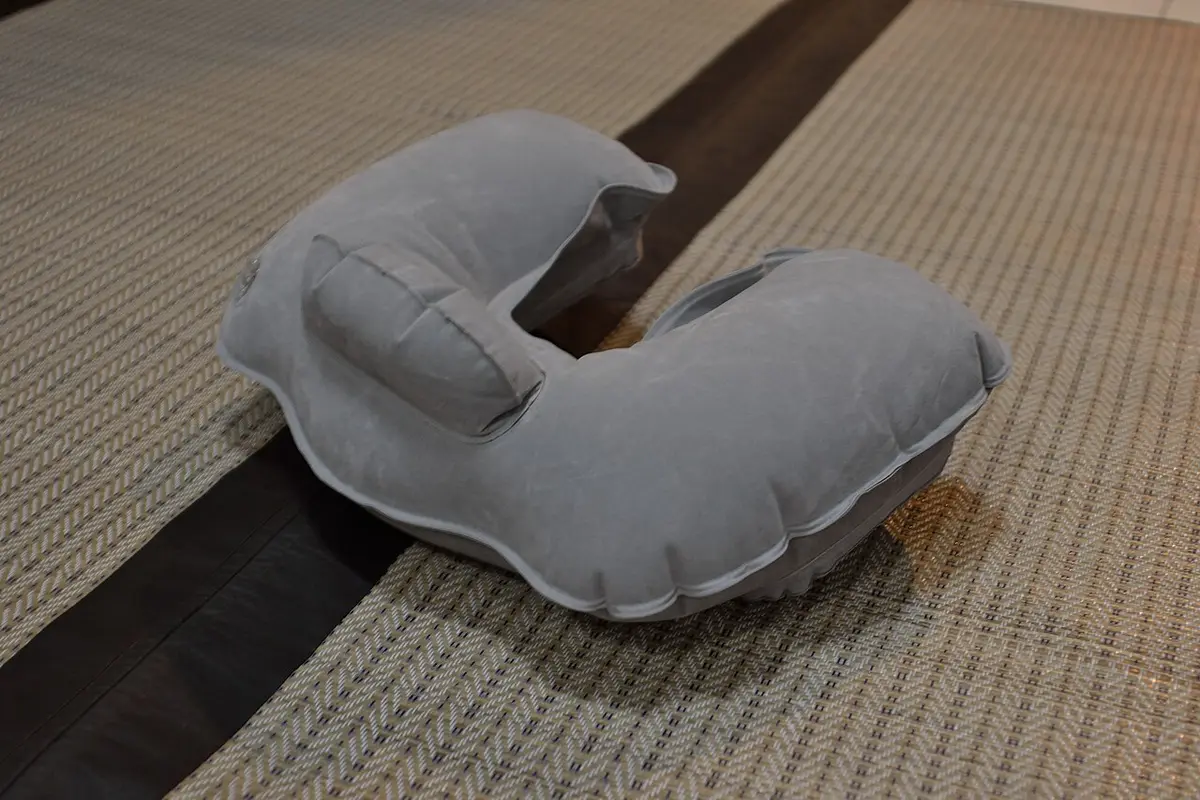
For neck pain, the key adjustment is height. Try changing the loft by half an inch at a time, and give each setting a night. For side sleepers, filling the gap between neck and shoulder matters more than the thickness under the head. A cervical curve, a small ridge under the neck, can help if you suffer from stiffness. If pain persists after a few nights, see a professional, because camp sleep is not the only cause.
Pillow types compared at a glance
| Type | Weight | Packed size | Comfort | Adjustable | Best use |
|---|---|---|---|---|---|
| Inflatable air | 2 to 5 oz | Soda can | Fair to good | Yes, by air | Backpacking, bikepacking |
| Hybrid foam and air | 5 to 9 oz | Water bottle | Good | Yes | Backpacking with comfort |
| Compressible foam | 8 to 14 oz | Loaf of bread | Very good | No | Car camping, lighter hikes |
| Synthetic fill | 6 to 12 oz | Small stuff sack | Good | Somewhat | General use, damp climates |
| Down fill | 3 to 8 oz | Small | Very good | Somewhat | Ultralight comfort |
| Stuff-sack and clothes | 0 extra | None | Variable | Yes | Emergency, short trips |
These numbers are typical ranges, not promises. A well-designed hybrid can match a foam pillow for comfort at half the size, and a bargain inflatable can fall short of a stuffed jacket. Use the table to narrow the field and then test.
Pillows for kids, travel and special cases
Children need smaller and lower pillows. A child's neck is shorter, and a pillow that suits an adult can tilt the head awkwardly. Choose a small compressible pillow of 2 to 3 inches loft, or let the child use a stuffed animal in a small sack. For toddlers sleeping in a tent, follow safe sleep guidance and avoid soft pillows for infants.
For air travel and road trips, a compact inflatable or a travel neck pillow has a second life at camp. Some inflatable pillows double as lumbar supports or as a seat cushion on hard benches. For people with neck or back issues, a cervical or contoured pillow and a pad with good support can make camping possible. If you use a CPAP machine at camp, check that the pillow design leaves room for the mask and hose, and plan for power.
Pets also like pillows, and a small pad for the dog's head keeps your pillow dry and clean. In dusty or damp places, bring a waterproof stuff sack for the pillow to keep it from picking up moisture and dirt before bed. These small steps make camp sleep feel more like home.
How a pillow fits into the whole sleep system
Pillow, pad, bag and tent work together. A thick, soft pad changes the loft you need, and a narrow mummy bag restricts shoulder room and limits how wide a pillow can be. A slick pad lets the pillow slide, and a pad with a built-in pillow area or straps solves that. A warm hat on a cold night is both pillow cover and insulation, and a bag hood can be cinched around a small pillow to keep it in place.
If you plan to buy several items, start with the pad, then the bag and last the pillow, because the first two decide the room and loft left for the pillow. For the bag side, the explainers on sleeping bag temperature ratings and mummy vs rectangular bags cover fit and warmth. A good pillow completes the system and often makes the difference between a night of broken sleep and a morning ready for the trail.
Budget and value
Camping pillows are inexpensive compared with other sleep gear. The best camping pillows under $20 and best camping pillows under $30 lists show many options, and at these prices you can often find a very acceptable inflatable or compressible pillow. More expensive models add features like contoured shapes, premium covers and better valves. Spend a little more if you sleep poorly, because a pillow is a small price for good sleep.
Compare against the cost of a night's lodging or a bad trip. A $25 pillow that improves sleep on a dozen trips costs a couple of dollars each time, which makes it one of the best-value pieces of camp gear. For help assembling the rest of the sleep system, see sleeping bag vs quilt and sleeping pad vs air mattress, and the broader guide on how to sleep comfortably while camping.
Pillow ideas for hammocks, cots and small spaces
Different sleeping setups need different pillows. In a hammock, a pillow that is too thick tilts your head forward, and a loose pillow slides out. Choose a small, soft pillow or a thin inflatable that you can strap or tuck into the fabric, or use the gathered end of the hammock rolled with a jacket. On a camp cot, the frame can leave a gap at the head, so a thicker pillow or a rolled blanket fills the space. In a small tent or a van, a compressible pillow saves room, and a pillow with a washable case keeps bedding clean.
For side sleepers who share a tent, a wider pillow prevents heads from rolling together, and a pillow with a gap for the ear helps those who sleep on one side. For campers who need to stay upright due to congestion or reflux, a wedge or two stacked pillows may help. Whatever you choose, take the same pillow on every trip so that your head knows what to expect, and you will adapt quickly to the rest of the camp bed.
Care, hygiene and storage
A pillow touches your face for hours, so keep it clean. Use a pillowcase or a spare shirt, wash covers regularly and air the pillow after each trip. Inflatable pillows can be wiped with mild soap and water and dried completely, because trapped moisture grows mildew. Foam and fill pillows can be hand washed or machine washed on a gentle cycle if the label allows, and air dried. Store pillows loose and uncompressed to protect the foam and the loft.
Avoid contact with sharp objects, which puncture inflatable pillows, and keep valves clean. Carry a small repair patch. Do not leave the pillow in a hot car, where adhesives and foams can degrade. Replace the pillow when the foam crumbles, the fill clumps or the bladder leaks.
Common mistakes to avoid
- Choosing by weight alone and ignoring loft.
- Over-inflating an air pillow so the head is propped too high.
- Ignoring the cover, then fighting a slippery pillow all night.
- Leaving an inflatable pillow with the valve open and finding it flat.
- Forgetting to wash the pillowcase or cover.
- Compressing a foam pillow for months in a stuff sack.
- Using a pillow that is too narrow for a restless sleeper.
Frequently asked questions
How tall should a camping pillow be?
It depends on your position: 4 to 6 inches for side sleepers, 3 to 4 for back sleepers and under 2 for stomach sleepers. Adjust for your pad, because a thick pad needs a lower pillow and a thin one a higher pillow.
Are inflatable pillows comfortable?
They can be, especially shaped ones with soft covers. They feel less like a home pillow, and they can feel bouncy or noisy. Letting some air out and testing the position helps. Many backpackers find them comfortable enough for the weight savings.
Is a stuff sack pillow good enough?
For short trips, yes. It is free and adjustable. For longer trips, a dedicated pillow gives more consistent support and comfort. Many campers carry both, using a stuff sack to raise a thin pillow.
How do I stop my pillow from sliding off the pad?
Choose a pillow with a non-slip base, a fleece cover or a strap, and use a pad with a pillow pocket or a strap system. Tucking the pillow into the bag's hood helps too.
How do I clean a camping pillow?
Wipe inflatable pillows with mild soap and a damp cloth and dry completely. Wash foam and fill pillows by hand or on a gentle cycle if allowed, and air dry. Use a washable case or cover to reduce washing.
Can I use a regular pillow for car camping?
Yes. A standard pillow in a washable case is the most comfortable option when space is not an issue. Keep it clean and dry, and use a plastic bag for transport.
Sources & further reading
Image credits
- "Teton Sports Camp Pillow (40251830890)" by Tony Webster from Minneapolis, Minnesota, United States, CC BY 2.0, via Wikimedia Commons.
- "Travel Pillow" by Takahiro Yamagiwa, CC BY 2.0, via Wikimedia Commons.


Ready to buy?
Compare the gear: Sleep Gear
5 Best Backpacking Pillow For Stomach Sleepers in 2026
Best backpacking pillows for stomach sleepers: five low-profile foam and adjustable air pillows that keep the neck neutral without adding pack weight.
6 Best Camping Pillow For Side Sleepers in 2026
Best camping pillows for side sleepers: six pillows with enough loft to fill the shoulder gap, from compressible foam to large inflatable designs.
5 Best Camping Pillow For Stomach Sleepers in 2026
Best camping pillows for stomach sleepers: five low-loft foam pillows that keep the neck neutral on the ground, with notes on which ones run tall.
6 Best Backpacking Pillows For Side Sleepers in 2026
Best backpacking pillows for side sleepers: six picks from a 2.4 oz inflatable to a 4 inch memory foam pillow, chosen for loft, neck support and packed size.
6 Best Camping Pillows Under 20 in 2026
Best camping pillows under $20: inflatable and shredded-foam camp pillows compared on packed size, thickness, cover and washability, from $9 to $20.
5 Best Camping Pillows Under 30 in 2026
Best camping pillows under $30: five inflatable, foam and stuffed pillows compared on thickness, weight and what $30 buys over a $15 pillow.
5 Best Camping Pillows Under 50 in 2026
Best camping pillows under $50: five foam, cinch and stuffed pillows compared on loft control, pack size and what the extra budget really adds.
5 Best Camping Pillows Under 75 in 2026
Best camping pillows under $75: five inflatable, memory foam and stuffed pillows compared on thickness, packed size and what extra money buys.
Keep reading