
Practical Camping Guide · 13 min read
How to Store a Sleeping Bag Without Ruining the Loft
Store a sleeping bag clean, dry and uncompressed to protect its loft: hang it or use a breathable sack, avoid attics, garages and RV bays.

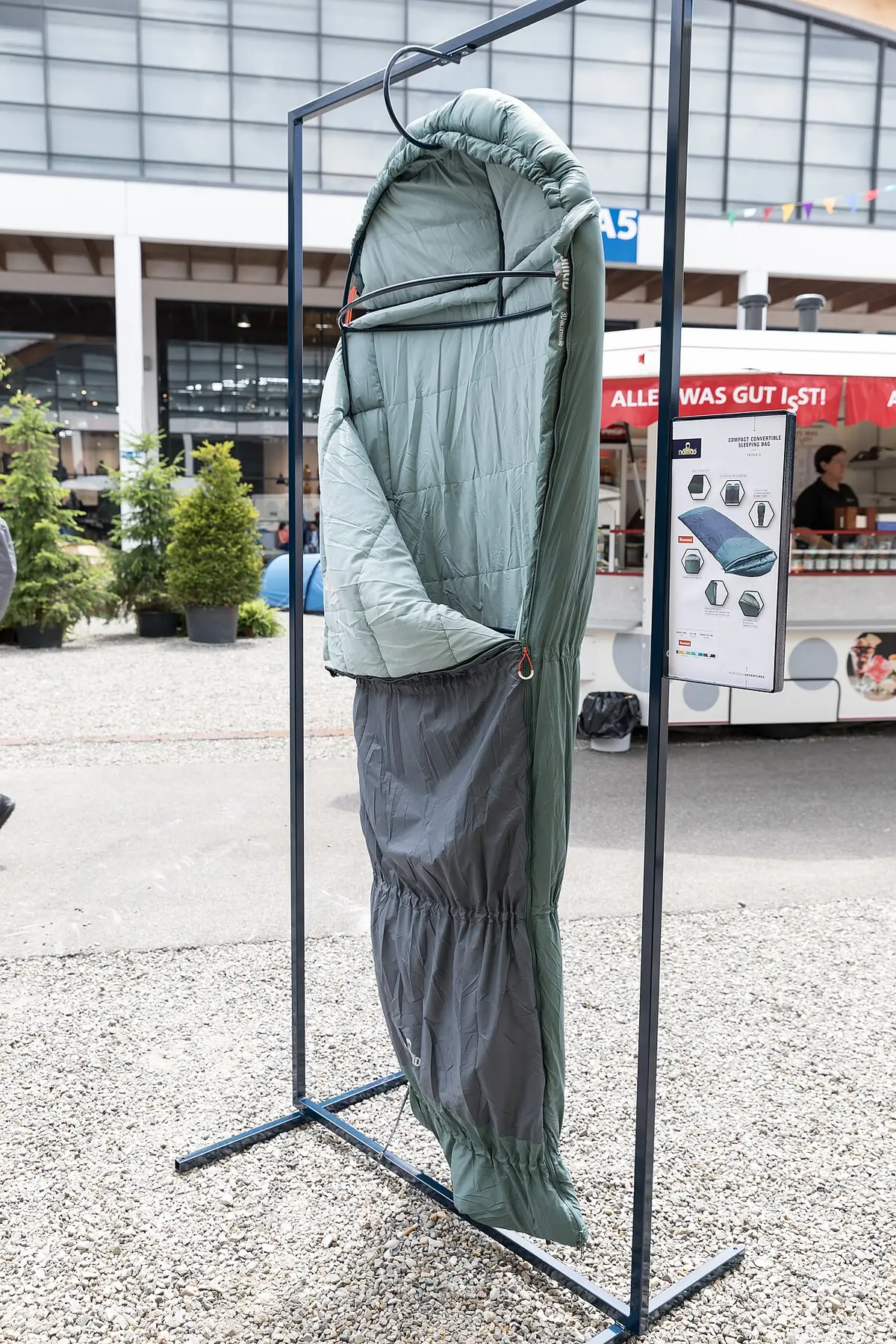
Store a sleeping bag clean, completely dry and uncompressed. Hang it in a closet or lay it loose in a large breathable cotton or mesh storage sack, in a cool, dry, dark place with moderate humidity, and keep it out of the stuff sack, attic, damp basement, garage, hot car trunk or RV storage bay. Compressing a bag for months flattens the insulation and permanently reduces its loft, which is the thickness of trapped air that keeps you warm.
Most damaged sleeping bags were not worn out on the trail, they were ruined in storage. A down bag crushed in its stuff sack for a winter loses loft and warmth, a damp bag in a closet grows mildew and a bag stored in a hot attic can degrade its shell and insulation. This guide explains why compression and moisture are the enemies, how to prepare a bag for storage, which containers and locations work, how to handle storage in RVs, vehicles and small spaces, how long to store it and how to bring it back to life when the season starts again.
Why storage matters so much
A sleeping bag keeps you warm by holding a thick layer of still air in its insulation. Down clusters and synthetic fibers are springy, and each time the bag is compressed they bend and return. Short compression, such as a day in a pack, is harmless. Long compression, over weeks or months, causes down clusters to flatten and break and synthetic fibers to lose their spring and set in a crushed shape. Recovery is partial. A bag that spends years crushed will lose a measurable amount of warmth, and a premium bag can lose a notch or two of temperature rating.
Moisture is the other threat. A damp bag in storage grows mildew, which stains and weakens fabric and creates odors that are hard to remove. Heat speeds degradation of waterproof coatings, adhesives, zipper tapes and some synthetic fibers. Dust and body oils sit in the insulation. A little attention at the end of the season protects a bag that might cost hundreds of dollars.
Before you store: clean and dry
- Air the bag. Hang it in the shade on a breezy day for several hours, turning it inside out for part of that time. Sunlight is fine for brief periods but UV weakens shell fabrics, so avoid all-day exposure.
- Check for dirt and odors. If the bag is visibly dirty or smells sweaty, wash it first. See how to wash a sleeping bag for the right machine, cleaner and drying approach. Do not store a dirty bag, because oils attract moisture and pests.
- Make sure it is bone dry. A bag that feels dry on the surface can hold moisture in the center. For down bags, dry on low heat with clean dryer balls until the clusters are fluffy and no cool damp spots remain.
- Inspect and repair. Look for loose seams, snags in the zipper and tears. Patch or stitch small problems, because they grow in storage.
- Zip it up halfway. Leaving the zipper partly open prevents the teeth from being under tension, and zipping it fully can stress it as the bag moves.
The best ways to store a bag
Hanging. The best option for long-term storage is to hang the bag by loops at the foot in a cool, dry closet, which keeps it fully lofted. Use the hanging loops if your bag has them, and distribute the weight so no stitching bears the load alone. A wide padded hanger or a sturdy hook helps.
Large storage sack. Many bags ship with a big cotton or mesh sack designed for storage. Place the bag loosely in it, about the size of a laundry basket, and set it on a closet shelf or under a bed. The fabric breathes, so humidity does not build up.
Loose on a shelf or bed. A bag laid flat on a shelf or an unused bed, covered with a clean cotton sheet to keep dust off, is acceptable if the space is dry.
Avoid: the stuff sack, plastic bins, vacuum bags and sealed plastic bags, which trap moisture and compress insulation. A plastic bin is fine for a dry synthetic bag only if it is large and vented, which still is a poorer choice than a breathable sack.
Where to store it
The ideal place is cool, dry, dark and stable: a bedroom closet, a spare room or a shelf in a hallway closet. Aim for a temperature between about 50 and 75 degrees Fahrenheit and relative humidity below about 60 percent. Basements often run damp, attics run hot and garages swing between extremes with condensation and pests. If you must use a basement, use a dehumidifier. Keep the bag away from heating vents, direct sunlight and exterior walls that sweat in winter.
| Location | Verdict | Reason |
|---|---|---|
| Bedroom or hall closet | Best | Stable temperature and humidity |
| Under a bed | Good | Dark, stable, but check for dust |
| Basement | Risky | Humidity and mildew |
| Attic | Poor | Heat degrades coatings and insulation |
| Garage | Poor | Temperature swings, pests, fumes |
| Car trunk or vehicle | Poor | Heat in summer, humidity in winter |
| RV storage bay | Poor to risky | Heat, cold, condensation |
Storage in RVs, vans and vehicles
For people who live or travel in an RV, a van or a camper, storage is a real challenge. Storage bays and compartments swing hot in summer and cold and damp in winter, and condensation forms on cold surfaces. If you leave bags in the RV, choose the most stable spot, usually inside the cabin on a bed or a shelf, not an exterior bay. Store the bag in a breathable sack, away from windows and walls, and open the sack every few weeks to air it. Place a moisture absorber nearby in damp seasons, and check for musty smells.
In winter, bring valuable down bags indoors if the vehicle will sit unheated for weeks. In summer, avoid leaving bags in a closed vehicle in the sun, where temperatures can climb above 130 degrees and damage adhesives, coatings and synthetic fibers. If you must carry several bags in a small space, store them loosely in large breathable sacks stacked on a bunk, and use the stuff sack only for trips.
The stuff sack: use on the trail, not at home
A compression stuff sack is a trail tool. It keeps a bag small in a pack and protects it from dirt. Use it during a trip and take the bag out when you arrive home, ideally on the same day. For multi-day trips, remove the bag at camp each afternoon and let it loft before bedtime, which extends its life. A bag that stays compressed in a pack for a week of travel is fine, as long as you air it afterward.
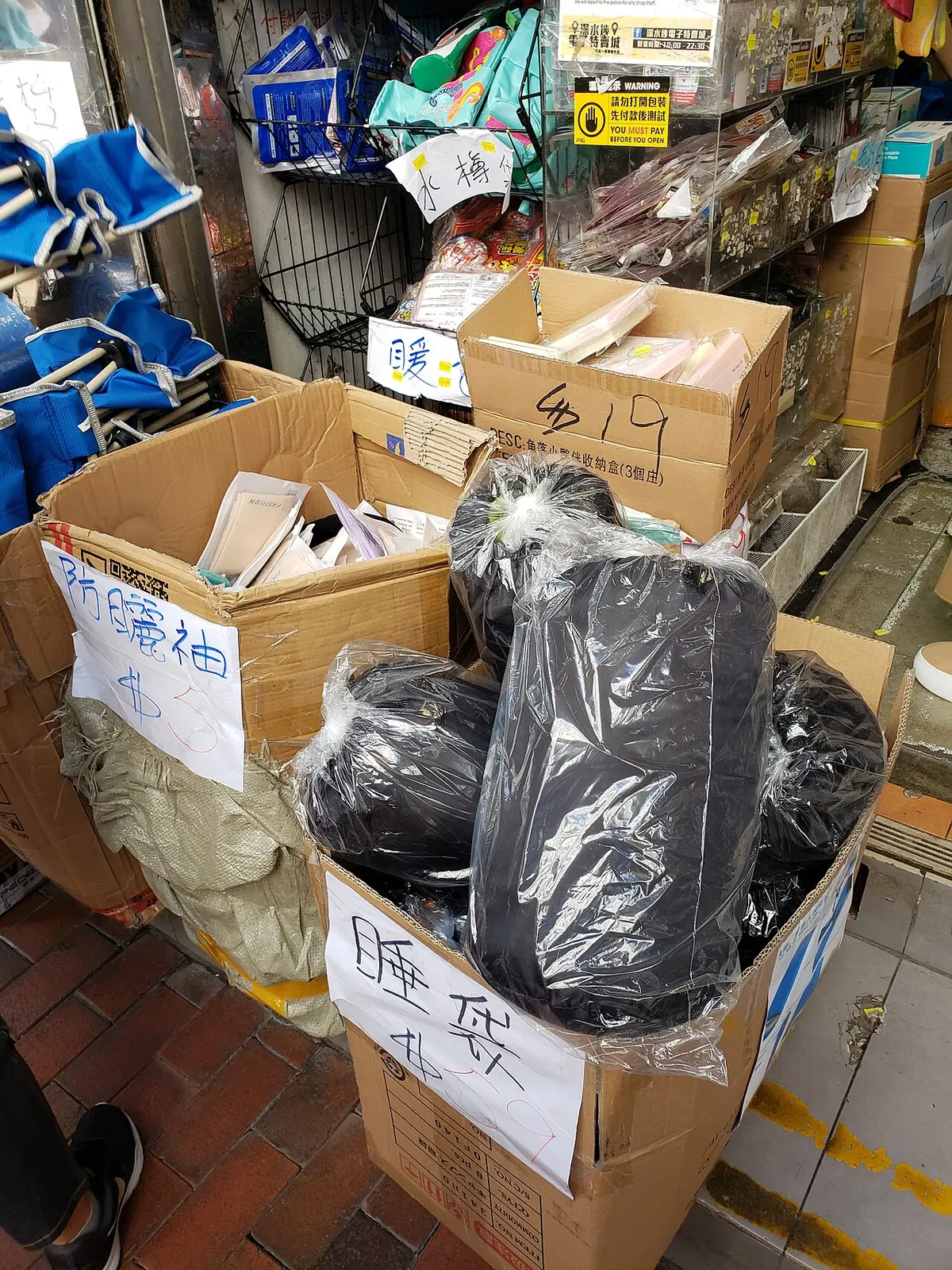
If you have to compress a bag at home for a few days, such as before a trip, use only light compression and avoid cinching the straps tight. For long-term storage, there is no substitute for a large sack or a hanger.
Special cases: down, synthetic, kids and doubles
Down bags are most sensitive to compression and moisture, and they benefit the most from hanging or loose storage. A cedar block or lavender sachet can discourage moths, but avoid strong chemicals and mothballs, which leave odors and can damage fabric.
Synthetic bags tolerate storage better, but they too lose loft with long compression. Store them loose when possible, particularly for premium synthetic insulation.
Kids' bags pass through many hands and often live in a closet, so keep them in a labeled sack and check for spills. Washable synthetic bags can be stored loose, and a quick wash at season's end prevents odors. For help choosing a kid's bag, see how to choose a sleeping bag for kids.
Double bags and large rectangular bags are bulky. A large duvet storage bag or a king-size cotton sack works, and a bed shelf or a closet top is a good home.
Storing the rest of the sleep system
A bag is only one part of a sleep kit, and the other parts deserve the same attention. Self-inflating pads should be stored with the valve open and rolled loosely or laid flat, which lets the foam keep its shape, and our explainer on what is R-value in a sleeping pad shows why the insulation inside matters. Air pads and mattresses store best partly inflated or flat with the valve open. Quilts follow the same rules as bags: hang them or keep them loose, as discussed in sleeping bag vs quilt, and a camp blanket needs only a dry, clean shelf, a point covered in sleeping bag vs camping blanket. Folding cots should be wiped, dried and stored with the frame unlocked and fabric not stretched tight, and the choices between them and pads are covered in camping cot vs sleeping pad.
Group the system in one place at the end of the season: bag hanging, pad flat under a bed, liner washed and folded, pillow in its case. When the season starts, you can pull everything out together, inspect it and test the system at home. A gear shelf with a labeled bin for repair supplies, patches, seam sealer and spare stuff sacks keeps small problems from becoming trip-ending failures. The time invested pays back each spring, when your gear is clean, lofted and ready, and you spend the first weekend camping instead of troubleshooting.
A seasonal storage checklist
Use this list at the end of each season so nothing is missed.
- Empty the bag of stray items such as snacks, wrappers, lip balm and wet socks.
- Air the bag outside for a few hours in the shade.
- Spot-clean or wash the bag if it is dirty or smelly.
- Dry it completely, then give it a few more hours.
- Repair zippers, seams and snags.
- Place it in a large breathable sack or hang it by the loops.
- Choose a cool, dry, dark, stable location away from walls, vents and sun.
- Put a reminder in your calendar to check it mid-season.
- Store the stuff sack separately, with a patch kit and cord.
- In spring, loft the bag in a dryer on low heat for a short cycle, and test it before a trip.
Humidity and temperature: the numbers that matter
Two numbers drive most storage outcomes. Relative humidity above about 65 percent encourages mildew on fabric within weeks, and above 75 percent it can start in days. A cheap hygrometer in the closet tells you the truth, and if readings stay high, a small dehumidifier or a tub of moisture-absorbing crystals brings it down. Temperature matters less within the normal indoor range, but sustained heat above about 100 degrees Fahrenheit speeds the breakdown of shell coatings, tape and some synthetic fibers, and repeated freeze and thaw cycles create condensation inside sealed containers.
The practical target is a space you would be comfortable sitting in. If a closet feels stuffy and warm, or a basement shelf feels clammy, your bag will agree. Rotate the bag between spots if you must use a marginal location, and give it a day outdoors in dry weather every couple of months to flush out stale air.
Pests and odors
Rodents and insects can nest in a bag stored in a garage, shed or cabin. Keep bags off the floor, use a sealed container if you must store in a risky space, and check for droppings and damage in the spring. Do not use mothballs, which are toxic and leave strong odors. If a bag smells musty, air it outdoors and wash it if needed. A little baking soda sprinkled in a breathable sack absorbs odors, but make sure none gets in the insulation.
How long can a bag be stored?
With good storage, a bag can sit for the whole off-season, six to nine months, with no damage. Check it once or twice during that time: take it out, fluff it by hand, inspect for mildew and pests and let it breathe for an hour. Long-term storage over years should be done with the same care, with an annual airing. Bags last the longest when they are used regularly and stored well between trips.
Reviving a bag before the season
When you take the bag out for the season, shake it vigorously and let it sit loose for a day to recover loft. If the insulation looks flat or clumped, tumble it in a dryer on low heat with clean dryer balls for 20 to 30 minutes, which fluffs both down and synthetic insulation. Check the zipper and draft tube, and test the bag in the yard on a cool night to confirm it still performs. A bag that has lost significant warmth may need washing, as explained in the washing guide, or replacement.
For picking a new bag if the old one has aged, check the shop lists for the best 10 degree down sleeping bags, the best 10 degree backpacking sleeping bags, the best 10 degree rectangular sleeping bags, the best 10 degree double sleeping bags, the best 15 degree down sleeping bags and the best 15 degree double sleeping bags.
Storing bags for kids, guests and spare beds
Bags that live in a household closet for guests, kids' sleepovers and the occasional camping trip need a simple system. Keep each bag in a labeled, large breathable sack, and store the sacks on a closet shelf or in a bed-storage bin with ventilation holes. Wash bags once a year or after each use by a guest, and air them before storing. Keep the stuff sacks in a separate bin or tuck them in the foot of the storage sack, so that no one compresses the bag when packing for a sleepover.
For kids' bags, check for spills, snacks and crayons before storage, since food attracts pests and stains set quickly. Teach children to unroll their bags at the end of a sleepover and hang them over a chair to air for an hour. Keep a few spare liners so that guests can use a clean layer. For spare beds, a rectangular bag unzipped and spread over a mattress is a convenient blanket, but do not store it that way for months in the sun. Rotate bags between uses so that no one bag sits compressed for years. These small habits keep a family set of bags clean, lofty and ready.
Signs your storage is not working
Check bags at the start of each season for warning signs. A musty smell means moisture, and the fix is washing, drying and a drier location. Visible mildew spots on the lining or shell mean a damp storage area, which needs a dehumidifier or a new location. Flat, clumped insulation means long compression or moisture. Small holes, droppings or shredded insulation indicate rodents or insects, and the bag needs cleaning and a pest-resistant storage space. Stiff zippers or corroded pulls suggest damp storage, and a little lubricant helps.
If you find problems, act quickly. Wash and dry the bag, repair holes and move the storage to a better spot. Replace a bag that has mold in the insulation, since mold can be hard to remove and may harm health. Keeping a short note of when you last washed, aired and inspected each bag helps you stay ahead of problems. A few minutes each season protects a bag that may be your most expensive piece of sleeping gear.
Common mistakes to avoid
- Leaving the bag in its stuff sack for months.
- Storing a bag that is damp or dirty.
- Using plastic bins, vacuum bags or sealed plastic.
- Keeping bags in attics, garages, car trunks or RV bays.
- Using mothballs or strong chemicals.
- Forgetting to inspect the bag during storage.
- Skipping the lofting step before the season.
Frequently asked questions
Should I store my sleeping bag in the stuff sack?
No, only on the trail. Long compression flattens insulation and reduces warmth. Store it loose in a large breathable sack or hang it in a closet.
Can I store a sleeping bag in a plastic bin?
It is not ideal because plastic traps moisture and can cause mildew. If you must, use a large vented bin and a dry bag with a breathable liner. A cotton or mesh sack is better.
Is it okay to store a bag in a closet?
Yes, a bedroom or hall closet is one of the best places, because the temperature and humidity are stable. Hang it or lay it loosely on a shelf.
How do I know if my bag lost loft from storage?
It looks flat, clumped or thin compared with when it was new, and it feels colder than before. Wash and dry it carefully, which can restore much of the loft. Permanent damage may remain after long compression.
Can I leave my bag in the RV over winter?
It is better to bring it inside. RV compartments get cold and damp, which promotes mildew, and summer heat can damage materials. If it must stay, use a breathable sack, a stable spot in the cabin and check it regularly.
How often should I air the bag?
After each trip and at least once during storage. Take it out, shake it and let it breathe for an hour or two in a dry, shaded place. This prevents odors and mildew.
Sources & further reading
Image credits
- "Nomad, OutDoor 2018, Friedrichshafen (1X7A0321)" by Matti Blume, CC BY-SA 4.0, via Wikimedia Commons.
- "Sleeping bags - SSP Gadget Outlet" by Andy Li, CC0, via Wikimedia Commons.


Ready to buy?
Compare the gear: Sleep Gear
2 Best 10 Degree Backpacking Sleeping Bags in 2026
Two mummy bags for cold backpacking near 10F: the ZOOOBELIVES 10 Degree down bag and the TETON Altos-S 0 degree, with rating tips.
3 Best 10 Degree Double Sleeping Bags in 2026
Three cold-weather double sleeping bags rated at or near 0F for couples: TETON Mammoth, Guide Gear Canvas Hunter and WKFAMOUT, with warmth tips.
4 Best 10 Degree Down Sleeping Bags in 2026
Four down mummy bags labeled near 10F: QEZER 650FP at three fill weights and the ZOOOBELIVES 10 Degree, with ratings and fill explained.
3 Best 10 Degree Rectangular Sleeping Bags in 2026
Three roomy cold-weather sleeping bags labeled 0F to -35F for campers near 10 degrees: PO PO BEAR, RIOYALO and TETON Deer Hunter.
3 Best 15 Degree Double Sleeping Bags in 2026
Three cold-weather doubles for couples near 15F: the TETON Mammoth 20 Degree, AGEMORE 0 Degree and WKFAMOUT 0 Degree, compared on size and warmth.
2 Best 15 Degree Down Sleeping Bags in 2026
Two premium down bags for 15F nights: the NEMO Disco 15 with spoon shape and Thermo Gill vents, and the zipperless Sierra Designs Cloud 20.
5 Best 15 Degree Mummy Sleeping Bags in 2026
Five budget mummy bags for cold nights near 15F: Bessport, Coleman North Rim, BISINNA, TETON LEEF and Trailhead, with rating tips.
4 Best 15 Degree Synthetic Sleeping Bags in 2026
Four 15F bags with synthetic insulation or insulated builds: Sea to Summit Hamelin, Hamelin Women's, Boab and Retrospec Dream 15.
Keep reading