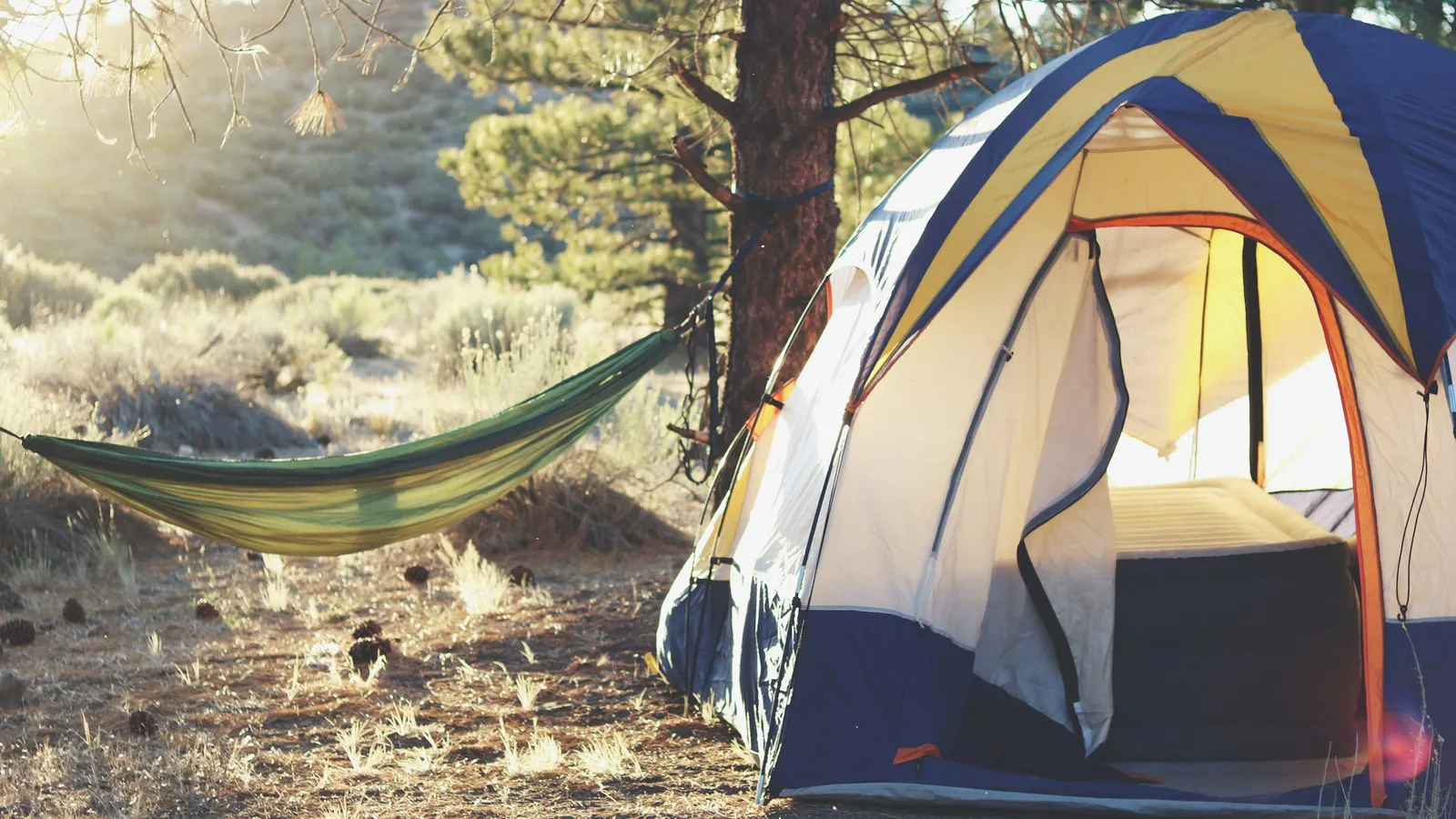
A 12 person dome tent is a big promise. Twelve sleeping bags laid shoulder to shoulder need a floor area that most tents never reach, and the manufacturers who offer tents at that size often rate them generously. For RV owners, a large dome is usually a campsite add-on rather than a main shelter: a bunk house for cousins, a game room that keeps the kids out of the coach, or a screened hangout during a family reunion. They are also a way to give guests a place to sleep without giving up space in the coach. The first job is to work out what a stated 12 person capacity really means in square feet.
Camping tent capacity ratings assume people lie packed side by side with no gear. A tent sold as 12 person is better understood as comfortable for noticeably fewer people, with room for bags, cots and a bit of movement, and the Coleman listing helpfully reflects this by selling its dome as an 8 or 12 person tent. When a listing gives a footprint in feet instead of a person count, as the VEVOR bubble tent does, that number is more honest than a capacity claim, because it tells you the actual floor area you are buying.
Genuine 12 person dome tents are rare, and these two are the ones worth putting side by side. We evaluated them on stated capacity, floor size, setup time, weather construction, extras such as dividers and windows, and price, weighed on published specifications and what owners report. One is a classic family dome from Coleman with a room divider and WeatherTec weather system. The other is a clear pop-up bubble dome from VEVOR that works as a social shelter rather than a sleeping tent.
The two are very different products. The Coleman is built for weather and sleeping, with pre-attached poles and a floor that fits four queen airbeds. The VEVOR is built for views and quick setup, with panoramic clear panels and roll-up windows. Choosing between them is mostly about whether you want a traditional sleeping tent or a clear gathering space, and the sections below spell out the tradeoffs with real numbers. In both cases the best choice depends less on the label and more on the dimensions, the weather and the people you are camping with.
Because large tents are heavy and bulky, plan for storage and setup before you buy. A tent this size needs a flat, clear area at the campsite, a large bag or bin, and usually two people to set up. Check your campsite's pad size too, since some RV sites have limited space beside the coach and a tent this big may not fit at all. Pick a spot free of sharp stones and roots, because a tub-like floor only protects you if the ground beneath it is smooth.
Our standards
Why You Can Trust RV Gear Lab
At RV Gear Lab, we compare products based on campsite fit, verified specifications, usability, setup requirements, weight, durability, and real-world trade-offs. We do not rank products purely on marketing claims or commission rates.
We have not personally tested every product listed. Where hands-on testing is not available, recommendations are based on verified manufacturer specifications, product documentation, use-case fit, and comparative research.
How we review camping gear →