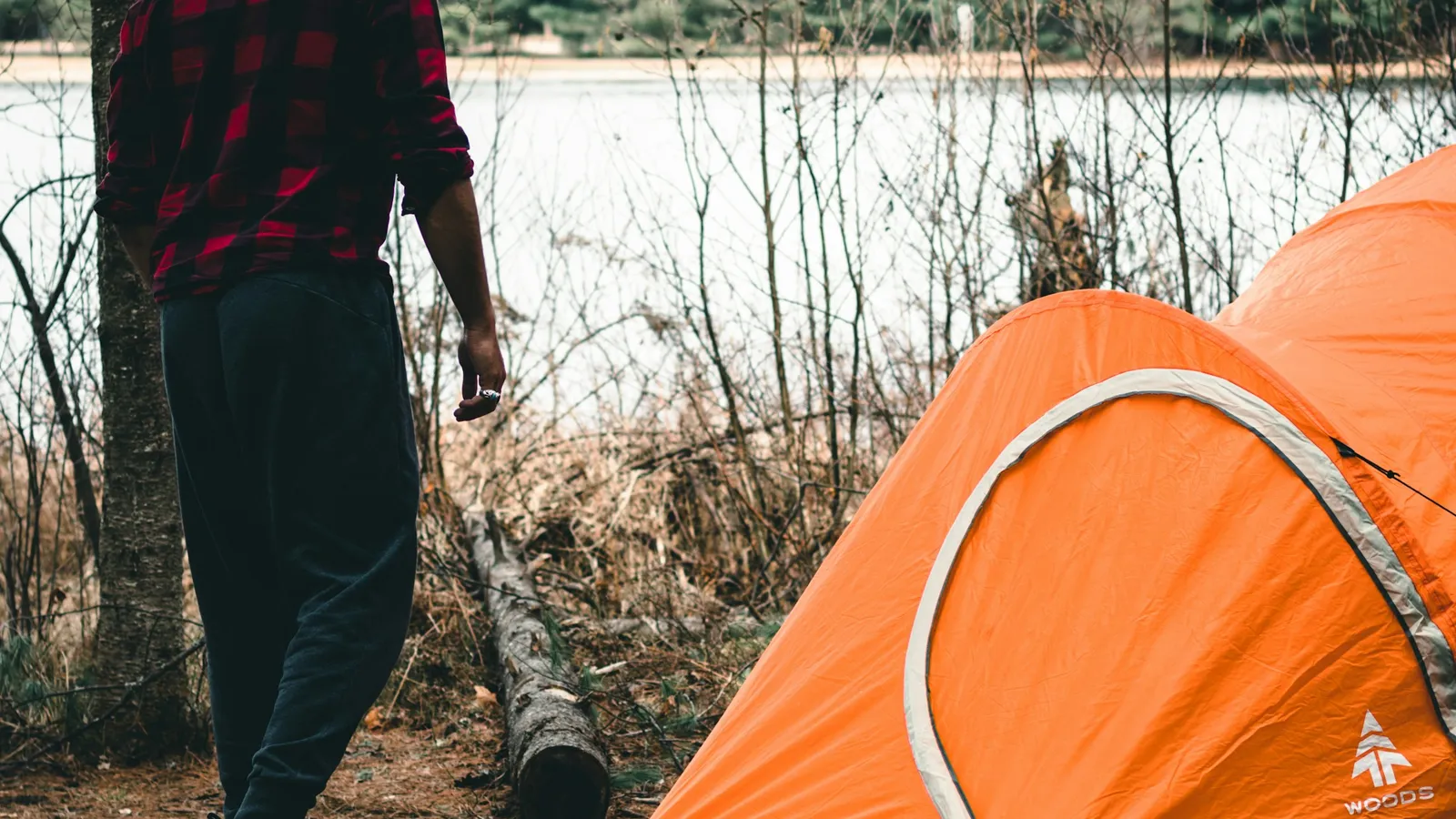
A tent sold as a two person model is sized for two adults sleeping shoulder to shoulder, and a family of two adults plus a small child or a dog is already stretching it. That is the reason this guide leans toward the 2 to 3 person end of the category. For RV owners the tent has a second job beyond sleeping. It becomes an overflow bedroom for kids at a campsite, a gear shelter at a rally or a backup when a slide-out breaks, and it has to stow in a bay already full of chairs and hoses.
Specs on tent listings reward careful reading. Floor dimensions describe the footprint, but peak height decides whether an adult can sit up, and a low 43 inch roof feels very different from a 4.3 foot peak. Weight matters if the tent also doubles as a trail shelter, and a 4.4 pound dome packs differently than an 8.5 pound pop up. Seam taping, rainfly coverage and mesh panels also shape how the tent handles a storm or a muggy night, and the cheapest models often skimp on the poles and stakes.
RV Gear Lab compared four options: the Instant Pop-Up 2-3 Person Dome at $45.97, the Night Cat 2-3 Person tent with a porch at $99.99, the UNP 2 Person Family Dome at $37.99 and the Golabs CT1 at $32.79. We researched floor size, weight, height, setup method and weather features from the listings, then matched each tent to a family situation. Use the tables below to choose by headroom, speed of setup and budget.
Think about the real trip before the spec sheet. A Friday night pitched ten feet from the RV door asks very little of a tent, since the rig is the fallback if weather turns. A weekend at a walk in site, a scout outing or a beach day with a sudden storm asks much more, because the tent is the only roof you have. Be honest about which of those you do most, because the cheapest tent in this guide and the most expensive one are each the right answer for a different kind of family.
Campsite habits matter too. Families who arrive late and pitch in the dark value a pop up or clip system that goes together by feel. Families who stay a week value a taller peak and a porch, because living in a low dome gets old by day three. Families who split a trip between the RV and a short hike value weight above everything else, and for them every pound in the carry bag counts.
A last note on labels: tent capacity numbers are generous by design. The industry habit is to count people lying on their backs with nothing else inside, so a family that wants to stash bags, shoes and a lantern in the tent should shop one size above the number printed on the box. That is why the roomier pop up and the three pad Night Cat lead this comparison for families, and why the slimmer domes are framed as budget and light travel choices.
Our standards
Why You Can Trust RV Gear Lab
At RV Gear Lab, we compare products based on campsite fit, verified specifications, usability, setup requirements, weight, durability, and real-world trade-offs. We do not rank products purely on marketing claims or commission rates.
We have not personally tested every product listed. Where hands-on testing is not available, recommendations are based on verified manufacturer specifications, product documentation, use-case fit, and comparative research.
How we review camping gear →