

We research everything we recommend. When you buy through our links, we may earn a commission. Learn more

Buying guide · 10 min read · Updated October 2, 2026

4 Best 4 Season Ultralight Tents in 2026: A Practical Camping Guide

Best 4 season ultralight tents compared on stated weight, fabric and snow-ready features, for solo and duo backpackers who camp in cold or windy conditions.

Danny WalkerBy Danny WalkerCamping Editor at RV Gear Lab4 products comparedSpec-sheet researched
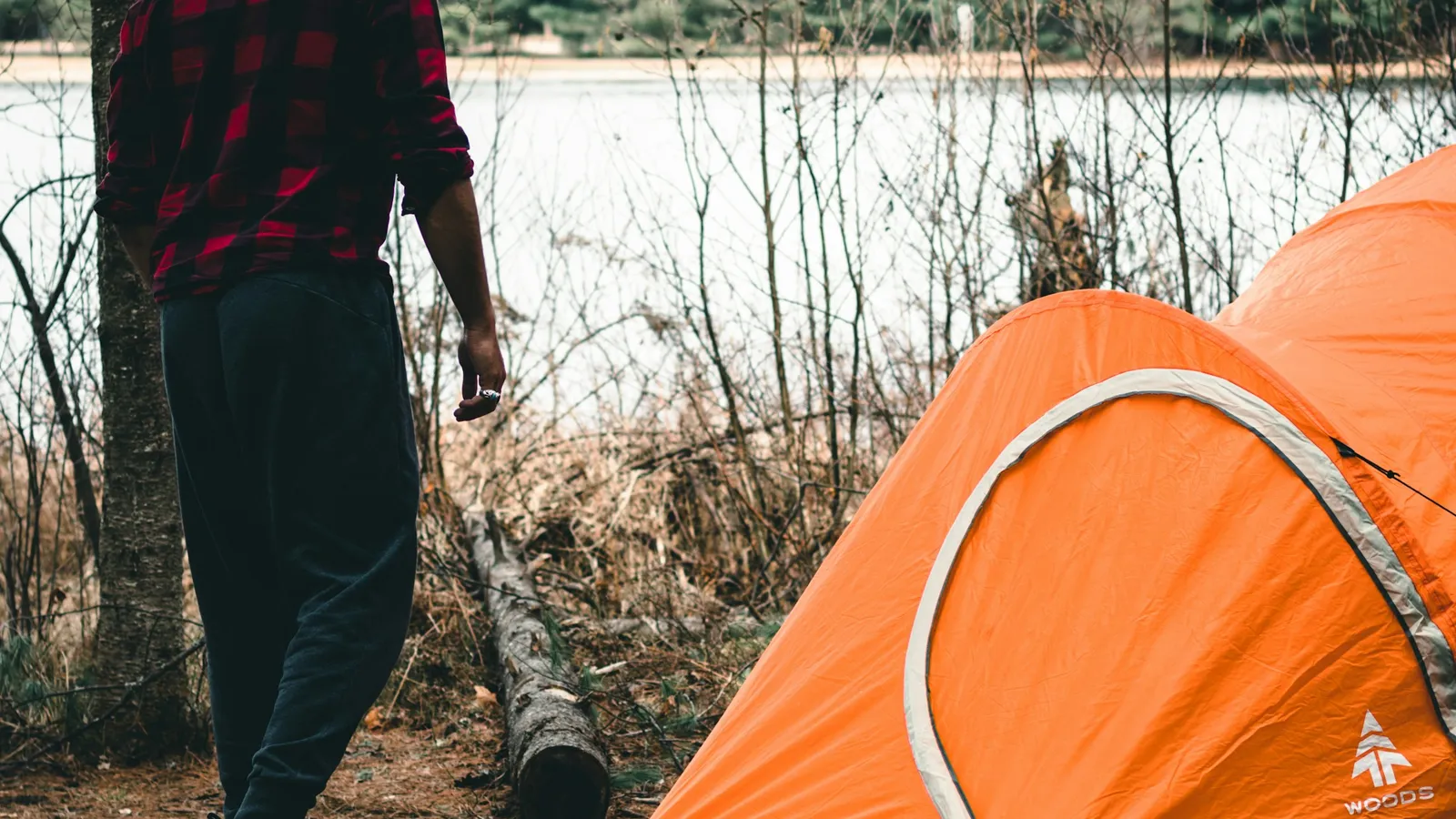
Camper standing next to a tent at a campsite

At a glance

Our top picks

Four-season labels get stuck on many tents, and the useful details are the fabric, pole count, snow skirts and the weight stated on the listing. For ultralight use, you want those features without a heavy shell.

Four tents are compared on stated weight, packed size, waterproof rating and which listings name a four-season design. Size-family listings are described as families, since one listing offers both 1 and 2 person models.

RV Gear Lab field notes

The Campsite Fit Check

Start with the job
Naturehike Giling 1/2 Person Backpacking Tent 4 Season Lightweight Tent for Hiking & Bikepacking Easy Setup 30 leads this shortlist for Solo or duo winter hikes. Use that fit as a reference point, then compare the alternatives against your own space and workload.
Specs that separate the picks
The first details to compare are 3.53 lb solo, 4.85 lb duo, Weighs 4.4 to 4.8 lb, 20D silicone nylon, 4000mm. Confirm the exact model and included components before ordering.
Trade-off to plan for
Solo interior is only 35.4 inches wide

Before you buy

What Matters Before You Choose a 4 Season Ultralight Tent

Key buying criteria so you get the right fit the first time.

  1. 01

    What four-season means

    A four-season tent uses sturdier poles and less mesh to handle snow load and wind. It still needs a snow skirt or sealed edges for real winter. Look for snow skirt, pole count and a rating in the listing.

  2. 02

    Weight vs strength

    Ultralight tents trade fabric for weight, so a 15D fly needs care on rocks and ice. A 20D or 40D floor is tougher. Check the denier for both fly and floor.

  3. 03

    Condensation in cold

    Cold nights cause frost inside a tent. Mesh vents and a double wall reduce it. Look for vents, double doors and mesh in the listing.

  4. 04

    Snow skirts and stakes

    A skirt blocks drafts, and stakes or deadmen anchor against wind. Count included stakes and bring extras for snow. Check the stake count in the kit.

  5. 05

    Solo vs duo sizing

    A solo tent near 3.5 lb often fits a pad and a pack, while a duo near 4.8 lb fits two sleepers. A solo tent fits one regular pad with little spare room. Check the listed width and length against your own sleeping pads.

  6. 06

    Waterproof numbers

    A rating of 3000mm or more is common for winter sleep. Unlisted ratings leave a gap. Check fabric and seam taping.

Our standards

Why You Can Trust RV Gear Lab

At RV Gear Lab, we compare products based on campsite fit, verified specifications, usability, setup requirements, weight, durability, and real-world trade-offs. We do not rank products purely on marketing claims or commission rates.

We have not personally tested every product listed. Where hands-on testing is not available, recommendations are based on verified manufacturer specifications, product documentation, use-case fit, and comparative research.

How we review camping gear →

Detailed reviews

The 4 best 4 season ultralight tents, explained

01
Best for: Solo or duo winter hikes

Our take

A light four-season family with weights listed for both sizes.

Why it made the shortlist

The Naturehike Giling is a four-season tent sold in 1 and 2 person versions. The 1 person weighs 3.53 lb and packs to 4.7 x 15.4 inches, while the 2 person weighs 4.85 lb and packs to 5.9 x 16.1 inches.

Its solo size is the lightest tent in this list, and the X-cross pole structure of 8.5 mm aluminum alloy adds stability.

It suits solo and duo hikers who want a documented light four-season tent with a footprint. The sleeve-pole system speeds up setup in rain.

What works

  • Weights stated for both sizes
  • Footprint included in the box
  • X-cross 8.5 mm aluminum poles
  • Sleeve-pole system for quick setup

Watch out for

  • Solo interior is only 35.4 inches wide
  • Inner tent fabric is thin
The catch
The solo size is narrow at 35.4 inches.
02
Best for: Couples wanting a blackout shell

Our take

A four-season duo tent with a removable blackout outer.

Why it made the shortlist

The OneTigris Stella is a 2 person four-season tent that uses 20D silicone nylon, a 40D nylon floor and a 3000mm waterproof rating. It sets up 6.9 ft long, 4.1 ft wide and 3.7 ft high, weighs 4.4 to 4.8 lb depending on the listing and packs to about 21.7 x 6.3 inches.

The Giling is lighter in the solo size, and the Stella suits couples wanting a blackout shell.

It suits two campers who want a four-season rated tent with a blackout option. The cross pole design anchors at all four corners.

What works

  • Removable blackout outer tent
  • 40D floor for durability
  • Mesh inner for airflow

Watch out for

  • Heavier than the Giling solo
  • Setup size is compact for two
The catch
The 4.1 ft width is snug for two.
03

Best Waterproof Rating · 3 of 4

ATEPA Voyage 1-2 Person Backpacking Tent

ATEPA Voyage 1-2 Person Backpacking Tent
  • 20D silicone nylon, 4000mm
  • 7001 aluminum frame
  • Detachable storage panels
Check price on Amazon for ATEPA Voyage 1-2 Person Backpacking Tent (opens in a new tab)
Best for: Solo hiker who sometimes shares

Our take

The best waterproof rating of the four, with storage panels.

Why it made the shortlist

The ATEPA Voyage 1-2 person tent has a 20D silicone nylon rainfly with a 4000mm waterproof rating and fully taped seams. It uses a 7001 aluminum frame, B3 mesh, dual D-shaped mesh doors, side storage panels and an expandable vestibule.

It carries the highest stated waterproof rating of the four, with no weight on the listing. The Giling documents weight, while the ATEPA documents the rating and the interior features.

It suits solo hikers who occasionally share and want a four-season shelter with extra storage. Reflective details help at night.

What works

  • Fully taped seams
  • Detachable storage panels
  • Ceiling hook and mesh pockets

Watch out for

  • No weight stated on the listing
  • Sized for one with room for two
The catch
The listing gives no weight.
04
Best for: Solo cot or ground camper

Our take

A snow-skirt solo tent at the lowest price.

Why it made the shortlist

The iClimb solo tent has a snow skirt, 210T ripstop polyester taffeta fly and bathtub floor with PU3000mm, fully taped seams and 7001 aluminum poles. It weighs about 5 lb with a setup size of 80 x 28 x 43 inches.

It suits solo campers who want a four-season tent for use on a cot or the ground. Two elastic straps fix the inner to a cot.

What works

  • Snow skirt for cold weather
  • Cot-compatible design
  • Fully taped seams

Watch out for

  • Heavier than the Naturehike solo
  • Narrow 28 inch width
The catch
At 28 inches wide it is solo only.

Methodology

How We Built This Shortlist

Each pick was assessed across 5 criteria weighted for real-world use.

01

Stated weight

Listed total weights and sizes were compared, and sizes were treated as families.

02

Four-season features

Snow skirts, pole count and fabric were read for winter use.

03

Waterproof rating

Millimeter ratings and seam taping were compared.

04

Interior and vestibule

Width, length and gear space were checked for one or two.

05

Setup and wind

Pole structure and anchoring points were compared.

Decision guide

Match a 4 Season Ultralight Tent to Your Camp Setup

By Trip Type

Your situationRecommended pickWhy
Solo winter trekNaturehike Giling3.53 lb with a footprint.
Couple with blackout shellOneTigris StellaRemovable blackout outer tent.
Heavy rain and snowATEPA Voyage 1-2P4000mm with taped seams.
Cot camping in coldiClimb SoloSnow skirt and cot straps.

By Budget

BudgetRecommended pick
$60 to $100iClimb Solo or ATEPA Voyage 1-2P
$120 to $170Naturehike Giling or OneTigris Stella

Solo vs Duo Size

Solo

The iClimb Solo and the Naturehike Giling solo size are light and compact but narrow, with room for one pad and a pack.

Duo

The OneTigris Stella, Naturehike Giling duo size and ATEPA Voyage 1-2P fit two but weigh 4 to 5 lb.

Most buyers should start with the Naturehike Giling in the size that fits their party.

By Budget

PickRecommended pick
Lowest spendiClimb Solo
Mid spend, documented ratingATEPA Voyage 1-2P
Mid spend, lightNaturehike Giling
Upper spend, blackoutOneTigris Stella

For Winter Backpacking Specifically

Look for

A snow skirt, a footprint and a stated weight under about 5 lb.

In this comparison

The iClimb Solo lists a snow skirt, and the Naturehike Giling lists a footprint and weights of 3.53 and 4.85 lb.

When to Spend More

Spend more if

Spend more on the OneTigris Stella for a blackout outer, or the Naturehike Giling for the best documented weight.

Save if

Save with the iClimb Solo if you want a snow skirt at the lowest price.

FAQ

Before You Bring One Home

Can an ultralight tent handle winter?

With care, yes. The Naturehike Giling uses X-cross poles, but snow load and wind still need good pitching and a sturdy site.

What is the biggest winter mistake?

Skipping a footprint and floor protection. Ice and rocks cut thin floors, so use the Giling footprint or a groundsheet.

Is the Stella worth more than the iClimb?

The Stella adds a blackout outer and a 40D floor for duo use, while the iClimb Solo saves money. Choose by party size.

How do I pitch a tent on snow?

Stomp a pad, anchor with deadman stakes or sticks and bury the skirt. Keep vents open to limit frost.

How do I dry a four-season tent after a trip?

Shake off frost, hang it to dry and keep it uncompressed in storage. Check the poles and stitching.

Bottom line

The short version

Browse more 4 season ultralight tents on Amazon →
Danny Walker, Camping Editor at RV Gear Lab

About the author

Danny Walker

Camping Editor at RV Gear Lab

Danny covers camping gear, campsite setup, outdoor power, sleep systems and practical camping advice, with a focus on helping campers make better gear decisions.

More from Danny →Editorial standards

Keep reading

Related guides