

We research everything we recommend. When you buy through our links, we may earn a commission. Learn more

Buying guide · 10 min read · Updated October 2, 2026

3 Best Cabin Tents With A Screen Room in 2026: A Practical Camping Guide

Best cabin tents with a screen room compared: three tents that add a mesh sitting area, from a 6-person CORE to a 10-person DMH Outdoors.

Danny WalkerBy Danny WalkerCamping Editor at RV Gear Lab3 products comparedSpec-sheet researched
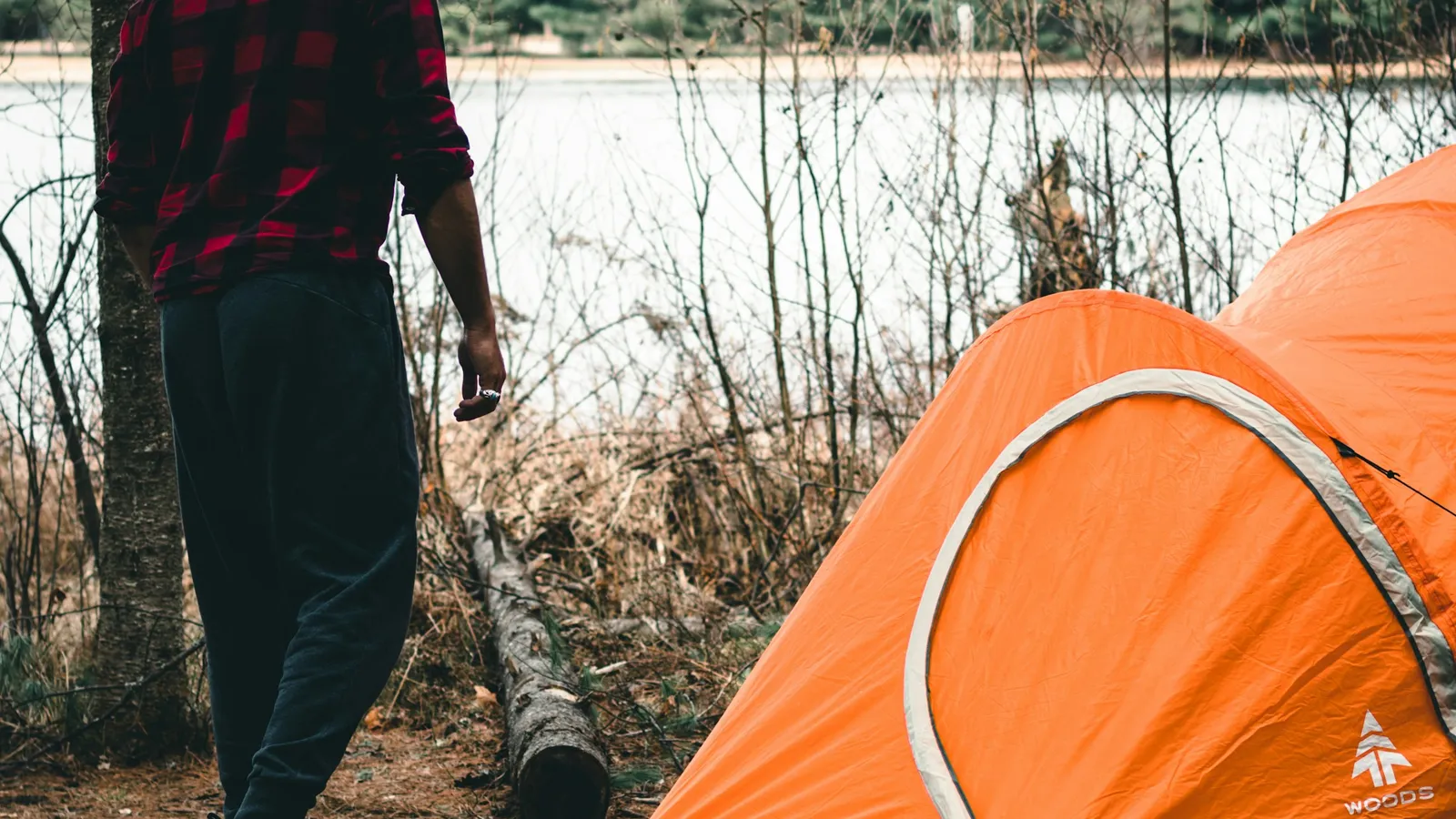
Camper standing next to a tent at a campsite

At a glance

Our top picks

A screen room turns the front of a cabin tent into a bug-free sitting area, which matters on a buggy evening more than another sleeping inch. The three tents here each add a screened space, so the differences lie in size and what the screen area looks like.

We compared floor dimensions, center height and what each listing says about the screen space, rainfly and storage. Capacity claims are weighed against the stated floor.

RV Gear Lab field notes

The Campsite Fit Check

Start with the job
DMH OUTDOORS 6 Person Tents for Camping Large Cabin Tent with Screen Porch leads this shortlist for Family bug-free sitting area. Use that fit as a reference point, then compare the alternatives against your own space and workload.
Specs that separate the picks
The first details to compare are (9+5) x 10 ft floor, 78 inch, 10 x 9 ft, 72 inch center, (10+7) x 14 ft, 84 inch center. Confirm the exact model and included components before ordering.
Trade-off to plan for
15 minute setup with two people

Before you buy

What Matters Before You Choose a Cabin Tent With A Screen Room

Key buying criteria so you get the right fit the first time.

  1. 01

    Screen room size

    A screened porch of 5 feet fits a few chairs, and a 7 foot porch fits a table. Listings often list the floor as two numbers, such as 9+5. Read the second number as the porch.

  2. 02

    Capacity with gear

    Tent capacity assumes sleeping bags and no gear. CORE's listing says 3 with gear in a 6-person tent, which is the honest number. Look for a with-gear figure.

  3. 03

    Rain performance

    A tent skirt, taped seams and a full rainfly keep rain out. A screen room is a weak point in wind-driven rain. Check the rainfly's coverage on the listing.

  4. 04

    Floor height

    Headroom decides whether tall adults can stand to dress. An 84 inch center lets tall adults stand, while 72 inches suits average height. Check the center and the wall height.

  5. 05

    E-Port and cord access

    An E-Port is a zipped opening for a power cord. It lets you run a fan or heater cable in without opening a door. Check that the listing names it.

  6. 06

    Setup time and effort

    Large tents take 15 minutes or more with two people. A screen room adds poles. Check the setup claim.

Our standards

Why You Can Trust RV Gear Lab

At RV Gear Lab, we compare products based on campsite fit, verified specifications, usability, setup requirements, weight, durability, and real-world trade-offs. We do not rank products purely on marketing claims or commission rates.

We have not personally tested every product listed. Where hands-on testing is not available, recommendations are based on verified manufacturer specifications, product documentation, use-case fit, and comparative research.

How we review camping gear →

Detailed reviews

The 3 best cabin tents with a screen room, explained

01
DMH OUTDOORS 6 Person Tents for Camping Large Cabin Tent with Screen Porch
  • (9+5) x 10 ft floor, 78 inch
  • Screened porch, 3 mesh windows
  • Rainfly, taped seams, E-Port
Check price on Amazon for DMH OUTDOORS 6 Person Tents for Camping Large Cabin Tent with Screen Porch (opens in a new tab)
Best for: Family bug-free sitting area

Our take

A sensible screen-room tent at a low price.

Why it made the shortlist

The DMH Outdoors 6-person tent has a (9+5) by 10 foot floor, with a 9 by 10 foot room and a 5 foot screened porch, and a 78 inch center height. It lists a mesh door, 3 mesh windows, a mesh top, a rainfly, taped seams and a tent skirt.

The listing says two people can pitch it in about 15 minutes.

It suits a family of four to six who want a screened sitting area at a modest price. An E-Port opening lets a cord reach inside.

What works

  • Screened porch adds bug-free space
  • Taped seams and a tent skirt
  • E-Port for a power cord
  • Overhead mesh loft for storage

Watch out for

  • 15 minute setup with two people
  • Porch is a shallow 5 feet
The catch
The 5 foot porch holds a small table, not a big group.
02

Best Brand-Name Screen Room · 2 of 3

CORE 6 Person Cabin Tent with Screen Room

CORE 6 Person Cabin Tent with Screen Room
  • 10 x 9 ft, 72 inch center
  • H2O Block, 1200mm, taped rainfly
  • Screen room, gear loft
Check price on Amazon for CORE 6 Person Cabin Tent with Screen Room (opens in a new tab)
Best for: Families who read specs

Our take

A well-documented tent with a screened sitting area.

Why it made the shortlist

The CORE 6-person cabin tent measures 10 by 9 feet with a 72 inch center height and a screen room. The listing says it fits two queen air beds and comfortably holds 3 people with gear or up to 6 without.

Its weather kit is H2O Block fabric at 1200mm with a taped rainfly, guylines, steel stakes and a gear loft.

It suits a family that values the stated capacity guide. Its loft holds small gear overhead.

What works

  • Clear capacity figures with and without gear
  • Taped rainfly and sealed seams
  • Gear loft and storage pockets
  • Steel stakes and guylines included

Watch out for

  • Lower center height than DMH tents
The catch
At 72 inches, it is lower in the middle than the DMH tents.
03
DMH OUTDOORS 10 Person Tents for Camping Large Cabin Tent with Screen Porch
  • (10+7) x 14 ft, 84 inch center
  • Screened porch, 3 mesh windows
  • E-Port, loft, tablet pocket
Check price on Amazon for DMH OUTDOORS 10 Person Tents for Camping Large Cabin Tent with Screen Porch (opens in a new tab)
Best for: Large groups

Our take

The roomiest screen-room tent in this group.

Why it made the shortlist

The DMH Outdoors 10-person tent has a (10+7) by 14 foot floor and a towering 84 inch center height, with a screened porch. It lists a mesh door, 3 mesh windows, 3 mesh tops, a rainfly, taped seams and a tent skirt.

It is the biggest of the three and adds 2 mesh pockets, a tablet pocket and an overhead mesh loft. Against the 6-person DMH it has a bigger porch and more headroom.

It suits a large family or a group of friends who want a screen room big enough for a table. The E-Port lets power in from outside.

What works

  • Tall 84 inch center
  • 7 foot screened porch
  • Rainfly, taped seams, tent skirt
  • Pockets and a mesh loft for storage

Watch out for

  • Needs a large flat pitch
The catch
At 14 feet long the tent needs a big campsite.

Methodology

How We Built This Shortlist

Each pick was assessed across 5 criteria weighted for real-world use.

01

Screen room size

We compared the porch dimension where the listing gave one.

02

Interior floor and height

Floor dimensions and center heights were compared against the capacity claim.

03

Weather protection

Rainfly, taped seams, tent skirt and fabric ratings were noted.

04

Storage and power

Lofts, pockets and an E-Port were counted.

05

Price

Cost was compared across the three.

Decision guide

Match a Cabin Tent With A Screen Room to Your Camp Setup

By Group Size

Your situationRecommended pickWhy
Family of four to six, low costDMH Outdoors 6-Person Screen Porch Tent(9+5) x 10 ft with a 5 foot porch.
Spec-driven familyCORE 6-Person Cabin Tent With Screen RoomCapacity with and without gear.
Large group, table in the porchDMH Outdoors 10-Person Screen Porch Tent(10+7) x 14 ft, 84 inch center.

By Budget

BudgetRecommended pick
$130 to $140DMH Outdoors 6-Person Screen Porch Tent
$160 to $170DMH Outdoors 10-Person Screen Porch Tent
$210 to $220CORE 6-Person Cabin Tent With Screen Room

Taller vs Lower Center

Taller

DMH Outdoors 10-Person Screen Porch Tent has 84 inches and DMH Outdoors 6-Person Screen Porch Tent has 78 inches.

Lower

CORE 6-Person Cabin Tent With Screen Room has a 72 inch center.

Most families should default to DMH Outdoors 6-Person Screen Porch Tent for headroom at the lowest price.

By Budget

PreferenceRecommended pick
Lowest priceDMH Outdoors 6-Person Screen Porch Tent
Spec detailCORE 6-Person Cabin Tent With Screen Room
Largest sizeDMH Outdoors 10-Person Screen Porch Tent

For Bug Season Specifically

Look for

A screened room with mesh on every side and a tent skirt.

In this comparison

DMH Outdoors 6-Person Screen Porch Tent has a screened porch, mesh windows and a skirt.

When to Spend More

Spend more if

Spend more if you camp with a large group, since DMH Outdoors 10-Person Screen Porch Tent adds a 7 foot porch and 84 inch headroom.

Save if

Save if you camp as a family of four, because DMH Outdoors 6-Person Screen Porch Tent costs the least.

FAQ

Before You Bring One Home

Is a screen room worth it?

Yes, if you camp in bug season, because it gives a mesh-lined sitting area. In rain it becomes a covered porch too. Check the porch size.

What do the two numbers like 9+5 mean?

They give the sleeping room length first and the porch length second. A 9+5 tent has a 9 by 10 foot room and a 5 foot porch. Read the listing's dimensions.

Can I use the screen room in the rain?

The rainfly covers the main room, and the porch is mesh with a roof panel. Check the listing for rainfly coverage over the screened area.

How do I set up a screen room tent?

Pitch the main tent, add the screen room poles and fit the rainfly. Stake all corners. Two people help.

How do I keep bugs out of a screen room?

Zip all doors and windows and check seams for gaps. Use the skirt. Patch holes in the mesh promptly.

Bottom line

The short version

Browse more cabin tents with a screen room on Amazon →
Danny Walker, Camping Editor at RV Gear Lab

About the author

Danny Walker

Camping Editor at RV Gear Lab

Danny covers camping gear, campsite setup, outdoor power, sleep systems and practical camping advice, with a focus on helping campers make better gear decisions.

More from Danny →Editorial standards

Keep reading

Related guides