

We research everything we recommend. When you buy through our links, we may earn a commission. Learn more

Buying guide · 10 min read · Updated October 2, 2026

4 Best Inflatable Hot Tents in 2026: A Practical Camping Guide

Best inflatable hot tents with stove jacks compared on air-beam build, floor size, ventilation and the safety rules for heating an air tent.

Danny WalkerBy Danny WalkerCamping Editor at RV Gear Lab4 products comparedSpec-sheet researched
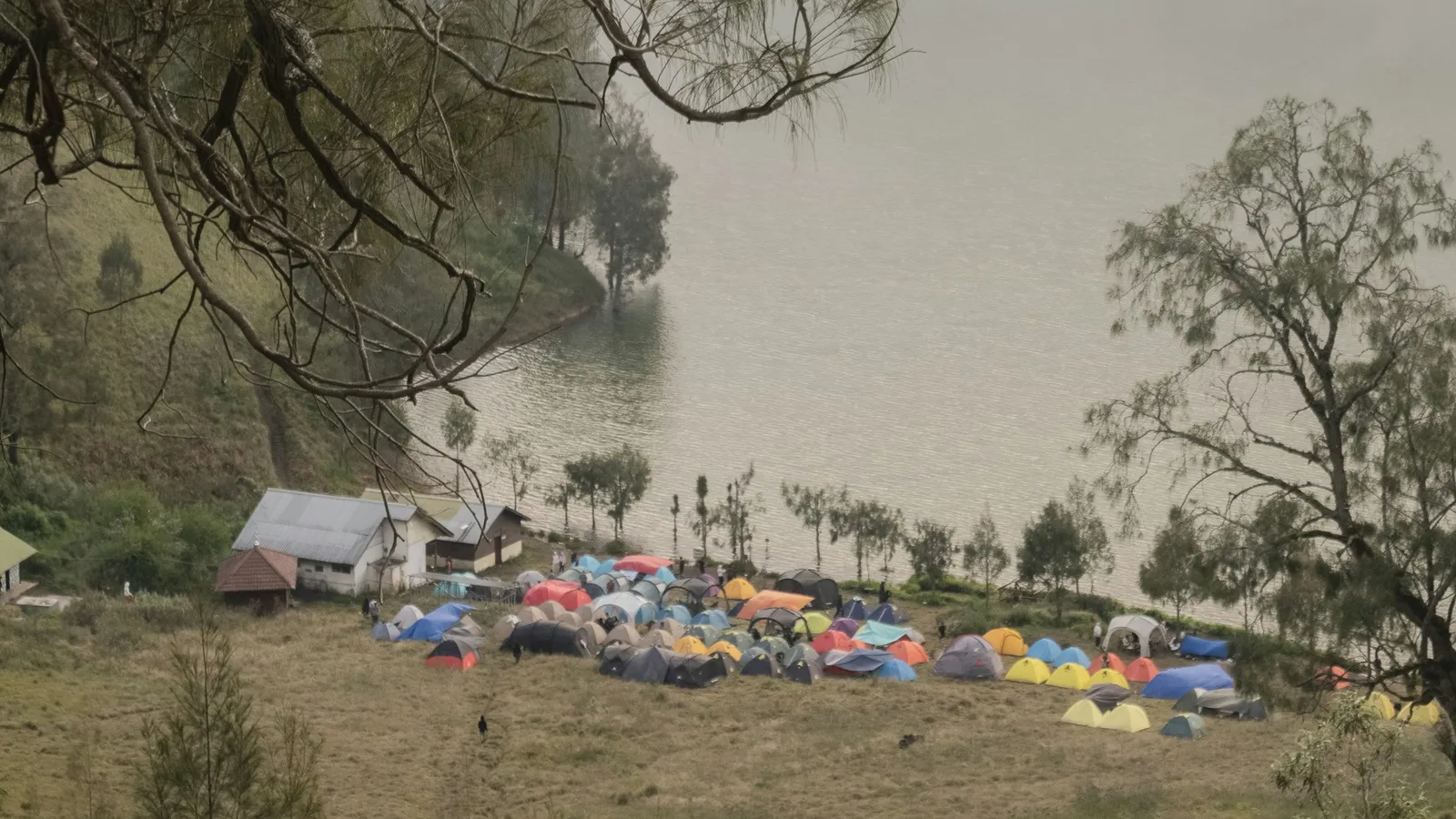
Colorful tents pitched beside a misty mountain lake

At a glance

Our top picks

An inflatable hot tent swaps poles for air beams and adds a stove jack, so you get fast setup and a heated shelter in one package. The catch is that a stove next to fabric and air tubes needs more planning than in a canvas wall tent, and I weigh that heavily here.

Four inflatables made the cut: three 13 by 10 ft family-size models and one smaller 2-4 adult tent. I compared them on listed floor space, ventilation, the fabric around the stove jack and what each listing says about weatherproofing.

RV Gear Lab field notes

The Campsite Fit Check

Start with the job
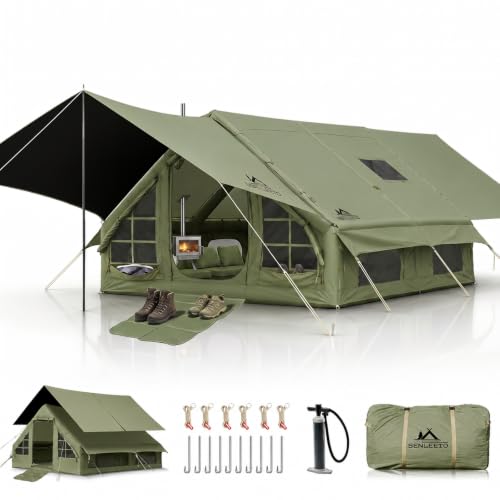
13' x 10' Large Inflatable Tents for Camping 8-10 Person leads this shortlist for Large groups wanting a dark sleep zone. Use that fit as a reference point, then compare the alternatives against your own space and workload.
Specs that separate the picks
The first details to compare are 129 sq ft plus vestibule, Silver-coated rainfly, 6 inch air columns. Confirm the exact model and included components before ordering.
Trade-off to plan for
Heavy air-tent packed weight is not listed

Before you buy

What Matters Before You Choose an Inflatable Hot Tent

Key buying criteria so you get the right fit the first time.

  1. 01

    Stove jack and approved stoves

    A stove jack is a fire-resistant opening in the tent wall that a stovepipe passes through. It matters because an air tent stores its shape in inflated tubes and fabric that must stay well away from heat. Use only a stove and pipe combination the tent maker names as compatible, and look in the listing for the exact stove guidance.

  2. 02

    Clearance and ventilation

    Clearance is the gap between a hot stove or pipe and any tent fabric or air beam. A stove too close to a wall can melt it, and a sealed tent can trap smoke. Keep generous distance as general safety guidance, open vents while a stove runs, and compare the vent counts in each listing.

  3. 03

    Carbon monoxide alarm

    Carbon monoxide is an odorless gas that any combustion heat source can produce in an enclosed tent. A battery CO alarm is the only way to notice it, and sleeping with a stove burning is when it is most dangerous. Treat a battery CO alarm as a requirement and do not rely on a listing's ventilation claim alone.

  4. 04

    Floor and moisture protection

    A PVC or pad-protected floor matters because a heated tent sweats on cold ground. The wrong floor leaves you with a wet sleeping area by morning. Check whether the listing names a PVC groundsheet or moisture pad.

  5. 05

    Air beam strength and repair

    Air beams are inflated tubes, so a puncture means the structure sags. Thicker columns make for a stiffer frame in wind. Look for the column diameter, a spare valve or repair kit, and a stated pump type in the listing.

  6. 06

    Size to sleepers ratio

    A rating of 8 to 10 people measures floor space, not comfortable bedding plus stove clearance. Add cots, gear and a stove and the room shrinks quickly. Divide the listed square footage by the sleepers and keep the stove side clear.

Our standards

Why You Can Trust RV Gear Lab

At RV Gear Lab, we compare products based on campsite fit, verified specifications, usability, setup requirements, weight, durability, and real-world trade-offs. We do not rank products purely on marketing claims or commission rates.

We have not personally tested every product listed. Where hands-on testing is not available, recommendations are based on verified manufacturer specifications, product documentation, use-case fit, and comparative research.

How we review camping gear →

Detailed reviews

The 4 best inflatable hot tents, explained

01
13' x 10' Large Inflatable Tents for Camping 8-10 Person
  • 129 sq ft plus vestibule
  • Zippered blackout canopy
  • Removable curtain divider
Check price on Amazon for 13' x 10' Large Inflatable Tents for Camping 8-10 Person (opens in a new tab)
Best for: Large groups wanting a dark sleep zone

Our take

For a big group that wants one heated room by day and a darker sleeping half at night.

Why it made the shortlist

This 13 by 10 ft inflatable lists 129 sq ft of floor plus a 64.5 sq ft vestibule, with a usable interior of 118 by 157 by 82.6 inches. A zippered blackout canopy works as one big rainfly or splits into two covers.

Within the 13x10 group it is the one built around separation: a removable curtain divider turns the single room into living and sleeping zones. The foot mat and shoe pouch keep the entry zone tidy, which the other large models do not mention.

It suits a group of up to eight that wants a heated base camp with a darker sleeping half. A stated 48-hour leak test and 420D Oxford fabric back the weather claims.

What works

  • Canopy works as one rainfly or two
  • Curtain splits living and sleeping zones
  • Foot mat and shoe pouch included
  • Inflates with a pump in about 5 minutes

Watch out for

  • Heavy air-tent packed weight is not listed
The catch
It is the priciest option here, and any stove use still depends on a stove the tent maker approves.
02
Best for: Wet-weather group trips

Our take

Pick this for damp, rainy cold camps where the floor pad and rainfly matter more than blackout fabric.

Why it made the shortlist

The Rainfly Pad model is a 13 by 10 ft inflatable rated for 8 to 10 people, with a 157 by 118 by 83 inch usable area. It pairs a silver-coated rainfly with an anti-moisture floor pad, two doors and six windows.

Where the blackout model leans on a divider, this one leans on damp control: the floor mat blocks ground moisture and the silver coating sheds heavy rain.

It fits cold, wet trips where condensation and damp ground are the real problem. Inflating takes about 10 minutes by hand pump.

What works

  • Floor pad keeps ground damp out
  • Roll-up doors and windows aid airflow
  • Rated for 8 to 10 people
  • Hand pump included

Watch out for

  • 10-minute hand inflation is slower
  • Heavier and bulkier than the smaller tent
The catch
Setup takes longer than the compact model, and you will want vehicle space for the packed tent.
03
Best for: Windy sites and mixed seasons

Our take

A sturdier frame for exposed campsites, with a dark interior that also helps in summer.

Why it made the shortlist

This 13 by 10 ft model lists 6 inch integrated air columns, a blackout interior that blocks 95 to 98 percent of sunlight and a 14 oz PVC floor. It adds two doors, two windows, two skylights, a stove jack and an AC port.

Its beams are the thickest in the group, which the listing contrasts with 4.7 inch columns on typical air tents. That sturdier frame and heavy floor set it apart from the blackout and rainfly 13x10 models, which describe fabric rather than structure.

It suits windy campsites and hot-and-cold swing seasons where a stiff frame and a dark interior both matter. The AC port lets you route power in.

What works

  • Thicker beams for a stiffer frame
  • Heavy PVC floor resists abrasion
  • Blackout interior cuts daytime heat
  • Skylights add light when wanted

Watch out for

  • Heavy floor adds carry weight
The catch
The heavy PVC floor adds weight, so check the listed packed weight with your vehicle in mind.
04

Best Compact Pick · 4 of 4

Inflatable Camping Tent

Inflatable Camping Tent
  • 67.8 sq ft interior
  • TPU air beams, hand pump
  • PU3000mm, UPF50+ fabric
Check price on Amazon for Inflatable Camping Tent (opens in a new tab)
Best for: Couples and small families

Our take

The budget and compact way into an inflatable hot tent for two to four sleepers.

Why it made the shortlist

The FICISOG gives 67.8 sq ft of floor (9.8 by 6.9 by 6.4 ft) in a tent that sets up in about five minutes with reinforced TPU air beams and a hand pump. It lists a built-in insulated stove jack, 420D Oxford fabric rated PU3000mm and UPF50+ protection.

A couple, or a family of up to six sharing one space, is the buyer here. It also works for anyone who wants an inflatable hot tent without a huge bill.

What works

  • Five-minute setup
  • Built-in insulated stove jack
  • Six windows and mesh for airflow

Watch out for

  • Much less floor than the 13x10 models
  • Fits 2-4 adults sleeping, not a big group
The catch
A smaller footprint means a stove sits closer to the walls, so clearance planning matters more.

Methodology

How We Built This Shortlist

Each pick was assessed across 5 criteria weighted for real-world use.

01

Floor space

Listed square footage and interior dimensions, then how many people each rating realistically sleeps.

02

Air-beam construction

Column thickness and tube material, since the beams are the whole frame.

03

Stove jack setup

What each listing says about the stove jack and the fabric around it.

04

Ventilation

Doors, windows, mesh layers and vents that move air and reduce condensation.

05

Weather protection

Waterproof ratings, rainflies and floor treatment named in the listings.

Decision guide

Match an Inflatable Hot Tent to Your Camp Setup

By Group Size

Your situationRecommended pickWhy
Big group of 8 with a dark sleep zoneBlackout Canopy 13x10Curtain divider and blackout canopy split living and sleeping.
8 to 10 people in wet weatherRainfly Pad 13x10Silver rainfly and floor pad tackle damp.
Windy exposed sitesAir Column 13x106 inch columns give the stiffest frame.
Couple or small familyFICISOG Inflatable Tent67.8 sq ft keeps it light and quick.

By Budget

BudgetRecommended pick
$230 to $480FICISOG Inflatable Tent or Air Column 13x10
$490 to $570Rainfly Pad 13x10 or Blackout Canopy 13x10

Big Room vs Compact Tent

Big room (13 by 10 ft)

Blackout Canopy 13x10, Rainfly Pad 13x10 and Air Column 13x10 give 129+ sq ft for groups. They need more vehicle space, more inflation time and more stove clearance planning.

Compact tent

The FICISOG Inflatable Tent packs smaller, inflates in about five minutes and costs much less. It sleeps two to four adults, so groups outgrow it fast.

Most small parties should start with the FICISOG Inflatable Tent, and groups of six or more should pick a 13x10 model.

By Weather Priority

PriorityRecommended pick
Heavy rain and wet groundRainfly Pad 13x10
Strong windAir Column 13x10
Hot sun and sleeping inBlackout Canopy 13x10
Light packingFICISOG Inflatable Tent

Safe Stove Use Specifically

Look for

A stove jack, listed fabric details around it, and a tent maker statement about approved stoves

In this comparison

Air Column 13x10 pairs a stove jack with a heavy PVC floor, while the FICISOG Inflatable Tent names a built-in insulated stove jack. Match either to a maker-approved stove and keep a CO alarm inside.

When to Spend More

Spend more if

Spend more if you carry a group: Blackout Canopy 13x10 and Air Column 13x10 add the divider, blackout fabric or stiff frame that large parties benefit from.

Save if

Save with the FICISOG Inflatable Tent if you are two to four people, since the stove-jack and quick-inflate features are the same ones you pay extra for on larger models.

FAQ

Before You Bring One Home

Can I use any wood stove in an inflatable hot tent?

No. Use only a stove and pipe the tent maker approves, because an air tent has inflated beams and fabric that react badly to heat. Check the listing for the stove guidance and keep clearance from every wall.

What is the biggest mistake with inflatable hot tents?

Treating the stove jack as the only safety feature. A stove still needs clearance, vents open and a battery carbon monoxide alarm inside, since a sealed tent can trap exhaust gas.

Is a 13 by 10 inflatable worth it over the compact tent?

Only if you carry six or more people. The three 13x10 models give 129+ sq ft and dividers or skylights, while the FICISOG Inflatable Tent covers a couple or small family for much less.

How do I set up an inflatable hot tent?

Stake the base, connect the pump and inflate the beams until they are firm. Then pitch the rainfly, fit the stovepipe through the jack after the stove cools and open vents before lighting anything.

How do I look after the air beams?

Dry the tent before packing, keep the valves clean and store it loosely. Inspect each beam for pinholes before trips and patch with a kit compatible with the beam material.

Bottom line

The short version

Browse more inflatable hot tents on Amazon →
Danny Walker, Camping Editor at RV Gear Lab

About the author

Danny Walker

Camping Editor at RV Gear Lab

Danny covers camping gear, campsite setup, outdoor power, sleep systems and practical camping advice, with a focus on helping campers make better gear decisions.

More from Danny →Editorial standards

Keep reading

Related guides