

We research everything we recommend. When you buy through our links, we may earn a commission. Learn more

Buying guide · 10 min read · Updated October 2, 2026

5 Best Tent Heaters Under 100 in 2026: A Practical Camping Guide

Best tent heaters under $100, compared on oxygen sensors, tilt switches, BTU output and stability, from a CAMPLUX tripod heater to a Mr. Heater Little Buddy.

Danny WalkerBy Danny WalkerCamping Editor at RV Gear Lab5 products comparedSpec-sheet researched
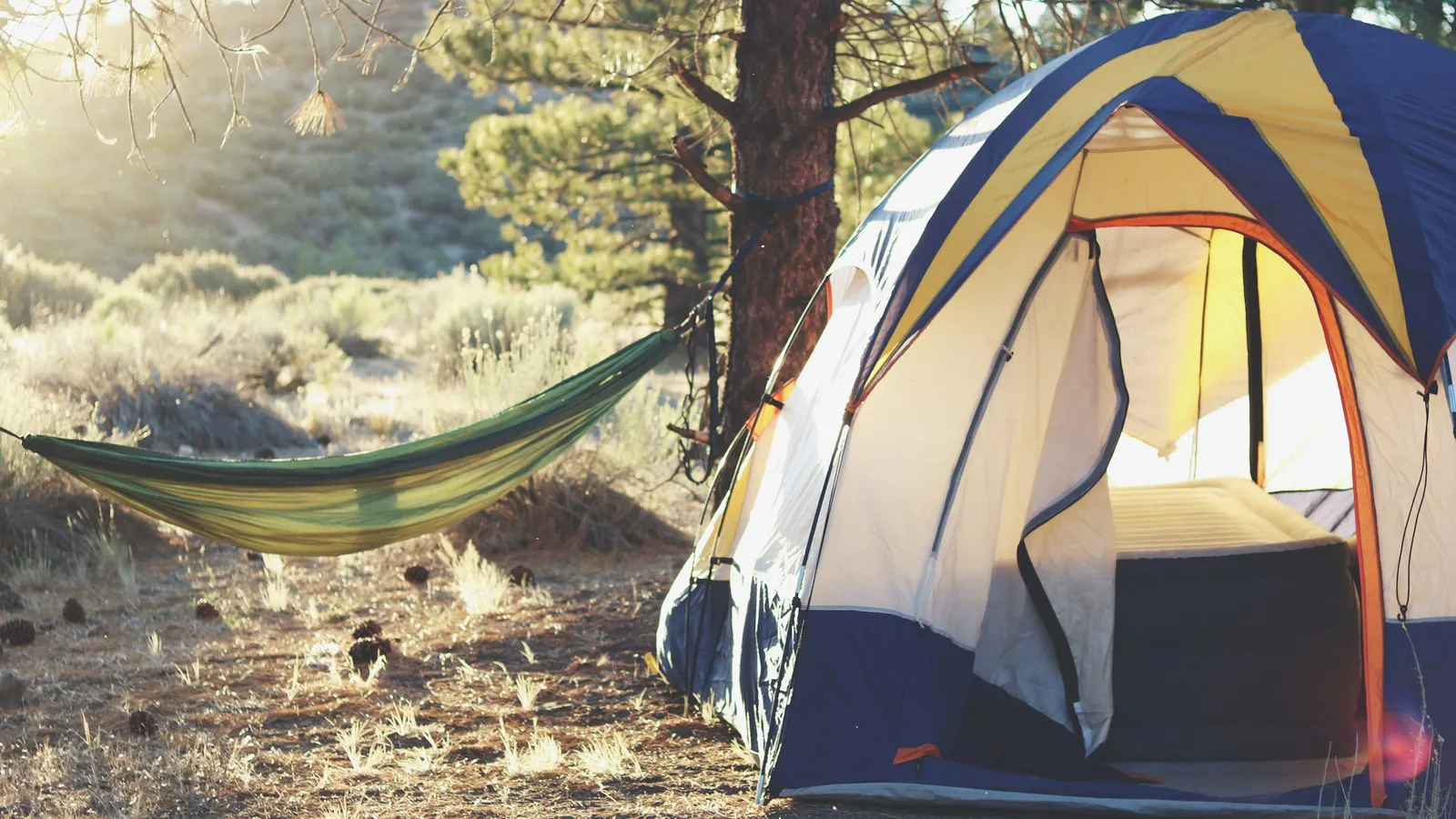
Dome tent and hammock at a forest campsite at golden hour

At a glance

Our top picks

A $100 budget reaches the heaters that matter most near a tent: propane units with an oxygen depletion sensor, a tilt switch and a tripod base. The money does not make a flame heater safe to sleep beside, though it does buy better shutoffs and more heat than the $50 tier.

Five picks are worth buying. They are ordered by how much protection and usable warmth each adds, with the best-protected propane heater first and an electric option for powered sites last.

RV Gear Lab field notes

The Campsite Fit Check

Start with the job
Portable Propane Heater leads this shortlist for Safety-minded outdoor camps. Use that fit as a reference point, then compare the alternatives against your own space and workload.
Specs that separate the picks
The first details to compare are 8,500 BTU propane, two levels, 10,000 BTU propane heater, 3,800 BTU radiant propane. Confirm the exact model and included components before ordering.
Trade-off to plan for
Still an outdoor heater, not a tent heater

Before you buy

What Matters Before You Choose a Tent Heater Under 100

Key buying criteria so you get the right fit the first time.

  1. 01

    Oxygen depletion sensor

    An oxygen depletion sensor watches the air around a flame heater and shuts the unit off if oxygen drops too low. It lowers risk in a poorly ventilated spot, though it never replaces fresh air or a carbon monoxide alarm. Look for the sensor named in the title or bullet points, since many budget heaters skip it.

  2. 02

    Tilt and tip-over switches

    In a crowded camp, a heater can get bumped by a dog, a kid or a sleeping bag. A tilt switch cuts the fuel or power the moment the unit leaves upright. Look for the words tilt switch or tip-over switch by name, and test the shutoff in the yard first.

  3. 03

    Heat output versus space

    A 4 by 6 foot vestibule needs far less heat than a patio, and 8,500 to 10,000 BTU can overheat a small enclosure while burning oxygen quickly. Match output to the space and favor lower output where air is limited. A heater listing 95 square feet suits a small shelter far better than one listing 200, and it uses less fuel too.

  4. 04

    Stable footing

    Grass, gravel and sloped sites make a narrow round base tip easily. A tripod or wide base keeps the heater level and its tilt switch quiet. Look at the base description, and picture your usual campsite surface before you choose. Test the heater on the ground you will use, because a base that is fine on a driveway can wobble on soft grass.

  5. 05

    Fuel you can find

    Propane canisters are sold almost everywhere, while butane canisters are harder to find and lose pressure in the cold. Carry spare fuel for the whole trip, and store it outside the tent. Check the fuel type in the title before you buy. Carry one more canister than you think you need, since cold nights burn fuel faster and stores can be far from camp.

Our standards

Why You Can Trust RV Gear Lab

At RV Gear Lab, we compare products based on campsite fit, verified specifications, usability, setup requirements, weight, durability, and real-world trade-offs. We do not rank products purely on marketing claims or commission rates.

We have not personally tested every product listed. Where hands-on testing is not available, recommendations are based on verified manufacturer specifications, product documentation, use-case fit, and comparative research.

How we review camping gear →

Detailed reviews

The 5 best tent heaters under 100, explained

01

Best Value Under $100 · 1 of 5

Portable Propane Heater

Portable Propane Heater
  • 8,500 BTU propane, two levels
  • Tilt switch plus oxygen sensor
  • Detachable tripod base
Check price on Amazon for Portable Propane Heater (opens in a new tab)
Best for: Safety-minded outdoor camps

Our take

The first one to buy if safety features matter more to you than size or price.

Why it made the shortlist

The CAMPLUX burns propane at 8,500 BTU with two adjustable heat levels. It carries two safeguards, a safety tilt switch that shuts it off if it tips and an oxygen depletion sensor that cuts power as oxygen drops, and a detachable tripod base steadies it on uneven ground.

Nothing else under the cap combines both sensors with a tripod, which is why it takes first place. It puts out more heat than the Little Buddy, and it asks roughly $30 more for the extra output and protection.

It suits campers at open-air camps, fishing spots and picnic tables who want the best-protected flame heater available at this price. Set it on level ground before you light it.

What works

  • Oxygen sensor shuts it off when air thins
  • Tilt switch stops it if tipped
  • Two heat levels for different spaces
  • Tripod base grips uneven ground

Watch out for

  • Still an outdoor heater, not a tent heater
The catch
Keep it outside the tent, with a carbon monoxide alarm in any enclosed space nearby.
02

Best High-Output Heater · 2 of 5

Buyplus Propane Heater 10

Buyplus Propane Heater 10
  • 10,000 BTU propane heater
  • Tip-over switch, mesh guards
  • Match-lit ignition, no power
Check price on Amazon for Buyplus Propane Heater 10 (opens in a new tab)
Best for: Large open-air spaces

Our take

The cheapest way to warm a crowd outdoors.

Why it made the shortlist

The Buyplus is a 10,000 BTU propane heater with a heavy steel body, safety mesh guards and a tip-over switch. It lights with a match through an ignition hole in about 3 seconds and needs no electricity.

It has the strongest output here and costs about $57 less than the CAMPLUX. The savings come from skipping the oxygen sensor and the tripod.

It suits big patios, screen rooms with the sides open and group gatherings where raw heat matters more than fine control. Allow plenty of clearance on every side.

What works

  • Most heat per dollar in this guide
  • Tip-over switch included
  • Heavy steel body
  • Works with no power at all

Watch out for

  • No oxygen sensor
  • Too powerful for a small tent
The catch
Never run it inside a closed tent, because output this high burns oxygen fast.
03

Best Compact Propane · 3 of 5

Mr. Heater 3

Mr. Heater 3
  • 3,800 BTU radiant propane
  • Covers up to 95 sq ft
  • One-button ignition
Check price on Amazon for Mr. Heater 3 (opens in a new tab)
Best for: Compact outdoor warmth

Our take

A neat, familiar design for small spaces.

Why it made the shortlist

Mr. Heater's Little Buddy delivers 3,800 BTU per hour and covers up to 95 square feet. It starts with one button and balances on a round 8 inch stand.

It costs about $30 less than the CAMPLUX and gives up some heat and the oxygen sensor in return. It is the smallest burner on this list, which makes it easier to tuck into a vehicle.

It suits campers who want a recognized brand for a vestibule, porch or garage and who will follow the maker's ventilation rules. Its stand leaves room to place it on a table or the ground.

What works

  • Easy one-button start
  • Small footprint on a round stand
  • Packs easily into a vehicle

Watch out for

  • Less heat than the bigger propane picks
  • Needs ventilation like any flame heater
The catch
Read the maker's rules on enclosed use before lighting it near a tent.
04
Best for: Mild-weather camps

Our take

A pleasant butane heater when temperatures stay above freezing.

Why it made the shortlist

The Naturehike heater runs on an 8 ounce butane canister and produces 3750 BTU through a porous mesh burner. A canister lasts up to 240 minutes, or 180 minutes at full power, and a magnetic connection and automatic overpressure shutoff handle the gas side.

It costs about $14 less than the Little Buddy and gives a warming shelf and a long burn time in exchange. Butane weakens in the cold, so it favors mild nights.

It suits fall campers, fishing shelters and picnics where a warm shelf for a mug is welcome. Pack a spare canister for longer stays.

What works

  • Long burn time per canister
  • Warming shelf on top
  • Automatic overpressure shutoff
  • Simple magnetic hookup

Watch out for

  • Butane struggles in freezing weather
  • Flame heater, outdoor use only
The catch
Keep the canister warm before use, and keep the heater outside the tent.
05

Best Electric Pick · 5 of 5

Outdoor Patio Heaters

Outdoor Patio Heaters
  • 1500W PTC ceramic heater
  • Fan-only, 750W and 1500W modes
  • Overheat protection, handle
Check price on Amazon for Outdoor Patio Heaters (opens in a new tab)
Best for: Powered campsites

Our take

The one to pick if your campsite has electric hookup.

Why it made the shortlist

The shell is V-0 flame retardant, it has overheat protection and it measures 6 by 8 by 15 inches with a handle.

It makes no flame or fumes, which makes it the easiest of the five to live with in a tent. It costs about the same as the Buyplus and needs a campsite power hookup.

It suits powered sites, screen rooms and garages where you want quiet, fume-free warmth. Point it away from bedding and fabric.

What works

  • No flame, no fumes
  • Three modes from breeze to full heat
  • Overheat protection
  • Compact with a carry handle

Watch out for

  • Needs mains power
  • Warms only a small space
The catch
Run it on a GFCI outlet with a heavy-gauge cord.

Methodology

How We Built This Shortlist

Each pick was assessed across 4 criteria weighted for real-world use.

01

Safety sensors

Compared oxygen depletion sensors, tilt switches and overheat protection across the five.

02

Output

Looked at 3,750 to 10,000 BTU and 1500 watts, matched to the spaces each can heat.

03

Fuel

Weighed propane, butane and electric for cold-weather performance.

04

Stability

Checked tripod, round stand and flat-body designs on uneven ground.

Decision guide

Match a Tent Heater Under 100 to Your Camp Setup

By priority

Your situationRecommended pickWhy
Safety features above allCAMPLUX 8,500 BTUOxygen sensor and tilt switch.
Heating a big open spaceBuyplus 10,000 BTUHighest BTU in this guide.
Small shelter, simple startMr. Heater Little Buddy3,800 BTU, one-button ignition.
Mild-weather camp with a shelfNaturehike ButaneWarming shelf and 240 minutes.
Powered site, no fumesElectric Patio 1500WNo flame, three modes.

By Budget

BudgetRecommended pick
$40 to $50Buyplus 10,000 BTU or Electric Patio 1500W
$50 to $70Naturehike Butane or Mr. Heater Little Buddy
$90 to $100CAMPLUX 8,500 BTU

Propane vs electric

Propane

Propane heaters such as the CAMPLUX 8,500 BTU and Buyplus 10,000 BTU give strong heat with no cord. They burn oxygen, so they stay outdoors.

Electric

The Electric Patio 1500W has no flame or fumes. It needs a power hookup and heats a smaller area.

Use the Electric Patio 1500W near a tent when you have power, and the CAMPLUX 8,500 BTU for outdoor camps.

By budget

PickRecommended pick
Around $43Buyplus 10,000 BTU
Around $46Electric Patio 1500W
Around $56Naturehike Butane
Around $70Mr. Heater Little Buddy
Around $100CAMPLUX 8,500 BTU

For ice fishing and cold camps specifically

Look for

Look for a stable base, a tilt switch and propane fuel that works in the cold.

In this comparison

The CAMPLUX 8,500 BTU has a tripod base and sensors, and the Mr. Heater Little Buddy runs on propane that keeps its pressure when it gets cold.

When to Spend More

Spend more if

Spend more if you want an oxygen sensor and a tripod, which means the CAMPLUX 8,500 BTU. If you only have power available, the Electric Patio 1500W gives safer warmth for less.

Save if

Save if you want heat for an outdoor table, because the Buyplus 10,000 BTU gives the most output for about $43.

FAQ

Before You Bring One Home

Is a heater with an oxygen sensor safe inside a tent?

It is safer than one without, but a sensor does not make a flame heater safe to sleep beside. You still need ventilation, a carbon monoxide alarm and clearance from fabric. Treat the CAMPLUX 8,500 BTU as an outdoor heater.

How much space does a propane heater need around it?

Keep at least 3 feet clear of fabric, bedding and gear on every side, and set the heater on a flat, stable surface. Check the manual for exact figures. Never leave any heater running while you sleep or walk away.

Why does butane struggle in cold weather?

Butane turns to gas at a higher temperature than propane, so its pressure drops quickly when it is cold. The heater then burns weakly or stops. The Naturehike Butane works best on mild nights, and a warm canister helps.

Can I use a 10,000 BTU heater in a screen room?

Only with the sides open and plenty of airflow. A flame heater that strong burns a lot of oxygen, and a closed screen room can trap carbon monoxide. Keep an alarm inside and open vents on two sides.

How do I light a match-lit heater safely?

Use a long match or a lighter made for grills, keep your face and sleeves back, and light it through the ignition hole. Place the heater on level ground first. The Buyplus 10,000 BTU lights in about 3 seconds.

Bottom line

The short version

Browse more tent heaters under 100 on Amazon →
Danny Walker, Camping Editor at RV Gear Lab

About the author

Danny Walker

Camping Editor at RV Gear Lab

Danny covers camping gear, campsite setup, outdoor power, sleep systems and practical camping advice, with a focus on helping campers make better gear decisions.

More from Danny →Editorial standards

Keep reading

Related guides