

We research everything we recommend. When you buy through our links, we may earn a commission. Learn more

Buying guide · 10 min read · Updated October 2, 2026

6 Best Ultralight Tents For Bikepacking in 2026: A Practical Camping Guide

Best ultralight tents for bikepacking, compared on packed size, stated weight and frame-friendly features for riders carrying a shelter on the bike.

Danny WalkerBy Danny WalkerCamping Editor at RV Gear Lab6 products comparedSpec-sheet researched
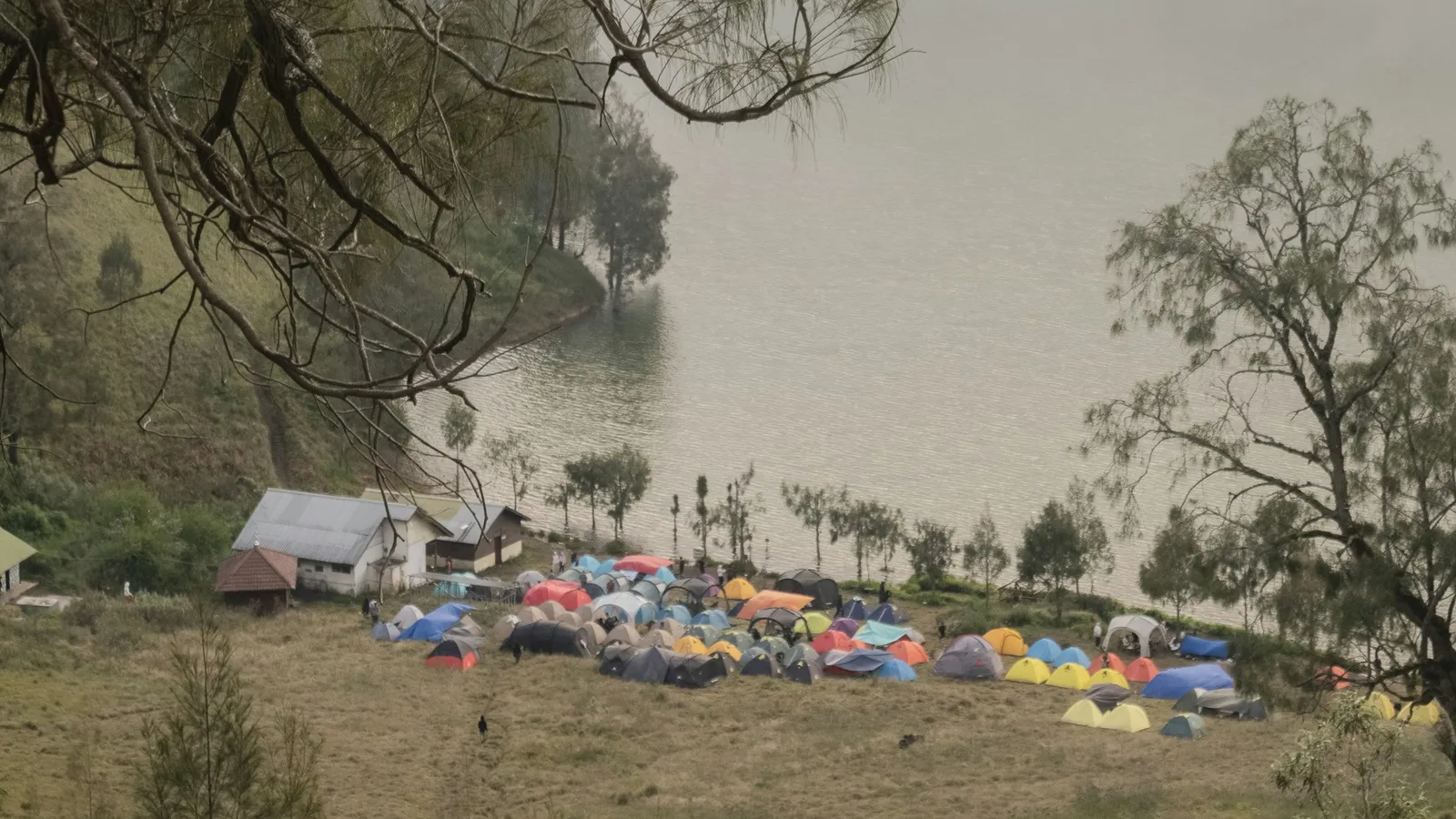
Colorful tents pitched beside a misty mountain lake

At a glance

Our top picks

A bikepacking tent has to do something a hiking tent does not: ride on a handlebar, frame or seat pack. That makes packed length and diameter just as important as weight, and a tent that stuffs into a short, narrow roll beats a lighter one that will not fit the bag.

Six tents are ordered here by how well each pairs a stated light weight with a packed size or bike-friendly detail. Listings that give both numbers rank above those that give one or neither.

RV Gear Lab field notes

The Campsite Fit Check

Start with the job
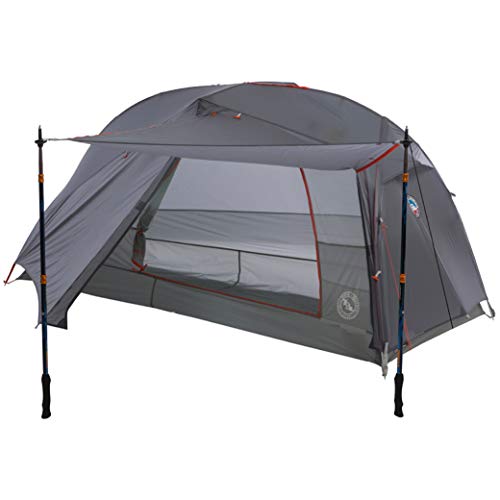
Big Agnes Copper Spur HV UL1 Ultralight Bikepacking Tent leads this shortlist for Riders who want a purpose-built bike tent. Use that fit as a reference point, then compare the alternatives against your own space and workload.
Specs that separate the picks
The first details to compare are Bikepack stuff sack, daisy-chain webbing, 3.53 lb, 4.7 x 15.4 inch pack, 3.57 lb, 15.3 x 5.1 x 5.1 inch pack. Confirm the exact model and included components before ordering.
Trade-off to plan for
Weight is not stated in the listing

Before you buy

What Matters Before You Choose an Ultralight Tent For Bikepacking

Key buying criteria so you get the right fit the first time.

  1. 01

    Packed length and diameter

    A tent that fits a 15 to 18 inch handlebar roll or a frame bag leaves your back free. A narrow roll of 4.7 inches fits tighter bags than a 7.5 inch roll. Look for both the length and the diameter of the packed tent on the listing.

  2. 02

    Stated weight in context

    A bikepacking tent usually weighs 2 to 4 lb, and weight spread across your bike matters less than it does on a back. Even so, a lighter tent makes climbing easier. Look for total weight and minimum trail weight if both are given.

  3. 03

    Attachment and stuff sack design

    Daisy-chain webbing and compression straps let the roll strap to a handlebar or top tube. A plain nylon bag needs your own straps. Check the listing for a named stuff sack or attachment points.

  4. 04

    Pole length and packing

    Folded poles set the shortest length of the roll, so short pole sections pack better. Aluminum poles save weight over fiberglass. Look for pole material and the folded length.

  5. 05

    Rain rating and condensation

    A fly rating of 3000 mm or more handles most rain, and double-wall designs with vents reduce condensation. Bikepackers often camp in unplanned places, so wet weather capacity matters. Check both the rating and the number of vents.

  6. 06

    Interior room for a bike and gear

    Many bikepackers keep gear inside and the bike outside. A vestibule of 5 to 6 sq ft holds panniers and shoes. Check the vestibule area and interior dimensions on the listing.

Our standards

Why You Can Trust RV Gear Lab

At RV Gear Lab, we compare products based on campsite fit, verified specifications, usability, setup requirements, weight, durability, and real-world trade-offs. We do not rank products purely on marketing claims or commission rates.

We have not personally tested every product listed. Where hands-on testing is not available, recommendations are based on verified manufacturer specifications, product documentation, use-case fit, and comparative research.

How we review camping gear →

Detailed reviews

The 6 best ultralight tents for bikepacking, explained

01
Big Agnes Copper Spur HV UL1 Ultralight Bikepacking Tent
  • Bikepack stuff sack, daisy-chain webbing
  • Two doors, two vestibules
  • High-volume hub design
Check price on Amazon for Big Agnes Copper Spur HV UL1 Ultralight Bikepacking Tent (opens in a new tab)
Best for: Riders who want a purpose-built bike tent

Our take

The only true bike-first design. It is the one to buy if the tent rides on the frame.

Why it made the shortlist

The Big Agnes Copper Spur HV UL1 is sold as an ultralight bikepacking tent with two doors and two vestibules. A compression stuff sack with daisy-chain webbing is designed for several bike-frame attachment options, and an elastic web holds a helmet on top of the tent body.

The 4-way high-volume hub design is listed as increasing strength by 25 percent and usable interior volume by 20 percent over earlier versions.

It suits serious riders who want a tent made for the frame bag and pannier-free setups. An oversized ceiling pocket and low vents add comfort.

What works

  • Stuff sack built for bike attachment
  • Two doors and two vestibules
  • Helmet storage strap on top
  • Oversized ceiling pocket

Watch out for

  • Weight is not stated in the listing
  • Premium cost compared with the others
The catch
No weight or packed dimensions appear in the listing.
02
Best for: Riders with tight handlebar rolls

Our take

A compact, stated-weight tent. It slides into narrow bags better than its rivals.

Why it made the shortlist

The Naturehike Giling is a 1 or 2 person tent with a total weight of 3.53 lb and a packed size of 4.7 by 15.4 inches.

It has the narrowest packed diameter in this guide at 4.7 inches, which lets it slide into a handlebar roll or seat bag more easily than the 5.1 inch Cloud-Up Pro. Against the Big Agnes Copper Spur, it gives full dimensions and a footprint.

It suits riders who need a compact roll and a stated weight at a mid-range cost. The inner space of 82.7 by 35.4 by 39.4 inches leaves room for a bike-lean gear pile.

What works

  • Narrowest pack diameter in the guide
  • Footprint included
  • Stated weight and sizes
  • 5.9 sq ft vestibule for gear

Watch out for

  • Single side entry only
  • Narrow 35.4 inch inner width
The catch
A single door and vestibule mean limited room for a bike inside.
03

Best Weather Rating · 3 of 6

Naturehike Cloud-Up 1 Person Tent

Naturehike Cloud-Up 1 Person Tent
  • 3.57 lb, 15.3 x 5.1 x 5.1 inch pack
  • 20D nylon, PU4000 mm and up
  • 7075 aluminum poles, footprint
Check price on Amazon for Naturehike Cloud-Up 1 Person Tent (opens in a new tab)
Best for: Riders heading into uncertain weather

Our take

The best rain rating in the group at near the lowest weight. It is a good all-rounder.

Why it made the shortlist

The Naturehike Cloud-Up Pro is a one person tent in 20D silicone-coated nylon with a PU4000 mm or higher waterproof rating. It weighs 3.57 lb, packs to 15.3 by 5.1 by 5.1 inches, and uses 7075 aluminum poles.

It has the highest stated rain rating in the guide, ahead of the 3000 mm class of the Giling and Cloud-Up Base.

It suits riders who go out in uncertain weather and want stronger fabric. A footprint, bag, poles, guy ropes and stakes are all included.

What works

  • Footprint and stakes in the box
  • Window vent cuts condensation
  • Compact 15.3 inch packed length

Watch out for

  • Pack is a 5.1 inch cube, not narrow
  • Single-person floor only
The catch
The packed diameter is wider than the Giling for tight handlebar bags.
04
MC TOMOUNT Backpacking Tent Ultralight Nylon 2 Person Camping Tent
  • 4.4 lb, 17.3 x 7.5 inch pack
  • 86.6 inch long, 53 inch wide
  • 20D nylon, PU3000 mm
Check price on Amazon for MC TOMOUNT Backpacking Tent Ultralight Nylon 2 Person Camping Tent (opens in a new tab)
Best for: Tall riders or couples

Our take

The roomiest tent in the group. It trades pack size for floor space.

Why it made the shortlist

The MC TOMOUNT 2P is a tent with an 86.6 inch long interior and a 53 inch width, made from 20D nylon with a PU3000 mm rating. It weighs 4.4 lb, stores at 17.3 by 7.5 inches, and uses two crossed aluminum poles.

At 53 inches wide it gives more elbow room than the one person Naturehike picks, which suits riders who share or bring a lot of kit. The listing calls it easy to carry on a bike, and its roll is the thickest here.

It suits tall riders or couples who prioritize length and width over the tightest pack. Doors extend extra space at both ends.

What works

  • Longest interior in the guide
  • Wide 53 inch floor for two
  • Stored size stated
  • Listed as easy to carry on a bike

Watch out for

  • Heaviest and bulkiest pack here
  • Needs a tarp in prolonged downpours
The catch
The listing itself recommends a tarp for prolonged heavy rain.
05

Best Value Cloud-Up · 5 of 6

Naturehike Cloud-Up 1 Person Tent

Naturehike Cloud-Up 1 Person Tent
  • 3.66 lb, 15.3 x 5.1 inch pack
  • 210T polyester, PU3000 mm
  • 7075 aluminum poles
Check price on Amazon for Naturehike Cloud-Up 1 Person Tent (opens in a new tab)
Best for: Value-minded solo riders

Our take

The cheaper Cloud-Up. It does the same job with slightly weaker fabric.

Why it made the shortlist

The Naturehike Cloud-Up Base is a one person tent weighing 3.66 lb that packs to 15.3 by 5.1 by 5.1 inches. It uses 210T polyester with a PU3000 mm or higher rating, 7075 aluminum poles and includes a footprint.

It is simpler than the Naturehike Giling, with two poles in a standard dome design.

It suits riders who want the Cloud-Up shape and a stated weight at a lower cost. The window vent above the front door helps with condensation.

What works

  • Stated weight and packed size
  • Footprint included
  • Window vent over the door
  • Lower cost than the Pro

Watch out for

  • Heavier than the Pro by about 0.09 lb
The catch
Its rain rating is lower than the Pro, so it suits fair-weather rides.
06
Clostnature 1 Person Lightweight Backpacking Tent
  • 4 lb total, 2.97 lb minimum
  • PU5000 fly and floor
  • Two aluminum poles, 14 stakes
Check price on Amazon for Clostnature 1 Person Lightweight Backpacking Tent (opens in a new tab)
Best for: Budget solo riders

Our take

The best value here for a light solo shelter. Leave some parts home to hit the low weight.

Why it made the shortlist

The Clostnature 1P is a freestanding one person tent with a total weight of 4 lb and a minimum trail weight of 2.97 lb. The rain fly and bathtub floor use PU5000 polyester, two aluminum poles hold the frame, and the box includes 14 aluminum stakes.

It is the heaviest of the one person tents at 4 lb, and dropping the stakes and bag gets it to 2.97 lb, close to the Naturehike Giling. It has the highest stated coating rating on a polyester fly, at PU5000.

It suits budget riders who want a light solo tent and are happy to trim weight by leaving some parts home. Interior mesh walls and adjustable guy lines add stability.

What works

  • Minimum trail weight can drop to 2.97 lb
  • PU5000 fly and floor
  • Interior mesh walls vent well
  • Adjustable guy lines

Watch out for

  • Packed dimensions are not stated
  • Heaviest solo tent when fully packed
The catch
No packed size is given, so check it fits your bag before you buy.

Methodology

How We Built This Shortlist

Each pick was assessed across 4 criteria weighted for real-world use.

01

Packed size

Packed length and diameter were compared, since a bike bag limits what fits.

02

Stated weight

Only tents with a stated weight in pounds were ranked on weight.

03

Bike-friendly features

Stuff sacks, attachment points and compact poles were noted as bike-specific details.

04

Weather protection

Fly and floor ratings in millimeters were compared with a focus on shoulder-season rides.

Decision guide

Match an Ultralight Tent For Bikepacking to Your Camp Setup

By Bike Setup

Your situationRecommended pickWhy
Tight handlebar rollNaturehike GilingNarrowest pack diameter at 4.7 inches.
Frame bag, purpose-built carryBig Agnes Copper SpurDaisy-chain stuff sack for bike attachment.
Unpredictable weatherNaturehike Cloud-Up ProPU4000 mm rating and a window vent.
Two riders or tall riderMC TOMOUNT 2P86.6 inch interior and 53 inch width.
Tight budget, soloClostnature 1PTrims to 2.97 lb minimum trail weight.

By Budget

BudgetRecommended pick
$60 to $100Clostnature 1P or Naturehike Cloud-Up Base
$120 to $130Naturehike Cloud-Up Pro or MC TOMOUNT 2P
$150 to $360Naturehike Giling or Big Agnes Copper Spur

Bike-Specific vs Backpacking Tent

Bike-Specific

A bike-specific tent adds a compression sack and attachment webbing for the frame. Big Agnes Copper Spur is the only one here.

Backpacking Tent

A backpacking tent simply packs small and can ride on a bike with your own straps. Naturehike Giling, Naturehike Cloud-Up Pro, Naturehike Cloud-Up Base, MC TOMOUNT 2P and Clostnature 1P are these.

Most riders can buy Naturehike Giling unless they want the bike-specific build of Big Agnes Copper Spur.

By Number of Riders

Your groupRecommended pick
Solo rider, compactNaturehike Giling
Solo rider, wet climateNaturehike Cloud-Up Pro
Couple or tall riderMC TOMOUNT 2P
Solo, tightest budgetClostnature 1P

For Multi-Day Rides Specifically

Look for

A stated weight under 4 lb and a pack that fits your bag.

In this comparison

The Naturehike Giling lists 3.53 lb and a 4.7 by 15.4 inch roll, while the Naturehike Cloud-Up Pro lists 3.57 lb with a PU4000 mm fly.

When to Spend More

Spend more if

Spend more on the Big Agnes Copper Spur or Naturehike Giling if you ride long distances, since a purpose-built bike carry or a narrower pack saves effort every day.

Save if

Save with the Clostnature 1P or Naturehike Cloud-Up Base if you ride short trips, since they still give a stated weight and a full footprint.

FAQ

Before You Bring One Home

Does a bikepacking tent need to be ultralight?

Not strictly. Weight is spread across the bike, so a 3.5 lb tent like the Naturehike Giling is fine. Packed size matters just as much as weight.

What is the common mistake when choosing a bikepacking tent?

Choosing by weight and ignoring pack size. A tent that does not fit your handlebar bag is useless. Check the packed dimensions, like the 4.7 by 15.4 inches on the Naturehike Giling.

Is a bike-specific tent worth it over a backpacking tent?

For frequent riders, yes. The Big Agnes Copper Spur adds a compression sack with daisy-chain webbing. A backpacking tent like the Naturehike Cloud-Up Pro works fine with your own straps.

How do I pack a tent on a bike?

Roll the poles inside the tent body for a tight bundle, then strap it to the handlebar or the frame. Keep the fly and the poles in the same roll for a fast pitch. Put heavy items low and central.

How do I care for a tent used on a bike?

Dry the tent fully before packing, since a wet roll rubs and mildews. Check the poles and the guy lines for road grit. Keep the stakes in a separate pouch.

Bottom line

The short version

Browse more ultralight tents for bikepacking on Amazon →
Danny Walker, Camping Editor at RV Gear Lab

About the author

Danny Walker

Camping Editor at RV Gear Lab

Danny covers camping gear, campsite setup, outdoor power, sleep systems and practical camping advice, with a focus on helping campers make better gear decisions.

More from Danny →Editorial standards

Keep reading

Related guides