
Practical Camping Guide · 12 min read
Camping Chair Weight Capacity Explained
Learn what a camping chair weight rating really means, why static and dynamic loads differ and how much margin to leave when choosing a chair.

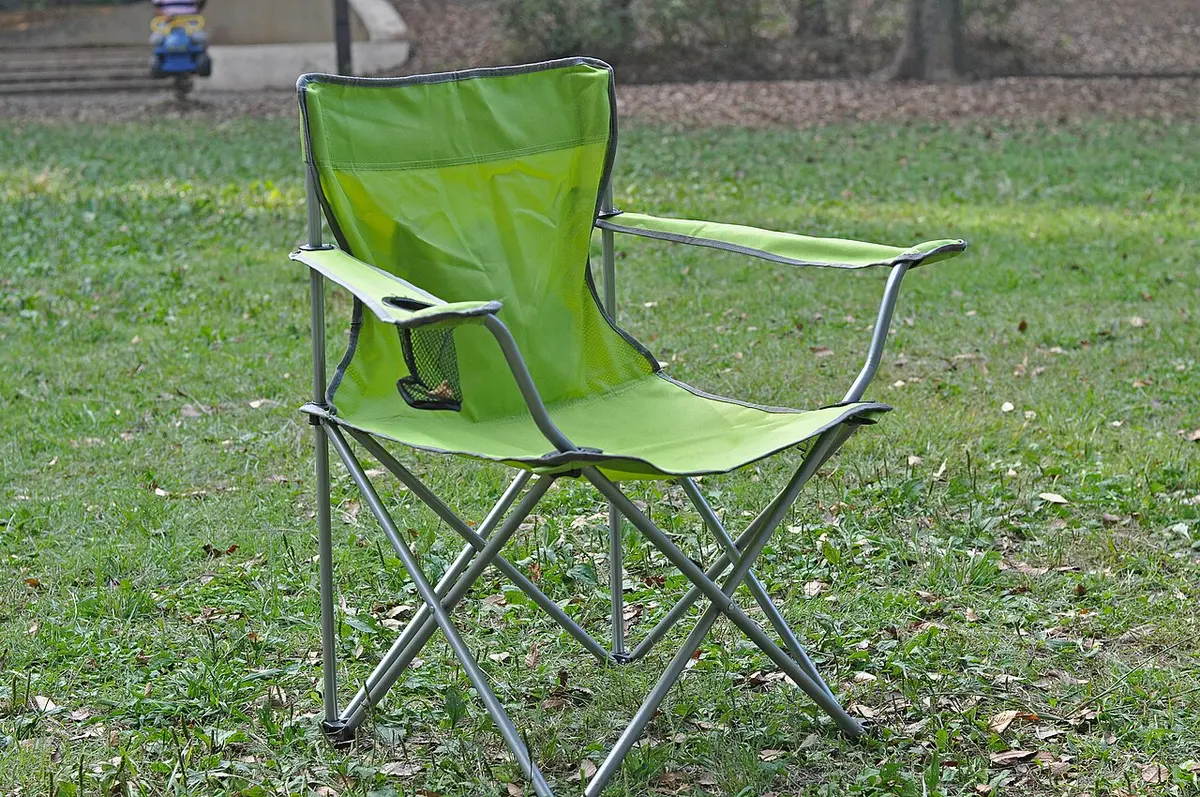
A camping chair's weight capacity is the maximum static load the maker says the chair can hold, and it is a ceiling, not a comfort rating. Choose a chair rated at least 20 percent above the heaviest person who will sit in it, since dropping into a seat briefly loads the frame far more than resting weight does. Standard folding chairs are commonly rated 225 to 300 pounds, heavy-duty models 350 to 500 pounds, and the rating applies per chair, not to the pair. Seat width, frame material and where the load concentrates matter as much as the number on the tag.
Weight ratings are one of the least standardized specs in camping gear, so two chairs with the same number can be built very differently. Below is what the rating really means, how loads act on a chair, what to look at beyond the headline figure, and how to choose and care for a chair that stays safe for years.
What the number means
Most manufacturers state a "maximum weight capacity" or "weight limit" in pounds. In practice, three ideas hide behind the number.
Static load. The weight the chair holds while a person sits quietly. A rating is usually a static figure, which means a person lowering themselves gently and staying still. It is the easiest to test and the one most makers quote.
Dynamic load. The extra force when you sit down quickly, shift, lean back, rock or stand up. A body that drops into a seat briefly exerts significantly more force than its resting weight, sometimes described as the "plop" factor. Dynamic loads can be one and a half to two times the static weight for a moment, and the frame joints and fabric stitching take the hit.
Safety factor. Engineering practice builds a margin between the rated load and the load at which the chair actually fails. Some makers include a generous factor, and others test close to the limit. The rating does not tell you which.
There is no single universal test standard that every camping chair maker follows. Some follow furniture standards for chairs, and others use in-house tests. A chair labeled with a third-party test or standard is giving you something to check. Treat an unqualified number from a no-name brand with caution, and favor brands that describe how they test.
Typical ratings by chair type
| Chair type | Typical rating | Notes |
|---|---|---|
| Lightweight backpacking chair | 200 to 250 lb | Minimal frame, thin fabric, focus on weight |
| Standard folding chair (quad chair) | 225 to 300 lb | The common car camping chair |
| Padded or deluxe camp chair | 250 to 350 lb | Heavier, more comfortable |
| Oversized, extra-wide chair | 350 to 500 lb | Wider seat and reinforced frame |
| Zero gravity recliner | 250 to 400 lb | Load shifts as the chair reclines |
| Hammock-style or swing chair | 250 to 350 lb | Depends on suspension and frame |
| Rocking or swivel chair | 250 to 350 lb | Moving parts add stress |
| Folding stool | 225 to 300 lb | Small footprint, load on a single point |
These ranges reflect commonly published figures and vary widely among makers. A heavy-duty chair is not only stronger, it is usually wider, taller and heavier to carry. Check dimensions along with the rating.
How loads actually act on a chair
A chair does not hold a person evenly. The load travels through a few paths, and the weakest link sets the limit.
- The seat fabric and its stitching. The seat takes the person's weight and transfers it to the frame. Seams, bar tacks and the way the fabric wraps the frame are common failure points. Thicker fabric, double stitching and reinforcements at the corners help.
- The frame joints. Folding chairs have pivots and rivets where tubes cross. These are the most common place for a frame to bend or a rivet to shear. Larger rivets, steel hardware and a cross-brace improve strength.
- The legs and feet. Legs take the load into the ground. Narrow feet sink into soft soil, and plastic feet can crack. Wider feet or pads distribute the load.
- The armrests and backrest. When you lean back or push down on the arms to stand, extra force goes through these parts. A chair with weak armrests can fail when you get up.
- The hinge or lock. Reclining and zero gravity chairs rely on locks and straps. A failed lock can drop the person suddenly.
The load is also uneven. Most of your weight rests on the rear of the seat and the back legs, and leaning back shifts more onto the rear legs. Tilting a chair onto two legs concentrates the entire load on the rear supports and can exceed the design.
Materials and what they imply
| Material | Strength | Weight | Notes |
|---|---|---|---|
| Steel tube frame | High | Heavy | Strong and rigid, can rust if the coating fails |
| Aluminum tube frame | Moderate to high | Light | Common in backpacking and many car camping chairs, strength depends on wall thickness and alloy |
| Plastic and composite parts | Low to moderate | Light | Used for feet, joints and armrests, can crack in cold |
| Polyester fabric (600D or higher) | Moderate | Light | Strong and affordable, UV can weaken it |
| Heavy polyester or canvas | High | Heavier | Handles larger loads |
| Mesh | Moderate | Light | Breathable, less tolerant of point loads |
| Webbing straps | High | Light | Used in reclining chairs |
Fabric denier (a measure of thread thickness, such as 600D) gives a rough sense of strength, but weave and coating matter too. For frames, tube diameter and wall thickness matter more than the metal's name. Thicker tubes with thicker walls handle more load.
Seat width, height and comfort
A weight rating is only part of fit. A larger person needs a wider seat and a stable frame, and a chair that is too narrow digs into the hips and loads the frame unevenly. Oversized chairs often have seats 22 to 28 inches wide. Look at the internal seat width between the arms and the seat depth, not just the overall width. Seat height matters for getting in and out: a low chair is harder to rise from, and a seat of 18 to 20 inches high is easier for many people. Armrests help with standing up, but they should be solid.
For people who need extra room, see the best extra-wide zero gravity chairs, and for general options, the best camping chairs. If you value padding, the best padded camping chairs provide more cushioning, and mesh designs in the best mesh camping chairs offer airflow. For comfort with movement, the best swivel camping chairs and the best hammock camping chairs are alternatives, though movement adds stress to the structure and favors a conservative margin.
Zero gravity chairs: capacity and locks
Zero gravity chairs recline so that your legs rise to around heart level, which spreads the load over the back and seat. Weight ratings for these chairs often reach 300 pounds or more, but their load path is different from a regular chair. The weight is carried by a combination of a frame, a fabric seat, a lock that holds the angle and cords or straps. The lock is a critical component, so look for a positive locking mechanism rather than friction alone. See the best zero gravity chairs with locking mechanism and the best zero gravity chairs with lumbar support if you want those features. For the trade-offs between this style and a standard chair, see zero gravity chair versus standard camping chair.
How to choose a safe rating for you
- Weigh yourself with typical gear. Include clothes and anything you hold. A person who weighs 220 pounds and holds a plate and a drink loads the chair with a bit more.
- Add a margin. A margin of about 20 percent is a common recommendation among gear sellers and users. For a 220 pound person, that suggests a chair rated for about 265 pounds, and for a 250 pound person, about 300 pounds.
- Check whether the rating is per chair. It should be. A rating for a "set of two" would be unusual, and you should confirm.
- Look at the build, not only the number. Thick tubes, steel hardware, reinforced stitching and a wide stance are signs of a stronger chair.
- Check the warranty. A manufacturer that offers a multi-year warranty tends to trust its rating.
- Read the description for test details. Third-party testing or a named standard is a plus.
- Consider the surface. Soft ground reduces stability, and a chair with wider feet works better on sand or grass.
- Test it at home. Sit in the chair, shift, lean back and stand up repeatedly. Listen for creaks and check for flexing.
| Person's weight | Suggested minimum chair rating (with 20 percent margin) |
|---|---|
| 150 lb | 180 lb |
| 180 lb | 216 lb |
| 200 lb | 240 lb |
| 230 lb | 276 lb |
| 260 lb | 312 lb |
| 300 lb | 360 lb |
| 350 lb | 420 lb |
A worked example: three campers, three chairs
Consider three people at one campsite and how the numbers play out for each.
Alex, 165 pounds, mostly hikes. Alex needs a chair that packs small and weighs little. With a 20 percent margin, the target is about 200 pounds. A lightweight backpacking chair rated 250 pounds has plenty of margin, and the trade-off is a lower seat and a smaller footprint. The thin frame is fine for Alex's weight because the load stays well below the limit even when sitting down quickly.
Jordan, 235 pounds, car camps with gear. Jordan carries a plate, a drink and sometimes a child on the lap, which adds 20 to 40 pounds. With the margin, the target is above 300 pounds. A standard chair rated 300 pounds sits at the edge, and a heavy-duty padded chair rated 400 pounds gives comfortable room. The extra five pounds of chair weight is irrelevant because the car does the carrying. Jordan also picks a model with a wide seat of 22 inches and sturdy armrests for getting up.
Sam, 310 pounds, wants a recliner. Sam needs a chair rated 400 pounds or higher, with a seat width of 25 inches or more. A zero gravity recliner with a steel frame and a positive lock is a good fit, but only if the rating is clear. Sam also thinks about the ground: the campsite has soft sand, so wider feet or a pair of boards under the legs will keep the chair from tilting as it sinks. After the first night, Sam checks the rivets and the lock, since a reclining chair loads the frame in several directions.
The pattern across all three is the same: weigh the person, add gear, add the margin, pick the build, check the width and think about the ground. The chair that looks like a bargain at the exact rating is rarely a bargain after a season of use.
Children, pets and shared use
Children are lighter, but they are harder on chairs. They climb, rock and drop into seats, which can cause dynamic loads that exceed a small chair's design. Kids' camping chairs are usually rated 100 to 150 pounds, and they should be used by one child at a time. Do not allow two children to share a chair, and do not let anyone stand on it. A small adult chair is a common alternative for a taller child. For pets, a chair is not a bed, and claws can tear the fabric. A cot or a mat for the dog is a better option.
Families that share chairs among people of different sizes should choose according to the heaviest user and mark the rating on the chair or on its bag. Chairs left out for a group at a fire pit or in a communal area face mixed use, and it is sensible to choose sturdier models.
Weather, temperature and aging
Environmental factors change how a chair behaves. Plastic parts become brittle in the cold and may crack under a load that they would carry at room temperature. High heat softens some plastics and adhesives. Rain and humidity corrode steel hardware and promote mold on fabric. Sunlight breaks down fabric fibers and dyes, and a chair left in the sun for three summers can have a fraction of the strength it had at purchase. If your chairs live in a garage or a trailer, store them out of direct sun and inspect the stitching at the start of each season. Treat a chair that has been in service for five or more years with extra scrutiny, and plan to replace it before a failure replaces it for you.
Signs a chair is near its limit
Watch for early warning signs and retire or repair the chair if you see them:
- Fabric stretching or sagging more than when new.
- Stitching pulling or fraying, especially at the corners.
- Frame bending or twisting, even a little.
- Creaking or clicking from the joints.
- Rivets loose or deformed.
- Feet cracking or splaying.
- A chair that tilts or wobbles on level ground.
- Difficulty folding or unfolding, which may mean bent tubes.
Small repairs can extend a chair's life, such as replacing feet or restitching a seam. A bent frame or a cracked weld is not worth repairing, since the strength is compromised.
Using and caring for a chair
Good habits keep the load within limits and extend life.
- Sit down gently, and avoid dropping into the seat.
- Keep all four legs on the ground. Do not tip the chair back on two legs.
- Use it on level, firm ground, and place a board or pad under the legs on sand and mud.
- Do not stand on the chair or use it as a step.
- Do not let two people share a chair, and do not seat a child and an adult together.
- Clean and dry it before storing, since moisture corrodes steel and breeds mildew on fabric.
- Avoid prolonged sun exposure. UV weakens fabric over a few seasons.
- Store it in a dry place, folded and out of the weight of heavy gear.
- Check hardware before each season.
Our guide to choosing a camping table covers the other half of a camp seating setup, since a stable table and a stable chair belong together, and so does the comparison of solar versus propane camp showers for the end of the day.

Common mistakes to avoid
- Buying at the exact rating. Leave a margin for dynamic loads.
- Trusting an unqualified number. Look at the build and the brand's testing.
- Ignoring seat width. A narrow seat loads the frame unevenly.
- Tilting the chair back. It concentrates the load.
- Using a chair on soft ground without support. Legs sink and twist.
- Overlooking warnings of wear. Fix or retire a failing chair.
- Assuming the rating applies to a pair. It is per chair.
- Leaving the chair in the sun for years. UV weakens fabric and plastic.
Frequently asked questions
Is the weight limit on a camping chair accurate?
It is usually a static rating from the manufacturer, and quality varies by brand. A reputable maker with a warranty and clear testing details is more trustworthy. Leave a safety margin of about 20 percent for dynamic loads.
What is the strongest type of camping chair?
Heavy-duty steel frame chairs with thick fabric and reinforced stitching often carry ratings of 400 to 500 pounds. Check the dimensions and weight, since strength usually comes with more bulk.
Does the weight capacity apply to each chair?
Yes, it is a per-chair rating. If a listing is unclear, check the product description or ask the seller.
Can a chair with a 300 pound rating hold a 280 pound person?
It can on paper, but with little margin. Sitting down quickly or leaning can briefly exceed the rating. A chair rated for 350 pounds or more is a safer choice for a person near 280 pounds.
How do I know when to replace a camping chair?
Replace it if you see a bent frame, loose or deformed rivets, torn fabric or stitching, cracked feet or wobble on level ground. Small cosmetic wear is fine, but structural damage means the rating no longer applies.
Are zero gravity chairs rated differently?
They have ratings like other chairs, often 250 to 400 pounds, but the load path involves locks and straps, so check the locking mechanism. Look for a positive lock and a sturdy frame.
Sources & further reading
- Core Equipment: Camping chair weight capacity guide
- Feistel Outdoor: How strict are weight limits on camping chairs
- Wikipedia: Safety factor
Image credits
- "Camping-Chair 001" by Ocdp, CC0, via Wikimedia Commons.
- "Camping chairs hoh campground d archuleta march 05 2015 (22553413058)" by Olympic National Park, Public domain, via Wikimedia Commons.


Ready to buy?
Compare the gear: Camp Furniture
5 Best Camping Chairs in 2026
Five camping chairs compared on weight, capacity, padding and cooler pockets, covering lightweight, oversized and budget picks for campsites and RV patios.
5 Best Hammock Camping Chairs in 2026
Five hammock camping chairs compared on weight rating, footrest design, seat width and packed weight, for campers who want a swinging seat at the site.
5 Best Mesh Camping Chairs in 2026
Five mesh camping chairs compared on breathable backs, frame weight ratings, recline range and packed size, for warm-weather campers who want airflow.
5 Best Padded Camping Chairs in 2026
Five padded camping chairs compared on cushion fill, weight rating, frame steel and storage, for campers who sit for hours and want a couch-like seat.
5 Best Swivel Camping Chairs in 2026
Five swivel camping chairs compared on rotation range, folded size, weight and frame material, for campers who want to turn toward the fire and the view.
5 Best Extra Wide Zero Gravity Chair in 2026
Extra wide zero gravity chairs for bigger bodies and RV campsites, compared on seat width, weight rating, lock type, and padding so you pick the right fit.
5 Best Zero Gravity Chair With Locking Mechanism in 2026
Zero gravity chairs with a reliable recline lock, compared on lock material, weight rating, and cushion design for RV campers who nap outdoors.
5 Best Zero Gravity Chair With Lumbar Support in 2026
Zero gravity chairs for lower back comfort, from a leather power recliner to padded folding models, compared on lumbar adjustment, padding, and weight rating.
Keep reading