

We research everything we recommend. When you buy through our links, we may earn a commission. Learn more

Buying guide · 10 min read · Updated October 2, 2026

5 Best Power Inverters Under 750 in 2026: A Practical Camping Guide

Best power inverters under $750: five high-power 12V inverters compared on inverter-charger design, wired remote and surge capacity for RVs and trucks.

Danny WalkerBy Danny WalkerCamping Editor at RV Gear Lab5 products comparedSpec-sheet researched
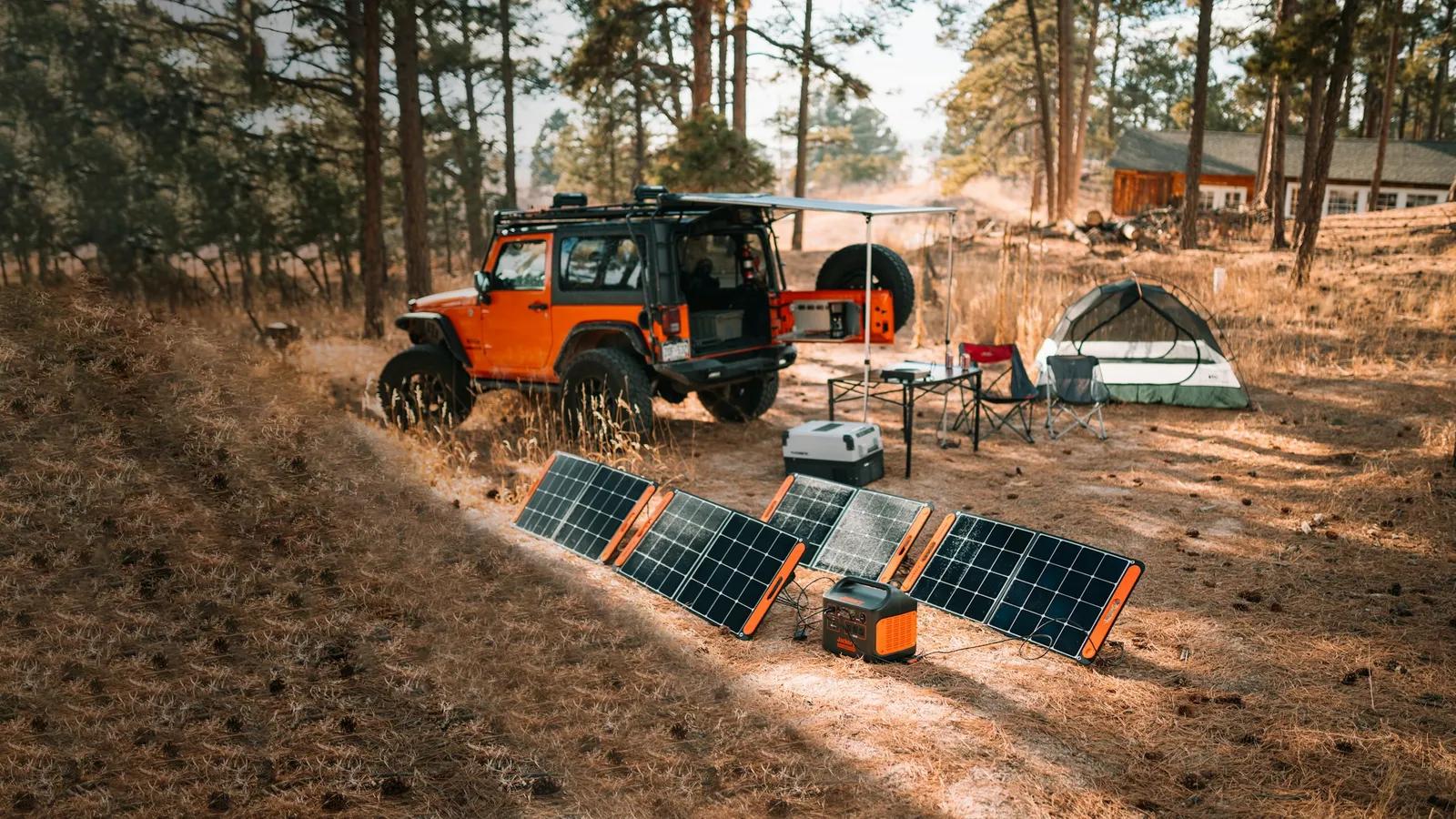
Jeep camp with a tent, solar panels and a portable power station at a pine forest campsite

At a glance

Our top picks

Seven hundred and fifty dollars finally brings in a true inverter-charger, the Tripp Lite, alongside the big modified sine units. The other four picks cost far less, so the cap mostly buys features rather than watts.

Few good options sit in this price band, so the list shows what the extra money over $500 does and does not buy. Choose by whether you need a transfer-switch style unit or just a lot of raw power.

RV Gear Lab field notes

The Campsite Fit Check

Start with the job
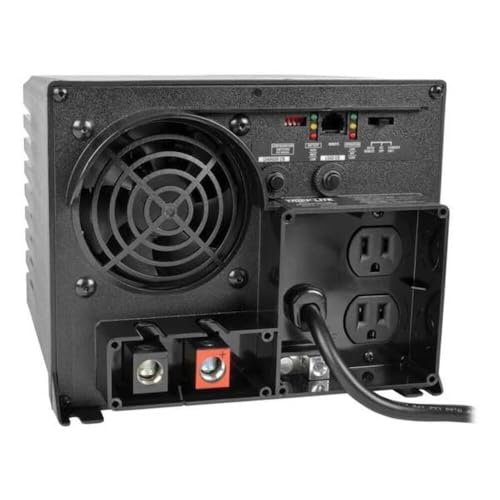
Tripp Lite APS750 750-Watt PowerVerter APS 12-Volt DC 120-Volt Inverter/Charger leads this shortlist for RVs with shore power. Use that fit as a reference point, then compare the alternatives against your own space and workload.
Specs that separate the picks
The first details to compare are 750W continuous, 1500W peak, 4000W, four 110V sockets, 4000W continuous, 8000W peak. Confirm the exact model and included components before ordering.
Trade-off to plan for
Costs far more per watt

Before you buy

What Matters Before You Choose a Power Inverter Under 750

Key buying criteria so you get the right fit the first time.

  1. 01

    What $750 buys

    The extra money over $500 buys an inverter-charger, not more watts. The LVYUAN 4000W already offers the most power for about $170. Decide whether shore-power charging is worth the premium before you spend, and the Tripp Lite is the only pick here where the money buys a different function.

  2. 02

    Inverter vs inverter-charger

    An inverter-charger passes shore power through and charges the battery when it is plugged in, while a plain inverter only converts battery power. For an RV that spends nights at campgrounds, that saves a separate charger. Check whether your converter already charges the battery and what its output rating is.

  3. 03

    Reserve and surge ratings

    A 750W unit with 1125W reserve and 1500W peak can start a small motor that a 750W-only unit might not. Surge ratings last seconds, not minutes. Check how long the peak is rated for and whether the figure is continuous or short-term, so read the fine print on duration before you rely on it.

  4. 04

    Battery bank and cable

    A 4000W load pulls over 330 amps at 12V, so a lithium bank and 2/0 or 4/0 cable are usual. Match the bank's discharge limit to the inverter. Look it up before you order and what the bank can actually deliver, and match the cable to the inverter manual rather than a general chart.

  5. 05

    Waveform

    Pure sine runs motors and electronics cooler, while modified sine handles heaters and kettles. Look for the waveform in the product title. If it is missing, assume modified sine, and check what your heaviest device needs before choosing and a quiet fan is a good sign of a well made unit.

  6. 06

    Placement and cooling

    Big inverters generate heat and noise. Mount them in a ventilated, dry spot away from fuel. Leave room around the vents and check the operating temperature range and plan the airflow before you cut any cable so the unit never sits in a hot closet with no air flow.

Our standards

Why You Can Trust RV Gear Lab

At RV Gear Lab, we compare products based on campsite fit, verified specifications, usability, setup requirements, weight, durability, and real-world trade-offs. We do not rank products purely on marketing claims or commission rates.

We have not personally tested every product listed. Where hands-on testing is not available, recommendations are based on verified manufacturer specifications, product documentation, use-case fit, and comparative research.

How we review camping gear →

Detailed reviews

The 5 best power inverters under 750, explained

01
Best for: RVs with shore power

Our take

A true inverter-charger for shore-to-battery switching.

Why it made the shortlist

Tripp Lite's APS750 is an inverter and charger that delivers clean 120V AC from either an AC or DC source. It supplies 750W continuous, 1125W of reserve power for up to an hour and 1500W of peak for up to 10 seconds.

It suits an RV that switches between shore power and a battery bank. The reserve rating handles motor start-ups.

What works

  • Charges while on shore power
  • Clean 120V AC output
  • Reserve power for start-ups
  • Six foot cord

Watch out for

  • Costs far more per watt
  • Only 750W continuous
The catch
You pay a lot for the charger function.
02
Best for: Big loads with app control

Our take

Raw 4000W capacity with phone monitoring.

Why it made the shortlist

Cummins provides 4000W continuous through four 110V sockets with protective port covers, plus an 18W USB-C and a 2.4A USB-A port. Bluetooth monitoring lets you read it from a phone.

At about $500 it costs about $83 less than the Tripp Lite and delivers more than five times the watts. It trades the charger for raw capacity and an app.

It suits trucks and RVs with a big bank. The covers keep dust out.

What works

  • 4000W with four sockets
  • Phone app monitoring
  • Covered sockets
  • USB-C and USB-A ports

Watch out for

  • Modified sine wave
  • No built-in charger
The catch
It does not charge your battery.
03
Best for: Value-minded big installs

Our take

The cheapest route to 4000W in this tier.

Why it made the shortlist

LVYUAN pairs a 4000W continuous rating with four AC sockets and a USB port. The hardwire terminal suits a fixed install, and a long cabled remote lets you switch it from inside the cabin.

At about $170 it costs less than a third of the Cummins and gives the same watts. It leaves over $500 of the cap for cable, fuses and a bank.

It suits van and RV conversions. It is the value anchor of this list.

What works

  • Same watts as the Cummins for less
  • Wired remote
  • LCD shows battery and load
  • Four AC outlets

Watch out for

  • Modified sine wave
  • No charger or app
The catch
You supply the cable and fuse.
04
Best for: Microwave-size loads

Our take

A middle step for those who do not need 4000W.

Why it made the shortlist

TVNIKD sits at 2500W continuous, with a trio of AC sockets plus a 2A USB output. It carries ten 30A fuses and three fans, and the screen shows battery status.

It suits a truck or camper. Heavy cable is required.

What works

  • Ten built-in fuses
  • Three AC outlets
  • LCD with battery alarm
  • Three cooling fans

Watch out for

  • Modified sine wave
  • Needs a heavy bank
The catch
Heavy loads draw over 200 amps.
05

Best Cordless Kit · 5 of 5

EGO Power+ Portable Inverter

EGO Power+ Portable Inverter
  • 400W pure sine
  • 4.0Ah 56V battery, 100W charger
  • USB-C PD, USB-C, USB-A
Check price on Amazon for EGO Power+ Portable Inverter (opens in a new tab)
Best for: Cordless campsite power

Our take

A quiet cordless option that needs no wiring.

Why it made the shortlist

The EGO kit bundles a 400W pure sine inverter, its 56V 4.0Ah pack and a 100W PD charger. Three USB outputs cover most small devices.

It suits laptops, lights and phones. The battery doubles as a tool pack.

What works

  • Everything in one box
  • Pure sine power
  • No installation
  • Battery doubles as a tool pack

Watch out for

  • Only 400W
  • Small battery limits runtime
The catch
Runtime is short for anything above a laptop.

Methodology

How We Built This Shortlist

Each pick was assessed across 5 criteria weighted for real-world use.

01

Continuous watts

Rated continuous output from 400W to 4000W was set against price.

02

Charger function

Whether a unit also charges the battery from shore power was compared.

03

Waveform

The pure sine EGO and the Tripp Lite's clean output were separated from modified sine units.

04

Controls

Phone apps, wired remotes and LCD screens were compared.

05

Price against the cap

Every pick is at or under $750, and the top pick spends the money on a feature the others lack.

Decision guide

Match a Power Inverter Under 750 to Your Camp Setup

By what you run

Your situationRecommended pickWhy
RV with shore power and a bankTripp Lite APS750Inverter-charger.
Truck with app controlCummins 4000WBluetooth monitoring.
Van or RV on a budgetLVYUAN 4000W4000W for about $170.
Microwave-size loadsTVNIKD 2500W2500W, three outlets.
Cordless laptop and lightsEGO 400W KitBattery and charger included.

By Budget

BudgetRecommended pick
$150 to $170TVNIKD 2500W or LVYUAN 4000W
$240 to $500EGO 400W Kit or Cummins 4000W
$580 to $590Tripp Lite APS750

Inverter-charger vs plain inverter

Inverter-charger

The Tripp Lite APS750 passes through shore power and charges the battery, at about $583 for 750W.

Plain inverter

The Cummins 4000W, LVYUAN 4000W and TVNIKD 2500W only convert battery power but cost far less per watt.

Most buyers should take the LVYUAN 4000W unless shore-power charging is essential.

By budget

Price tierRecommended pick
About $155TVNIKD 2500W
About $170LVYUAN 4000W
About $250EGO 400W Kit
About $500Cummins 4000W
About $583Tripp Lite APS750

For an RV that moves between shore power and a bank specifically

Look for

Look for an inverter-charger with transfer capability and enough reserve for start-ups.

In this comparison

The Tripp Lite APS750 is the only pick that does both. The LVYUAN 4000W is the alternative if you already have a separate charger.

When to Spend More

Spend more if

Spend more if you want an inverter-charger for shore-to-battery switching: the Tripp Lite APS750 is the only one, and the Cummins 4000W adds app monitoring.

Save if

Save if you only need raw power: the LVYUAN 4000W and TVNIKD 2500W give the most watts per dollar, and the EGO 400W Kit covers cordless needs.

FAQ

Before You Bring One Home

Do I need an inverter-charger for my RV?

Only if your RV lacks a built-in converter-charger or you want a combined unit. Most RVs already charge the battery from shore power through a converter. The Tripp Lite APS750 helps when you add a separate bank and what your campground pedestal provides.

Can the Tripp Lite run a microwave?

A small one, maybe. It delivers 750W continuous and 1500W peak for 10 seconds, so a 700W microwave is the upper limit. For larger microwaves, the LVYUAN 4000W or Cummins 4000W have more headroom that must start a motor.

How big a battery bank for 4000W?

A 4000W load at 12V draws over 330 amps, so you need a lithium bank that can deliver it, often 400Ah or more. Check the bank's maximum discharge rating. A small bank will sag and trip the inverter or the inverter will trip.

What is reserve power?

Reserve is power the unit can deliver above its continuous rating for a limited time, such as the Tripp Lite's 1125W for up to an hour. It helps with motor start-ups. Do not rely on it for sustained loads and plan around the continuous figure.

Is the Cummins 4000W worth it over the LVYUAN?

Only if you value Bluetooth monitoring and covered sockets. Both give 4000W, and the LVYUAN costs a third of the price. Most buyers should save money and spend it on cable and a larger battery.

Bottom line

The short version

Browse more power inverters under 750 on Amazon →
Danny Walker, Camping Editor at RV Gear Lab

About the author

Danny Walker

Camping Editor at RV Gear Lab

Danny covers camping gear, campsite setup, outdoor power, sleep systems and practical camping advice, with a focus on helping campers make better gear decisions.

More from Danny →Editorial standards

Keep reading

Related guides