
Practical RV Guide · 13 min read
How to Choose an RV Surge Protector or EMS
Choose an RV surge protector or EMS by amperage, protection type, voltage cutoffs and portable versus hardwired design, with picks by rig size.

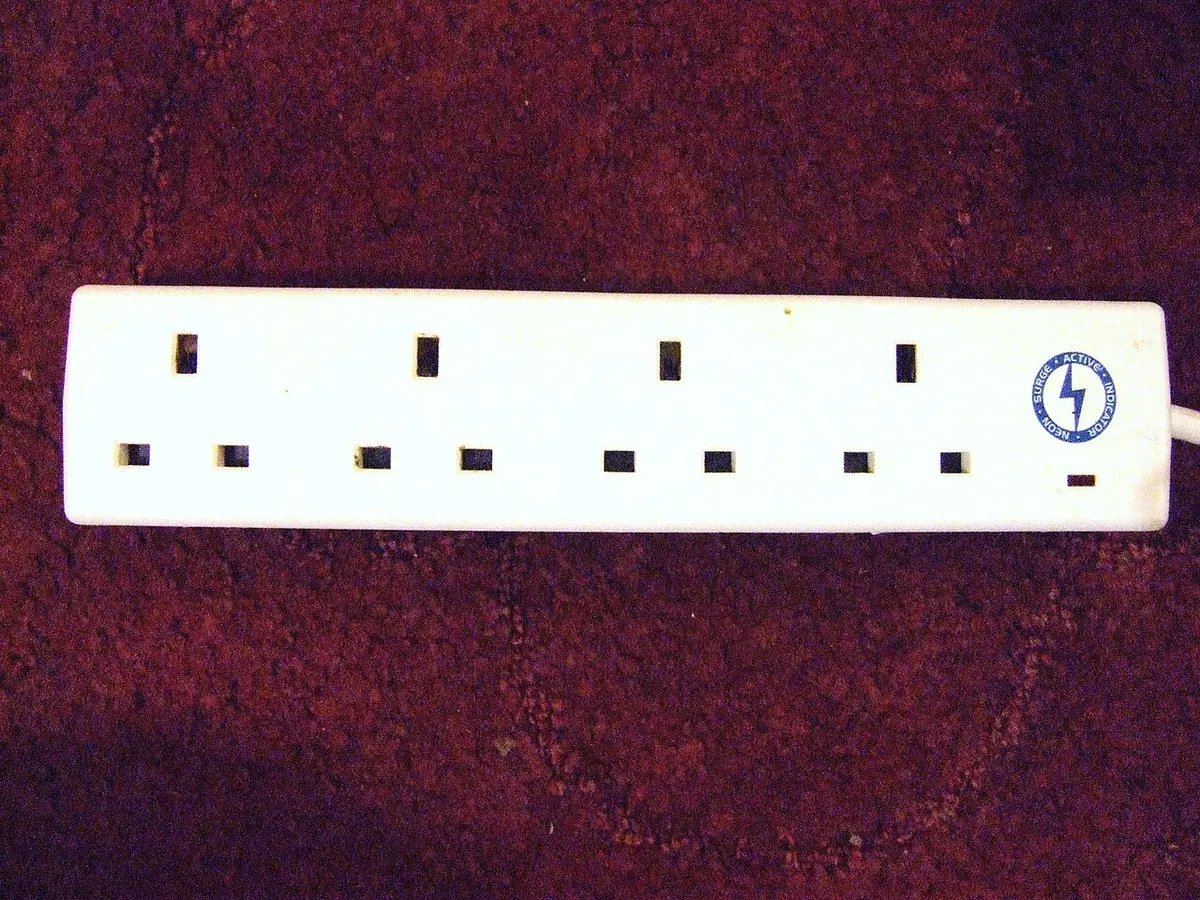
Pick the amperage that matches your rig's shore cord (30 A or 50 A), then decide between a plain surge protector and an electrical management system (EMS). If your RV has an air conditioner, a residential fridge or a microwave, an EMS that cuts power for low voltage, high voltage, open ground and reversed polarity is worth the extra money, because the common campground threats are sustained electrical faults, not lightning-style spikes. Then choose between portable (plugs in at the pedestal) and hardwired (installed inside), and check for a UL listing and clear shutoff thresholds.
An RV is an expensive set of electronics, motors and a power converter, all connected to a stranger's wiring through a cord you plugged in yourself. The right protective device is cheap compared to a failed air conditioner or a fried converter. This guide walks through the decision in the order that matters: amps, protection type, installation style, features, and how to confirm a given product is what it claims.
Step 1: match the amperage
RVs connect to campground power in one of two common ways.
| Shore power | Plug and receptacle | Maximum power | Typical rigs |
|---|---|---|---|
| 30 A, 120 V | TT-30 (three prongs) | About 3,600 W | Travel trailers, small fifth wheels, Class B and C |
| 50 A, 120/240 V | 14-50 (four prongs) | About 12,000 W | Large fifth wheels and Class A motorhomes |
| 15 or 20 A household | NEMA 5-15 or 5-20 | 1,800 to 2,400 W | Pop-ups, camper vans, small trailers |
Pick a protector with the same amperage as your RV's cord. A 30 A unit on a 50 A rig will not fit, and a 50 A unit sized for a 30 A trailer costs more than necessary. You can use adapters, often called dogbones, to connect a 30 A rig to a 50 A pedestal. The adapter does not increase your available power, and it may allow the rig to draw more than its cord is designed for if a 30 A cord is plugged into a pedestal with a 50 A breaker, which is why the protector sits between the pedestal and the RV, and why the RV's own breakers matter. Choose a unit rated for at least the amperage your RV can draw, and prefer a protector with a margin when it will run at full load in hot weather. See the best 50 amp RV surge protectors if you have a larger rig.
On a 50 A system, remember that the power comes as two 120 V legs. A good 50 A protector monitors each leg and detects a lost neutral or an imbalance, so look for a unit that explicitly says it checks both legs.
Step 2: surge protector or EMS?
The two product families solve different problems.
Surge protector. A device with metal oxide varistors and sometimes gas discharge tubes that divert short voltage spikes. It protects against transient surges, such as those from lightning-induced events and utility switching. It does not disconnect your RV when voltage stays too high or too low for a long period.
EMS (electrical management system). Includes the surge protection of a protector and adds a processor and a relay. It measures voltage, current and wiring conditions and opens the relay to disconnect the RV when readings leave a safe window. It typically waits a set time before reconnecting, a delay that protects air conditioners from short cycling.
| Hazard | Surge protector | EMS |
|---|---|---|
| Brief spike | Yes | Yes |
| Sustained low voltage (brownout) | No | Yes |
| Sustained high voltage | No | Yes |
| Open ground | May indicate | Yes, blocks |
| Reversed polarity | May indicate | Yes, blocks |
| Open neutral on 50 A | No | Often yes |
| Diagnostic display | Often lights only | Voltage, amps, fault codes |
| Cost | Lower | Higher |
Low voltage is a common campground problem on hot weekends, when many air conditioners run at once and a long feeder sags. An air conditioner compressor on low voltage draws more current and overheats. Sustained high voltage can result from a bad connection upstream. An EMS addresses both by disconnecting power until conditions return to normal. If you run a compressor-based appliance or any motor, an EMS is the sensible option. To see how those features show up in products, check the best RV surge protectors for low voltage and the overall best RV surge protectors.
Step 3: read the thresholds
A good EMS publishes its trip points. Common settings include:
| Condition | Typical protective setting |
|---|---|
| Low voltage cutoff | About 104 V (some at 102 to 108 V) |
| High voltage cutoff | About 128 to 132 V |
| Reconnect delay | 90 to 180 seconds |
| Over-current alarm | At the rated amperage |
| Hot neutral or open ground | Immediate lockout |
Thresholds matter. A cutoff too close to nominal causes nuisance trips on a campground with a slightly low supply, while one that is too low lets your equipment run in a damaging range. Many users favor an adjustable low-voltage setting, since a small appliance load can tolerate 105 V while a big air conditioner prefers more. If the product page gives no numbers, assume the protection is weaker than it sounds.
Step 4: portable or hardwired
Both types protect, but they fit different habits.
Portable. Plugs between the pedestal and your RV's shore cord. It travels with you, can be used at home, and can be locked to the pedestal. It is exposed to weather and theft, and it adds a connection point that can get dirty or wet. See the best portable RV surge protectors and the best compact RV surge protectors for typical designs.
Hardwired. Installed inside the RV, usually at the point where the shore cord enters, so it protects every connection you make. It cannot be stolen, it sits in a dry space, and its display can be mounted inside. The drawbacks are installation (many owners hire an electrician), a higher price and the risk of getting locked into a model if it fails. See the best hardwired RV surge protectors. If the hardwired unit shows a display inside, you can see problems without going outside.
A common arrangement for full-timers is hardwired in the rig plus a simple portable analyzer to check pedestals before connecting. For weekenders, one portable unit is enough.
Step 5: features that earn their price
- Digital display. Shows live voltage and amperage, and fault codes. Helps you notice a sagging supply before it trips.
- Bluetooth or app monitoring. Lets you check from inside the RV or while away, and some store event logs. See the best Bluetooth RV surge protectors for how that looks in practice. Bluetooth has a limited range, so it works from your site, not from home.
- Adjustable cutoff settings. Allow you to fit your appliances and local conditions.
- Delay timer. The reconnect delay protects compressors. Look for 90 seconds or more.
- Security lock. A cable lock or bracket deters theft of portable units.
- Weather rating. Pedestal protectors should be rated for outdoor use, with sealed housings.
- Generator-friendly operation. Generators can have unstable voltage, so check compatibility notes.
- Diagnostics for the pedestal. An open ground or miswired outlet is dangerous, and a device that displays it protects you as well as the RV.
Step 6: verify the claims
Marketing for surge protectors is crowded with big numbers, and not all of them mean much. Use this list to separate evidence from decoration.
- A safety listing. Look for UL or ETL listing to the surge protective device standard, usually UL 1449, and a listing for the enclosure and cord. An unlisted device may fail unsafely.
- The let-through voltage. If the maker gives a voltage protection rating, lower is better. A 330 V or 400 V rating is solid.
- The joule rating. Higher suggests longer life, but it is not a measure of protection quality. An explainer on surge protector joule ratings covers that in detail.
- The thresholds and delay. They should be written on the product page or the manual.
- The warranty. Some makers include equipment coverage, while others do not.
- Return and support policy. An EMS is electronics, and electronics occasionally fail.
- Independent confirmation. Look for descriptions of what the unit does when the supply drops, not just that it "protects."
Step 7: set your budget
You can choose by what you stand to lose. A basic surge-only portable unit costs the least and is better than nothing for a small trailer with few motors. A mid-range EMS with a display and standard thresholds covers most travel trailers and Class C motorhomes. Premium units add Bluetooth, adjustable settings and hardwired installation, which make the most sense in larger rigs with multiple air conditioners and expensive electronics. For lower-cost options, see the best budget RV surge protectors. A simple rule of thumb: if the cost of replacing your rooftop air conditioner and converter would hurt, the price difference for an EMS is small by comparison.
Installation and use tips
- Test the pedestal first. Before plugging in, check the outlet with a tester. Some EMS units perform the check automatically when connecting.
- Turn off the RV's breakers and the pedestal breaker before connecting. Plug in the protector, then the RV cord, then switch on.
- Place the protector so water does not pool. Keep it off the wet ground and away from sprinklers.
- Use the shortest cord possible. Long cords add voltage drop.
- Lock it. A portable unit left on a pedestal is easy to steal.
- Wait for the delay. The relay will connect after the timer, so do not assume a fault.
- Read the display on arrival and again at peak load. A supply that looks fine at noon may sag at 5 p.m.
- Do not bypass the unit. If it cuts power, find out why. Repeated trips on low voltage mean the campground supply is weak, so reduce your load or move.
If you want the practical routine for using the protector at a site, see how to use an RV surge protector.
When you use a generator
Generators produce voltage that can be unstable at startup or under changing load. Some EMS units refuse to connect until the voltage settles, and some trip when the generator's frequency or voltage varies. Start the generator, let it stabilize, then connect the RV. Check whether your protector is designed to work with generators. The surge a generator must handle when an air conditioner starts is a separate issue covered in RV generator starting surge. If you use a power inverter or inverter-charger, how it connects to shore power affects where the protector goes, and the comparison in converter versus inverter versus inverter-charger explains the layout.
Putting it together: three examples
A 24 foot travel trailer with a single air conditioner and a 30 A cord. Choose a 30 A portable EMS with a display, low-voltage cutoff near 104 V, a 2 to 3 minute delay and a lock. If budget is tight, a basic surge-only unit gives some protection against spikes but leaves the compressor exposed to brownouts.
A 40 foot Class A with 50 A service, two air conditioners and a residential fridge. Choose a 50 A EMS that monitors both legs and detects open neutral, with adjustable cutoffs and a delay. Hardwired installation protects at every connection and keeps the display inside. The cost is justified by the value of the equipment.
A camper van with a 15 A or 20 A shore connection. A small surge protector or a compact EMS sized for that service is enough. The van's loads are small, and a 30 A unit would be oversized. Keep the cord short.
Reading fault codes and what to do about them
An EMS earns its keep when it tells you what is wrong. Display wording varies by brand, but the faults fall into a handful of families, and each has a sensible response.
| Fault | What it means | What to do |
|---|---|---|
| Low voltage | Pedestal supply sagging, often at peak demand | Wait for the delay, then reduce load or move to another site |
| High voltage | Supply above the safe window, sometimes from a bad upstream connection | Stay disconnected and report to the campground staff |
| Open ground | The safety ground is missing | Do not connect, since a fault could energize the RV frame |
| Reversed polarity | Hot and neutral are swapped at the outlet | Do not connect, have the site repaired |
| Open neutral (50 A) | The return path is broken on one leg | Disconnect, since voltage can swing wildly |
| Over-current | The RV is drawing more than the protector's rating | Turn off high-draw appliances and check for a short |
| Hot skin or voltage on the frame | Stray voltage present | Disconnect and ask for an electrician |
The shortcut is easy to remember: if the fault is about the pedestal, do not connect and tell the campground. If it is about your own load, reduce the load. If the fault is brief and clears, such as a short brownout, the delay timer will restore power on its own. Keep a note of what the display showed, because campground staff usually respond faster to "reversed polarity on site 14" than to "my power keeps going off."
What a surge protector cannot do
Setting expectations avoids disappointment. No plug-in protector can stop a direct lightning strike, and in a thunderstorm the safest option is to unplug the RV from the pedestal and unplug sensitive electronics inside. A protector cannot repair a weak campground supply, but an EMS can keep you from running equipment on it. It does not replace the RV's own breakers, which protect the wiring inside the rig, and it does not fix problems on the RV side, such as a failing converter. It will not protect against faults that begin inside your rig after the protector, so keep your own wiring and appliances in good condition. Finally, it cannot protect equipment that is plugged into a generator or inverter downstream if those sources are themselves producing poor power. The protector is one layer of a sound electrical setup that also includes correct wiring, properly sized breakers, a clean pedestal connection and good habits.
Maintenance and replacement
Check the unit each season. Inspect the plug and receptacle for discoloration, melted plastic or bent blades, which indicate a loose connection that has been heating. Clean the contacts if they are dirty, and replace any cord with damaged insulation. Test the display and the delay behavior at home on a household outlet if the unit supports it. Update firmware on app-connected models if the maker offers updates. Keep a record of the purchase date and warranty. Replace the protector after a known major surge or when it indicates failure, and consider replacing older units that lack features you now rely on, such as adjustable cutoffs or a longer reconnect delay.
Common mistakes to avoid
- Buying by joules alone. Check the listing, the let-through voltage and the thresholds.
- Choosing a surge-only unit for an RV with air conditioners. It does not respond to brownouts.
- Using the wrong amperage. A 30 A unit on a 50 A rig, or a mismatched adapter, causes problems.
- Ignoring the reconnect delay. A short delay can allow compressor short cycling.
- Leaving a portable unit unlocked. Theft is common.
- Skipping the pedestal check. A miswired outlet can damage equipment even if the protector blocks it.
- Treating a tripped EMS as a defect. It is doing its job, so find the cause.
Frequently asked questions
Do I really need an EMS, or is a surge protector enough?
If your RV has an air conditioner, a residential refrigerator or other motors, an EMS is the better choice, because it handles low voltage, high voltage and wiring faults that a surge-only unit ignores. For a small rig with few electronics, a good surge protector may be adequate.
Should I buy a portable or a hardwired surge protector?
Portable units are simple, cheaper and can travel with you, but they are exposed to weather and theft. Hardwired units are protected, show a display inside and cannot be stolen, but they cost more and need installation. Many full-timers choose hardwired, while weekenders choose portable.
Can I use a 30 amp surge protector with a 50 amp RV?
Not directly. A 50 A RV has a four-prong cord and needs a 50 A protector. Using adapters to connect a 30 A device would limit the available power and is not a proper solution. Match the protector to your RV's cord.
What voltage settings should an EMS use?
Typical settings are low-voltage cutoff around 104 V and high-voltage cutoff around 128 to 132 V, with a reconnect delay of 90 to 180 seconds. Adjustable settings let you tune them for your appliances. Follow your air conditioner manufacturer's guidance if it differs.
Will a surge protector work with my generator?
Some do, and some do not. Generator voltage and frequency can be unstable, which may cause an EMS to trip. Choose a model that states generator compatibility, start the generator first and let it stabilize before connecting.
How long does a surge protector last?
It varies with use and with the number and size of surges it absorbs. The protective components wear out gradually, so choose a unit with a status indicator, and replace it after a significant event or when the indicator signals the protection is gone.
Sources & further reading
Image credits
- "Surge pro" by Hiya111 (talk), Public domain, via Wikimedia Commons.
- "Surge Guard Power Strip (UK)" by Dylan Myers, CC BY 4.0, via Wikimedia Commons.


Ready to buy?
Compare the gear: Power & Electrical
6 Best 50 Amp RV Surge Protectors in 2026
Six plug-in 50 amp RV surge protectors ranked by what each adds per dollar, from a plain $47.99 analyzer to relay models with displays, from $44.99 to $109.99.
6 Best RV Surge Protectors in 2026
Six RV surge protectors across 30 and 50 amp, hardwired and plug-in, compared on cutoff, replaceable surge modules and theft risk, from $17.59 to $399.99.
6 Best Bluetooth RV Surge Protector in 2026
Best Bluetooth RV surge protectors compared on 30A fit, cutoff voltage, joule rating, IP rating and what still works when the app does not.
6 Best Budget RV Surge Protector in 2026
Best budget RV surge protectors under $90 compared on joules, weather rating, fault lights, and warranty, so cheap does not mean unprotected.
5 Best Compact RV Surge Protector in 2026
Best compact RV surge protectors for 30A and 50A rigs compared on joules, fault coverage, weather rating, and replaceable modules before you buy.
4 Best Hardwired RV Surge Protector in 2026
Four hardwired RV surge protectors compared on fault detection, joule rating, reset delay and amp class, so a permanent install fits your rig and budget.
5 Best Portable RV Surge Protector in 2026
Five portable RV surge protectors compared by amp service, joule rating, fault detection and weather cover, so you plug into campground power safely.
4 Best RV Surge Protector For Low Voltage in 2026
Four RV surge protectors with undervoltage shutoff, compared on cutoff thresholds, joule ratings, amp service and reconnect behavior at crowded campgrounds.
Keep reading