
Practical Camping Guide · 12 min read
Mummy vs Rectangular Sleeping Bags
Mummy and rectangular sleeping bags differ in warmth, weight, space and price. See which shape suits backpacking, car camping and your sleep style.

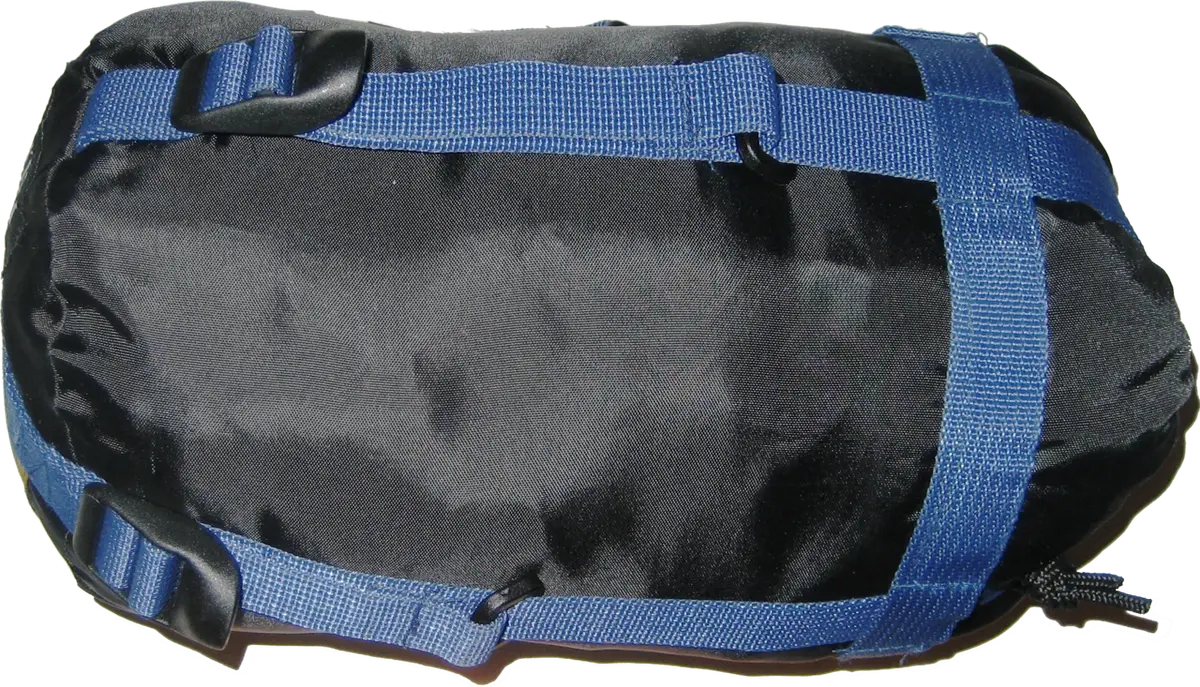
A mummy bag tapers from the shoulders to the feet and wraps around your head, so there is less empty air to heat. That makes it warmer, lighter and more packable for its temperature rating, which is why backpackers and cold-weather campers choose it. A rectangular bag is roomy and square-cut, unzips fully into a blanket and costs less, so it suits car camping, warm weather and people who dislike feeling confined. Choose by how you sleep, where you camp and how far you carry the bag.
The two shapes lie on a spectrum with semi-rectangular or "barrel" bags in between. The right one depends on warmth, weight, comfort and flexibility rather than on a single rule. This guide explains how each design works, compares them on warmth, weight, space, price and use, covers sleeper types such as side sleepers, tall people and couples, and gives you a method to choose and test a shape.
How each shape is built
Mummy bags have a narrow cut at the feet and a fitted hood with a drawcord around the face. A shoulder baffle or collar seals the neck, and the zipper typically runs part way down the side. The shape follows the body closely, with a box or angled foot area. The interior volume is small, and so is the surface area that must be insulated.
Rectangular bags are the same width from head to foot, usually 33 to 38 inches wide, with a square foot box and either a simple hood or no hood. The zipper often runs the full length of the bag and around the foot, so you can unzip the bag completely and use it as a quilt or join two together. They have a lot of room to move.
Semi-rectangular or barrel bags split the difference: a tapered body with extra room at the shoulders and knees, and a hood. They are warmer than a rectangular bag and roomier than a mummy.
Warmth: why shape matters
A sleeping bag works by trapping air that your body warms. The more empty space inside, the more air you must heat and the more warmth you lose through convection when you move. A mummy bag reduces dead air and heat loss at the neck and head, which accounts for a large share of the difference. A hood on a mummy bag also keeps your head, a major source of heat loss, inside the insulation.
| Feature | Mummy | Rectangular | Semi-rectangular |
|---|---|---|---|
| Warmth for the same insulation | Best | Lowest | Middle |
| Weight at a given rating | Lowest | Highest | Middle |
| Packed size | Smallest | Largest | Middle |
| Interior room | Snug | Roomy | Moderate |
| Unzips into a blanket | Rarely | Yes | Sometimes |
| Can join two bags | Rare | Often | Sometimes |
| Price | Higher | Lower | Middle |
| Best for | Backpacking, cold | Car camping, warm | General three-season |
In practice, the difference is clear in cold weather. A rectangular bag with the same amount of insulation as a mummy is typically rated 10 to 15 degrees warmer, or needs more fill to compete. For a night near freezing, a snug mummy bag is much easier to keep warm.
Weight and packed size
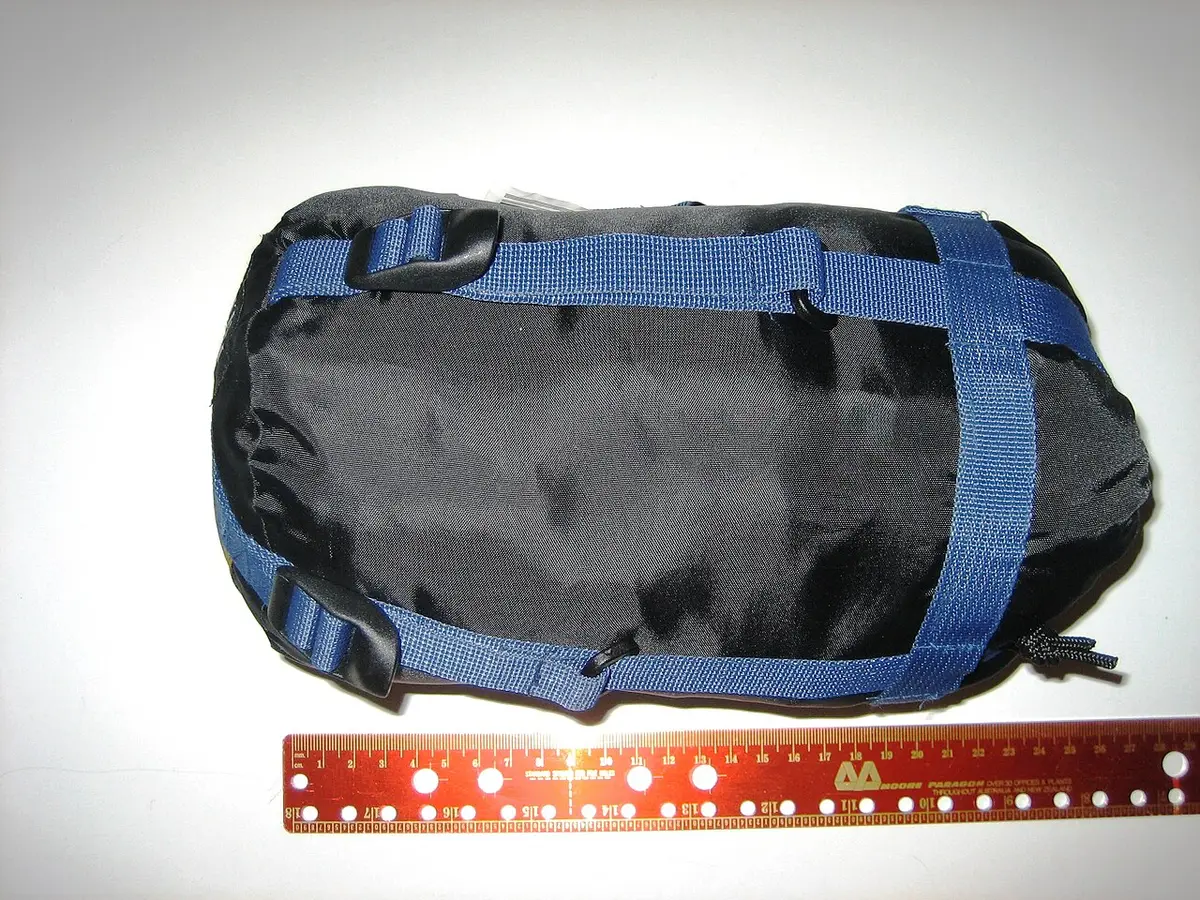
Because a mummy has less fabric and less insulation for the same warmth, it weighs less and compresses smaller. A mummy bag rated to 20 degrees may weigh 2 to 3.5 pounds, while a rectangular bag at the same rating can weigh 4 to 6 pounds and take up a big stuff sack. If you carry the bag, that difference is significant. If you drive to the campsite, it is irrelevant.
The shop lists show the pattern. The best backpacking sleeping bags and the best budget backpacking sleeping bags are mostly mummy or semi-mummy designs, while the best camping sleeping bags for car camping include many rectangular ones.
Comfort and how you sleep
Comfort is personal. Many people find a mummy bag claustrophobic, and others like the cocooned feeling. Test your own preference: if you toss, turn or sleep with your knees bent, you may want a wider bag. Side sleepers and stomach sleepers can struggle in a very narrow mummy because the shoulders and hips are restricted.
Two features help. A wide or "relaxed" mummy has extra girth at the shoulders, hips and knees. A bag with a zip on both sides lets you adjust ventilation. Check the girth measurements in the product specs: shoulder girth of 58 to 64 inches and hip girth of 54 to 60 inches are typical for a regular mummy, and wide bags go beyond that. For larger sleepers, look at the best xl down sleeping bags to find longer and wider cuts.
Climate, season and use
Cold and winter. Choose a mummy. Even a roomy winter bag has a hood and a tapered foot to limit heat loss. Rectangular bags in winter need layers or a liner, and they are heavy. The best 4 season synthetic sleeping bags show how insulated designs manage cold.
Summer and warm nights. A rectangular bag is easy to vent. Unzip it fully and use it as a blanket on hot nights. A lightweight mummy with a full-length zipper can do the same. Weight and packed size matter only if you carry it.
Car camping. A rectangular bag gives comfort and low cost. If you often camp in cold weather, a semi-rectangular design might serve better.
Backpacking. A mummy is the default. Choose a mummy or semi-mummy with a rating for the lowest temperatures you will face, and match it with a pad of adequate R-value. For temperature rating basics, see sleeping bag temperature ratings explained.
Sleeper types: side sleepers, tall people and couples
Side sleepers compress insulation on the lower side and need room to bend their knees. A relaxed-fit mummy or a semi-rectangular bag works well, and some bags add gussets at the knees and hips. See our best mummy sleeping bags for side sleepers list for models designed this way.
Tall and broad sleepers need length and girth. A bag that is too short compresses insulation at the foot and head. Choose a long size, usually for sleepers above 6 feet, and check the shoulder and hip girth. A snug bag that you can barely zip loses warmth because the insulation compresses.
Couples often choose rectangular bags that zip together into a double, or a purpose-built double bag. A double bag is warm because two people share heat, though cold sleepers may disagree about ventilation. If you plan to join two bags, check that the zippers match in type and side, and that the ratings suit the cold sleeper. See the best 2 person camping sleeping bags list for options.
Zippers, hoods and draft control
A zipper on the side of a mummy bag is a weak point for drafts. A draft tube behind the zipper, a stuffed baffle that blocks the gap, keeps warm air in. A draft collar at the neck does the same for the shoulders. Look at whether the zipper runs on the left or right side, and whether it is a two-way type that lets you vent the feet. Zipper snags are a frequent complaint; a stiff anti-snag strip prevents the fabric from catching.
Rectangular bags often skip some of these features to save weight and cost, and their zippers run the full length. On a cold night, you may feel drafts at the neck and the zipper. Adding a liner or a hat, and tucking a blanket around the neck, helps. A hood is optional on a rectangular bag, and on mummies it is essential. A good hood cinches with a drawcord that you can adjust without waking.
Price and value
Mummy bags cost more than rectangular bags at the same temperature rating because of the finer cutting and the lighter materials. Entry-level rectangular bags cost very little, and are fine for casual use. At the top end, premium mummy bags with high fill power down cost several hundred dollars. For tight budgets, look at the best backpacking sleeping bags under $200 and the budget options above, and consider whether you need the weight savings.
Can you convert one into the other?
Not really, but you can bridge the gap. A rectangular bag can be made warmer with a liner, a fleece blanket and a hat, and by stuffing spare clothing in the empty space. A mummy bag can be made roomier by unzipping the foot, opening the zipper partly and sleeping on top in warm weather. A quilt-style approach is another solution, and our related explainer on sleeping bag vs quilt explains the differences. If you cannot decide, a semi-rectangular bag with a hood is a flexible middle path.
Measuring yourself for the right size
Fit starts with three numbers: your height, your shoulder width and your hip width, with a fourth for sleepers who toss and turn, the extra room you want. Bag length should exceed your height by 4 to 6 inches, which leaves space for the hood and the foot without compressing the insulation. Regular bags suit people up to about 6 feet, long bags up to 6 feet 6 inches, and short or women's cuts fit people under about 5 feet 6 inches.
Girth matters equally. Measure your shoulders by wrapping a tape around the widest part of your upper body, over a base layer, then do the same at the hips. Compare these with the maker's shoulder and hip girth, which should be at least 4 to 6 inches larger than your measurement for a relaxed fit. If you are between sizes, go up: a bag that is a little large is warmer than one that squeezes the insulation, and you can reduce empty space with a stuffed jacket in the foot box.
A worked example: choosing for three nights near freezing
Take a hiker who sleeps cold, side-sleeps and plans three nights near 30 degrees Fahrenheit at moderate elevation, carrying the bag 8 miles a day. A mummy with a Comfort rating of 25 to 30, a relaxed shoulder cut and a draft collar covers the cold. The relaxed cut accommodates the side-sleeping, and the weight of 2.5 to 3 pounds is acceptable. A rectangular bag rated to 30 would weigh more than 4 pounds, and its Comfort rating would likely sit well above 30, leaving the hiker cold. The same hiker car camping with a cooler and an air mattress at the same temperature could choose a roomy rectangular bag, add a liner and a fleece blanket and sleep warm, with weight irrelevant.
The point is that the best shape depends on the trip, not on the sleeper alone. Many campers end up owning one of each: a mummy for hikes and cold trips, and a rectangular bag for relaxed car camping and guest beds. If you must buy one, think about the trips you take most often, and choose the shape that makes those trips better.
Pairing the bag shape with a pad
The shape of the bag interacts with the pad underneath. A mummy bag is narrow, so a regular-width pad of about 20 inches fits comfortably, and a narrower pad saves weight. A rectangular bag is wider and invites a wider pad of 25 inches or more, or an air mattress. If you roll off a narrow pad at night, you will sleep colder because the bag's insulation under you compresses against the ground. Some bags have a pad sleeve or straps on the underside that hold the pad in place, which stops it from sliding out from under you.
Remember that insulation beneath you does little, so the pad provides warmth below. A mummy bag on a pad with an R-value of 2 in cold weather will feel cold from below regardless of the rating. Our related guides on R-value and on the choice between a cot and a pad explain how to build a complete sleep system, and the temperature rating article covers how the pad fits into the rating.
Features worth looking for in either shape
Several small features separate a good bag from an average one at any price.
- A draft tube along the zipper so cold air does not leak through the teeth.
- A zipper guard or stiff strip to stop snags.
- A shaped footbox that allows toes to point naturally without compressing the insulation.
- An internal pocket for a phone or headlamp, which keeps batteries warm.
- Loops for hanging the bag to air it out and dry it.
- A compression sack that is not too tight, to avoid excess compression over time.
- Stash pocket at the chest for a small item.
- A water-resistant shell to repel condensation.
None of these changes the basic warmth, yet each reduces the small annoyances that cost sleep. If you have the choice between two similar bags, favor the one with better draft control and a more usable zipper, since those are the details that show up on night two.
Shapes for special situations
Some campers need something that fits neither category. A quilt drops the underside and hood entirely, saving weight for ultralight hikers who rely on a pad for insulation below. A double bag gives couples shared warmth in a rectangular or semi-rectangular shape. A wearable bag with arm and leg openings suits cold cabin nights or camping chairs. Kids' bags are often rectangular for growth room, with a temperature rating that reflects a lower insulation level than adult bags.
For a campsite where you will be moving around in the evening, a rectangular bag unzipped into a blanket is the only shape that works as a lap blanket by the fire. Choose the shape that fits the activity.
Matching shape to your pad and tent
Bag shape also interacts with the rest of your camp. A narrow mummy fits a narrow tent and a slim pad, which is why backpackers pair them. A roomy rectangular bag needs a wider pad, and in a small tent a wide bag can press against the walls and collect condensation. If you share a tent, check that two bags fit side by side without crowding. If you plan to bring a cot or an air mattress, remember that a rectangular bag can slip off a slick surface, and a mummy with a pad sleeve stays put. Thinking about the whole setup before you buy prevents the surprise of a bag that does not work with the gear you already own.
Related reading
Shape is one half of the decision, and the rest of the sleep system is the other. What is R-value in a sleeping pad explains the insulation under you, and camping cot vs sleeping pad compares the two common ways to get off the ground.
Common mistakes to avoid
- Buying a rectangular bag for backpacking because it is cheap, then carrying the extra weight.
- Choosing a mummy that is too tight, compressing the insulation and losing warmth.
- Ignoring girth numbers and relying only on length.
- Forgetting a draft tube and collar on a cold-weather bag.
- Not testing the bag at home before a trip.
- Assuming rectangular bags are only for kids.
- Choosing a shape without considering your pad.
Frequently asked questions
Are mummy bags warmer than rectangular bags?
For the same insulation, yes. The tapered shape reduces empty air to heat and the hood seals in warmth around the head. A rectangular bag needs more insulation to reach the same rating, and it is heavier. In the cold, the difference is large.
Which shape is best for side sleepers?
A relaxed or wide mummy, or a semi-rectangular bag with extra room at the knees and hips. These shapes allow you to bend your legs without compressing the insulation. Check the girth numbers and try the bag at home.
Can I use a rectangular bag for backpacking?
You can, but it is heavy and bulky and loses warmth faster. If you backpack only on short summer trips and want a low cost, it may be acceptable. For regular or cold trips, choose a mummy or semi-mummy.
Do two rectangular bags zip together?
Often, if they have matching zippers on opposite sides and similar sizes. Check the specs for compatibility, and note that the combined warmth is limited by the weaker bag. Buying a purpose-made double is simpler.
How do I know if a mummy bag is too small?
If you cannot move your shoulders or bend your knees without pressing the fabric, or the bag feels tight against your feet, it is too small. Insulation compresses and loses warmth. Try a size up or a wide cut.
Is a hood necessary?
For cold weather, yes. A large share of heat loss occurs at the head, and a hood keeps it in. For warm weather, a rectangular bag without a hood is fine, and a pillow and a hat do the same job.
Sources & further reading
- Bushbuck: Sleeping Bag Temperature Ratings Explained
- REI Expert Advice: How to Choose a Sleeping Bag
Image credits
- "Compactsleepingbag - sleeping bag without background" by Compactsleepingbag.jpg: User:James086 derivative work: Itai (talk), Public domain, via Wikimedia Commons.
- "Compactsleepingbag" by User:James086, Public domain, via Wikimedia Commons.


Ready to buy?
Compare the gear: Sleep Gear
4 Best Xl Down Sleeping Bags in 2026
Best XL down sleeping bags compared on printed dimensions, down weight and fill power, with honest notes on hybrid fill and missing sizes.
5 Best 4 Season Synthetic Sleeping Bags in 2026
Best 4-season synthetic sleeping bags compared on stated temperature ratings, fill and size, with honest notes on which listings are truly cold-ready.
2 Best Backpacking Sleeping Bags Under 200 in 2026
Best backpacking sleeping bags under $200: two mild-weather picks compared on stated range, weight and shell, with what a $200 ceiling really buys here.
4 Best Backpacking Sleeping Bags in 2026
Best backpacking sleeping bags compared on temperature range, listed weight, hood and zipper design, sorted by how cold your trips actually get.
4 Best Budget Backpacking Sleeping Bags in 2026
Best budget backpacking sleeping bags compared on weight, packed size and temperature range, for hikers who want a trail bag without a big spend.
2 Best Camping Sleeping Bags For Car Camping in 2026
Best camping sleeping bags for car camping: two roomy picks compared on temperature figures, size and extras, for campers who never carry the bag far.
2 Best Camping Sleeping Bags For Moto Camping in 2026
Best camping sleeping bags for moto camping: two packable picks compared on listed pack size, weight and rating for riders short on luggage space.
2 Best Camping Sleeping Bags For Motorcycle Camping in 2026
Best camping sleeping bags for motorcycle camping: two light warm-weather envelopes compared on weight, packed size and shell for solo riders.
Keep reading