
Practical Camping Guide · 13 min read
Do Sleeping Bag Liners Actually Add Warmth?
Sleeping bag liners add roughly 3 to 15 degrees depending on material. Compare silk, cotton, fleece and thermal liners and when a liner is worth it.

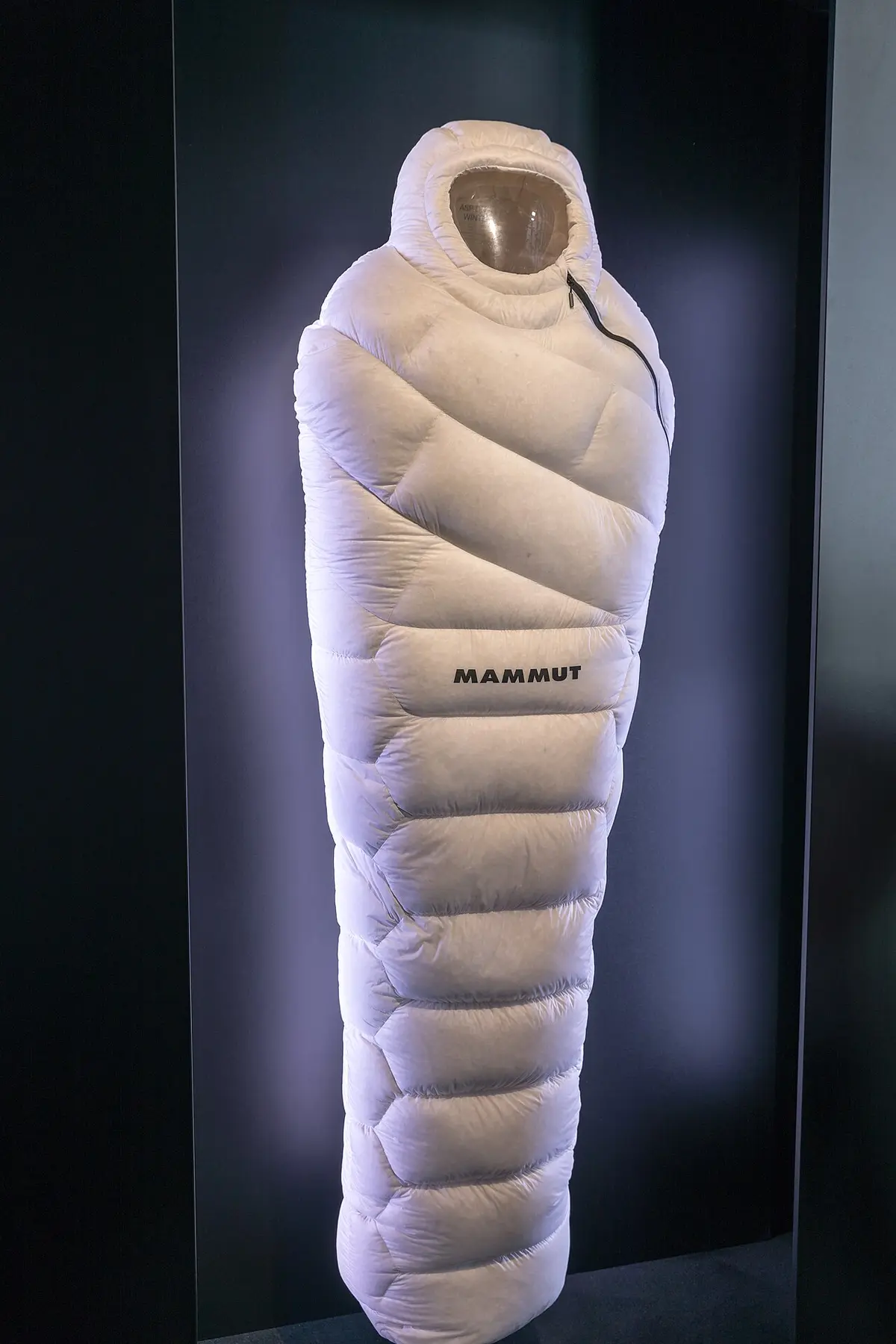
Yes, but modestly. A sleeping bag liner typically adds about 3 to 15 degrees Fahrenheit of warmth depending on the material: silk and cotton liners add roughly 3 to 8 degrees, polyester or microfleece liners 8 to 12 and thermal or reflective liners up to about 15. Those figures are manufacturers' estimates and vary with the sleeper and the bag, so treat them as a rough guide. A liner's biggest benefits are often keeping the bag clean, adding comfort in hot weather and extending the life of the bag, not turning a summer bag into a winter one.
A liner is a thin bag that goes inside your sleeping bag, and it is often confused with a bivy sack, a vapor barrier or a sleeping bag cover. This guide explains how a liner adds warmth, compares silk, cotton, fleece, synthetic and thermal types, covers hygiene, weight, cost and fit, and tells you when a liner is the right fix and when a new bag, a better pad or a warmer layer is a smarter choice.
What a liner is and what it does
A liner is a thin sheet sewn into a bag shape that matches the dimensions of a sleeping bag, usually mummy or rectangular. It performs three jobs. First, it adds a layer of insulation by trapping a little more air and adding fabric between you and the bag. Second, it keeps body oils, sweat and dirt off the bag's lining, which means you wash the bag less often. Third, it gives comfort: a smooth fabric against your skin, a way to sleep in a hot bag without touching the shell, and in warm weather a light cover on its own.
The warmth gain comes from a thin additional layer of still air and from reducing drafts, not from a thick insulating layer. A fleece liner has more loft and adds more warmth than a silk one, but also weighs more and takes space. A liner cannot add the same amount of warmth as a bag with extra insulation, and it does not fix problems like a thin pad or damp conditions.
Types of liners compared
| Material | Warmth added | Weight (typical) | Packed size | Best for |
|---|---|---|---|---|
| Silk | 3 to 8 F | 4 to 6 oz | Tiny | Hygiene, light warmth, travel |
| Cotton | 2 to 5 F | 10 to 16 oz | Medium | Hot weather, hostels, car camping |
| Polyester / microfiber | 5 to 10 F | 8 to 12 oz | Small | General use, durable |
| Fleece | 8 to 15 F | 14 to 24 oz | Large | Cold nights, car camping |
| Thermal or reflective | 10 to 15 F | 8 to 14 oz | Small to medium | Cold trips with weight limits |
Silk is the lightest and packs very small. It feels smooth, wicks moisture and dries fast, and adds a few degrees of warmth. It is more expensive and a little slippery, and it can feel clammy in humid conditions.
Cotton is soft and cheap, absorbs moisture and is easy to wash, but it is heavy for what it does and dries slowly. It works in hot weather and in cabin or hostel use.
Polyester or microfiber is a good middle path: durable, quick-drying and inexpensive. Many liners use a brushed polyester that feels soft.
Fleece adds the most warmth among the soft options but is bulky. It suits car camping in the cold where weight is not an issue.
Thermal liners use a synthetic with reflective or hollow fibers that claim to add significant warmth. Their performance varies by brand, so look for a stated gain and independent feedback.
How much warmth can you really count on?
Treat the number on the packaging as a best case. The actual effect depends on how the liner fits inside the bag. A liner that bunches or twists compresses the bag's insulation, which cancels some of the gain. A loose liner in a tight bag is the worst combination. The effect is also bigger in a thin or worn bag than in a well-insulated one, and bigger for cold sleepers than warm sleepers.
A realistic expectation is a few degrees from silk or cotton, five to ten from synthetic or fleece, and perhaps ten to fifteen from thermal types in a bag that is not already compressed. A liner is a modest upgrade. If you need 20 or 30 degrees more warmth, get a warmer bag or add a pad and clothing. For how bags are rated, see sleeping bag temperature ratings explained.
Keeping the bag clean
Body oils, sweat and dirt reduce the loft of both down and synthetic insulation, and washing a bag too often wears it out. A liner is easy to wash in a regular machine and dry, which means you can keep the bag cleaner and wash it less. If you tend to sweat at night, or if you camp for many days without a shower, a liner can double the life between washes.
Washing instructions for the bag itself are in how to wash a sleeping bag. Use the liner as your first line of defense, and wash the bag only when it needs it.
Comfort and hot weather
A liner can make a bag more comfortable. In warm weather, many people sleep on top of the bag, using only a liner as a cover. A silk or cotton liner is light enough for hot nights and provides some privacy and protection from insects. In hostels and shared accommodations, a liner gives you a clean sheet between you and a questionable mattress. For couples sharing a double bag, two liners keep each sleeper's body heat and sweat separate and make the bag easier to clean.
Liners also help with zippers and scratchy linings. A smooth silk liner prevents a rough shell from irritating the skin, and a fleece liner feels warm to the touch at the start of the night, which many people find helpful.
Fit, shape and size
Choose a liner that matches your bag shape and is slightly smaller than the bag's interior, so it does not compress insulation. A mummy liner suits a mummy bag, and a rectangular liner a rectangular bag. Check the dimensions: for a regular adult bag, a liner around 84 to 90 inches long and 30 to 36 inches wide at the shoulders works. Taller sleepers need long sizes. A liner with a hood or drawcord adds a bit more warmth around the head.
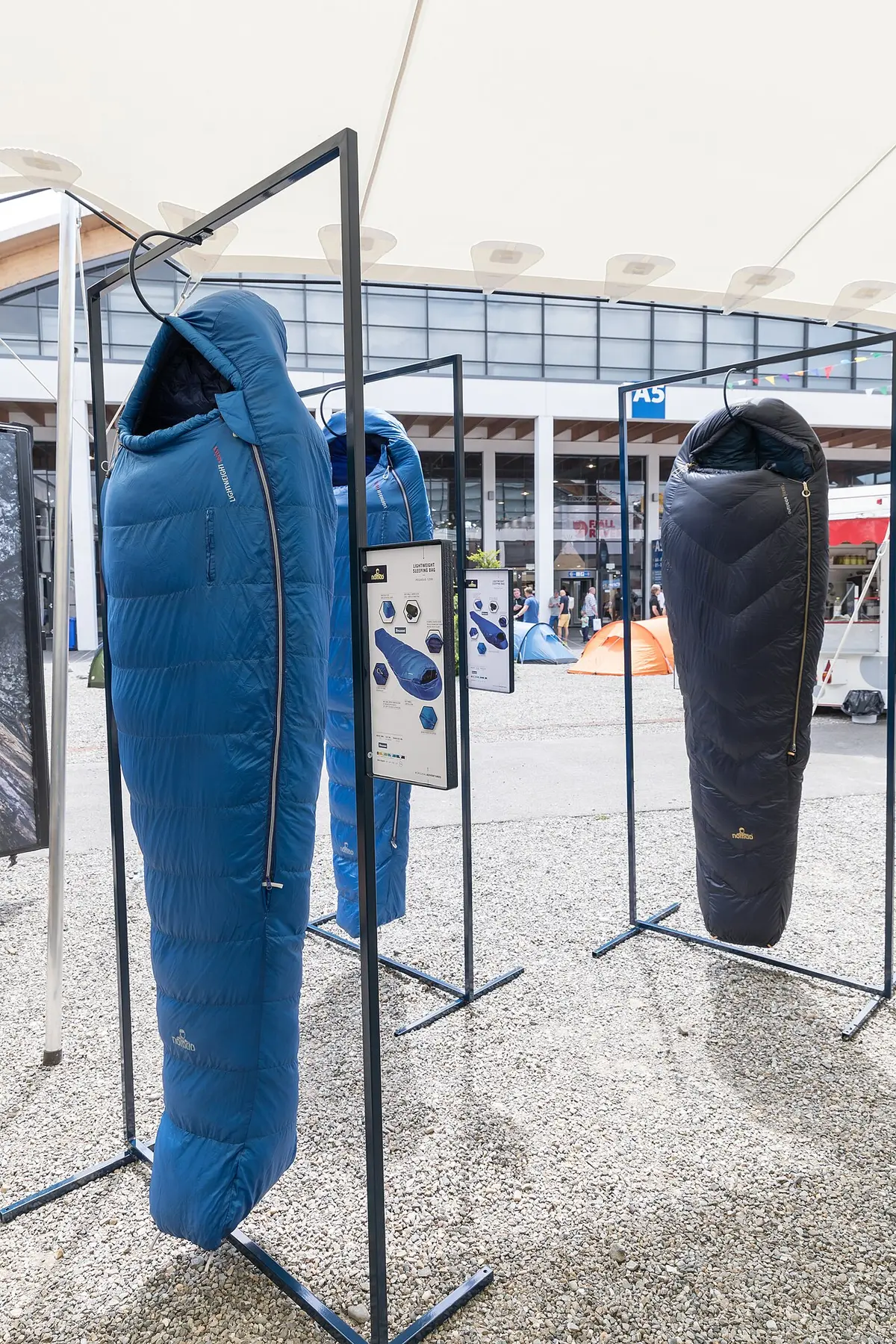
Some liners have a zipper that matches the bag, which makes them easier to get in and out of. A liner that is too tight restricts movement, and a liner that is too loose bunches. Try it at home before a trip, and adjust by tucking in the corners and smoothing wrinkles. For help choosing bag sizes, see mummy vs rectangular sleeping bags.
When a liner is the right fix and when it is not
A liner is the right choice when:
- Your bag is borderline for the temperature and you need 5 to 10 degrees more warmth.
- You want to keep the bag clean and wash it less.
- You travel and want a light sheet for hostels or hot nights.
- You share a double bag and want separate comfort.
- You want an easy upgrade at modest cost.
It is not the right choice when:
- The bag is two or more seasons too light for the conditions. Buy a warmer bag instead.
- The problem is a thin pad or cold ground. Upgrade the pad first.
- Moisture is the issue. A vapor barrier liner is a specialized solution.
- Weight is critical and the gain is small. Compare against wearing an extra layer.
For deeper cold, see how to choose a winter sleeping bag, which covers the sleep system, pad and habits that matter more than a liner.
Liner versus other fixes
| Option | Warmth gain | Weight | Cost | Notes |
|---|---|---|---|---|
| Liner | 3 to 15 F | 4 to 24 oz | Low to moderate | Also cleans, easy to wash |
| Extra layer of clothing | 5 to 15 F | Varies | Low | Compresses bag insulation if too bulky |
| Better pad | 5 to 20 F | 6 to 24 oz | Moderate | Often the largest improvement |
| Warmer bag | 10 to 30 F | Higher | High | Best for big gaps |
| Hot water bottle | 3 to 5 F for hours | 1 to 2 lb | Very low | Short-term boost |
A good approach is to fix the pad first, add a liner second and consider a new bag last. If you often sleep cold, you can also check the best 20 degree down sleeping bags, the best goose down sleeping bags and the best sub zero backpacking sleeping bags to see how far a purpose-built bag goes.
Liners and different bag types
A liner works well with synthetic bags, which tolerate any moisture the liner holds, and also with down bags, where it protects the delicate shell and insulation from oils. For side sleepers, a slick liner can reduce friction, and our look at best synthetic sleeping bags for side sleepers shows how a roomy cut helps. For cyclists and bikepackers, a light liner is an easy way to extend a bag's range without much weight; see the best synthetic sleeping bags for bikepacking. For couples and families, a liner inside a best 2 person camping sleeping bag keeps things clean and comfortable.
A worked example: stretching a 40 degree bag
Imagine a camper with a good synthetic bag whose Comfort rating is 40 degrees, planning a fall trip where the forecast low is 32. The gap is eight degrees. Options are a new bag, a liner or a combination of cheaper fixes. A fleece liner adds roughly 8 to 12 degrees by the maker's estimate, which looks sufficient on paper, but the camper is a cold sleeper, so the real figure is probably nearer 6. A warm hat, dry socks and a base layer add another few degrees, and a pad upgrade from R-2 to R-4 adds more still, since cold ground drains heat faster than cold air.
The sensible plan is to fix the pad first, add the liner second and bring the hat and socks. That combination probably closes the gap, at a total cost far lower than a new bag. If the forecast dropped to 25, the same plan would not hold, and a warmer bag would be the right purchase. The principle is to size the fix to the gap: a liner for gaps of about 10 degrees and under, a bag for anything bigger.
Buying checklist
A few details separate a good liner from a disappointing one.
- Shape and size. Match the bag shape and choose a length near your height plus 6 inches. A mummy liner in a rectangular bag leaves slack and bunches.
- Fabric hand. Run a hand across the fabric. A smooth, soft finish is comfortable against skin, while a stiff or scratchy fabric is not.
- Seams. Flat or bound seams do not rub. Check for a neat finish at the foot.
- Closure. A zipper that matches the bag is convenient, and a drawcord at the neck keeps the liner from sliding.
- Weight and packed size. Check the stated weight and compare it with how much warmth is promised.
- Care label. Machine washable is the easiest to live with.
- Treatments. Some liners include antimicrobial treatments that reduce odor. These are useful on long trips, though treatments fade with washing.
If possible, try the liner in your own bag at home. Climb in with your usual sleep clothes, roll over and tuck the corners. A liner that stays in place and feels smooth passes the test.
Liners for travel, hostels and guest beds
Outside camping, a liner has a second life. Travelers use silk liners in hostels and huts where bedding is shared, and in places where cleanliness is uncertain. A liner weighs a few ounces and replaces a sheet. Many mountain huts in Europe require a liner or sleeping sheet for hygiene, and carrying one is simply a courtesy. A liner can also make a thin hotel blanket feel warmer and add a barrier against bedbugs and allergens, though it is not a substitute for proper pest control.
For road trips, a liner or sheet inside a cheap sleeping bag turns it into a reasonable guest-bed solution. In a camper van or an RV, a washable liner means bedding that is easy to clean between trips. The same thinking applies to rental cabins and yurts, where a clean sheet bag solves a lot of small worries and takes almost no space.
Liners and sleep comfort in an RV, cabin or tent
Many liner users are not hikers at all. In an RV or camper van, a liner turns a thin or chilly mattress into a more comfortable bed, protects the sheets and is easy to wash when you reach a laundromat. In a rented cabin, a liner provides a clean, personal layer between you and a shared bunk, and in a tent on a hot night it gives a light cover that is better than a heavy blanket. For guests who bring their own sleeping bags, a liner keeps your bag cleaner and cuts down on laundry.
If you often sleep in a cold RV or cabin, a fleece liner on top of the mattress under your sheets, and another inside your bag, can add comfort. A thin liner is also helpful when sleeping on a camp cot with a canvas surface, where friction and cold can bother you. In every case, the principles are the same: choose a fabric that matches the temperature, fit the liner to the bag or bed, wash it regularly and use it as part of a system that includes insulation below you and a hat for your head. A liner is a small, cheap and flexible piece of gear that earns its place in a camp bin.
Choosing between a liner, a quilt and a blanket
A liner is not the only way to adjust warmth. A quilt or camp blanket can be draped over a bag for extra warmth and works well for car campers who want flexibility. A liner stays inside, adds hygiene and a modest warmth boost and moves with you in the bag. A blanket adds more warmth and bulk, and is easy to adjust through the night, but does not protect the bag from oils. If you are cold on the sides, a blanket can be tucked around; if you want a cleaner bag, a liner is better. Many campers use both, with a liner for cleanliness and a blanket on cold nights.
Consider weight and packability. A silk liner weighs a few ounces, a fleece liner about a pound and a wool blanket several pounds. For backpacking, the lightweight liner wins, and for car camping, a blanket may be more comfortable. For deep cold, none of these substitutes for a properly rated bag and pad. Match the tool to the job, and avoid trying to make a single item do everything. A little thought about the sleep system as a whole gives you warmth, comfort and cleanliness without carrying more than you need.
Care and storage
Wash the liner after every trip or two, following the label. Silk needs a gentle cycle and cool water, and should not go in a hot dryer. Cotton, polyester and fleece tolerate regular machine washing and low-heat drying. Store the liner loose or in its small sack, away from sun. Inspect it for small tears and seams, which are easy to mend with a needle and thread.
Related reading
Liners fit into a larger set of choices. Sleeping bag vs quilt and sleeping bag vs camping blanket cover other ways to add or adjust warmth, and what is R-value in a sleeping pad explains why the pad often matters more than any liner.
Common mistakes to avoid
- Expecting a liner to make a summer bag into a winter bag.
- Buying a liner that is too tight, compressing the bag's insulation.
- Ignoring the pad, which provides more warmth than a liner.
- Choosing cotton for a backpacking trip and carrying the weight.
- Not washing the liner regularly, which defeats its purpose.
- Choosing a slippery fabric when you sleep on a slope.
- Assuming the manufacturer's degree claim is exact.
Frequently asked questions
How many degrees does a sleeping bag liner add?
Typically 3 to 15 degrees Fahrenheit depending on material: silk and cotton add the least, synthetic and fleece more, and thermal types the most. Real results vary with fit, the bag and your own metabolism, so treat the number as an estimate.
Is a silk liner worth it?
For weight and packed size, yes. A silk liner weighs a few ounces, packs tiny and adds a few degrees plus hygiene and comfort. It is more expensive than cotton and can feel slippery, but it is the best choice for travel and light backpacking.
Can I use a liner on its own in hot weather?
Yes. A silk or cotton liner is a light cover for warm nights and hostels. It does not provide insulation, so check the temperature and add a blanket if it cools.
Should I wash my liner or my bag?
Wash the liner more often, because it takes the oils and sweat. Wash the bag only when necessary, following the care label. A clean liner extends the time between bag washes.
Do liners work in down bags?
Yes. They protect the bag from oils and add a little warmth. Make sure the liner is not too tight, which would compress the down. Silk and polyester liners are popular for this.
Is a fleece liner better than a thicker bag?
For occasional cold nights in car camping, a fleece liner is a cheap way to add warmth. For regular cold camping, a properly rated bag is more efficient and lighter than a bag plus a bulky liner.
Sources & further reading
- Bushbuck: Sleeping Bag Temperature Ratings Explained
- Great Outdoors Ireland: Sleeping Bag Temperature Ratings Explained
Image credits
- "Mammut, OutDoor 2018, Friedrichshafen (1X7A0174)" by Matti Blume, CC BY-SA 4.0, via Wikimedia Commons.
- "Nomad, OutDoor 2018, Friedrichshafen (1X7A0322)" by Matti Blume, CC BY-SA 4.0, via Wikimedia Commons.


Ready to buy?
Compare the gear: Sleep Gear
3 Best 2 Person Camping Sleeping Bags in 2026
Best 2 person camping sleeping bags compared on listed comfort range, size, lining and extras for couples who want one roomy bag or two singles.
3 Best 20 Degree Down Sleeping Bags in 2026
Best 20 degree down sleeping bags compared on ISO comfort and limit figures, fill power, weight and cut, so you can pick a bag by real warmth.
3 Best Goose Down Sleeping Bags in 2026
Best goose down sleeping bags compared on named fill, listed temperature range, weight and cut, with honest notes on which listings name goose.
4 Best Sub Zero Backpacking Sleeping Bags in 2026
Best sub-zero backpacking sleeping bags compared on listed rating, weight, fill and cut, with honest notes on which bags are heavy for the trail.
3 Best Synthetic Sleeping Bags For Bikepacking in 2026
Best synthetic sleeping bags for bikepacking compared on listed weight, packed size, temperature rating and fill for handlebar rolls and frame bags.
3 Best Synthetic Sleeping Bags For Side Sleepers in 2026
Best synthetic sleeping bags for side sleepers compared on cut, knee and elbow room, listed temperature rating and weight so you can rest on your side.
4 Best Ultralight Rectangular Sleeping Bags in 2026
Best ultralight rectangular sleeping bags compared on listed weight, packed size, temperature range and zipper design for warm-weather trips.
5 Best Womens Synthetic Sleeping Bags in 2026
Best women's synthetic sleeping bags compared on cut, listed temperature rating, weight and venting for cold sleepers who camp in damp conditions.
Keep reading