
Practical Camping Guide · 12 min read
Beach Tent vs Beach Canopy vs Umbrella
Compare beach tents, canopies and umbrellas on shade, UV, wind, sand anchoring, privacy and price to pick the right shelter for your beach day.

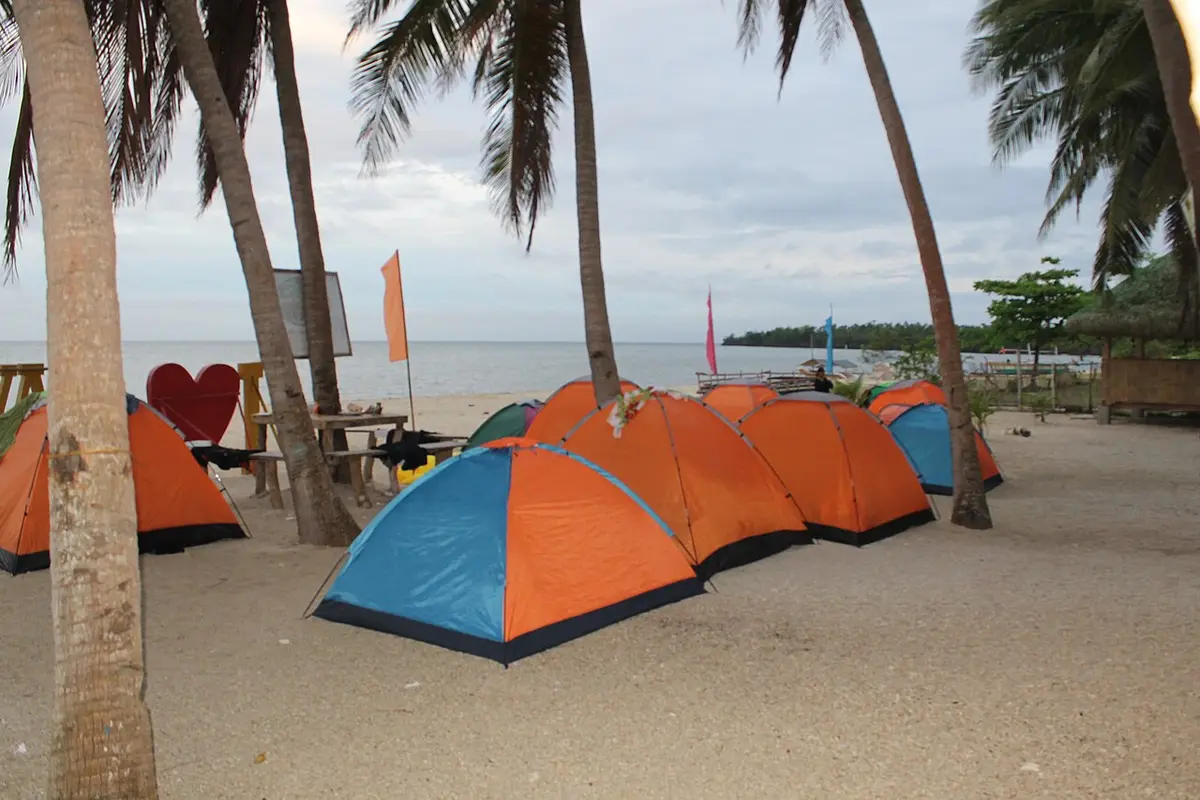
A beach tent is a small enclosed or three-sided pop-up shelter with a floor, a canopy is an open-sided frame with a roof, and an umbrella is a single pole with a fabric disc. Tents give the most protection from sun and wind and a place to change, canopies give the most shaded floor area for groups, and umbrellas are the lightest and cheapest but offer the least coverage. For most families, a pop-up beach tent or a sand-anchored canopy beats an umbrella.
Beach conditions are harder on shelters than a campground. Wind comes off the water with no obstruction, sand does not hold stakes, direct sun and reflected glare double your UV exposure, and salt corrodes metal. This guide compares the three shelter types on shade quality, wind behavior, anchoring, packing, price and who each suits, with the numbers to use when you shop.
What each shelter actually is
A beach tent is a lightweight shelter, usually a pop-up dome or cabana style, with fabric on three or four sides, a floor or sand flap, and a door or large opening. Typical sizes sleep one to eight people, though "sleep" here means sit and nap. Poles are fiberglass or flexible rods that spring open. Many are coated with a UPF rating for sun protection.
A beach canopy is a frame with a roof and either no walls or a few removable sidewalls. The classic pop-up canopy is 10 by 10 feet with a steel or aluminum frame and a polyester top. Beach versions use lightweight frames and sometimes add sand anchors. A beach umbrella is a single pole pushed into the sand with a tilting canopy 6 to 8 feet in diameter.
Shade, UV and heat
Shade is not the same as UV protection. A canopy fabric labeled UPF 50+ blocks about 98 percent of UV radiation passing through it, but sand and water reflect UV from below, which a roof does not stop. An open canopy leaves you exposed to reflected light on the ground side, whereas a three-sided tent blocks more angles. For long beach days with small children, enclosed sides make a real difference. For a detailed list, see best UV protective beach tents.
Heat inside a closed tent builds in direct sun, especially with dark fabric and no ventilation. Look for mesh windows on opposite walls, a door that can roll open, and light-colored fabric that reflects sunlight. Umbrellas allow free airflow, which is an advantage on hot, still days. A canopy sits between: airy with shade overhead, but with less side protection than a tent.
| Feature | Beach tent | Canopy | Umbrella |
|---|---|---|---|
| Shade area | 20 to 60 sq ft | 100 sq ft (10x10) | 25 to 40 sq ft |
| Side protection | Yes, 3 to 4 sides | Optional walls | None |
| Wind resistance | Fair, needs anchoring | Poor unless anchored | Poor, can launch |
| Privacy to change | Yes | With sidewalls only | No |
| Packed weight | 3 to 10 lb | 20 to 40 lb | 3 to 8 lb |
| Setup | 1 to 3 min | 5 to 15 min | 1 to 2 min |
Wind, sand and anchoring
Wind decides whether a beach shelter works. A pop-up tent has a large flat surface and light poles, and in a 20 mph gust it can tumble down the beach with its occupants' belongings. Umbrellas are infamous for flipping inside out and launching. A canopy with a lot of roof area acts as a sail and can lift the frame.
Anchoring in sand is not like staking in soil. Stakes pull out of dry sand easily, so use one of these methods:
- Sand pockets or sandbags. Fabric pouches along the base that you fill with sand. Effective for tents with sewn-in pockets. See the best beach tents with sand bags for options.
- Corkscrew or auger anchors. Spiral anchors that screw into sand and hold better than flat stakes.
- Buried deadman anchors. Tie a stake or a bag of sand to a guyline and bury it 8 to 12 inches deep, perpendicular to the pull.
- Weights on legs. Sandbags or water bags on canopy legs, at least 20 to 40 pounds per leg for a 10 by 10 canopy in a breeze.
Orient the opening away from the wind, and take the shelter down if sustained winds exceed what the manufacturer lists, often around 15 to 20 mph.
Privacy, changing and bathroom use
A beach tent offers privacy. You can change swimsuits, nurse a baby or rest away from the crowd. A canopy with sidewalls gives partial privacy, although the base remains open. An umbrella gives none. If you have a family and a public beach, privacy is a practical reason to choose a tent. Larger models, such as the best large beach tents and best 7 person beach tents, have enough room for a few chairs and a cooler.
Beach tents by group size
Small shelters work for individuals and couples. The best 1 person beach tents are small enough to carry in one hand and good for a nap or reading in the shade. A 3-person size covers a small family with a child, and its floor holds a towel and a bag. Check the best 3 person beach tents for sizes that work with a cooler.
Capacity numbers are optimistic. A "3-person" tent has a floor of about 6 by 6 feet, which seats three adults on towels with no space for gear. For a family of four, buy a 6-person tent or two smaller ones. The same advice about floor-area arithmetic applies on the beach as at a campsite.
Special needs: toddlers, dogs and accessibility
Toddlers need shade, a barrier from wind-blown sand, and a spot for naps. A tent with a mesh window and a closing door keeps the baby inside. Some are made with a deeper floor or a raised sand flap so the toddler does not crawl out of the sun. A list of options is at best beach tents for toddlers.
Dogs overheat quickly on sand. A shelter that offers shade, airflow and a place for a water bowl is valuable. A tent with a screen door keeps dogs inside, and a tent with a floor protects paws from hot sand. Dogs may dig at the floor or chew the mesh, so look for stronger fabric. See best beach tents for dogs. For anyone with limited mobility, a taller canopy that lets you stand, with a flat floor you can access by wheelchair, may work better than a low dome.
Packing, carrying and storing
Weight and pack size matter when you walk across the sand. A pop-up beach tent folds into a flat disc or a bag about 2 feet across, weighing 3 to 10 pounds, and is easy to carry. A canopy weighs 20 to 40 pounds and needs a wheeled bag or a cart. An umbrella is slim and easily slid into a beach bag.
Folding a pop-up tent takes practice, as with an instant tent. Twist and fold the poles into a flat circle, and keep it in the bag. Rinse the tent with fresh water after each beach trip to remove salt and sand, dry it fully and store it loose. Salt corrodes zippers and poles, and sand abrades fabric. See how to clean a tent without damaging it and how to store a tent the right way.
Cost and value
Beach umbrellas cost the least, then pop-up beach tents, then canopies of decent quality. Cheap beach tents tend to have thin poles and flimsy fabric that tear in wind, and the UPF rating may be inflated. A moderate-cost tent from a known brand lasts several seasons if rinsed and stored well. A canopy is a bigger investment but works for tailgating, camping and picnics as well as the beach.
Buy for your most common use. If you go to the beach four times a summer and want a quick nap shelter, a pop-up tent is the best value. If you host group beach days, a canopy and a few weights make sense. If you only want a bit of shade and can sit still, an umbrella works.
Three beach days, three answers
A couple on a windy Pacific coast. Afternoon winds of 15 to 25 mph are routine, the sand is damp near the waterline and dry higher up, and the sun is often hidden by fog. Here an umbrella is a gamble and an open canopy is a liability. A low, wind-shaped dome tent with sand pockets and several buried guylines handles the gusts, and its sides cut the wind chill that makes the beach uncomfortable. Face the low, closed side into the wind and open the mesh door on the lee side.
A family with toddlers on a calm Gulf beach. Heat and UV are the problem, not wind. The kids need shade that surrounds them, a place to nap and a spot where they cannot wander toward the water unseen. A 4- to 6-person pop-up tent with a UPF 50+ roof, mesh windows and a deep sand flap gives all of that. A canopy would shade the adults and leave the toddlers exposed on three sides, and a single umbrella would not cover everyone for more than a few minutes as the sun moves.
A large group at a lake or reservoir beach. Ten people, coolers, chairs and games need shaded floor space more than privacy. A 10 by 10 foot canopy with weighted legs and perhaps one sidewall facing the sun is the practical answer, with a small tent set aside for changing. The group can split the weight of the gear and use the shared canopy for food, which also keeps the food shaded and cooler.
Materials, coatings and why the UPF label can mislead
Beach shelters are usually polyester or nylon with a silver, black or UV-blocking coating on the underside. UPF stands for ultraviolet protection factor and rates how much UV passes through a fabric, and a UPF 50+ label is the highest category in the standards used for sun-protective textiles. It describes new, dry fabric under test conditions. Wet fabric, stretched fabric, and fabric worn thin by sun and washing usually transmit more UV, so a cheap tent that started at UPF 50 may be far less protective after a season.
Check the fabric side as well. A black or silver coating reflects heat and light on the inside, which makes the interior feel cooler than a plain light fabric in direct sun. Mesh windows are rarely UPF-rated, so mesh areas let in UV, and you should position yourself away from them in midday. Fabric weight and density matter: a loose weave will leak light and sand, while a tightly woven polyester holds up longer. Look for a stated UPF value for both the roof and the walls rather than a generic "sun protection" claim, and for bar-tacked stress points at the pole sleeves and anchor loops.
Salt, sand and the life of a beach shelter
Beach use ages equipment quickly. Salt spray is hygroscopic: it draws moisture from the air and keeps zippers and metal joints damp, which accelerates corrosion. Fine sand works into zipper teeth, pole sleeves and hinges, and grinds them down each time they move. UV exposure is intense on open sand. If you treat a beach tent like a campground tent, expect a shorter life.
A simple routine extends the life of any beach shelter. Shake out the sand before packing. Rinse the fabric, zippers and poles with fresh water, using a hose or a bucket, as soon as you get home. Lubricate zippers with a dry silicone lubricant or a rub of zipper wax if they stick. Let the shelter dry fully in the shade; sun drying a wet nylon tent in direct summer heat works but ages the coating faster. Store loosely, in a dry place, never in a closed hot trunk for days. A beach tent treated this way often lasts for many summers, while one that gets packed wet and sandy commonly fails in a season or two.
Positioning your shelter on the beach
Where you pitch matters almost as much as what you pitch. Stay above the high-tide line, which shows as a band of seaweed, shells and debris, and well away from any dune that is marked as protected, because many beaches prohibit setting up on vegetated dunes. Look at the slope of the sand: a shelter on a tilted surface slides, and a floor that drains toward the water lets the tide reach you sooner than expected. Choose a spot a little behind the crowd's main walking line, since foot traffic kicks sand into open doors.
Track the sun, not just the current shade. Between 10 a.m. and 4 p.m. the sun moves across about 60 degrees of sky, and a shelter that shades you at noon may leave you in glare by three. Face the open side away from the afternoon sun, and if you have an adjustable canopy or umbrella, tilt it toward the low sun rather than straight up. Carry a sheet or a sarong to hang from the sunny side as a quick wall.
Finally, check the rules. Many public beaches limit shelter size, ban stakes in certain areas, or require that tents be open on at least one side for visibility and safety. A quick look at the park or beach authority's page before you go prevents a ranger's request to take your shelter down.
How to choose
- Decide who needs shelter: you, a toddler, a group or a dog.
- Decide how much wind your beach usually has. Windy coasts favor a low, anchored tent.
- Estimate floor area at 15 to 20 square feet per sitting adult.
- Check UPF rating, which should be UPF 50+ on the roof and walls.
- Check the anchoring system and number of sand pockets.
- Choose a design you can fold and carry without help.
Common mistakes to avoid
- Using ordinary stakes in dry sand and expecting them to hold.
- Leaving a shelter unattended in a gusty breeze.
- Trusting capacity labels without checking the floor dimensions.
- Skipping a fresh-water rinse after the beach.
- Choosing a dark fabric that traps heat.
- Assuming shade equals full UV protection at the water's edge.
- Storing the shelter damp in a car trunk.
Frequently asked questions
Are beach tents safe in strong wind?
They are not storm shelters. Light poles and a broad fabric surface make them vulnerable, so anchor with sand pockets, auger anchors or buried lines, and take the tent down if gusts exceed the manufacturer's limit, often about 15 to 20 mph. Collapsing is safer than launching.
Does a UPF 50+ rating mean I can skip sunscreen?
No. A UPF 50+ fabric blocks about 98 percent of UV passing through it, but reflected light from sand and water reaches you from the sides and below, and you still move in and out of shade. Use sunscreen, a hat and water as well.
Can a beach tent be used for camping?
For a daytime shelter, yes. For sleeping overnight, usually not. Most lack a rain fly, strong poles and a waterproof floor, and are too light for storms. Use a proper tent for overnight stays, and see our guide to tent waterproof ratings.
How do I keep sand out of the tent?
Use a ground mat, shake off towels before entering and keep shoes outside. Many tents have a sand flap, which you weigh down with sand to seal the bottom edge. A small whisk broom helps.
Is a canopy better than a tent for a big family?
A canopy provides more shaded floor for the weight and lets people move freely, which helps groups. A tent gives sides and privacy. Many families bring a canopy for the group and a small tent for naps and changing.
How do I set up a pop-up beach tent fast?
Place it with the door facing away from the wind, release the straps, and let it spring open. Fill the sand pockets, stake the guylines and attach the optional rain fly. For steps that apply to any tent, see how to set up a tent.
Sources & further reading
Image credits
- "Resort Camping" by Totoyba2, CC BY-SA 4.0, via Wikimedia Commons.

Ready to buy?
Compare the gear: Tents & Shelter
5 Best Large Beach Tents in 2026
Best large beach tents and canopy shelters compared on footprint, headroom, frame, UPF fabric and wind anchoring for group beach days.
6 Best Uv Protective Beach Tents in 2026
Best UV protective beach tents compared on UPF rating, fabric coating, claimed UV block, open sides and size for sun-safe beach days.
4 Best 1 Person Beach Tents in 2026
Best 1 person beach tents compared on size, weight, UV protection and anchoring for solo beach-goers and pairs who want light shade.
6 Best 3 Person Beach Tents in 2026
Best 3 person beach tents compared on interior size, UPF protection, anchoring and packed weight for small families and friend groups.
4 Best Beach Tents For Dogs in 2026
Best beach tents for dogs compared on size, UV shade, anchoring and cooling for owners who want a shaded spot for pets at the shore.
4 Best 7 Person Beach Tents in 2026
Best 7 person beach tents compared on listed 6 to 8 person sizing, interior dimensions, doors and weight for big families and groups at the shore.
6 Best Beach Tents For Toddlers in 2026
Best beach tents for toddlers compared on interior size, sun cover, mesh ventilation and anchoring, for parents who want a shaded play spot at the shore.
6 Best Beach Tents With Sand Bags in 2026
Best beach tents with sand bags compared on sandbag count, pole frame, stakes and shaded area for windy beach days with a family or a group.
Keep reading