
Practical Camping Guide · 12 min read
What Tent Person Capacity Really Means
Tent capacity counts sleeping pads, not comfort. Learn the floor-area math, wall shape effects and how many sizes to go up for gear and cots.

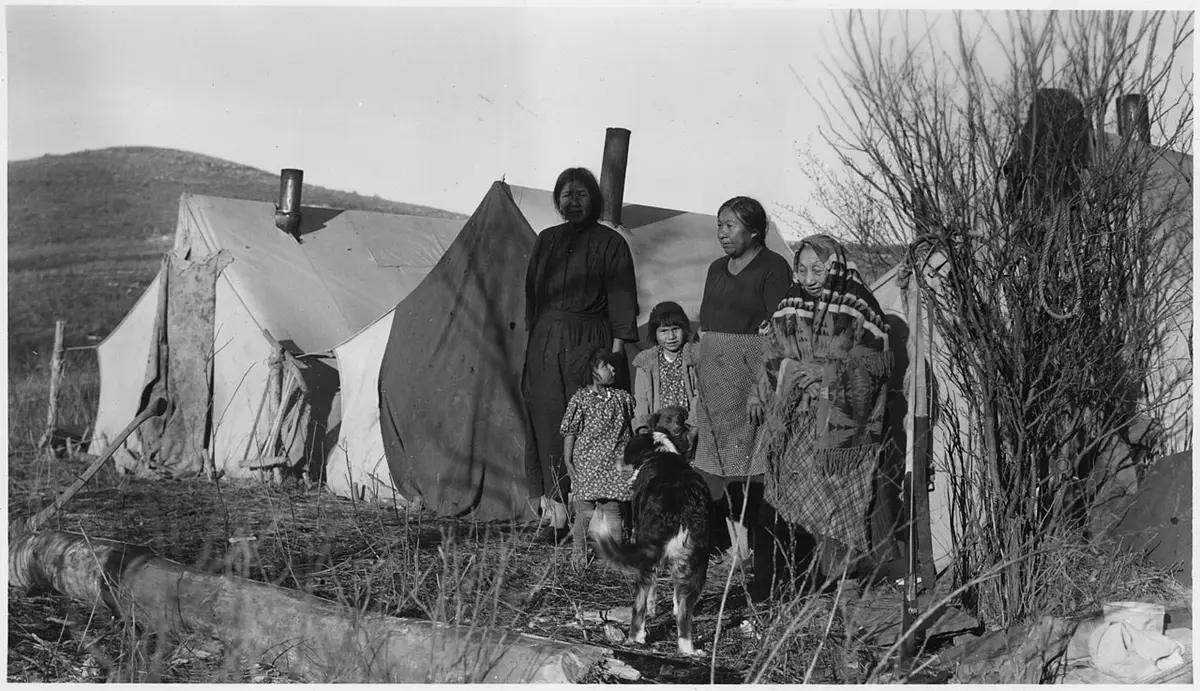
A tent's "person capacity" is the number of sleeping pads the floor can hold lying shoulder to shoulder with almost no room left over. It is a floor-area calculation, not a comfort rating, which is why a "4-person" tent usually sleeps two adults and their gear in real life. If you want space to sit up, store duffels and move around, plan on going up two sizes from the stated number.
This matters because families and couples often buy to the number on the box and find themselves lying hip to hip with packs piled in the doorway. Understanding how manufacturers arrive at capacity, what the floor dimensions say, and how wall shape changes usable space lets you shop by square footage and peak height instead of by a marketing label.
How manufacturers calculate capacity
There is no legal or industry-wide standard for tent capacity. Most makers start from a figure of roughly 20 to 25 inches of width per person, which is the width of a narrow sleeping pad, and 72 to 78 inches of length. Multiply width by the number of people and you have the minimum floor width the maker will call "N-person." Ultralight backpacking brands often use the tight end of that range because every ounce counts. Car-camping brands vary widely, and some budget brands apply no consistent rule at all.
A 2-person backpacking tent usually has a floor around 50 inches wide by 84 inches long. That is 29 square feet, and it works out to two 25-inch pads side by side with a few inches left over. It is not a lot of room: elbows touch, and gear goes in the vestibule or on your feet. A "4-person" car-camping tent with a 96 by 96 inch floor offers 64 square feet, which sounds roomy but leaves about 16 square feet per person, enough for pads but little else.
What the floor dimensions tell you
Always find the floor measurements and do the arithmetic yourself. The table shows typical floor sizes and what they realistically hold.
| Stated capacity | Typical floor | Floor area | Realistic comfortable use |
|---|---|---|---|
| 1-person | 30 x 84 in | 17.5 sq ft | 1 adult, little else |
| 2-person | 52 x 88 in | 32 sq ft | 2 adults with gear in vestibule |
| 4-person | 96 x 84 in | 56 sq ft | 2 adults + 2 kids, or 3 adults tight |
| 6-person | 120 x 120 in | 100 sq ft | 3 to 4 adults with gear |
| 8-person | 14 x 10 ft | 140 sq ft | 4 to 5 adults with cots |
| 10-person | 16 x 12 ft | 192 sq ft | 5 to 6 adults with cots |
A usable rule of thumb is to allow 20 to 25 square feet per adult if you want room for a pack and a change of clothes, and 30 or more if you use cots or want to sit inside. Divide the floor area by that figure and you get a realistic occupancy, whatever the box says.
Peak height, wall shape and the space you cannot use
Square footage is only half the story. A dome tent with steeply sloping walls wastes the corners: you cannot sleep or stand where the wall comes down to knee height. A cabin tent with near-vertical walls turns nearly all of that floor into usable room, which is why a cabin and a dome with the same floor area feel completely different.
Peak height decides whether you can change clothes without crawling. A center height of 48 inches means you sit up but not stand. Roughly 6 feet means most adults can stand in the center. Check how far from the center that headroom extends, because a tall peak that falls away fast gives you standing room in one square meter and nowhere else. If you plan to live in the tent during rainy afternoons, the cabin style in the best 10 person family camping tents is worth considering, while smaller cabins like those in the best cabin tents under $200 give the same upright walls at lower cost.
Cots, air mattresses and the pad-width trap
The capacity number assumes foam sleeping pads, but a queen air mattress is 60 by 80 inches, and that single bed takes the floor of a typical "4-person" tent almost entirely by width. A standard cot is about 25 to 30 inches wide by 75 to 80 inches long, which puts four cots in a 10 by 10 foot tent only with no walking space. Add the cots' legs, which need clearance from the walls, and the number drops again.
The formula for cot camping is straightforward: add the cot width plus 12 to 18 inches of clearance between beds. Four cots of 28 inches with 15-inch aisles take roughly 14 feet of linear space, meaning an 8-person tent at 14 by 10 feet can hold four adult cots in a row with minimal gear aisle, not eight sleepers. If you use cots or air beds, look at tents rated at two to three times your headcount.
Gear, kids and pets
Gear takes floor space. Each adult carries a duffel, a daypack and shoes, which consume around 4 to 6 square feet if kept inside. Children are smaller but usually bring more in the way of stuffed animals and blankets, and they rarely stay inside their assigned strip of floor. Pets reduce the effective floor further; a medium dog sleeping on the tent floor takes the area of one extra adult.
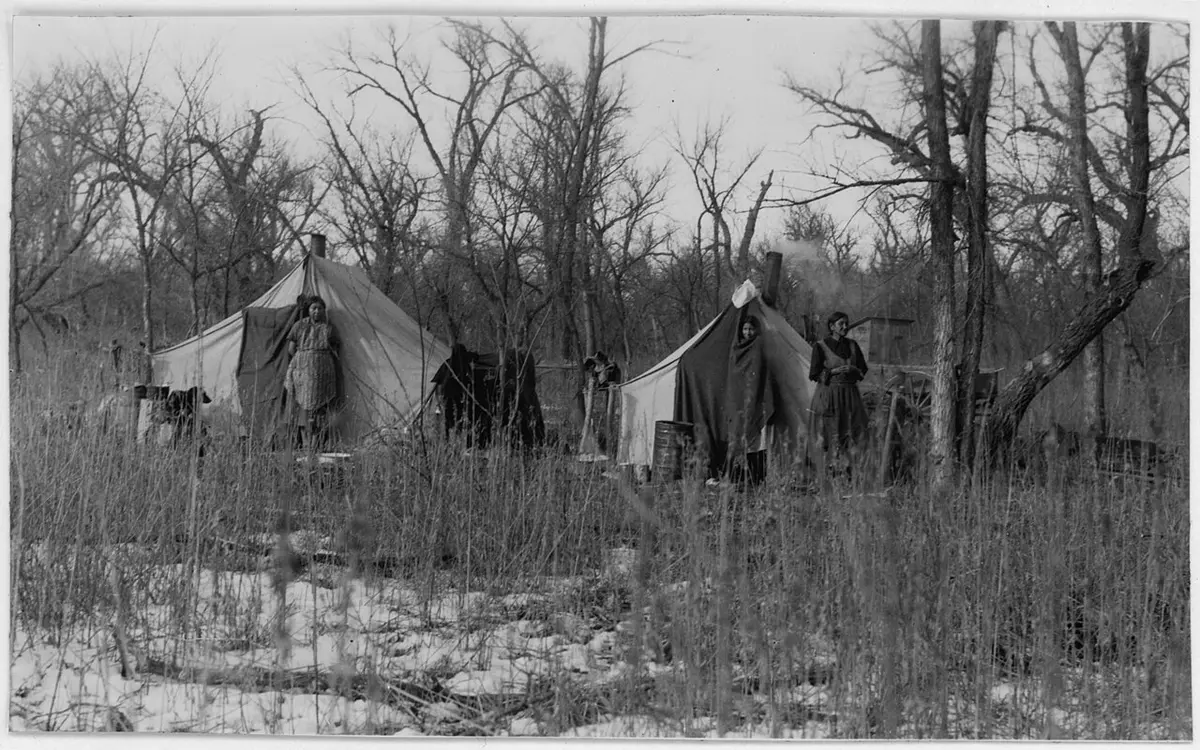
A sound planning method is to count adults at 1, children at 0.6, large dogs at 0.7, and then add 25 percent for gear. A family of two adults and two children (3.2 equivalents) with a dog (0.7) gives 3.9, plus 25 percent is about 4.9, which suggests a 6-person tent. That is the same size most experienced campers pick for this group, and it explains why four-person tents feel crowded for four.
Backpacking tents versus car-camping tents
Backpacking tents deliberately sacrifice space for weight. A 2-person ultralight tent might weigh 2.5 pounds and hold two slim pads; the same shape at 5 pounds would have a few more inches of width. Since you carry everything, the vestibule (the covered area outside the inner tent) matters as much as the floor. A 10-square-foot vestibule keeps packs and boots out of the sleeping area and effectively adds storage you would otherwise need inside.
Car-camping tents have no weight limit, so you can pick floor area and headroom. For a couple, a 4-person tent is a comfortable choice. For a family of four, 6 to 8 people is the sensible range. Moving from the stated number to a bigger tent adds only modest weight and cost, but it makes the whole trip more pleasant, especially in rain when everyone is inside.
Using the numbers to shop
Start from your sleeping arrangement, not from the headcount. List what must fit: pads or cots, how many, how large. Add the gear you will keep inside. Then choose a floor area and height that meet the need and only afterward compare tents by label.
Here is a short sequence to follow.
- Decide on your sleeping system: pads (about 25 inches per person), air mattress (queen 60 inches, twin 39 inches) or cots (28 to 30 inches plus clearance).
- Add 25 percent for gear, and extra for pets.
- Convert to floor area, then pick the next size up if you will sit up, change clothes or spend rainy afternoons inside.
- Check peak height and wall steepness, because a high peak on a dome does not equal usable floor.
- Confirm doors: two doors make a big tent far easier to live in because nobody has to climb over a sleeper.
Budget matters too. A decent 4-person tent for two adults is cheap, and the best camping tents under $150 often include enough floor and a rain fly for casual use. At the extreme low end, the best camping tents under $30 will fit two people if you accept little headroom and minimal weather protection. For the smallest groups, the best 2 person family camping tents lean toward floor space and head height over compactness.
Setup effort grows with size
A larger tent costs more than money. A 10-person cabin with a ridge pole and a dozen guy points takes two adults 20 to 30 minutes in good conditions, and longer in wind. A single person pitching it alone should plan on a practice run at home. If you will camp solo or with children as the only helpers, a mid-size 6-person tent that goes up quickly may serve better than the largest model you can afford. See our walkthrough on how to set up a tent for sequencing that saves time with big models.
Stakes, guylines and a footprint matter more as the floor area rises, because wind loads and ground contact increase. Pitching a large tent properly improves the usable interior by keeping walls vertical and the roof taut, which means a headroom gain that is not on any spec sheet.
Ventilation, condensation and body heat
More bodies means more moisture. Each sleeping adult exhales roughly a pint of water vapor over a night, which has to go somewhere. In a crowded tent without adequate venting, the walls drip from condensation by morning even when it has not rained. Capacity is therefore connected to ventilation: a tent filled to its rated number needs roof vents, mesh windows and doors you can open.
The opposite effect is a small plus. In cold weather, a tent packed to its rating holds warmth better because body heat warms the small volume. Experienced winter campers sometimes choose a snug tent for that reason, accepting crowded conditions in exchange for a warmer night.
Caring for a tent that you actually fill
A tent used at full occupancy sees more abrasion on the floor and more wear on zippers, and it needs cleaning more often. Brush out dirt before packing, wipe the floor and let everything dry. Detailed steps are in the guide on how to clean a tent without damaging it. Store a tent dry and loose, as described in how to store a tent the right way, because a family tent represents a large investment.
Waterproofing matters at higher occupancy because the floor is constantly pressed by people and cots. If your tent starts to wick moisture through the floor in damp grass, a groundsheet helps, and the guide on how to waterproof a tent lists treatments for seams and fabric.
Three worked examples
Numbers become useful once you run them against a real trip. Here are three typical groups and the floor each one actually needs.
A couple with a dog, weekend car camping. Two adults count as 2.0, a 50-pound dog as 0.7, gear adds 25 percent, so 2.7 times 1.25 is about 3.4. That points to a 4-person tent as the minimum and a 6-person as the comfortable choice. With a 6-person, a 10 by 10 foot floor (100 square feet) gives each adult a queen air mattress footprint of 33 square feet on one side, with the dog and bags along the other. The couple can sit up on the mattress if the peak is above 5.5 feet, which means a cabin or a tall dome.
Two parents and three young children, summer trips. Two adults at 1.0 each and three children at 0.6 each gives 3.8, plus gear 25 percent gives 4.75, and the children will spread out and bring toys, so the answer is an 8-person tent with a floor of around 14 by 10 feet, or a 6-person tent with a screened porch that holds the bikes and shoes. A divider that splits the tent into two rooms helps bedtimes, because kids who fall asleep early are not woken by adults moving around.
Four friends on cots, three-season camping. Four cots at 28 inches wide with 15-inch aisles use roughly 14 feet of width, but tents do not come that long, so the practical layout is two cots on each long wall with a central aisle. That needs a floor around 10 by 14 feet or larger, which is an 8- to 10-person tent. A 4-person dome simply cannot hold four cots, and a 6-person would hold them only with legs touching the walls. If you want to avoid carrying cots altogether, pads on the floor in a 6-person tent would work.
In all three cases the stated number was no guide at all, while the arithmetic of floor area, bed width and gear gave a clear answer in a minute. That arithmetic also protects you against the opposite error, buying a huge tent for two people. A 10-person cabin is a lot of fabric to heat, to carry, to pitch in wind and to dry after rain. Right-sizing saves effort at every step of the trip.
What to look for on the product page
Product listings tend to bury the facts that decide capacity. Look for the floor dimensions in both feet or inches and metric, the center height, whether walls are vertical or sloped, how many doors there are, and whether the tent has an interior room divider or a vestibule. Ignore phrases such as "sleeps up to" or "fits N sleeping bags" unless they come with dimensions, since the number depends on how tightly packed the bags are. If a listing shows photographs with people sitting up and cots inside, check the dimensions again: photographers use wide-angle lenses that make small tents look large.
Reading reviews with the arithmetic in mind helps too. Buyers commonly report that a tent "fits" their group when they are using the maker's rule, and "feels small" when they are using cots or sitting up. Filter for comments that mention your own sleeping system, because that is the one that predicts your experience. A tent that earns praise from pad sleepers may disappoint someone arriving with an air mattress.
Common mistakes to avoid
- Buying to the printed number and expecting room for gear, cots or kids.
- Ignoring wall shape: a dome and a cabin with the same floor area are very different spaces.
- Forgetting that an air mattress is far wider than a sleeping pad.
- Assuming that a taller peak means a bigger usable floor.
- Picking a tent with one door for a group of four or more, which forces climbing over sleepers.
- Skipping a practice setup of a large tent before the first trip.
- Overlooking vestibule space on backpacking tents, which acts as essential storage.
Frequently asked questions
Is a 4-person tent big enough for 4 adults?
Only if everyone sleeps on slim pads and you keep your gear outside. The label counts sleeping spots, not room for bags and movement. For four adults with gear, a 6- or 8-person tent is a more comfortable choice, and with cots you should go larger still.
Should I size up one tent size or two?
One size up suits couples who want room for gear. Two sizes up is better for families, cot users, or anyone who expects to spend rainy afternoons inside. If you have a dog or you are tall, lean toward two.
Do backpacking tent capacities use the same rules?
Roughly, but at the tightest end. Backpacking brands aim for the lowest weight, so a 2-person tent often holds two narrow pads with no wiggle room. If you want more space, look at the next size up or a tent with a large vestibule for gear.
How much headroom do I need to stand?
You need about 6 feet at the center for most adults to stand. Check how steeply the walls fall, since a tall peak with sloping walls leaves only a small standing zone. A cabin tent with vertical walls gives much more usable height across the floor.
Do two doors really matter?
Yes, especially above four people. Two doors let sleepers get out without climbing over each other in the night, and they allow cross-ventilation in warm weather. In larger tents it also lets you place the door away from wind and rain.
Does a bigger tent keep me cooler or warmer?
A bigger tent has more air volume, so it warms and cools more slowly. In summer it can feel cooler if vented, though it also catches more sun. In winter it is harder to warm with body heat. Choose by season and your ventilation plan.
Sources & further reading
Image credits
- "Family group in front of tents - NARA - 285880" by Unknown authorUnknown author or not provided, Public domain, via Wikimedia Commons.
- "Family camp near Kenel, South Dakota - NARA - 285882" by Unknown authorUnknown author or not provided, Public domain, via Wikimedia Commons.


Ready to buy?
Compare the gear: Tents & Shelter
5 Best 10 Person Family Camping Tents in 2026
Best 10-person family camping tents compared on floor size, headroom, rooms and weather build, for large families who want a real cabin and not just a shelter.
4 Best 2 Person Family Camping Tents in 2026
Best 2-person family camping tents compared on stated capacity, floor size, weight and setup, for a parent and one small child or a couple with a dog.
6 Best Cabin Tents Under 150 in 2026
Best cabin tents under $150: six tall-wall family cabins compared on headroom, floor space, weather rating and setup for car campers on a budget.
6 Best Cabin Tents Under 200 in 2026
Best cabin tents under $200 compared on room size, wall height and rain gear, from a 12-person two-room cabin to a pop-up hexagon and a six-person family tent.
6 Best Cabin Tents Under 300 in 2026
Best cabin tents under $300 compared on floor size, setup time and weather sealing, from a 2-minute instant cabin to a 14-person two-room tent.
6 Best Camping Tents Under 150 in 2026
Best camping tents under $150: family cabins, a two-room tent and a roomy dome compared on floor space, headroom, rain gear and setup, for car campers.
5 Best Camping Tents Under 30 in 2026
Best camping tents under $30 compared on floor size, weight, waterproofing and setup, for budget campers who need a basic dry shelter for fair-weather trips.
5 Best Camping Tents Under 300 in 2026
Best camping tents under $300 compared across instant cabins, a blackout pop-up, a stargazing dome and an inflatable, for campers ready to spend more.
Keep reading