
Practical Camping Guide · 12 min read
How to Choose a Screen House or Screened Canopy
Size, mesh, frame, roof and anchoring tips for choosing a screen house or screened canopy, plus how it differs from a pop-up canopy.

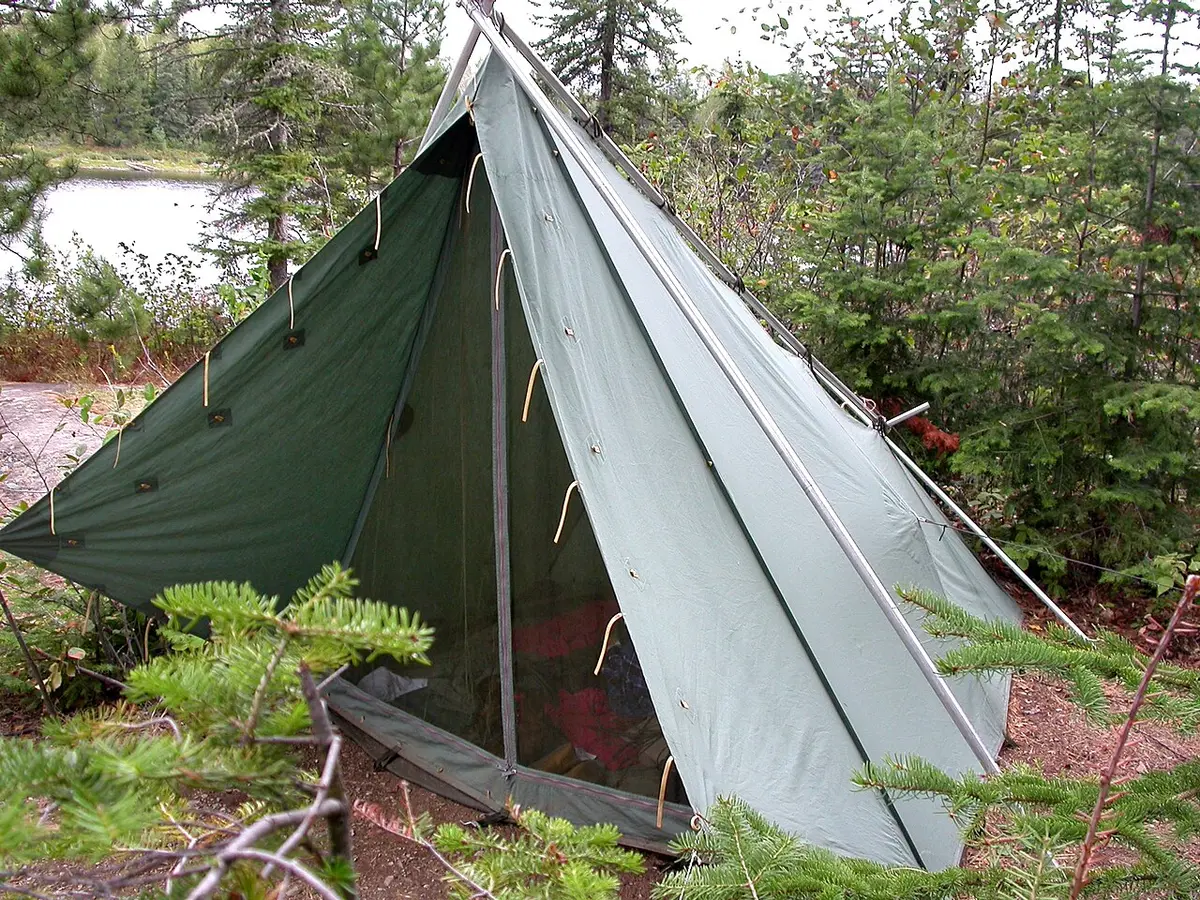
Choose a screen house by the size of your group, the way you want to set it up, and the weather it has to face. A 10 by 10 foot model seats four to six people around a picnic table, a 12 by 12 foot model gives room for a table, chairs and a play area, and a compact 6 to 8 foot shelter covers a small group at a trailhead or on a beach. Look for sturdy poles, a tight weave of no-see-um mesh, a sewn-in or weighted skirt, and a roof that sheds a shower.
A screen house is the camp upgrade that most changes an evening: it keeps mosquitoes, biting flies and wasps off your food and your family without the stuffiness of a closed tent. But screen houses are also among the most wind-sensitive and most commonly misused shelters. This guide covers sizes, mesh, frames, roofs, anchoring, and the difference between a true screen room and a pop-up screened canopy.
What a screen house is, and what it is not
A screen house is a freestanding shelter with mesh walls and a solid or mesh roof. It has a door, often two, and a mesh or solid floor, or none at all. Its job is to create a bug-free living room outdoors. It is not a tent: it has no insulation, usually no waterproof floor and a roof that sheds light rain at best. Most screen houses are not designed for sleeping, though some campers sleep in them in hot, dry weather.
A related product is the screened canopy, a pop-up canopy frame with a mesh skirt that zips on. These go up faster and cost less but are lighter in the frame. A canopy tent without screens gives shade only, as in the best canopy tents for the beach or the best canopy tents for vendors, which are built for crowds and events rather than for bugs. Make sure the listing you are looking at is what you actually want.
Size and layout
Sizes are given as floor dimensions, such as 10 by 10 or 12 by 12 feet. Use floor area to decide.
| Size | Floor area | Comfortably holds | Typical use |
|---|---|---|---|
| 6 by 6 ft | 36 sq ft | 2 people, small table | Trailhead, small campsites |
| 8 by 8 ft | 64 sq ft | 3 to 4 people | Couples, small families |
| 10 by 10 ft | 100 sq ft | 4 to 6 people with table | Standard family campsite |
| 12 by 12 ft | 144 sq ft | 6 to 8 people, table and chairs | Larger groups, events |
| 12 by 14 ft or more | 168+ sq ft | 8 to 10 people | Groups, base camps |
A picnic table is about 6 feet long and needs another 2 to 3 feet of space around it for chairs, so a 10 by 10 screen house fits a table tightly and a 12 by 12 gives room to walk. Before buying a big model, measure your campsite pad. Many campgrounds limit the number and size of structures, and a 12 by 12 can crowd a small site. Lists like the best 10x10 screen houses, the best 12x12 screen houses and the best compact screen houses give size-specific options.
Mesh: the part that does the work
Mesh quality decides whether bugs get in. Mesh is measured in holes per square inch. Standard window screen is around 18 by 16, which stops mosquitoes and flies but not the tiniest biting midges. No-see-um mesh is finer, around 20 by 20 or more, and keeps out the smallest insects at the cost of slightly less airflow. If your campsites are near water, marshes or forests where small biters are a problem, choose finer mesh.
Check the mesh material: polyester mesh resists UV and does not stretch, while nylon mesh is lighter but fades. Look for reinforced stitching where mesh meets fabric, since tears start at seams. A fine mesh with a solid fabric band at the bottom keeps ground-level bugs out and protects the mesh from abrasion. Zippers should be large and smooth, with a flap or double zipper at the door so you can close it with one hand while carrying a plate.
Frame and setup
The frame is where screen houses differ most. There are three main types.
- Pop-up hub design. The frame is a set of hinged poles built into the walls, and you open it like an umbrella. It sets up in two to five minutes by yourself. It is bulky to fold and hinges are weak points in wind. See best pop-up screen houses.
- Pole-and-sleeve design. Separate poles slide through fabric sleeves or clip to the mesh. Setup takes 10 to 20 minutes and needs two people for large sizes. It packs smaller and handles wind better when staked.
- Canopy frame with screen walls. An aluminum or steel truss frame, like a pop-up canopy, with removable mesh walls. It is sturdy and quick but heavy.
Steel poles are strong and heavy, and aluminum is lighter and rust-free. Fiberglass is cheap and can splinter. Look for large-diameter legs, locking joints and at least four to six guy points on bigger models. A frame that wobbles when you push on it in the store will flex in a breeze. For setup technique, see how to set up a tent and how to pitch a tent by yourself.
Roof, rain and sun
Roof fabric varies from simple polyester with a light coating to full waterproof coverings with taped seams. A coating labeled UPF 50+ blocks most UV and keeps the space cooler. A good screen house roof sheds a passing shower and gives shade in sun, but only some are designed for sustained rain. The best screen houses for rain include models with waterproof roofs and sidewalls or rain flaps you can unroll.
Rain handling depends on the roof pitch. A flat or shallow roof pools water and sags, and a steeper pitched roof sheds it. Many screen houses include roll-down fabric panels or a vestibule to block wind-driven rain. If you plan to use one in showers, check the hydrostatic head of the roof, as explained in tent waterproof ratings, and make sure the guylines keep the roof tight. For more on keeping a shelter dry, see how to keep a tent dry in the rain and how to set up a tent in the rain.
Wind and anchoring
Screen houses are light and tall, with a large wall area, so they act like a sail. Pop-ups are especially prone to lifting. Stake every corner with long stakes and tie every guyline. In sandy or soft ground, use anchors suited to the soil, as covered in how to choose tent stakes. Add weight with sandbags or water jugs on the legs, 15 to 30 pounds per leg for a large unit on a windy day.
Orient the narrow side to the wind, unzip the doors on the lee side and collapse or take down the shelter if gusts exceed the maker's rating, usually in the range of 15 to 25 mph. A screen house is a daytime and evening shelter, not a storm shelter. Never leave it up and unattended in a forecast of strong wind, since a flying frame can damage vehicles and injure people.
Floors, doors and entries
Many screen houses ship without a floor, which suits use over grass or a picnic table pad. Some include a sewn-in mesh or fabric floor that keeps crawling insects out, though a floor can trap dirt and is harder to clean. Others come with a separate footprint. If you use the screen house over a wet or muddy site, a tarp or ground sheet underneath helps, as with any footprint.
Doors should be large enough to carry a cooler through. Two doors improve airflow and let people enter from either side. Check that doors zip fully closed with no gap at the bottom. A skirt or mesh bottom that you can weigh down with sand or stakes seals out bugs at ground level.
Using a screen house for different purposes
Camp dining and living room. The classic use: table, chairs, a lantern and a bug-free meal. A 10 by 10 or 12 by 12 model fits, and a roof that sheds sun and rain makes it comfortable. Keep a cooking stove outside and well away from the mesh, since mesh and fabrics are flammable.
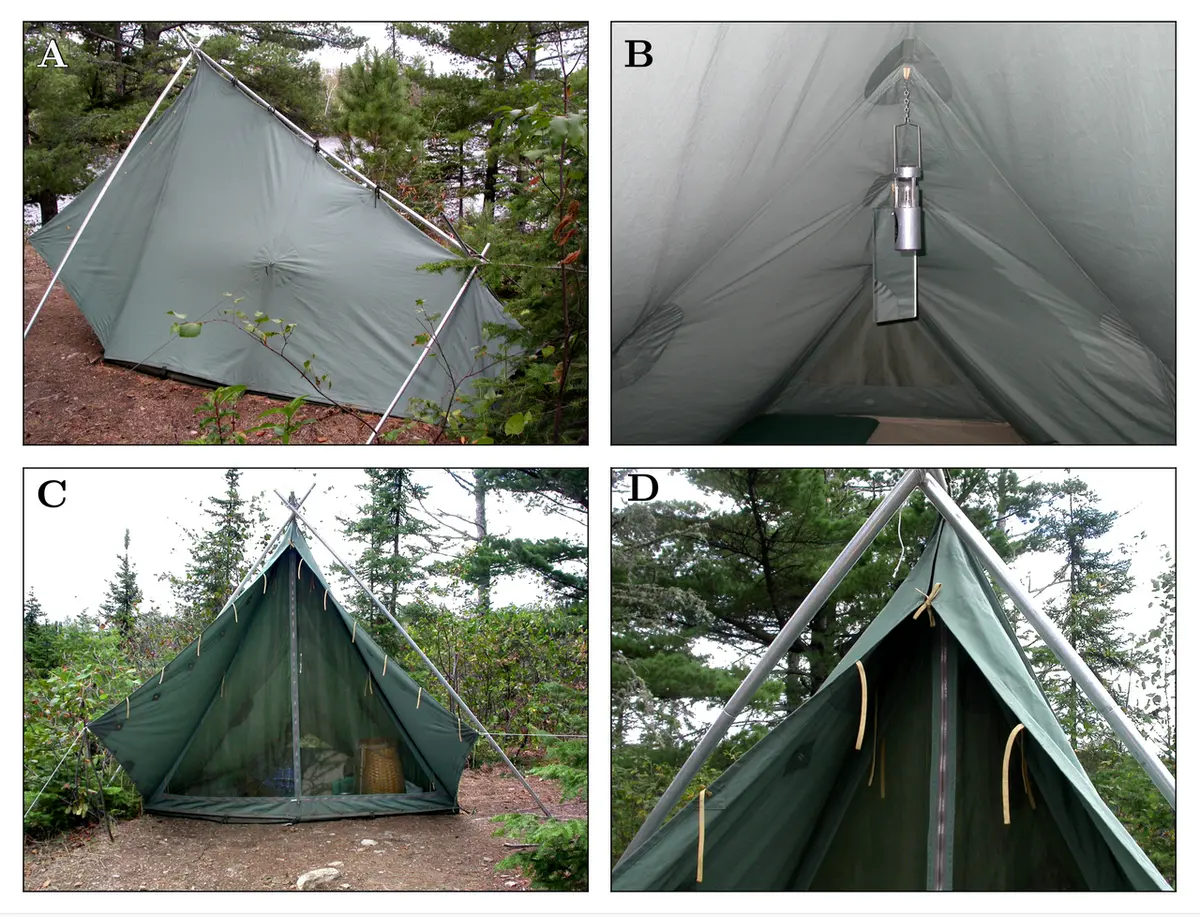
Beach and lake days. A compact screen house keeps flies off the food and blocks some wind and sun. Sand anchors matter. Lighter models are easier to carry.
Tailgating, markets and events. A canopy-style screen house gives vendors a bug-free space for food. Check size, weight and the quality of the frame for repeated setup.
Hot-weather sleeping. In dry, warm conditions some campers set cots in a screen house. It has no insulation or rain protection, and it should not replace a tent in unsettled weather.
Placing the screen house at your campsite
Position changes how useful the shelter is. Place it where the prevailing breeze passes through the mesh to carry bugs and heat away, but where tree cover or a bank reduces gusts. Keep it clear of dead branches, and away from the fire ring: embers travel in the wind and a nylon mesh melts instantly. Leave at least 10 to 15 feet between the screen house and any open flame, and never cook with a stove inside. Set the door toward the tent and kitchen so the path is short and the door stays closed between trips.
Consider shade through the day. A screen house set in morning shade can bake by afternoon, and one that blocks the evening view may cost you a sunset. Level ground matters because a table on a slope slides plates, and a tilted frame twists. If the ground is uneven, use a few flat stones under the low legs. Finally, check that the surrounding area drains: a screen house in a dip fills with runoff in a shower, and a wet floor ends the evening quickly.
Insect behavior and how the mesh helps
Different insects behave differently, which affects how you use the shelter. Mosquitoes are most active at dawn and dusk and are drawn to carbon dioxide and warmth. They follow you through doors, so move quickly and zip the door behind you rather than leaving it open while you talk. Biting flies are active in sunlight and cruise at head height. Wasps and yellowjackets are drawn to sweet drinks and meat, and a screen house keeps them off your plate but can also trap one that follows you inside, so check before you close the door. No-see-ums are small enough to pass through standard mesh and are worst around damp, still air near water.
Practical habits help the mesh work. Keep a small brush by the door to knock off bugs before you enter. Do not hang lanterns directly against the mesh, which draws insects to it. Keep food covered, and keep trash outside in a closed container. In heavy bug season, pair the screen house with a repellent on exposed skin and light-colored clothing, and avoid sitting against the mesh walls, where insects can bite through the openings.
Three buyers, three screen houses
The family at a state park campground. Four people, a 12 by 12 foot site pad, a six-foot picnic table and a camp stove. A 10 by 10 foot pole-and-sleeve screen house with a waterproof roof and a double-zipper door is the practical fit. It leaves room for the table and chairs, fits on the pad without blocking the fire ring, and survives afternoon showers. Staking and weighing the legs makes it stable enough for the breezes you find in open campgrounds.
The couple who camp near lakes and marshes. Biting midges and mosquitoes are the main threat, wind is usually modest, and they pack light. A compact 8 by 8 foot shelter with fine no-see-um mesh, a sewn-in floor and a skirt is ideal. It folds small, goes up quickly with two people and gives them a place to eat without being eaten. A pop-up version is faster but needs more attention to wind.
The group of friends at a tailgate or a day at the beach. Eight people, a lot of coolers and no plan to stay overnight. A large 12 by 12 canopy-frame screen house with removable mesh walls is the best choice. The frame is sturdy and quick, and the mesh walls come off when the sun is low and the bugs are few. Weights on every leg are essential, and a plan to take it down when the wind rises keeps the day safe.
Care and storage
Shake out dirt and leaves, wipe the mesh with a soft cloth and mild soap, and dry the shelter fully before packing. Wet mesh grows mildew, and damp fabric degrades. Store loosely in a dry place. Check poles for bends and joints for cracks. Re-treat the roof's waterproofing if water no longer beads. Follow the routines in how to clean a tent without damaging it and how to store a tent the right way.
Budget
Screen houses range widely in price. The best screen houses under $100 cover basic models with polyester roofs and thin poles, suitable for casual use. Mid-priced models have sturdier frames, better mesh and waterproof roofs. Premium models offer better engineering, quick pitching and longer life. Take the most care with seams and zippers, which fail first in cheap shelters. A few extra dollars for stronger stakes and guylines improves any model.
Packing and transport
Folded screen houses can be bulky, so check the packed dimensions against your vehicle. Pop-up models fold into a long flat disc or tall bag that rides on a back seat, while pole-and-sleeve designs pack into a duffel that fits a trunk. A carry bag with wheels is useful for the larger canopy frames. Store the stakes in a pouch and the guylines wound on a small card so they do not tangle.
Common mistakes to avoid
- Buying a size without measuring the campsite pad or the table.
- Choosing standard mesh near water where no-see-ums are the problem.
- Skipping stakes and guylines because the day looks calm.
- Leaving a pop-up screen house standing in a wind forecast.
- Placing a stove or lantern flame close to mesh and fabric.
- Folding it wet and finding mildew later.
- Expecting a screen house to work as a rain-proof tent.
Frequently asked questions
What size screen house do I need for a family of four?
A 10 by 10 foot model fits a table and four chairs, and a 12 by 12 gives space to move and for kids to play. If your campsite is small, the 10 by 10 is the safer choice. Measure the pad first.
Are screen houses waterproof?
Some roofs are, some only shed light rain. Check the roof's waterproof rating and seams, and look for roll-down panels. Even a good one can leak in a storm if the roof sags, so keep guylines tight. For heavy rain, use a tent or a tarp.
Can I use a screen house in wind?
In light to moderate wind with proper stakes, guylines and weights, yes. In strong wind, take it down. These shelters are tall and light and can lift easily, especially pop-up models with hinged frames.
What mesh is best for keeping out tiny insects?
Fine no-see-um mesh, around 20 by 20 holes per square inch or finer, blocks the smallest biting insects. It slightly reduces airflow. Standard screen stops mosquitoes and flies and works for most locations.
Do I need a floor in a screen house?
Not always. Over grass or a picnic pad it is optional. A floor keeps crawling insects out and is useful on bare ground, though it traps dirt. A ground sheet can serve the same job and is easier to clean.
Can a screen house replace a tent for sleeping?
Only in warm, dry conditions with no rain forecast, and with a sleeping pad on the ground or a cot. It offers no insulation or storm protection. Keep a tent as the primary shelter.
Sources & further reading
Image credits
- "Forester Tent Full View (6262CE06)" by ModalPeak, CC BY-SA 4.0, via Wikimedia Commons.
- "Forester Tent Four Views (6262CE06)" by ModalPeak, CC BY-SA 4.0, via Wikimedia Commons.


Ready to buy?
Compare the gear: Tents & Shelter
6 Best Canopy Tent For Beach in 2026
Best canopy tents for the beach: six sun shelters and 10x10 canopies, from pop-up UPF 50+ shades to a rope-tension 11x14 ft sun shelter.
5 Best Canopy Tent For Vendors in 2026
Best canopy tents for vendors: five 10x10 pop-ups for farmers markets and craft fairs, with sidewalls, vents, weight bags and honest wind notes.
6 Best 12x12 Screen Houses in 2026
Best 12x12 screen houses and near-12 ft models compared on floor, roof height, wind panels and storage, for large groups and long camp stays.
4 Best Compact Screen Houses in 2026
Best compact screen houses compared on packed size, weight and footprint, for small patios, balconies and trips where space is tight.
5 Best Screen Houses For Rain in 2026
Best screen houses for rain compared on waterproof roofs, sidewalls, anchoring and drainage, for campers who want bug-free shade in wet weather.
6 Best Screen Houses in 2026
Best screen houses for camping and patios compared on size, magnetic doors, floors and setup, for bug-free dining and lounging.
3 Best 10x10 Screen Houses in 2026
Best 10x10 screen houses compared: three pop-up and pole-style bug shelters at 10 by 10 feet, for six to eight people, with mesh walls and UV tops.
3 Best Screen Houses Under 100 in 2026
Best screen houses under $100 compared on floor space, doors, floors and canopies, for campers wanting a roomy bug-free room with better features.
Keep reading