
Practical Camping Guide · 12 min read
Alcohol Stove vs Canister Stove
Compare alcohol and canister camp stoves on weight, boil time, cold and wind performance, fire restrictions and safety to choose the right one.

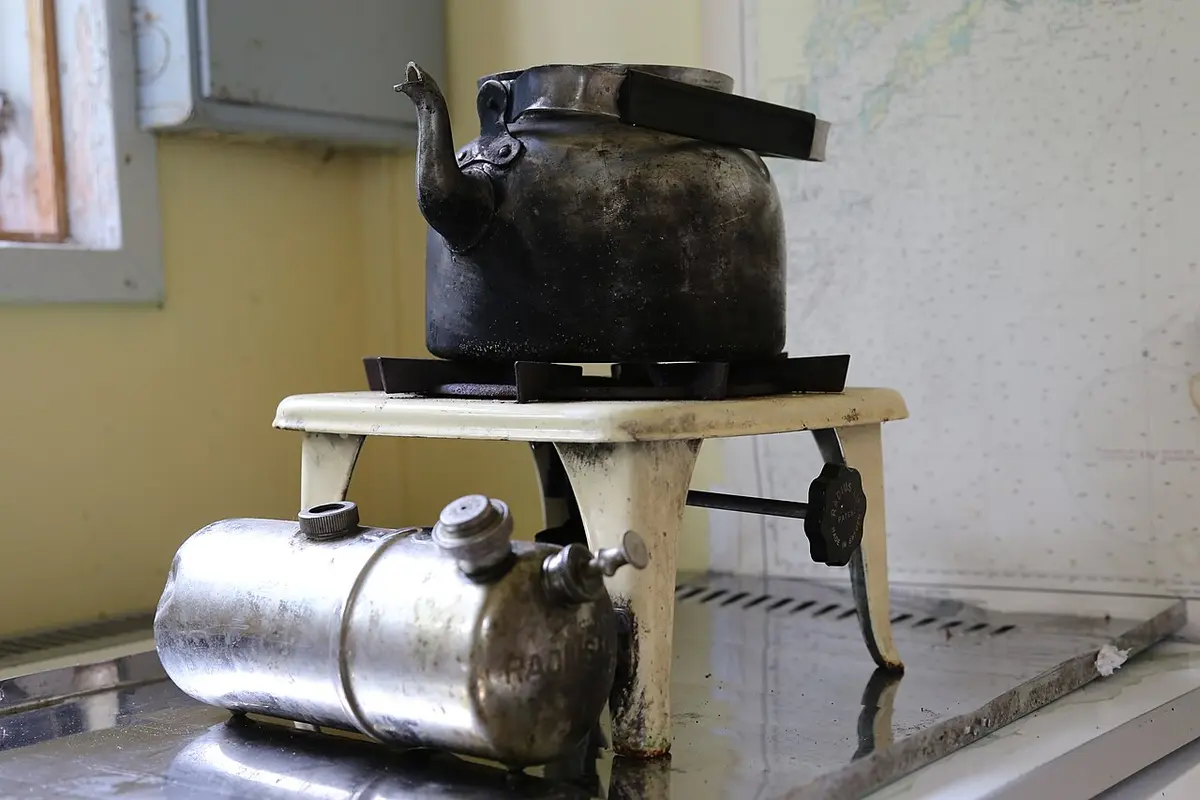
Choose a canister stove if you want fast boiling, simple on-off control, a real simmer and fewer surprises, which describes most weekend and family campers. Choose an alcohol stove if you are chasing the lowest pack weight on a longer solo trip, want something silent with almost nothing to break, or like cheap, easy-to-find fuel. Canister stoves are faster and more controllable, while alcohol stoves are lighter at the stove-and-fuel level for short and mid-length trips, slower and harder to manage in wind, cold and fire restrictions.
Both are good stoves, and plenty of experienced hikers own both. The right choice depends on how many days you carry fuel, the weather you camp in, the cooking you do and the rules where you travel. Below is a direct comparison, a weight break-even calculation, safety and legal points that catch people out, and a quick decision guide.
How each stove works
Canister stove. A burner screws onto a sealed canister holding an isobutane and propane blend under pressure. You open a valve, light the gas and adjust the flame like a kitchen burner. Stoves range from ultralight upright burners to regulated and remote designs. The fuel is sold in 100 g, 230 g and 450 g canisters.
Alcohol stove. A small cup, can or ring holds liquid fuel, typically denatured alcohol (ethanol with additives) or methanol in the form of yellow-bottle gas-line antifreeze. You pour in a measured amount, light it, and the fuel vaporizes and burns through small jets. There is no valve, so you cannot adjust the flame, and the stove burns until the fuel runs out or you snuff it out.
The designs differ in complexity. A canister stove has a valve and a burner head, and an alcohol stove can be a soda-can cup with holes. That simplicity is part of the appeal for lightweight hikers.
Side-by-side comparison
| Factor | Alcohol stove | Canister stove |
|---|---|---|
| Boil time for 500 ml (typical) | 6 to 10 minutes | 2 to 4 minutes |
| Heat output | About 3,000 to 4,000 BTU/h | About 7,000 to 12,000 BTU/h |
| Flame control | None, burns until fuel is gone | Adjustable, including simmer |
| Stove weight | 0.5 to 2 oz (15 to 60 g) | 2 to 4 oz (55 to 115 g) for ultralight |
| Fuel energy per ounce | About 0.75 as much as canister fuel | Higher |
| Fuel availability | Hardware stores, marine and auto shops | Outdoor shops, big-box stores |
| Cold weather | Works, slower, needs priming | Needs the right blend and technique |
| Wind | Very sensitive, needs windscreen | More robust, still benefits from a screen |
| Fire restrictions | Often banned, no shutoff | Often allowed if it has a shutoff valve |
| Noise | Almost silent | A noticeable hiss or roar |
| Flame visibility | Hard to see in daylight | Clearly visible |
| Cost | Very low | Low to medium |
| Reliability | Few parts to fail | Valve and seals can fail |
The BTU values are typical ranges for popular designs. For what the numbers mean, see camp stove BTU ratings explained, since a lower BTU rating does not always mean a slower or less efficient stove.
Weight: where the crossover happens
Pack weight is the main reason hikers pick alcohol. The stove weighs little, but the fuel is less energy-dense, so the math flips on longer trips.
Fuel energy content:
- Ethanol (denatured alcohol): roughly 12,000 to 12,800 BTU per pound.
- Isobutane/propane blend: roughly 21,000 BTU per pound.
So canister fuel carries about 1.7 times more energy per pound. But alcohol stoves are often more efficient at the pot with a good windscreen, and a canister stove includes the weight of the canister itself, which holds about 4 ounces of metal for 8 ounces of fuel in a standard 230 g size.
| Trip length (solo, 2 hot meals a day) | Approx. alcohol system weight | Approx. canister system weight | Lighter option |
|---|---|---|---|
| 1 night | 3 to 5 oz | 8 to 10 oz (smallest 100 g canister) | Alcohol |
| 3 nights | 5 to 8 oz | 9 to 11 oz | Alcohol |
| 5 nights | 8 to 12 oz | 11 to 13 oz (230 g canister) | Alcohol, narrowly |
| 7 nights | 12 to 16 oz | 11 to 13 oz | Roughly even |
| 10 nights or more | 16 to 24 oz | 13 to 18 oz | Canister |
The figures are illustrative, and the break-even depends on how much you boil, how well you shield the stove from wind and how efficiently you run it. A common rule of thumb is that alcohol wins for trips under about a week, and canisters win beyond that. For two or more people sharing a pot, canisters pull ahead sooner because their higher output cooks bigger volumes more quickly. If your trips are short, an ultralight alcohol system is hard to beat on weight. See the best alcohol stoves for backpacking and the best titanium alcohol stoves for the lightest end of the market.
Speed and cooking control
Canister stoves boil a liter of water in roughly 3 to 5 minutes in decent conditions. Alcohol stoves take 8 to 12 minutes for the same job, even with a windscreen. For a solo hiker who boils 500 ml for a freeze-dried meal, the difference is a few minutes. For a family cooking pasta, it is a bigger gap.
Control is the larger difference. A canister stove lets you simmer sauces, fry eggs and hold a low flame. An alcohol stove runs at one speed, so cooking involves boiling water and rehydrating food. Some designs offer simmer rings or partial covers that reduce output, but they are fiddly. If you want to cook real meals, a canister stove is much easier. The best canister stoves for cooking show the kind of control you get at different price points.
Wind, cold and weather
Wind. Alcohol flames are low and easily blown, and the heat leaves the pot quickly. A good windscreen is mandatory and must leave room for air to feed the flame, and many systems include a wind shield that doubles as a pot stand. Canister stoves also benefit from windscreens, but they are less sensitive, particularly with regulated or heat-exchanger designs.
Cold. Alcohol evaporates less in cold, so the stove is harder to light and slower, but it keeps working at very low temperatures with priming. Canister stoves struggle as the canister cools, and need a cold-weather blend and technique. Our guide on how to use a canister stove in cold weather covers that. See also the best canister stoves for cold weather. For deep winter, neither is the best tool, and a liquid-fuel stove is usually preferred.
Altitude. Both work at altitude. Alcohol stoves lose little efficiency, since they depend on atmospheric oxygen only for burning, and canisters behave well too. Cold at altitude is the greater challenge.
Safety and legal points that catch people out
Invisible flame and spills
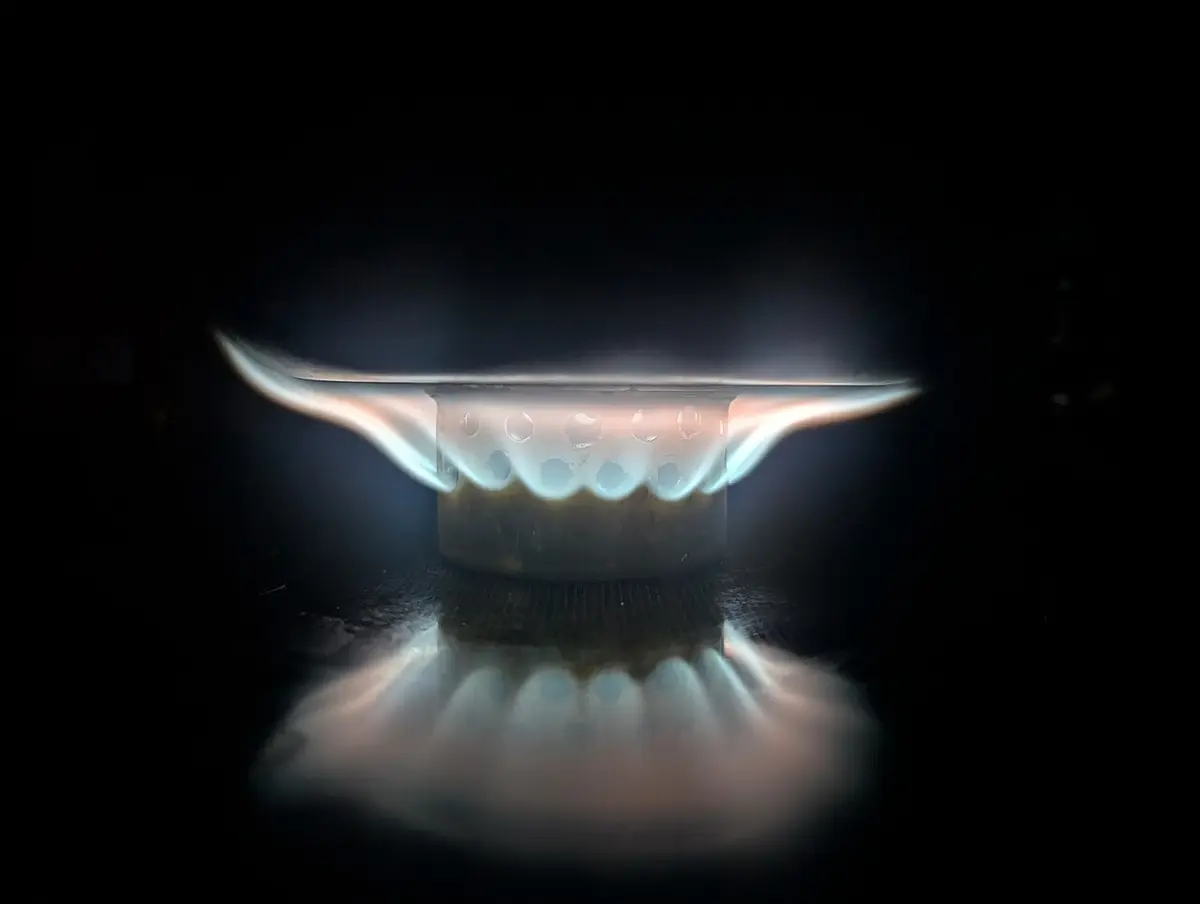
Alcohol burns with a pale blue flame that is hard to see in daylight. People have burned themselves by pouring fuel into a stove that was still lit or by reaching across a flame they could not see. Always check for flame by holding your palm above the stove, never refuel a hot or burning stove, and keep a small amount of fuel in a labeled bottle, not near the stove. A spill of burning alcohol spreads quickly, which is a real risk on a table or in a tent vestibule. Burning alcohol can be put out with water, which is a point in its favor.
Fire restrictions
Many land management agencies restrict stoves during dry periods. In many rules, stoves with an on-off shutoff valve are allowed while open-flame stoves without a shutoff are classed as campfires and banned. Alcohol stoves, which lack a valve, are often in the banned category under a fire restriction, while canister stoves with a valve are usually allowed. Rules vary by agency and season, so check the current restrictions for the place you will be. If you travel in the West in summer, this can decide the matter.
Carbon monoxide
Both stoves produce carbon monoxide, and neither should be used inside a closed tent. For details, see whether you can use a camping stove indoors.
Fuel handling
Denatured alcohol is toxic if swallowed and flammable. Methanol is especially hazardous, and it is more toxic than ethanol. Do not store fuel in an unlabeled or food-grade container, keep it away from children and carry it in a bottle designed to resist leaks. Pressurized canisters must not be heated, punctured or stored in a hot car.
Fuel: availability and cost
Alcohol fuel is easy to find in many places. Denatured alcohol is sold in hardware and paint stores, and yellow-bottle gas-line antifreeze (methanol) is sold at auto shops. It is cheap, and you can buy a little or a lot. Ethanol-based fuels burn cleaner and are less hazardous than methanol, though they may cost more. See the best alcohol stove fuels for the range of options.
Canister fuel is found at outdoor shops and many big-box stores, but it can be harder to get in remote towns, and canisters come in fixed sizes. You cannot top off a partly used canister, and you must dispose of or recycle empties responsibly. Travelers flying to a destination cannot carry fuel in their luggage, so you must buy locally in either case. Alcohol is easier to find at a general store.
Kits and accessories
An alcohol stove is nearly useless without a windscreen and a pot stand, so many are sold as kits that include the stove, a stand, a windscreen and a fuel bottle. Choose a kit if you do not want to build one. See the best alcohol stove kits and the best alcohol stoves for how they compare. Canister stoves are usually sold alone, and you add a windscreen or a pot that fits. If your canister stove is the remote type, with the canister sitting away from the burner, the best remote canister stoves will show what to expect.
Worked fuel example: a four-night solo trip
Say you plan to boil 500 ml of water twice a day for four days, once for a hot breakfast drink and once for a freeze-dried dinner, plus a small hot drink in the evening, for a total of about 1.2 liters a day. That is roughly 5 liters over the trip, and each liter from 60 degrees F to a boil takes about 335 BTU of heat delivered to the water.
Alcohol. With a decent windscreen, an alcohol stove might deliver around 40 to 50 percent of its fuel energy to the pot. Ethanol has about 12,000 BTU per pound, which is around 750 BTU per fluid ounce, so each liter of water costs about 335 / (750 x 0.45) = roughly 1 fluid ounce of fuel. Over 5 liters, you need about 5 ounces of fuel, but a margin for wind, priming and a cool morning pushes that toward 7 or 8 ounces. Add a 0.7 ounce stove, a 1 ounce windscreen and a 1 ounce bottle, and the system comes to about 10 ounces.
Canister. A canister stove with a windscreen at 40 to 50 percent efficiency delivers similar heat to the pot. The 230 g canister holds around 10,000 BTU of usable energy, and the trip needs about 2,000 to 2,500 BTU of fuel, which is about a quarter of the canister. But you cannot buy a quarter canister. Choose the 100 g size, which holds about 4,700 BTU, and the weight is about 6.5 ounces including the can. Add a 3 ounce stove, and the system comes to roughly 9.5 ounces, with leftover fuel for the next trip.
For a trip this short, the two systems weigh about the same, which is why many hikers say the break-even is closer to three or four nights than the week they once believed. The deciding factors then become speed, simmer, fire restrictions and personal taste. The alcohol stove wins if you carry less than 6 ounces of fuel, and the canister wins when you want to boil quickly in the morning and head out. This example also shows the quiet advantage of alcohol: you can measure exactly the fuel you need, while a canister comes in fixed sizes that often leave you carrying more than you need.
Care, maintenance and the DIY factor
Alcohol stoves barely need maintenance. Wipe out the cup, keep the jets clear with a pin if they clog, and store the stove dry. Many hikers build their own from an aluminum can, which is a fun and cheap project but is not a guarantee of safe performance, so test a homemade stove outdoors on a non-flammable surface before taking it into the field. Seams and thin metal can leak, and leaks make fires. A commercial stove has been tested and is usually a safer bet for the first time.
Canister stoves need a little more care. Check the O-ring on the threaded connection, since a damaged seal lets gas escape. Keep the burner clean and dry, and do not drop it on its valve. If you smell gas, turn off the stove and move away from any flame. Always check connections with a small amount of soapy water and watch for bubbles, and replace damaged parts rather than repairing them in the field. When a canister is empty, release the last bit of pressure and recycle it where facilities exist, because many curbside programs do not accept them.
For both, store fuel away from heat, away from children and away from food, and never carry fuel in a sleeping area. Keep a lighter and a backup match kit, since a piezo igniter will fail eventually.
A decision guide
| If you... | Lean toward |
|---|---|
| Camp for weekends and want quick, easy meals | Canister |
| Hike alone for 1 to 6 nights and count every ounce | Alcohol |
| Cook for two or more, or want to simmer | Canister |
| Camp where fire bans are common | Canister with shutoff |
| Like simple gear with nothing to break | Alcohol |
| Camp in freezing weather | Neither as a first choice, liquid-fuel or a cold-weather canister setup |
| Travel internationally and buy fuel locally | Alcohol |
| Want the fastest boil in a group | Canister |
| Are on a tight budget | Alcohol, or a basic canister stove |
| Like gadgets and tinkering | Alcohol, especially DIY |
Common mistakes to avoid
- Skipping the windscreen on an alcohol stove. Wind wastes fuel and time.
- Refueling a burning or hot stove. The flame is hard to see, and a spill ignites.
- Using an alcohol stove under a fire ban. Check the rules first.
- Carrying too little fuel. Alcohol use varies widely, and canister fuel is hard to measure from outside.
- Expecting an alcohol stove to simmer. It is a boil-and-soak stove.
- Cooking in the tent. Carbon monoxide and fire hazards are serious.
- Using the wrong alcohol. Fuels with contaminants can clog jets or burn dirty.
Frequently asked questions
Is an alcohol stove lighter than a canister stove?
The stove alone usually is, often under 1 ounce for a simple design. Total system weight depends on trip length, since alcohol is less energy-dense. For trips under about a week, alcohol tends to be lighter. For longer trips, canisters catch up and often win.
Which stove is faster?
A canister stove. It typically boils a liter in 3 to 5 minutes, while an alcohol stove takes 8 to 12 minutes with a windscreen. For a single cup of water, the difference is small, but it grows with volume.
Can I use an alcohol stove during a fire ban?
Often not. Many fire restrictions ban stoves without a shutoff valve, and alcohol stoves do not have one. Canister stoves with valves are frequently allowed. Rules differ by agency and change with conditions, so check before you go.
What fuel should I use in an alcohol stove?
Denatured alcohol or ethanol-based fuel burns clean and is the common choice. Yellow-bottle methanol also works but is more toxic and burns a bit less efficiently. Avoid isopropyl alcohol, which burns sooty.
Do alcohol stoves work in the cold?
They work, but they are slower to light and heat. Priming the stove with a little extra fuel and keeping the fuel warm helps. Cold is less of a problem for alcohol than for canister stoves, though wind remains a challenge.
Is a canister stove or an alcohol stove better for beginners?
Most beginners find canister stoves easier. They light with a switch or a lighter, adjust like a home burner and boil quickly. Alcohol stoves have a learning curve with priming, wind and fuel measurements.
Sources & further reading
- MSR: The ins and outs of canister fuels
- REI: Snow Peak GigaPower 110 Gold fuel canister
- Backpacking Light: Propane and cold temperatures
Image credits
- "Radius stove (14754627235)" by Jukka from HELSINKI, Finland, CC BY 2.0, via Wikimedia Commons.
- "Alcohol stove" by Edward Wright, plumber extraordinaire, CC BY-SA 4.0, via Wikimedia Commons.


Ready to buy?
Compare the gear: Camp Kitchen
3 Best Alcohol Stove Fuels in 2026
Best fuels for alcohol and spirit stoves compared on fuel type, listed burn time and intended use, with notes on what each pairs with.
2 Best Alcohol Stove Kits in 2026
Best alcohol stove kits compared on listed weight, boil time, stand design and what ships in the box, with an honest note on how few listings qualify.
5 Best Alcohol Stoves For Backpacking in 2026
Best alcohol stoves for backpacking compared on listed weight, boil time and simmer control, for hikers cutting pack weight on multi-day trips.
5 Best Alcohol Stoves in 2026
Best alcohol stoves compared on listed weight, boil time, fuel capacity and flame control, for campers who want a simple, quiet burner without canisters.
3 Best Canister Stoves For Cold Weather in 2026
Best canister stoves for cold weather compared on regulators, inverted feed, wind resistance and weight, with honest notes on what each listing says.
4 Best Canister Stoves For Cooking in 2026
Best canister stoves for cooking compared on flame control, listed BTU, pan stability and wind protection for real meals, not just boiling water.
4 Best Remote Canister Stoves in 2026
Best remote canister stoves compared on weight, stability, listed BTU and cold-weather features, for backpackers who want the fuel off the burner.
4 Best Titanium Alcohol Stoves in 2026
Best titanium alcohol stoves compared on listed weight, folded size, fuel flexibility and stand design for ultralight backpackers.
Keep reading