
Practical Camping Guide · 12 min read
How to Choose a Winter Sleeping Bag
Choose a winter sleeping bag by Comfort rating, insulation, shape and features, and pair it with the right pad and habits for cold nights.

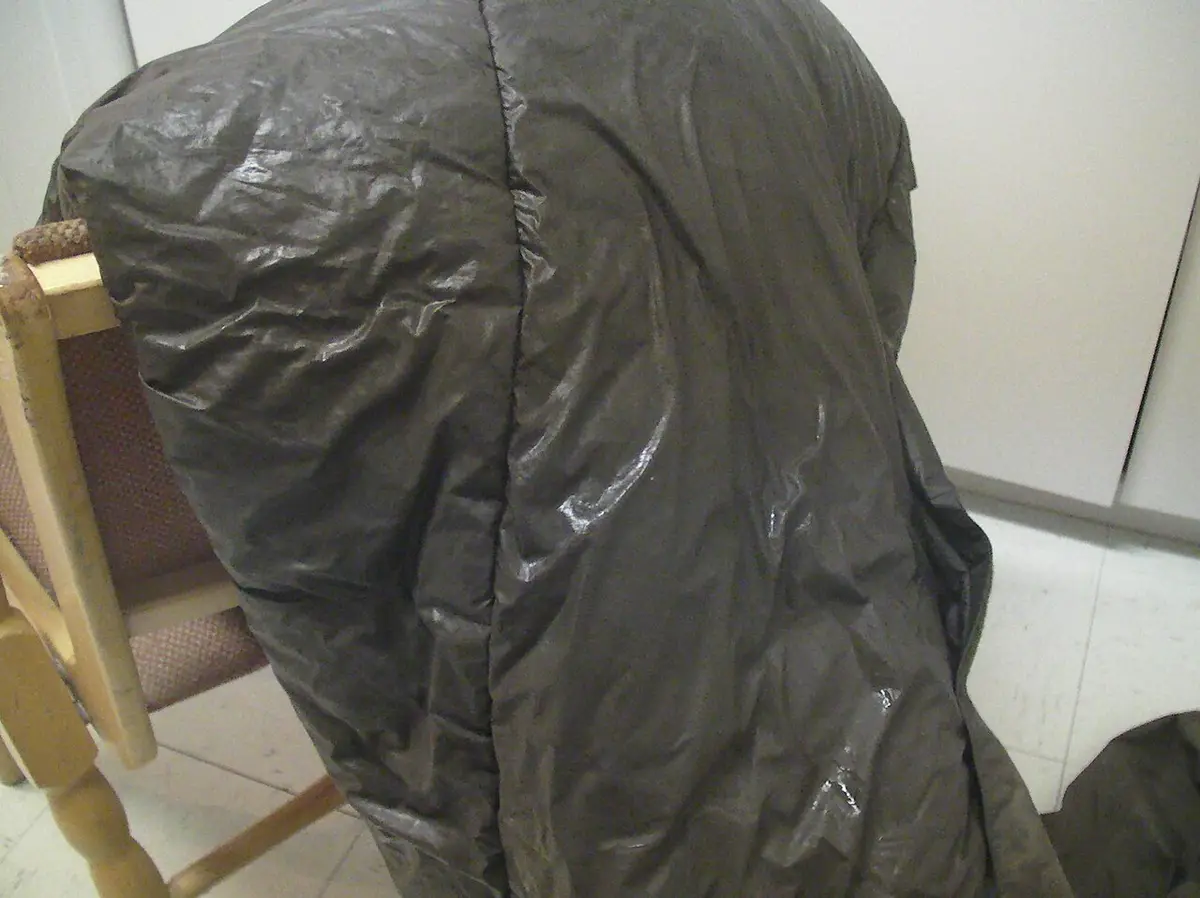
Choose a winter sleeping bag by working backward from the coldest night you expect: take the forecast low, subtract 10 degrees Fahrenheit for margin, and buy a bag whose Comfort rating (not its Limit or Extreme number) matches that figure. Then pick down or synthetic insulation, a mummy shape with a snug hood and draft collar, and pair it with a sleeping pad rated R-5 or higher. A winter bag only works as part of a system that includes pad, tent, clothing and food.
Winter camping punishes weak links. A bag rated for the temperature on paper can fail because of a thin pad, a damp tent, a poor fit or a cold sleeper who did not eat. The stakes are higher than in summer, because a cold night in January is a safety issue, not an inconvenience. This guide covers how to translate ratings into choices, the features that matter in the cold, insulation trade-offs, fit, the sleep system and habits that keep you warm, and how to avoid the mistakes that send winter campers home early.
Start with the coldest night, not the average
Plan for the worst night you can reasonably expect. Look at forecasts for the area and elevation, and check historical lows for the dates. Mountain locations cool fast with altitude, roughly 3 to 5 degrees Fahrenheit per 1,000 feet of elevation gain, and valley floors can be colder than hillsides because cold air pools there. Wind chill affects exposed skin and the outside of your tent but not the actual air temperature inside the bag, so use the air temperature for bag selection.
Then add a margin. A common recommendation is to choose a bag rated 10 degrees colder than the expected low, especially if you are a cold sleeper, are camping for several nights, are at high altitude or will be tired or underfed. If the expected low is 15 degrees, look for a bag with a Comfort rating near 5 degrees. For how Comfort, Limit and Extreme ratings differ, see sleeping bag temperature ratings explained.
Which rating number to trust
Many winter bags display a Limit or Extreme number in large print because it is lower and sounds better. For a bag you plan to sleep in comfortably, use the Comfort rating. A bag with a "0 degree" label and a Comfort rating of 10 degrees will feel cold at 0 for most sleepers. If a bag lists only one number with no standard, assume it is closer to the Limit and add 10 to 15 degrees to estimate comfort. Check the standard: ISO 23537 and EN 13537 ratings are comparable between brands, while house ratings are not.
Down or synthetic for winter
Down gives the most warmth for weight and packs small, which matters when you also carry a heavy tent and a stove. High fill power, 800 or above, reduces the weight of a very warm bag. The risk is moisture: in cold, humid conditions frost builds up inside the bag over several nights, and wet down loses loft. Use a water-resistant shell, a vapor barrier or breathable liner if needed, and air the bag out whenever the sun appears.
Synthetic is heavier and bulkier but tolerates dampness and dries more quickly. It suits wet cold, as in the Pacific Northwest and the Northeast, and trips where drying time is short. Compare options in the best sleeping bags for cold weather and the best sleeping bags for cold-weather backpacking. For the full comparison, read down vs synthetic sleeping bags, and for the quality number on down, see what is down fill power.
Shape and features that keep heat in
A winter bag should be a mummy or a close-fitting semi-mummy. Extra air space is wasted warmth. Look for:
- A well-shaped hood that cinches around your face with a drawcord, leaving only your nose and mouth open. Much of your heat loss is through the head.
- A draft collar, a padded tube at the neck that seals the opening around the shoulders.
- A full-length draft tube behind the zipper, so cold air cannot leak through the teeth.
- A box-baffle construction that prevents insulation from shifting and creating cold spots.
- An insulated footbox with enough room for your feet to be warm. Feet are often the first to chill.
- A two-way zipper for ventilation, which helps regulate temperature.
- A shell fabric with water repellency to handle condensation and frost.
Avoid bags with cheap sewn-through construction in deep cold, because the stitching creates lines with no insulation. Offset-quilted or box-baffle designs close those gaps.
Fit: not too tight, not too roomy
A bag that is too tight compresses its insulation and loses warmth where your body presses against it. A bag that is too big forces you to heat a lot of extra air. Choose the length so that your feet do not push against the end when you are lying flat, with about 4 to 6 inches of extra length, and check shoulder and hip girth. Winter bags often come in regular and long sizes, and women's versions that add insulation in the torso and feet.
Try the bag with your winter sleeping clothes on. A bag with a snug fit that lets you move your knees and roll slightly is ideal. Side sleepers should check the shoulder and hip room, since compressed insulation under the sides loses loft. For options with generous cuts, see the shop lists best sleeping bag for cold weather and best cold weather sleeping bag under $100.
The sleep system: pad, tent, clothing
The bag is only one third of the system.
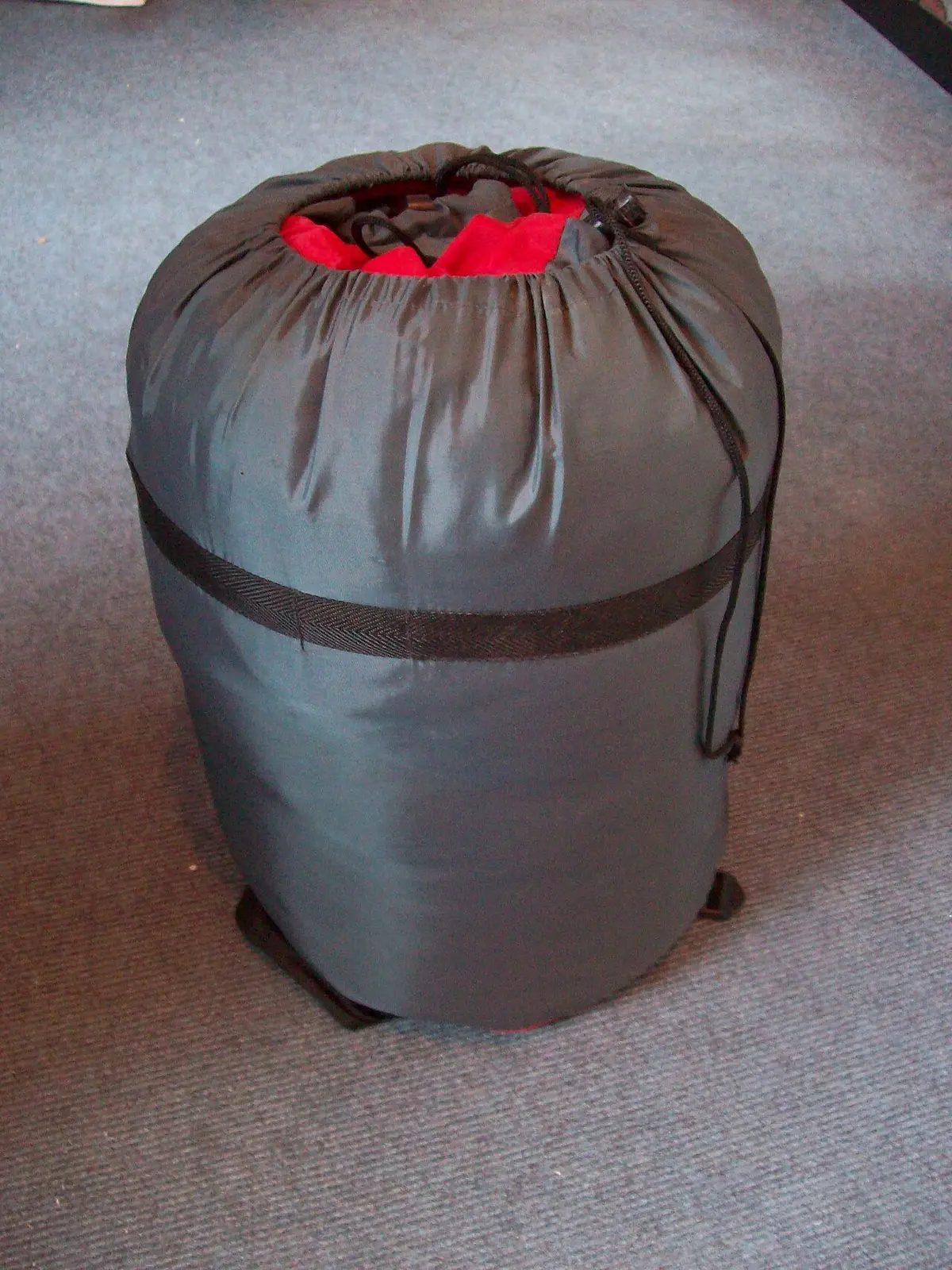
Pad. Insulation below you matters as much as insulation above. The bag compresses under your weight and gives little warmth there, so the pad does that job. Use a pad with an R-value of at least 4 for freezing conditions and 5 or more for deep cold. Stacking a closed-cell foam pad under an inflatable pad adds R-value and a backup against punctures. Our explainer on what is R-value in a sleeping pad shows how to compare pads, and camping cot vs sleeping pad discusses cots, which can be cold underneath.
Tent. A four-season or well-ventilated three-season tent reduces wind and frost. Condensation will drip on you if you do not ventilate.
Clothing. Wear a dry base layer, dry socks and a warm hat. Avoid cotton and avoid wearing so many layers that you compress the insulation. Keep the clothes you will wear tomorrow in the bag's footbox so they are warm and dry in the morning.
Habits that make a bag warmer
- Eat before bed. Digestion generates heat, and a snack with fat and protein helps through the night.
- Drink water, and use the bathroom before sleeping, because a full bladder cools you.
- Warm up first. Do a few jumping jacks or a short walk, and get in the bag while you are warm, not shivering.
- Use a hot water bottle. Fill a bottle with hot water, make sure it is tightly sealed and put it near your core or feet.
- Keep your breath out of the bag. Breathing into the bag adds moisture. Leave the hood open at your face.
- Dry the bag. Air it each day and let any frost evaporate.
- Keep the bag off the ground with a pad, and away from cold tent walls.
Women's bags, wide cuts and sleeper types
Winter bag fit differs by sleeper. Women generally sleep colder than men at the same temperature and have different proportions, so women's bags usually carry extra insulation in the torso and footbox, a shorter length and a shape that fits narrower shoulders and wider hips. A woman who sleeps cold may do better in a women's bag with the same nominal rating, or in a men's bag rated 10 degrees lower. Try both if you can. Larger and broader sleepers need a wider cut so the insulation is not squeezed at the shoulders and hips; squeezing loses loft exactly where you need it.
Side sleepers and restless sleepers face a trade-off. A close-fitting mummy is warmest, and some people cannot turn over in one without waking. A semi-rectangular winter bag, or a mummy with a stretchy construction, gives room to roll with only a small warmth penalty. Tall sleepers need long sizes so their feet do not press against the end, and a pad long enough to support the whole body. Whatever your type, try the bag with your winter sleeping clothes, lie in your normal positions and check for squeezed insulation and cold spots.
A worked example: a January weekend at 10 degrees
Suppose you plan a January weekend in the mountains with a forecast low of 10 degrees Fahrenheit, and you are an average-to-cold sleeper. Subtract 10 degrees for margin and you are shopping for a bag with a Comfort rating near 0. You will carry the bag in a pack, so weight matters, and the area is dry, so down is acceptable. A down mummy with 800 fill power, a box-baffle construction, a full draft tube and a hood is the likely choice, weighing around 3 to 4 pounds.
The system matters as much as the bag. You pair it with a pad of R-5 or higher, made by stacking a closed-cell foam pad under an inflatable pad. You choose a four-season tent or a sheltered site and ventilate it to limit frost. You wear a dry base layer, wool socks and a warm hat to bed, eat a fatty snack, and keep a hot water bottle by your core. In the morning you shake out the frost, hang the bag in the sun for an hour and stuff it loosely. Each step is small, and together they turn a bag rated for 0 into a warm night at 10.
Now suppose the same weekend is on the wet side of the mountains, with sleet and a damp tent. Moisture is the bigger risk, and a synthetic bag with a slightly warmer rating, or a down bag with a water-resistant shell and a good tent, protects against a soggy night. The point is to match the bag to the moisture and the cold, not just the temperature on the forecast.
Testing your winter bag before you go
Never take an untested winter bag into the backcountry. Spend a night in your yard, on a balcony or at a trailhead near your car on a cold night, in the system you plan to use. Wear the clothes you would wear, eat and drink as you would, and notice where and when you get cold. Take notes on your pad, tent and clothing. If you are cold at 25 degrees in the yard with a bag rated 0, something is wrong with the system, and it is far better to learn that near your car.
Test the zippers and draft tubes, and make sure you can reach the zipper from inside with gloves on. Check that the hood cinches with one hand, and that the bag fits in your pack with your other gear. Check how it feels to get in and out, since winter mornings are not the time to learn that your bag is hard to exit. After the test, dry the bag, inspect it and make adjustments. A single test night is the best money you can spend on winter camping.
Safety margins and emergency planning
Winter camping leaves little room for error, so plan for the night that goes wrong. Carry an emergency bivy or a space blanket that can be wrapped around a bag in a pinch, and a spare insulating layer that stays dry in a sealed bag. Tell someone your route and return time, and check the forecast right before you leave, since cold fronts can arrive early. Know the signs of hypothermia, which include uncontrolled shivering, slurred speech, clumsiness and confusion, and know that violent shivering that stops is a warning, not a recovery. If you cannot get warm in your bag, eat, add layers, move around to generate heat and consider heading to a lower, more sheltered location or out of the backcountry. A warm bag is a comfort, and a margin of safety is the reason to choose a warmer one.
Liners and vapor barriers
A liner adds a few degrees of warmth and keeps the bag clean; see do sleeping bag liners actually add warmth. A thermal liner of fleece or silk can bridge a gap of 5 to 15 degrees depending on type. A vapor barrier liner, a nonbreathable layer worn next to the skin, keeps moisture from entering the insulation and is used for expeditions and multi-day trips below about 10 degrees, though it feels clammy and is not for everyone. For short winter trips, a standard liner and good habits are enough.
Budget and value
A warm winter bag is expensive, because it needs lots of insulation and well-engineered construction. If your budget is limited, consider which trade-offs make sense. A synthetic bag is cheaper than a down bag at the same rating but heavier. A rectangular cold-weather bag from the budget tiers, such as those in the best sleeping bag under $100 and under $50 lists, can serve for car camping if you add a liner and a good pad, but they are not for backpacking in the cold. Buy the best pad you can afford before upgrading the bag.
Rating claims at low prices deserve care. A bag marketed for deep cold at a very low price may use house ratings that are optimistic. Compare weight and insulation: a very light cheap bag cannot hold much loft. For kids, see how to choose a sleeping bag for kids, and for toddlers the best camping sleeping bags for toddlers.
Care in winter
Keep the bag dry. In the morning, shake off frost, hang the bag to dry if the sun shines and avoid putting it into a stuff sack wet. Store it unstuffed between trips, and wash it only when needed, as described in how to wash a sleeping bag. Keep zippers clean and free of ice, and carry a small lubricant. Protect the bag from sparks near a stove or fire, since synthetic shells melt and down escapes through holes.
Common mistakes to avoid
- Choosing by the Extreme or Limit rating instead of Comfort.
- Underestimating the importance of the sleeping pad.
- Sleeping in too many clothes that compress the insulation.
- Breathing into the bag and letting moisture build up.
- Going to bed cold, hungry or dehydrated.
- Choosing a too-roomy bag that wastes warmth.
- Forgetting to dry the bag between nights.
Frequently asked questions
What temperature rating do I need for winter camping?
Take the expected low and subtract 10 degrees for margin, then compare it to the bag's Comfort rating. If the low is 20 degrees, look for a Comfort rating near 10. Cold sleepers and high elevations need more margin.
Is down or synthetic better for winter?
Down is lighter and more compact and works well in dry cold, with careful moisture management. Synthetic tolerates damp conditions and dries faster but is heavier. Choose by climate and how long you will be out.
How warm should my sleeping pad be?
For freezing conditions use an R-value of at least 4, and for deep cold 5 or more. A foam pad under an inflatable pad adds warmth and safety. A pad that is too thin makes the best bag feel cold.
Can I use a summer bag with layers in winter?
For a night near freezing, it can work with a liner, warm clothes and a good pad, but it is less efficient and compresses insulation. For planned cold nights, a properly rated bag is safer and more comfortable.
Do I need a vapor barrier liner?
Most people do not. It is for expeditions and long cold trips. For typical winter camping, a standard liner, a water-resistant shell and the habit of airing the bag are enough.
How do I keep my bag from freezing in the tent?
Ventilate the tent to reduce condensation, keep wet gear out, shake off frost in the morning and dry the bag in the sun. Sleep with the hood open so your breath does not add moisture to the insulation.
Sources & further reading
- Bushbuck: Sleeping Bag Temperature Ratings Explained
- REI Expert Advice: How to Choose a Sleeping Bag
Image credits
- "Sac de couchage en train de sécher sleeping bag drying (3269904673)" by peupleloup, CC BY-SA 2.0, via Wikimedia Commons.
- "Eingepackter Schlafsack" by M. Kirchherr at German Wikipedia, CC BY-SA 3.0, via Wikimedia Commons.


Ready to buy?
Compare the gear: Sleep Gear
4 Best Camping Sleeping Bags For Toddlers in 2026
Best camping sleeping bags for toddlers: four small-framed bags with stated sizes and weights, plus easy zippers and soft linings for little campers.
4 Best Sleeping Bag Under 100 in 2026
Best sleeping bags under $100: four big-and-tall, cotton flannel and lightweight bags that suit car camping, with honest temperature notes.
4 Best Sleeping Bag Under 50 in 2026
Best sleeping bags under $50: four 50F-class synthetic bags for summer camping and sleepovers, with notes on what the lowest price leaves out.
3 Best Cold Weather Sleeping Bag Under 100 in 2026
Best cold weather sleeping bags under $100: three roomy flannel-lined options for car camping, with notes on what this budget realistically buys.
5 Best Sleeping Bag For Cold Weather Backpacking in 2026
Best sleeping bags for cold weather backpacking trips: a small set of lighter, compressible options, with honest notes on weight and real warmth.
5 Best Sleeping Bag For Cold Weather in 2026
Best cold weather sleeping bags for car campers and cabin trips, with honest notes on comfort versus limit ratings, size and insulation.
5 Best Ultralight Sleeping Bag For Cold Weather in 2026
Best ultralight sleeping bags for cold weather: five down and synthetic mummies that keep pack weight down while pushing the temperature range colder.
6 Best Ultralight Sleeping Bag For Side Sleepers in 2026
Best ultralight sleeping bags for side sleepers: six light bags with roomy spoon shapes, envelope cuts and zipperless comforters that let you curl up.
Keep reading