
Practical Camping Guide · 12 min read
3-Season vs 4-Season Tents
Learn how 3-season and 4-season tents differ in poles, mesh, fabric and weight, and choose the one that matches your climate and trips.

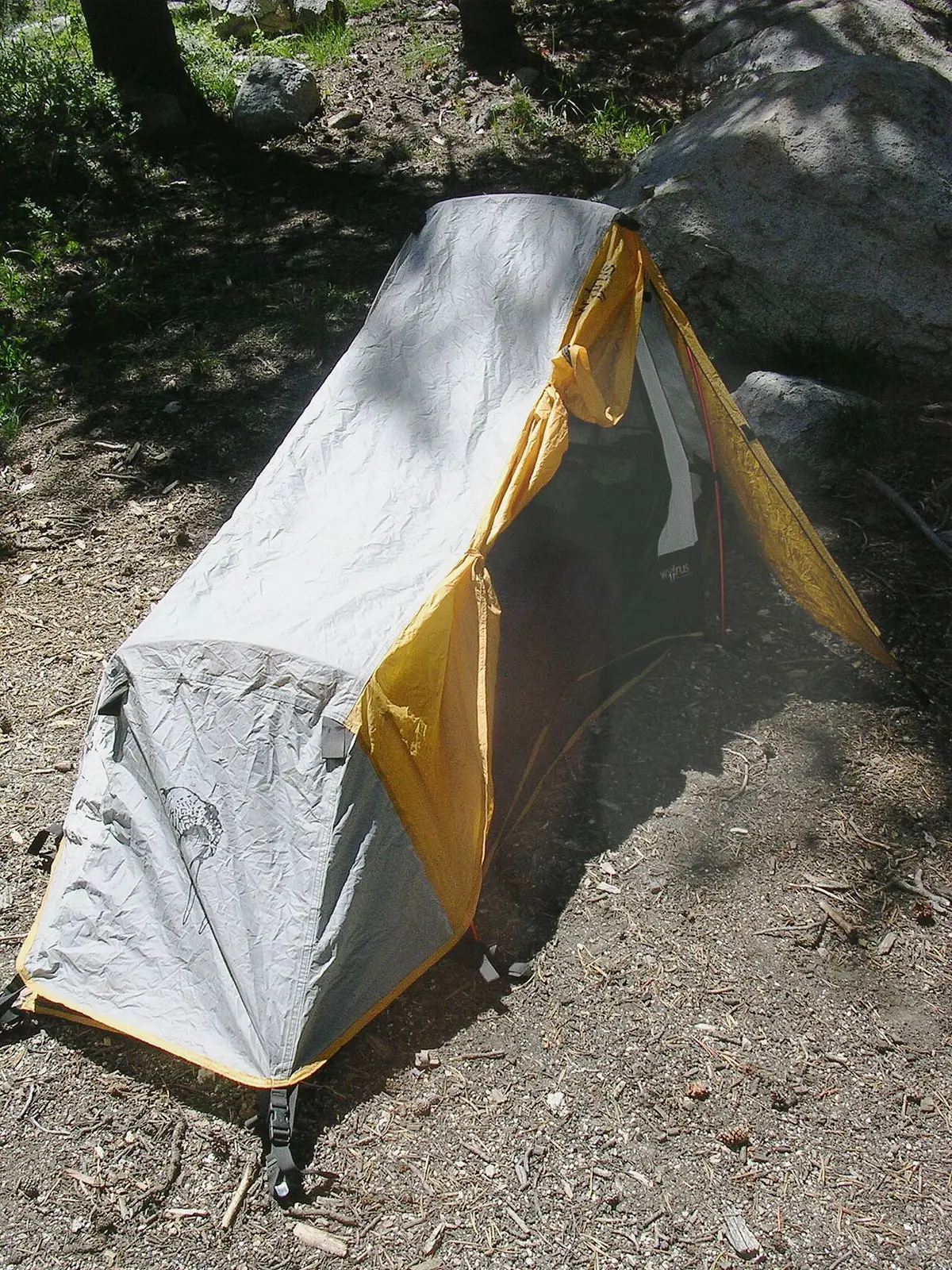
A 3-season tent is built for spring, summer and fall: lots of mesh, light fabric, light poles and good ventilation, rated to handle rain and moderate wind but not heavy snow. A 4-season tent is built for winter and alpine conditions: stronger poles, a stiffer shape that sheds snow, heavier fabric and less mesh to keep out spindrift and hold in warmth. For most campers a 3-season tent is the right choice, and a 4-season tent is a specialist tool you buy for snow, high wind and mountaineering.
The labels are marketing categories, not standards, so no testing agency certifies that a tent is "3-season" or "4-season." That makes it important to read what the label actually implies: pole count and strength, fabric weight, mesh area, vestibule design and weight. This guide shows what changes between the two, how to match a tent to your climate, and why a "3-season-plus" or "convertible" tent is a sensible compromise for many people.
What the labels mean, and what they do not
The seasons in the names refer to a general climate range. A 3-season tent covers the warmer months in most temperate regions. It expects rain, a breeze and temperatures from roughly freezing up. A 4-season tent adds winter, covering snow loading, strong winds and temperatures well below freezing. There is also a "3-season-plus," "3+ season" or "extended-season" group that adds stronger poles and less mesh to a 3-season design to handle early snow or a rough storm.
Because the labels are not regulated, two tents sold as 4-season can be very different. One may be a mountaineering tunnel with crossing poles and a bomber fly. Another may be a heavy 3-season tent with a snow flap added to the name. Compare the construction, not the label. Pole diameter, number of crossing points, fabric denier and vent design are the facts that tell you what a tent can handle.
Design differences that matter
| Feature | 3-season | 4-season |
|---|---|---|
| Inner tent | Mostly mesh | Mostly solid fabric, small mesh panels |
| Poles | 1 to 2 hubs, 8.5 to 9.5 mm | 2 to 4 crossing poles, 9 to 10 mm or more |
| Shape | Dome or semi-dome, tall walls | Low, rounded, steep walls that shed snow |
| Fly | Light polyester or nylon, vents | Heavy fabric, reaches the ground, fewer vents |
| Weight (2-person) | 3 to 5 lb | 5 to 9 lb |
| Ventilation | Excellent | Limited, needs managed venting |
| Snow load | Not designed for it | Designed for it |
| Price | Lower | Higher |
Mesh is the clearest tell. A 3-season inner tent may be 50 to 70 percent mesh, which gives airflow and stargazing and also lets in cold wind and drifting snow. A 4-season inner is mostly solid fabric with a few small vents. Poles are the other: a dome with two crossing poles can bow under snow loading, while a geodesic design with three or four crossing poles shares the load and holds up.
Wind and snow performance
Snow is heavy, and a roof that cannot shed it will collapse. A wet foot of snow can weigh several pounds per square foot, which adds hundreds of pounds across a tent roof. Four-season tents use steeper walls, extra crossing poles and strong fabric so snow slides off or supports itself. A 3-season dome with a nearly flat roof collects snow and sags, and poles may snap.
Wind loading also differs. Four-season tents sit lower and use more guy points, so they resist strong gusts. A 3-season tent with tall mesh walls can billow in a gale, and a mesh inner lets spindrift blow through. For wind in warmer seasons, our guide to how tents handle wind discusses the shapes in detail. If you only camp in fair weather, a 3-season tent copes with typical wind when properly staked.
Ventilation and condensation
A 4-season tent is warmer partly because it has less ventilation, and that creates condensation. Breath and body moisture rise and freeze on the inside of the fly in cold weather. You wake to a dusting of frost that falls on your bag. Good 4-season tents have adjustable vents at the peak and low on the sides, and you open them a little even in the cold to keep air moving.
A 3-season tent handles condensation well because mesh lets vapor out. The trade-off is that it feels cold in winter, since the mesh lets heat go. In summer the extra airflow is welcome. If you camp in humid, hot places, a 3-season tent with full mesh doors and a fly that doesn't touch the inner is far more comfortable than a 4-season tent, which can turn into a sauna.
Weight and packability
Weight is the price of strength. A 2-person 3-season backpacking tent weighs 3 to 5 pounds, a 2-person 4-season tent 5 to 9 pounds. For group camping, a 4-person 3-season tent weighs about 7 to 10 pounds. Extra weight matters on a long hike, less so when you drive to a trailhead and ski in a mile. Packed size follows weight, though a 4-season tent folds neatly into a stuff sack.
If you are comparing models, pay attention to whether the stated weight is "trail weight" (tent body, fly, poles) or "packed weight" (everything, including stakes and bags). The difference can be a pound or more. Choose by realistic packed weight, not by the brochure number. Shop lists such as the best backpacking tents for 1 person, for 2 people and for 3 people show typical weights.
Which climate and trip suits which tent
Match the tent to the worst weather you honestly expect, not the average.
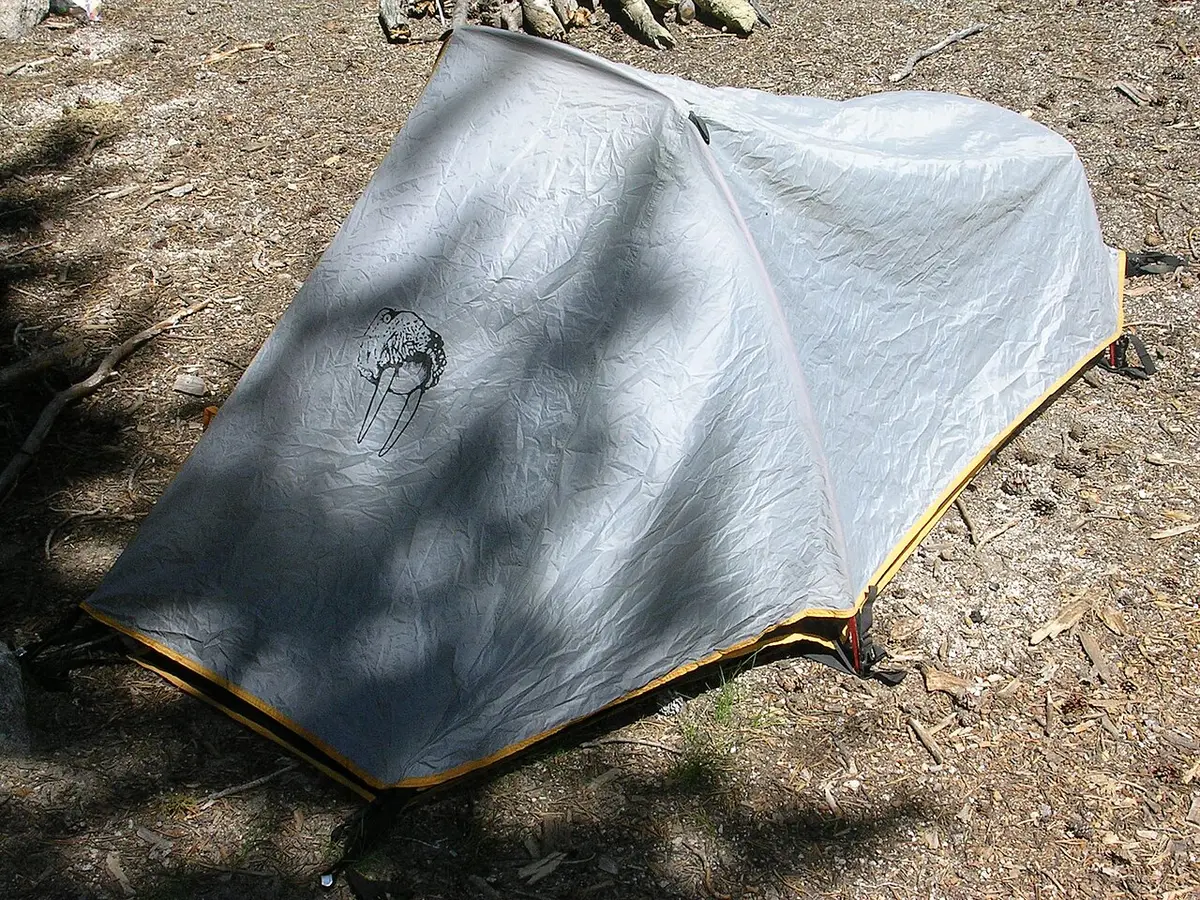
- Summer car camping in the lower 48. A 3-season tent, with plenty of mesh for heat.
- Spring and fall backpacking, nights near freezing. A 3-season tent, ideally with a sturdy fly and a three-pole design.
- Shoulder-season trips with a chance of snow. A 3-season-plus tent or a robust 3-season with extra guylines.
- Winter camping in forest, light snow. A 4-season tent or a 3-season-plus with a snow skirt.
- Alpine, high-wind or expedition conditions. A true 4-season mountaineering tent.
- Hot, humid or desert summer. A 3-season tent with maximum mesh and a rain fly, plus careful site choice for shade.
The price of choosing the wrong one is concrete. A 3-season tent in a snowstorm risks a collapsed pole and a cold night. A 4-season tent in July is heavy and stuffy, and you will leave it at home.
Group sizes and budgets
Larger tents rarely come in 4-season versions, because the structural demands rise with size. Most 4-season tents are for one to three people. A big family tent usually falls into the 3-season range, and winter camping with a family often means a canvas wall tent with a stove instead. Group backpacking tents such as the best 4 person backpacking tents and best 6 person backpacking tents are mostly 3-season shelters.
On a budget, a 3-season tent is the clear value. The lowest tiers, such as the best backpacking tents under $50 and under $75, are fair-weather shelters with modest weather protection. Spending a bit more, as in the best backpacking tent under $150, buys better poles and fabric. Real 4-season tents usually start well above that, because the materials and pole engineering cost more.
Features to look for
For a 3-season tent, look for a full-coverage rain fly, a bathtub floor, a hub-and-pole system with at least two poles, a vestibule for gear and adjustable vents. For a 4-season tent, look for three or four crossing poles, a fly that reaches the ground and can be pegged with snow stakes or deadman anchors, a stiff, low shape, and multiple guy points. Both types benefit from taped seams, a footprint and a decent stake kit.
A footprint is useful in both cases, since it protects the floor from abrasion. In snow, you can use a smaller piece of fabric to keep the floor dry. A set of snow stakes or a bag to fill with snow helps in winter because regular stakes do not hold in snow. For a practical walk-through, see how to set up a tent.
Cold weather behavior and sleeping warm
A 4-season tent does not heat itself. It blocks wind and holds a layer of still air, which helps a little, but your sleeping system provides the warmth. A good pad with a high R-value, a bag rated for the night's low and dry layers matter more than the tent type. A 3-season tent in cold weather feels drafty, which you can offset by closing the vents, using a thicker pad and pitching in a sheltered site.
Condensation is the most common winter problem. Wipe the inside of the tent in the morning, shake the frost off the fly and air out the tent when the sun comes out. Pitch with the door away from the wind and keep wet gear out of the sleeping area. If you often camp in cold, damp weather, practice in your yard first.
A worked example: choosing for a mixed-climate year
Take a hiker in Colorado who camps from May to October, with an occasional November trip, and wants one tent. Summer nights at 9,000 feet drop to the 30s, afternoon thunderstorms arrive with little warning, and late-season storms can drop a few inches of snow. A pure ultralight 3-season tent with a full mesh inner would be airy in July and miserable in an October squall. A true 4-season mountaineering tent would be a weight penalty on 90 percent of trips.
The sensible choice is a 3-season-plus or a sturdy 3-season tent with three crossing poles, a fly that comes close to the ground, a few closable vents and a mesh area that can be partly covered. It weighs perhaps a pound more than a minimalist shelter and handles hail, wind and a surprise dusting of snow. For a true midwinter outing, the same hiker would rent or borrow a 4-season tent, because owning one that sees two nights a year does not pay off.
Now take a family in the Southeast who car camps from March to November. They need maximum ventilation, big mesh panels and a fly that sheds thunderstorms. They face almost no snow. A 4-season tent would be wrong for them in every way. The point of the framework is that the best tent depends on the worst weather you will face and the weight you are willing to carry, not on the label that sounds most capable.
Questions to ask before you buy
Instead of comparing labels, ask these questions, which any decent spec sheet can answer.
- How many poles cross, and what is their diameter? More crossings and thicker poles mean more snow and wind strength.
- What is the mesh share of the inner tent? Less mesh means more warmth and more condensation management.
- How close does the fly come to the ground, and can it be pegged tight? A fly that hangs a hand's width above the ground lets wind and snow in.
- How many guy points are there, and are they reinforced? Wind survival depends on them.
- What does the floor fabric and rating look like? Winter ground is wet.
- Is the weight listed as packed or trail weight?
- What do you actually do with the tent, and what is the worst weather you have seen on your last ten trips?
Answering these gives a better match than any season label. If you cannot find the answers in the listing, treat the tent as a fair-weather product.
Pitching tips that change the performance of either type
Setup affects how a tent handles weather as much as the label does. In both categories, a taut pitch sheds wind and rain better than a slack one. Stake the four corners first, then pull each guyline out at a 45 degree angle from the tent and stake it so the line is tight. Re-tension after the first hour, because new nylon relaxes and wet fabric stretches. If you are pitching on snow, pack the snow first by walking over the site in boots or skis and let it sinter for 20 to 30 minutes before putting up the tent, which gives a firmer base.
Orientation matters. Point the narrow, low end of the tent into the prevailing wind so that gusts slide over the shape. Put the door on the leeward side so you can get in and out without opening the tent to the storm. Use natural windbreaks such as a boulder, a snow wall or dense trees, keeping clear of dead branches and avalanche runouts. A wall of stacked snow blocks about a meter high, built upwind of a winter tent, can cut the wind load considerably, and building it keeps you warm while you work.
Carry extras for the conditions: a few spare stakes, repair sleeves for poles, patches for the fly, extra cord for guylines, and in winter a small shovel and snow stakes or stuff sacks to use as deadman anchors. These items weigh little and often decide whether a rough night is an inconvenience or an emergency.
Care and longevity
Four-season fabrics are heavier and typically last longer, but winter use brings its own hazards: frozen zippers, ice-damaged coatings and snow stakes that tear fabric. Dry the tent completely before storage, since frozen water inside will expand and weaken seams. Refer to how to clean a tent without damaging it, how to store a tent the right way and how to waterproof a tent for routines that apply to both types. Check the coating each year, because a tired coating shows up first in the floor.
When a rental or a borrowed tent makes sense
A true 4-season tent is expensive for something that might see only a few nights a year. Many outdoor retailers and local gear libraries rent them for a weekend, which lets you test the design in real winter conditions before you commit. Borrowing from a friend works too, provided you check the poles and zippers beforehand. If you decide to buy, you will know what you value.
Common mistakes to avoid
- Taking a mesh-heavy 3-season tent into a snowstorm because the forecast looked mild.
- Buying a 4-season tent for summer camping and wondering why it is hot.
- Assuming the label is a rating; it is not a standard.
- Ignoring pole strength and count when comparing tents.
- Forgetting to vent a closed tent in cold weather, leading to frost and wet bags.
- Using ordinary stakes in snow.
- Treating weight as the only factor and ending up with a flimsy shelter in wind.
Frequently asked questions
Can I use a 3-season tent in winter?
In mild winter conditions without heavy snow or strong wind, you can, with careful site choice and extra guylines. For real snow, a 3-season roof may collapse. If you camp in winter often, a 4-season or a 3-season-plus tent is safer and warmer.
Is a 4-season tent warmer?
A little, because it blocks wind and has less mesh, but the difference is smaller than people think. Your sleeping bag, pad and clothing decide warmth. A 4-season tent mainly improves protection from wind, snow and spindrift.
What does "3-season plus" mean?
It describes a tent that is lighter than a true 4-season but more robust than a typical 3-season, with extra poles or tougher fabric. It suits early-season snow and windy shoulder seasons. There is no standard definition, so check pole count and fabric.
Why are 4-season tents so expensive?
They use more and stronger poles, heavier fabrics, more guy points and reinforced seams, and they are made in smaller numbers. The engineering needed to carry snow loads costs more than a lightweight summer shelter.
Do I need a footprint?
It is not required but extends floor life. A footprint cut to the floor size protects against abrasion. In winter, a footprint also helps keep the floor from freezing to the ground. Carry the weight only if you camp on rough surfaces.
How do I keep condensation down in a 4-season tent?
Open the vents slightly even in cold weather, pitch away from standing water and keep wet gear out. Wipe the walls in the morning. Avoid cooking inside, which adds moisture and carbon monoxide risk.
Sources & further reading
Image credits
- "Backpacker's tent 3" by User:Smack, Public domain, via Wikimedia Commons.
- "Backpacker's tent 1" by User:Smack, Public domain, via Wikimedia Commons.


Ready to buy?
Compare the gear: Tents & Shelter
5 Best 4 Person Backpacking Tents in 2026
Best 4-person backpacking tents compared by pole material, waterproof coating, packed size and floor space for group trips and car-to-trail hikes.
4 Best 6 Person Backpacking Tents in 2026
Best 6-person backpacking tents compared on packed size, weight, poles and weather rating, for groups who need a big freestanding tent they can still carry.
5 Best Backpacking Tents Under 50 in 2026
Best backpacking tents under $50 compared on trail weight, pole type and weather protection, for hikers who want a first shelter without a big spend.
5 Best Backpacking Tents Under 75 in 2026
Best backpacking tents under $75 compared on trail weight, poles and rain protection, for hikers who want a sturdier, lighter shelter than a budget dome.
6 Best Backpacking Tent Under 150 in 2026
Best backpacking tents under $150: six one and two person tents from 4 lb solo shelters to a 5.29 lb freestanding two-person, with stated waterproof ratings.
5 Best Backpacking Tents For 1 Person in 2026
Best backpacking tents for 1 person: five solo shelters from a 3 lb Oxford A-frame to a long-floor single-pole tent, with real weights and sizes.
5 Best Backpacking Tents For 2 People in 2026
Best backpacking tents for 2 people: five freestanding two-person tents from a 2.56 lb mesh shelter to a PU 3000 aluminum-pole dome with dual vestibules.
5 Best Backpacking Tents For 3 People in 2026
Best backpacking tents for 3 people: five 3-person and 2/3-person options, with honest notes on floor size and weight for three hikers.
Keep reading