
Practical Camping Guide · 13 min read
Down Jacket Fill Power vs Fill Weight
Fill power measures down quality and fill weight measures quantity. Learn how they combine to set a down jacket's warmth, and how to read labels.

Fill power measures the quality of the down: how many cubic inches one ounce of it fills when fluffed under standard lab conditions. Fill weight is how much down is actually in the jacket, in ounces or grams. Fill power tells you how efficient each ounce is, fill weight tells you how much insulation you get, and warmth comes from both together, plus the jacket's baffle design, fit and shell. A 900 fill power jacket with a small fill weight can be less warm than a 650 fill power jacket with a large one.
Shoppers often compare down jackets on fill power alone because it is the number printed on the tag. That is like comparing cars on horsepower and ignoring weight and gearing. Higher fill power buys a lighter, more compressible jacket for the same warmth, and it costs more. This guide explains how the two numbers interact, how to read a spec sheet, how to estimate warmth, which fill power suits which use, how down compares with synthetic insulation, how to care for a down jacket and which claims on labels deserve a second look.
The two numbers, defined
Fill power is a measure of loft. In a lab, a standard sample of down is conditioned, fluffed in a cylinder, compressed by a small weight for a short period and the volume it occupies is measured. A result of 800 means that one ounce of that down expands to 800 cubic inches. Large, mature down clusters trap air better and produce higher numbers. Typical ranges run from 550 (good) through 650 to 700 (very good) to 800 to 900 or more (premium). For a deeper explanation of how it is tested, see our guide on what is down fill power for sleeping bags, which uses the same rating system.
Fill weight is the total weight of down inside the garment, as stated by the maker. A lightweight jacket may hold 2 to 3 ounces of down, a midweight 4 to 6 ounces and a heavy parka 8 ounces or more, depending on size.
How they combine
Think of fill power as the efficiency of the insulation and fill weight as the amount. Multiply them to get a rough measure of the loft the jacket can produce: fill power times fill weight gives the potential volume of down in cubic inches. A jacket with 4 ounces of 800 fill has about 3,200 cubic inches of loft potential. A jacket with 5.5 ounces of 600 fill has about 3,300, nearly the same, but weighs 1.5 ounces more and packs larger.
| Example | Fill power | Fill weight | Potential loft | Notes |
|---|---|---|---|---|
| Jacket A | 650 | 6.0 oz | 3,900 cu in | Affordable, a bit bulky |
| Jacket B | 800 | 4.8 oz | 3,840 cu in | Similar warmth, lighter and smaller |
| Jacket C | 900 | 4.3 oz | 3,870 cu in | Similar warmth, lightest, most expensive |
| Jacket D | 900 | 2.5 oz | 2,250 cu in | Lighter and less warm than the others |
Jackets A, B and C should provide comparable warmth, with the higher fill power ones saving a little weight and bulk at a higher price. Jacket D is much lighter and clearly meant for a milder use or as a layer, and its high fill power does not make it as warm as Jacket A. This is why you should always look for fill weight, and why a jacket advertised with a high fill power and no fill weight is hiding half the story.
Other factors that decide warmth
Fill power and fill weight are not the only inputs. The jacket's design and shell affect how well loft turns into warmth.
- Baffle construction. Sewn-through baffles stitch the outer and inner fabrics together and create cold spots along the seams. Box baffles use internal walls so there is no cold line, which is warmer and costs more.
- Fit. A jacket that fits snugly traps less air to heat, but too tight compresses the down. A good fit allows layering underneath.
- Hood, collar and cuffs. Heat escapes at the neck and wrists. A hood, a high collar and snug cuffs make a big difference.
- Shell fabric. A tightly woven, down-proof fabric keeps down inside and resists wind. A DWR finish slows moisture.
- Distribution of down. Some jackets put more down in the core and less in the arms. Check where the insulation sits.
- Length. Longer jackets cover more of your body and keep you warmer at rest.
Two jackets with identical fill numbers can differ in warmth by an amount you can feel. Look at the overall design, and read what wearers say about the temperatures at which the jacket works.
What fill power suits which use
550 to 650 fill. Good for everyday wear, casual use and budget jackets. They are heavier and bulkier for their warmth, which is not a concern when you are not carrying them. The best down jackets under $50, under $75 and under $100 lists typically sit in this range.
700 to 750 fill. Very good quality for hiking and general outdoor use, balancing cost and performance. See the best down jackets under $150 and the best down jackets under $200.
800 to 850 fill. Excellent, used in lightweight and packable jackets for backpacking and mountain use. The best down jacket for men backpacking list shows how weight and packed size are traded.
900 and above. Premium, ultralight and expensive, used for weight-critical use. The gain over 800 is modest, a few ounces in a parka.
If you wear a jacket in town and on easy hikes, spending on high fill power adds little. If you carry the jacket for days in a pack, every ounce matters, and the extra cost may be worth it.
Down versus synthetic insulation
Down offers the best warmth for its weight and compresses very small, and it lasts many years with care. Its weakness is moisture: wet down loses its loft, and a soaked down jacket provides little warmth until it dries. Synthetic insulation is heavier and bulkier for the same warmth but keeps insulating when damp, dries quickly and costs less. Many people carry down for dry cold and synthetic for wet, cool climates. For a deeper comparison, see down vs synthetic sleeping bags, which covers the same trade-offs in the context of bags.
Treated or hydrophobic down has a water-repellent coating that slows moisture absorption and speeds drying. It helps with light moisture, but it is not waterproof.
Reading a down jacket label
When you see a jacket listing, check these.
- Fill power and test method. Is it a specific number, such as 800, and is the test standard named?
- Fill weight for your size. Many brands list it for a medium.
- Down percentage. Look for 90/10 or 95/5, meaning clusters versus small feathers.
- Down source and certification. The Responsible Down Standard and similar programs verify animal welfare.
- Shell fabric and DWR treatment.
- Baffle type.
- Weight and packed size.
- Care instructions.
A listing that provides most of these is probably honest, and one that gives only "premium goose down" and a fill power with no weight is hard to evaluate. Use the fill weight and the jacket weight to calculate the share of weight that is down, which for a good jacket is roughly a third to a half.
Estimating the temperature range of a jacket
Jackets do not carry a standard temperature rating the way sleeping bags do, so you have to estimate. A helpful method is to compare the potential loft (fill power times fill weight) with the jacket's use. A light layer around 2,000 cubic inches suits cool shoulder-season mornings and active use as an insulating layer under a shell. A jacket around 3,500 to 4,500 cubic inches fits cold, dry days and camp use down to the 20s Fahrenheit with moderate activity. Parkas with 7,000 cubic inches or more are built for deep cold and standing still.
These are rough guides that depend on body size, wind, humidity and your own metabolism. A smaller person produces less heat and has a larger surface area compared with body mass, so the same jacket feels colder. Wind can drop effective warmth by many degrees unless you wear a shell. Activity changes everything: the same jacket that is warm for standing at 25 degrees is far too hot for hiking at 25 degrees. Treat the numbers as a starting point, and rely on layering to adjust.
Layering and the rest of the cold-weather kit
A down jacket is one piece of a layering system, usually the one you put on when you stop. Your base layer and shell decide how well it works. For a full explanation, see how to layer clothing for camping. Do not forget your lower body: insulated pants or a long parka covers the legs, which lose heat quickly. A warm hat and insulated gloves or mittens are as important as the jacket, since heat escapes quickly from the head and hands.
Cold feet can ruin a day even in an excellent jacket. Choose footwear and socks matched to the cold: the how hiking boots should fit guide explains the fit that keeps blood flowing, hiking boots vs hiking shoes vs trail runners helps you choose a category and waterproof vs non-waterproof hiking footwear covers the moisture trade-off that matters in snow. Matching the jacket with warm feet and a hat is what turns a cold camp into a comfortable one.
Allergies, ethics and sourcing
Down is a byproduct of the poultry industry, and the main ethical concerns are live plucking and force-feeding. Certification programs such as the Responsible Down Standard require farms and processors to avoid these practices and to track the down through the supply chain. Look for a stated certification on the label, and be cautious about vague claims such as "ethically sourced" without a named standard. Some brands also offer recycled down, made from reclaimed products, which reduces demand for new down.
People with allergies to dust or feathers sometimes react to down products. Modern washing removes most of the allergens, and many people tolerate high-quality down well. If you are sensitive, try a jacket in a store or choose a synthetic insulation. Vegan options use polyester fills, and new synthetic fibers approach down's efficiency closely, though they still weigh more for the same warmth.
How to test a jacket before you buy
Try the jacket on with the layers you plan to wear underneath. Raise your arms, reach forward and bend to check that the hem does not ride up and the sleeves cover your wrists. Zip it fully and look at the collar and hood: they should seal around your neck without choking you. Check the pockets for position and size, whether they are lined with fleece and whether they are reachable with a pack on. Squeeze the jacket to see how quickly the down lofts back. A jacket that springs back quickly is lofty and healthy, and a flat or lumpy one may be old stock or poor quality.
If you buy online, look at the maker's size chart and measure a jacket you own for comparison. Order two sizes if returns are free. Wear the jacket indoors for an hour to see how it feels, and check it in a cold environment, such as stepping outside in cool weather, before deciding.
Hooded, vest and parka styles
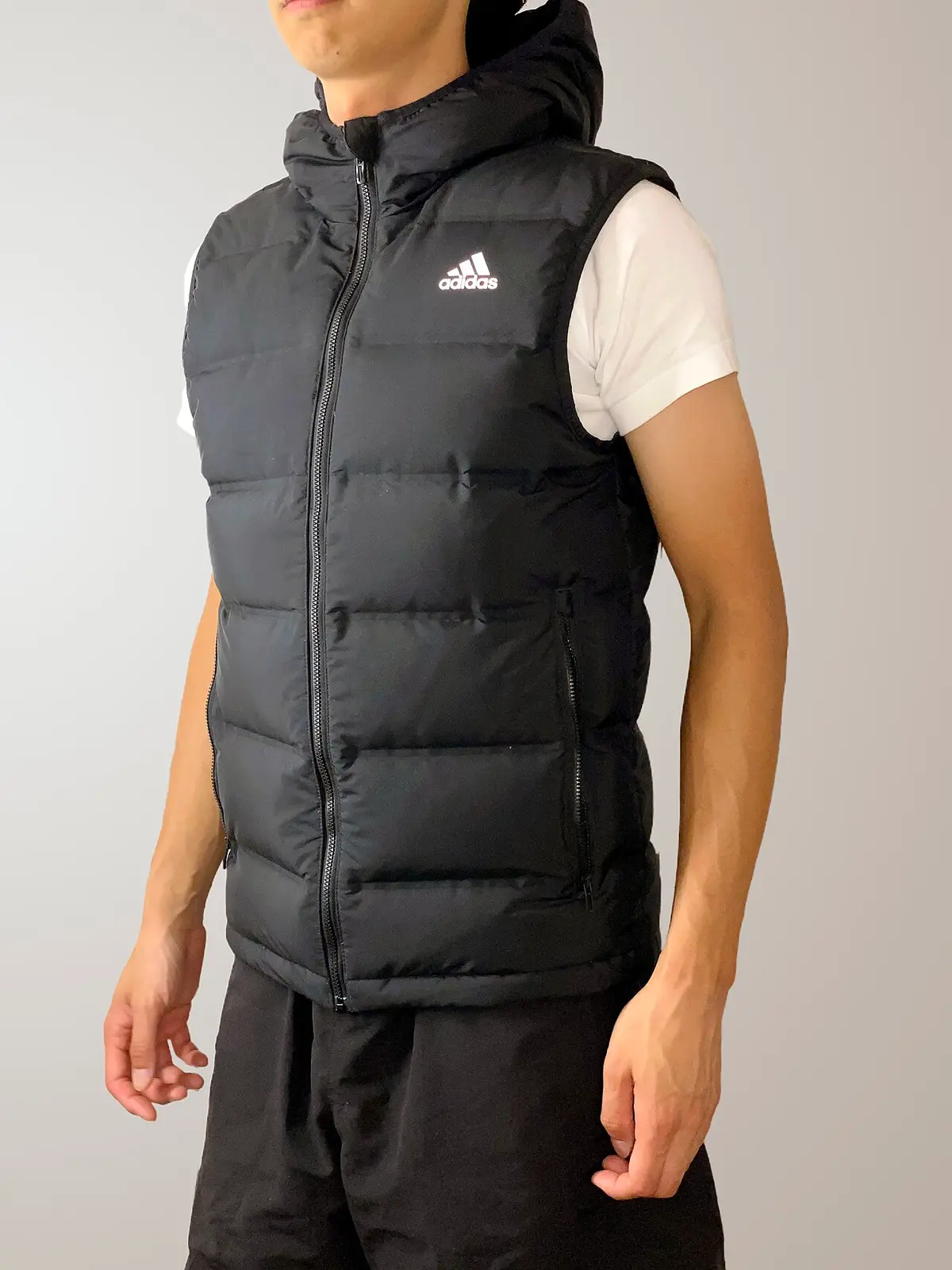
Down garments come in styles that change how much warmth you get from a given amount of down. A vest warms the core and leaves the arms free, a good layer for active use in cool weather and a way to add warmth under a shell without bulk. A jacket with sleeves and a hood adds insulation to arms and head and is the common choice for camp and cool days. A parka is longer, with more down and often a deep hood and a draft skirt, for deep cold and standing still. A hooded design adds warmth and keeps wind off the head, while a hoodless design pairs better with a separate hat and layers under a shell.
Think about how you use it. A hiker who wants a light, packable layer for rest stops might choose a hoodless jacket with 800 fill and 3 to 4 ounces of down. A winter camper might want a hooded parka with 7 to 10 ounces of down. A person who stands around at games or watches wildlife in cold weather wants length and a high collar. A runner might choose a thin vest. Consider also whether you will wear it over other layers, in which case you may want a size up, and how it fits under a shell. Test the jacket with the layers you plan to use. Style affects warmth as much as numbers do.
What the shell fabric changes
The outer fabric holds the down in and keeps wind out, and its weight and weave affect both. Light shells of 10 to 15 denier save weight and feel delicate. They are fine for careful use and tear more easily on branches and rock. Mid-weight shells of 20 to 40 denier are tougher and add a few ounces, making them good for general use. A tight weave stops down from poking through and reduces wind chill. A DWR finish helps shed light snow and mist, and a membrane shell with a waterproof layer gives more protection but less breathability and more weight.
Look at the stitching and baffles: bar-tacked seams reduce down leakage, and a lining that is also down-proof helps. Check the zippers: a full-length zipper with a storm flap blocks wind, and a zipper garage prevents chin rub. A good shell and good construction can extend a jacket's life beyond a decade, while poor ones leak down and shed warmth.
What to do when a jacket loses loft or leaks down
Over time, a jacket may feel flatter or thinner. Often it is dirty: body oil and grime weigh down the clusters. A careful wash and a thorough low-heat dry with dryer balls usually restore much of the loft. If a jacket is still thin after washing, the down may have broken down with age, and adding down is a job for a repair shop. A jacket that leaks feathers through the shell has small holes or poor construction. Patch holes with ripstop tape on the inside and outside, and wipe feathers away gently without pulling them out, since pulling enlarges the hole.
Avoid storing the jacket compressed. Hang it in a closet or store it loose in a large cotton bag. Before the next season, check seams and zippers and fluff the jacket in a dryer on low heat for a short time. If it smells musty, air it outside on a dry day. These steps keep a down jacket working for many winters.
Budget notes
Down jackets span a wide price range, and the price reflects fill power, fill weight, shell fabric and construction quality. A budget jacket with 550 to 650 fill and a thicker shell gives decent warmth and may weigh a pound or more. A mid-range jacket with 700 to 800 fill is lighter and compresses better. A premium jacket with 850 to 900 fill and a very light shell can cost several times as much and weighs half as much. Think about what you gain per dollar: spending twice as much to save four ounces is worth it if you carry the jacket for days, and not for casual wear.
Care
Wash down jackets only when needed, with a down-specific cleaner in a front-loading machine, and dry them on low heat with clean dryer balls until the down lofts evenly and no clumps remain. Store jackets loose or hung, not compressed. Keep them away from sharp objects and sparks. Repair small holes immediately with patch tape to stop down from escaping. A well-kept jacket can last a decade or more.
Common mistakes to avoid
- Comparing jackets by fill power alone.
- Ignoring the baffle design, hood and fit.
- Paying for 900 fill when you will not carry the jacket.
- Wearing a down jacket in rain without a shell.
- Compressing the jacket for months in a stuff sack.
- Washing with ordinary detergent or drying on high heat.
- Treating "hydrophobic" as waterproof.
Frequently asked questions
Is 800 fill power warmer than 600?
Per ounce, yes, because the down is more efficient. A jacket's warmth depends on fill weight and design as well, so an 800 fill jacket with little down can be less warm than a 600 fill jacket with a lot.
What is a good fill power for a down jacket?
For everyday and casual use, 550 to 650. For hiking and general outdoor use, 700 to 750. For lightweight backpacking and mountain use, 800 to 850 or higher. Choose by how you use the jacket and what you will pay.
Why is fill weight important?
It tells you how much insulation is actually in the jacket. Fill power measures efficiency, but without enough down, even the best quality will not keep you warm. Always compare both numbers.
Can I wear a down jacket in the rain?
Only under a waterproof shell or briefly. Wet down loses its insulating power. Treated down helps with light moisture, but a rain jacket is the safe way to protect it.
How do I wash a down jacket?
Use a down cleaner in a front-loader on a gentle cycle, rinse twice and dry on low heat with dryer balls until completely dry. Avoid fabric softener and high heat.
Do I need a down jacket or a synthetic one?
Down is lighter and warmer for its weight in dry cold, and synthetic is better in wet conditions and cheaper. Many people own one of each and choose by trip.
Sources & further reading
- Switchback Travel: Down Fill Insulation Explained
- Field Mag: Down Fill Power Guide
- Outdoor Research: Demystifying Down Fill Power
Image credits
- "Adidas Helionic Down vest" by Adenosine Triphosphate, CC BY-SA 4.0, via Wikimedia Commons.
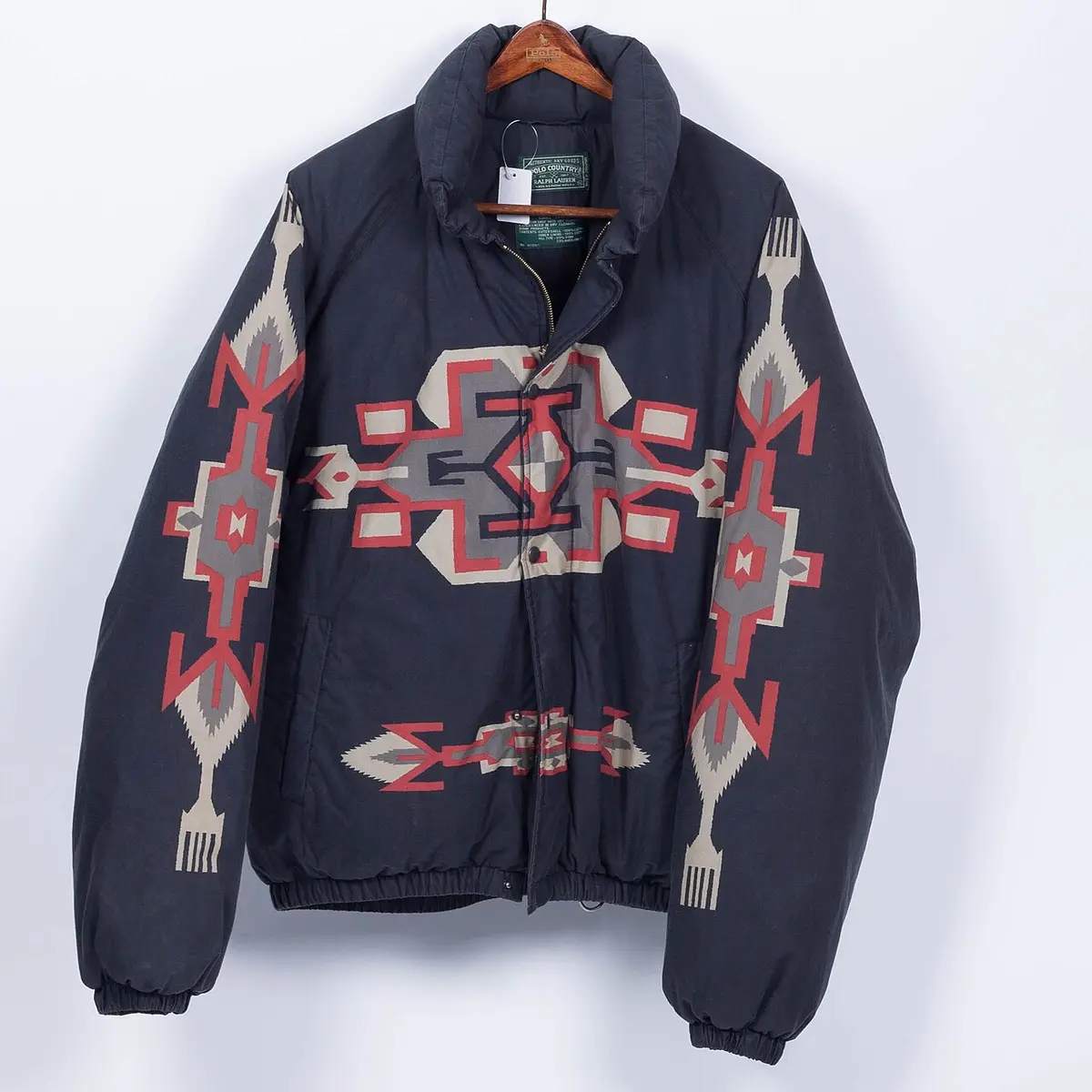
- "Polo Ralph Lauren down jacket with Aztec style print" by Menswear Market, CC BY 2.0, via Wikimedia Commons.


Ready to buy?
Compare the gear: Clothing & Footwear
6 Best Down Jackets Under 50 in 2026
Best down jackets under $50: six packable puffers for camping and cold weather compared on fill type, water resistance, hoods and pockets.
6 Best Down Jackets Under 75 in 2026
Best down jackets under $75: six packable puffers compared on fill, DWR coating, pockets and warmth for cold camping, hiking and travel.
5 Best Down Jackets Under 150 in 2026
Best down jackets under $150: five real-down jackets from a packable 650-fill layer to long 700-fill parkas, compared on fill, water resistance and length.
6 Best Down Jackets Under 100 in 2026
Best down jackets under $100: six puffers and parkas compared on real down fill, fill power, shell and hood design for winter camping and travel.
5 Best Down Jackets Under 200 in 2026
Best down jackets under $200: a 650-fill Columbia down jacket and four cheaper puffers and parkas compared for winter camping, hiking and travel.
6 Best Down Jacket For Men Backpacking in 2026
Best men's down jackets for backpacking: Rab, Outdoor Research, Columbia and Eddie Bauer down jackets compared for fill power, packability and weather.
5 Best Down Jackets For Mountaineering in 2026
Best down jackets for mountaineering: 800-fill Rab and Pioneer Camp alpine jackets plus lighter options, compared for warmth, shell and hood fit.
6 Best Puffer Jacket Men S Under 100 in 2026
Best men's puffer jackets under $100: packable, water-resistant puffers from about $17 to $42, compared for warmth, hoods and pockets.
Keep reading