
Practical Camping Guide · 12 min read
Waterproof vs Non-Waterproof Hiking Footwear
Waterproof membranes keep water out but trap sweat and slow drying. Learn when each type wins by climate, trip and care.

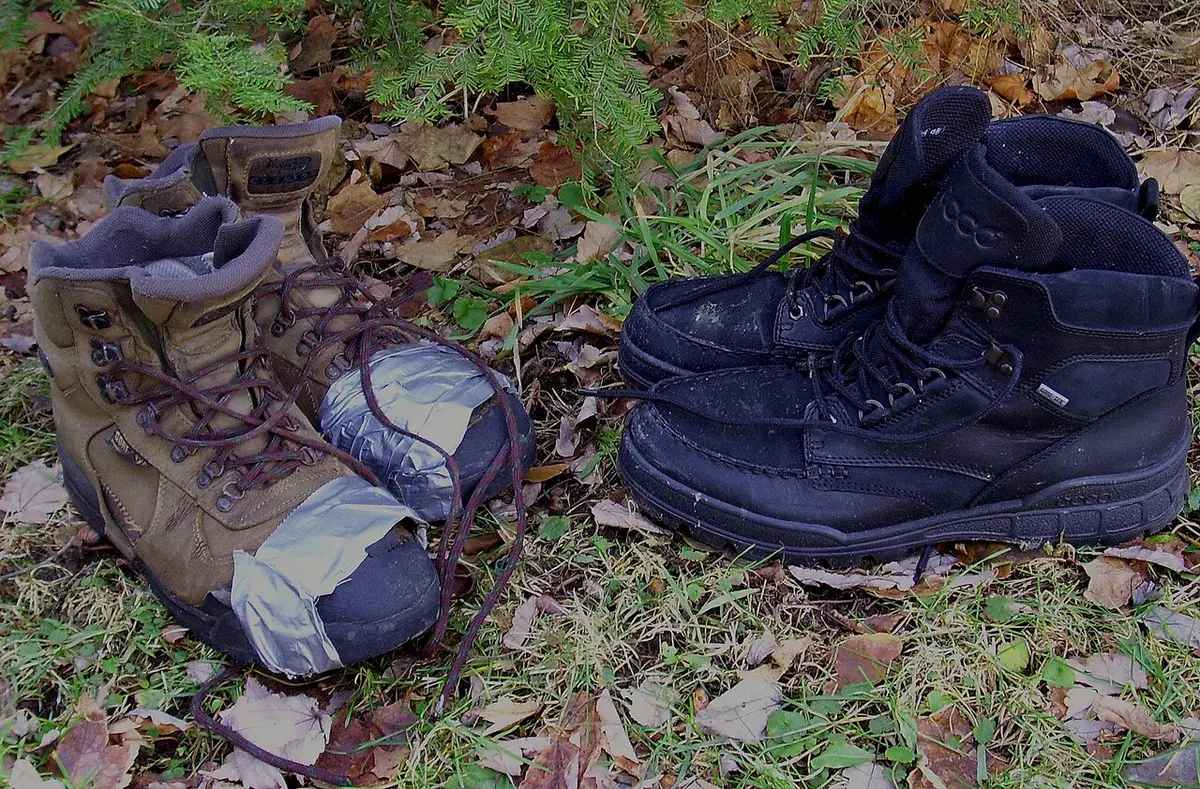
Waterproof hiking footwear uses a membrane liner (often Gore-Tex or a house equivalent) that stops water from coming in through the upper, but it also slows the escape of sweat and, once water gets in over the top, it cannot drain. Non-waterproof footwear breathes better, feels cooler and dries much faster. Choose waterproof for cold, wet, snowy or muddy trails and short stream crossings, and non-waterproof for hot weather, long distance and trails with frequent deep water crossings.
The decision is a trade-off between keeping water out and letting sweat out, because a foot produces roughly half a pint of sweat a day. In a waterproof shoe on a warm day, that moisture builds up, and wet feet from sweat are no better than wet feet from rain. This guide explains how membranes work, when waterproofing pays off, when it backfires, how to compare the two types on drying time, temperature, weight, cost and durability, and how to manage moisture with socks and care.
How waterproof footwear works
A waterproof boot or shoe contains a thin membrane layer sandwiched between the outer fabric and the inner lining. The membrane has microscopic pores that are far smaller than a water droplet but much larger than a water vapor molecule, so liquid water cannot pass inward while vapor can pass outward. The best-known versions are Gore-Tex and similar brand-name membranes, and many brands have their own treatments. Some budget footwear uses a waterproof lining that is closer to a sock-like bootie with seams, and a simple waterproof coating on the upper.
The membrane does not make the boot invulnerable. Water enters from the top, through the collar, whenever you step in water deeper than the boot's height or when rain runs down your pants into the shoe. Once water is inside, a waterproof liner traps it, and the shoe can take a long time to dry. The membrane also reduces the breathability of the upper, which is less of an issue in cold air and more of an issue in the heat.
Where waterproof wins
Waterproof footwear is the better choice in several conditions.
- Cold, wet weather. Wet feet lose heat quickly, and a dry foot stays warmer. In cold rain or slush, a membrane helps keep the interior dry for hours.
- Snow. Melting snow soaks through breathable shoes. Waterproof boots with gaiters keep feet dry in wet snow.
- Muddy trails and wet grass. Dew and puddles are no problem for a waterproof upper.
- Short stream crossings and puddles. Below ankle depth, the membrane works as intended.
- Everyday use. For walks in the rain in town or at camp, waterproof shoes are comfortable and practical.
Waterproof boots are often the pick for cold, wet places, and our shop lists include the best hiking boots for women waterproof, the best hiking boots under $100 and the best hiking shoes under $100, where many models include a membrane.
Where non-waterproof wins
Non-waterproof footwear has its own strengths.
- Hot weather. Breathable uppers let heat and sweat out, which keeps feet cooler and drier. A waterproof shoe in 85 degree heat often feels like a sauna.
- Frequent water crossings. Mesh shoes drain through the sides and dry in an hour or two, while a waterproof shoe that fills with water stays wet.
- Long-distance hiking. Many thru-hikers choose non-waterproof trail runners because wet shoes dry on the go and foot health improves.
- Light weight. A membrane adds weight, about 2 to 4 ounces per pair, and reduces flexibility.
- Cost. Non-waterproof options generally cost less, and wear out faster.
- Dry climates. If it rarely rains, a membrane adds nothing.
Drying time and moisture management
Drying time is the hidden cost of waterproofing. A mesh trail runner soaked in a creek is damp for an hour or two in warm weather. A waterproof boot with a membrane and a leather upper can take a day or more to dry, especially when the inside is wet from sweat. Wet footwear and cold nights are a poor mix, so plan for drying; see how to dry wet hiking boots for safe methods.
Sweat is the source of most moisture inside a waterproof shoe. In warm weather, feet sweat heavily, and a membrane that cannot vent fast enough leaves the sock damp. Wool or synthetic socks wick moisture and keep feet warmer when wet, and a second pair of socks in your pack lets you change at lunch. Avoid cotton.
Weight, flexibility and cost
A waterproof model weighs a few ounces more than the same non-waterproof shoe, and the upper is less flexible, which can make the shoe feel stiffer. Costs range upward: membrane versions typically cost 20 to 50 dollars more at similar quality levels. Cheap waterproof shoes may use a thin bootie that wears out and leaks at seams after a season, and a membrane's performance fades as the outer fabric wets out and the durable water repellent (DWR) coating wears off.
| Feature | Waterproof | Non-waterproof |
|---|---|---|
| Breathability | Lower | Higher |
| Drying time | Slow | Fast |
| Cold, wet performance | Better | Poor |
| Hot-weather comfort | Poorer | Better |
| Weight | Higher | Lower |
| Cost | Higher | Lower |
| Water from above | Traps it | Drains it |
| Best for | Snow, rain, mud | Heat, crossings, long distance |
Climate and trip type
Pacific Northwest, Northeast and other wet climates. Waterproof makes sense for cool, rainy days, but in summer humidity, mesh shoes that dry quickly may feel better. Many hikers keep one pair of each.
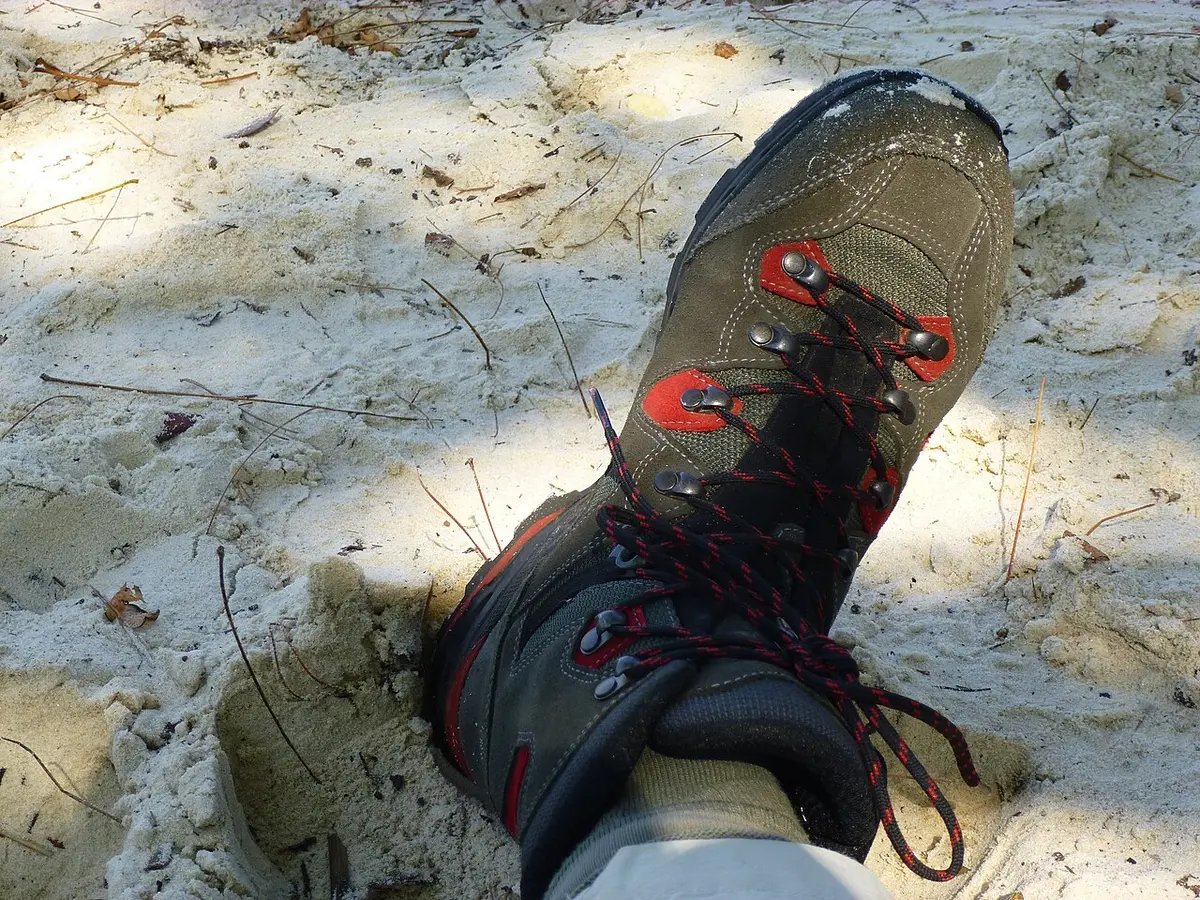
Desert Southwest and dry mountains. Non-waterproof, breathable shoes work well. Flash floods and creek crossings call for shoes that drain.
Winter. Waterproof, insulated boots are the standard, with gaiters in deep snow. See winter boot temperature ratings explained.
Tropical and humid. Non-waterproof shoes dry faster; a waterproof shoe in constant humidity does not dry at all.
Mixed terrain. A waterproof hiking shoe is often a good all-around choice if you do not cross deep water. Compare options in the main footwear guide, hiking boots vs hiking shoes vs trail runners.
Special groups: women, wide feet and kids
Women's models often have a narrower heel and more forefoot room, and many offer waterproof versions. Look at the best hiking shoes for women's wide feet if you need extra width. Kids' feet get wet in puddles, and a waterproof shoe can keep them comfortable, though they also sweat; the best hiking shoes for kids list covers options. For men's budget options, see the best hiking shoes for men under $100.
For every group, fit is the first rule, as covered in how hiking boots should fit. A waterproof shoe that does not fit well is worse than a non-waterproof shoe that does.
Testing and choosing for your own feet
Some people run hot and sweat heavily, and some run cold and rarely sweat, so the same shoe works differently for each. Pay attention to your own pattern. If your socks are damp after an hour of hiking in mild weather, a membrane will make that worse, and a breathable shoe with a quick-drying sock is the better choice. If your feet are rarely sweaty and you hike in cool, damp conditions, a membrane is a comfortable shield.
A practical test is a backyard or neighborhood hose test. Fill a shallow tub with an inch or two of water, stand in the shoes with dry socks for a few minutes and check for leaks and dampness. It will not tell you about sweat, but it shows whether the seams and the tongue gusset are working. For sweat, take a two-hour hike in the weather you expect and check your socks at the end. This direct experience is worth more than any marketing claim about breathability.
Layering your foot system for wet weather
The footwear is one layer in a system that also includes socks, gaiters and pants. In cold rain, a waterproof boot, a gaiter that overlaps it, a wool sock and rain pants that fall over the gaiter keep water out on the main routes where it enters. In warm rain, a breathable shoe, thin wool socks and bare legs are more comfortable, with the understanding that feet will get wet and that the strategy is to keep them moving, dry them at breaks and care for skin.
Skin care matters. Wet skin softens and blisters more easily, so stop at the first hot spot and apply tape or a blister pad. Air out your feet at lunch by removing shoes and socks and wringing out the socks. Powder or an anti-chafe balm reduces friction. At camp, change into dry camp shoes and socks and hang the wet ones to dry. In a long trip, rotate two pairs of socks. These habits keep feet healthy whichever shoe you choose.
When the membrane wears out
Membranes do not last forever. Signs of failure include leaks along the seams, a damp interior after a short wade, outer fabric that darkens and soaks through instead of beading and a faint musty smell that does not go away after drying. Often the cause is a clogged or worn outer layer, not a dead membrane, and a good cleaning and a fresh water-repellent treatment restore performance. If water continues to seep in after cleaning, the membrane or the seam tape has failed, and the footwear is best replaced or relegated to dry days.
Prevent early failure by avoiding abrasion from sand and grit, drying footwear slowly and not storing it damp. Rotating pairs extends life, since the membrane and liner get a chance to dry. Budget footwear may last one season of heavy use, and premium footwear a few years, so factor the expected life into the price.
Maintaining waterproof footwear
Waterproof footwear needs care to keep working. Clean mud and dirt after trips, because grime clogs the membrane's pores and reduces breathability. Brush off dried mud, rinse with water and a soft brush, and let the footwear dry at room temperature, away from heat. Avoid heaters, fires and car vents, which can damage glues and membranes and crack leather.
Restore the outer water repellent when water stops beading on the surface. Use a spray-on or wash-in treatment made for footwear, applied to clean, damp footwear. Leather benefits from conditioners and waxes, but follow the maker's guidance, because some treatments reduce breathability. Replace insoles when worn out. For leather boots, see how to break in hiking boots.
A worked example: one pair or two?
Suppose a hiker spends about 30 days a year on trails in a region with wet springs, hot summers and cold, snowy winters. Consider three ways to equip her feet. Option one is a single waterproof boot for everything. It handles spring mud and winter snow well and suffers in July heat, where the membrane traps sweat and the heavy upper makes her feet swell. Option two is a single breathable trail runner. It is a comfort in summer, a risk in snow and a poor insulator in the cold. Option three is two pairs: a waterproof hiking shoe or boot for cold and wet months and a breathable trail runner for summer.
The third option costs more up front, but it spreads wear across two pairs, so each lasts longer, and it matches the footwear to the conditions on the day. If the budget allows only one pair, the choice depends on where most of the 30 days fall. If twenty are in cool, wet conditions, buy the waterproof pair. If twenty are in hot, dry conditions, buy the breathable pair and add gaiters or waterproof socks for the cold. The principle is to buy for the conditions you will face most often, and to compensate with socks and layers for the rest.
What the labels really promise
Product listings use several terms that sound alike. "Waterproof" usually means a membrane or a bootie with sealed seams, with a stated resistance to water entry. "Water-resistant" means a coated or treated upper that sheds light rain and splashes but will soak through in sustained wet. "Water-repellent" refers to a surface treatment such as DWR, which makes water bead up and is not a barrier by itself. "Breathable" is a claim about vapor transmission and is rarely quantified for footwear. "Quick-drying" suggests mesh and thin linings.
When you shop, look for the specific term the maker uses and any named membrane. A listing that says "waterproof" with a branded membrane or a described bootie construction is more informative than a vague claim. Check the height of the waterproof zone: some shoes have a waterproof membrane that ends at the ankle, and a gusseted tongue that is sewn to the upper to keep water out at the front. A gusset height of a couple of inches is common, and deeper water will always come in over the top.
Practical rules of thumb
- If the forecast is rain and temperatures under about 55 degrees, wear waterproof footwear.
- If it is above about 80 degrees, choose breathable footwear, even if rain is likely, and plan to dry out.
- If your route has repeated crossings deeper than your ankle, choose footwear that drains.
- If you will be on snow or in slush all day, choose waterproof, insulated footwear with gaiters.
- If you are unsure, bring a spare pair of dry socks, which solves many problems.
- If you hike in the same shoes year-round, pick a waterproof model with a good liner and carry a spare pair of lightweight socks for summer.
Gaiters and other solutions
Gaiters, fabric sleeves that cover the top of the shoe and the lower leg, extend water protection to the top, keeping out rain, debris and snow. A low gaiter works with trail runners and keeps gravel out, and a tall gaiter adds splash protection for boots. Waterproof socks are another option: a membrane sock layer worn inside a non-waterproof shoe keeps water out and lets sweat escape in a similar way to a boot membrane. They add cost and can wear out, but offer flexibility. Rain pants that overlap the shoe keep water from running into the collar.
Waterproof socks, gaiters and hybrid strategies
If you cannot decide between waterproof and breathable, hybrid strategies split the difference. Waterproof socks, a thin membrane layer worn between a liner sock and a boot or shoe, keep water out of mesh footwear while letting sweat escape in a similar way to a boot membrane. They add cost, can wear out at seams and can feel warm in heat, but they let you use a light, fast-drying shoe in cold, wet conditions. Gaiters keep debris, snow and splash out of the top of the shoe and protect the lower leg, and they work with both waterproof and non-waterproof footwear.
Another option is to match the footwear to the day: wear waterproof boots for cold, wet days and breathable shoes for warm, dry ones. A third approach is to accept wet feet in warm weather, wearing merino socks and taking care of skin, which many long-distance hikers do. Whichever strategy you choose, keep a clean, dry pair of socks for camp, and let your shoes dry fully between days when you can.
Common mistakes to avoid
- Wearing waterproof shoes in hot, humid weather and getting sweaty feet.
- Wading through water deeper than the boot top and then blaming the membrane.
- Drying boots by a fire, which damages materials.
- Skipping cleaning and letting dirt clog the membrane.
- Wearing cotton socks in any footwear.
- Choosing waterproof for long-distance trips where drying time matters most.
- Neglecting to re-treat the outer fabric.
Frequently asked questions
Are waterproof hiking shoes worth it?
In cold, wet, snowy or muddy conditions, yes. In hot weather or on trails with deep stream crossings, they can be a disadvantage because they trap sweat and water. Choose by climate and trip type.
Do waterproof shoes keep my feet dry forever?
No. They keep water out through the upper, but water can enter from the top, and sweat stays inside. Over time the membrane and the outer coating wear, and the shoe may leak.
Why do my waterproof boots feel hot?
The membrane limits how fast sweat vapor escapes, and in warm weather your foot produces more moisture than the membrane can pass. Choose breathable footwear for hot trips and wicking socks to help.
How do I dry waterproof boots?
Remove the insoles, loosen laces, stuff with paper or use a boot dryer at low heat, and let them air dry at room temperature. Never use direct heat, which can damage the membrane and glue.
Can I make my non-waterproof shoes waterproof?
You can add waterproof socks, gaiters or a spray, but sprays only repel water at the surface and do not make a mesh shoe waterproof. For reliable protection, buy a waterproof model.
What socks work best with waterproof shoes?
Merino or synthetic hiking socks that wick moisture. Carry a spare pair and change if your feet get damp. Avoid cotton.
Sources & further reading
Image credits
- "Hiking boots" by The original uploader was Daniel Case at English Wikipedia., CC BY-SA 3.0, via Wikimedia Commons.
- "Wandestiefel im Sand" by Rosa-Maria Rinkl, CC BY-SA 4.0, via Wikimedia Commons.


Ready to buy?
Compare the gear: Clothing & Footwear
5 Best Hiking Boots For Women Waterproof in 2026
Women's waterproof hiking boots compared on sealed construction, suede and leather uppers, ankle support and traction for wet trails.
6 Best Hiking Boots Under 100 in 2026
Six waterproof hiking boots under $100, from Columbia leather models to lightweight budget brands, compared on traction, comfort and durability.
6 Best Hiking Shoes For Womens Wide Feet in 2026
Women's hiking shoes for wide feet: Wide-size Columbia, Merrell and NORTIV 8 picks plus roomy-fit alternatives, with width notes on every listing.
6 Best Hiking Shoes Under 100 in 2026
Men's hiking shoes under $100 compared on waterproofing, toe protection, traction and fit, from a Columbia Crestwood to leather budget picks.
5 Best Hiking Shoes For Kids in 2026
Best hiking shoes for kids: KEEN waterproof leather, Mishansha buckle and quick-lace sneakers and a wide-toe barefoot style compared for family trails.
6 Best Hiking Shoes For Men Under 100 in 2026
Best men's hiking shoes under $100: Merrell, KEEN, NORTIV 8 and bargain trail shoes compared for traction, waterproofing and how far the budget goes.
5 Best Hiking Shoes For Men Waterproof in 2026
Best waterproof hiking shoes for men: KEEN, SHULOOK and three NORTIV 8 designs compared for membranes, tongue seals, traction and weight.
5 Best Hiking Shoes For Men Wide Feet in 2026
Best hiking shoes for men with wide feet: NORTIV 8 wide-fit waterproof shoes, a barefoot slip-on and a Merrell reference pair compared.
Keep reading