
Practical Camping Guide · 12 min read
Hiking Boots vs Hiking Shoes vs Trail Runners
Compare hiking boots, hiking shoes and trail runners on support, weight, protection, drying time, durability and cost to pick the right footwear.

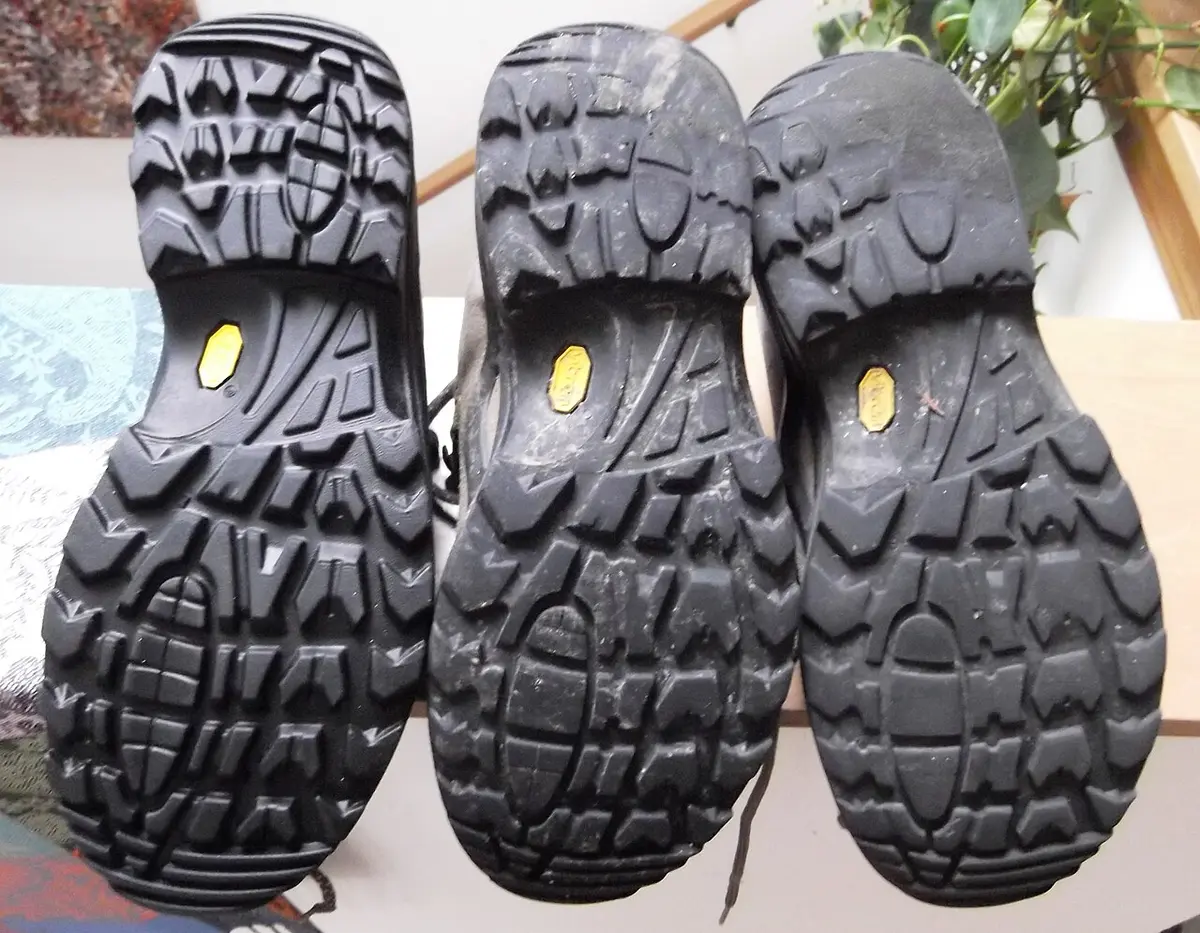
Hiking boots give the most ankle support, protection and durability, and suit heavy packs, rough terrain and wet or cold conditions. Hiking shoes are low-cut and lighter, with more protection than a running shoe, and fit day hikes and moderate trails. Trail runners are the lightest and most breathable, dry fastest and cost the least in weight, and work for most hikers on most trails if the pack is light. Choose by pack weight, terrain, weather and how much support your feet and ankles actually need.
The old rule that real hikers wear boots has weakened. Long-distance hikers carry light packs and favor trail runners, while those carrying heavy loads over rough ground still benefit from boots. This guide compares the three categories on support, weight, protection, comfort, drying time, durability and cost, explains the science behind each claim, looks at special cases like plantar fasciitis, wide feet and winter, and ends with a decision table you can use before you buy.
What each category is
Hiking boots have a high cuff that covers the ankle, a stiff midsole, a thick outsole with deep lugs and often a leather or heavy synthetic upper. Light hiking boots, or "midweights," bend more easily than backpacking boots, which are stiff and designed for heavy loads. Mountaineering boots are heavier still, with rigid soles for crampons.
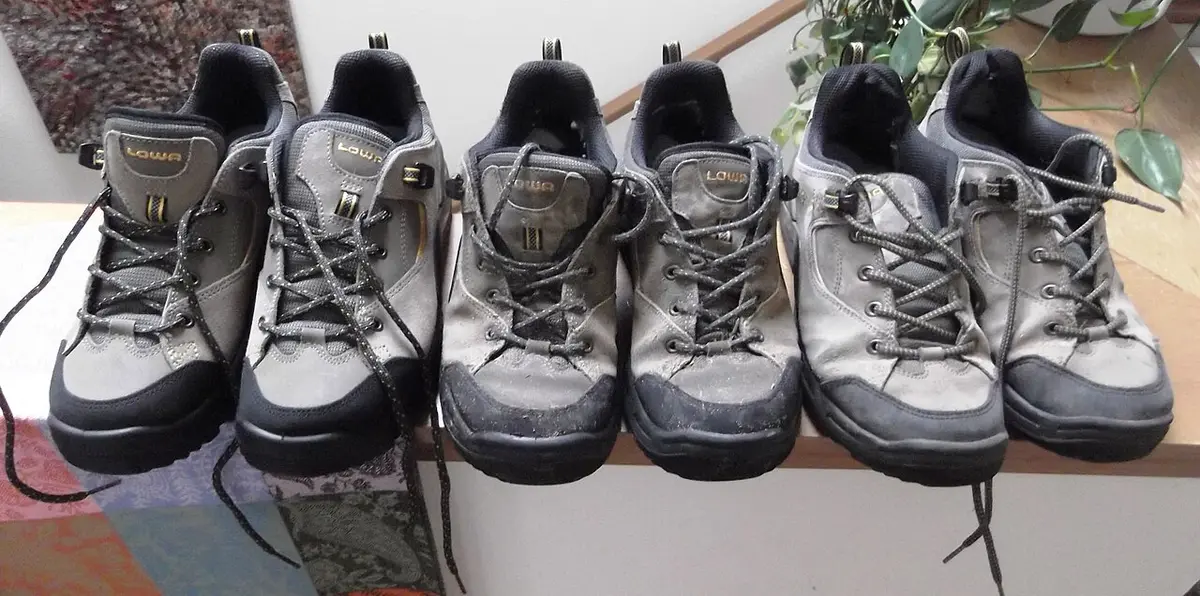
Hiking shoes are low-cut, with a stiffer sole than a running shoe and a sturdier upper, sometimes with a toe cap. They offer more protection than trail runners and less support than boots.
Trail runners are running shoes built for dirt, with sticky outsoles, flexible midsoles, breathable mesh uppers and minimal structure. They are cushioned and light.
Support and stability
The claim that boots protect ankles is partly true. A high cuff limits how far the ankle can roll, but the effect is small compared with the support from strong ankles, a good fit and practice. Research on ankle support from high-top footwear is mixed, and many hikers roll ankles in boots as well. Where boots clearly help is carrying heavy loads, where a stiff midsole and a supportive structure reduce foot fatigue, and in rough terrain with loose rocks, where a high cuff keeps debris out.
Trail runners rely on a flexible, cushioned platform and on your own balance. On smooth to moderate trails with a light pack, they perform well. On steep, rocky, off-trail travel with a heavy pack, they can feel unsteady. Hiking shoes sit between the two. If you have a history of ankle sprains, a boot may give you peace of mind, and ankle-strengthening exercises are a long-term solution.
Weight and fatigue
Weight on your feet matters more than weight on your back. A common rule of thumb in biomechanics is that a pound on the feet feels like several pounds on the back because you lift it with every step. Boots weigh 2 to 3.5 pounds per pair, hiking shoes 1.5 to 2.5 pounds, and trail runners 1 to 2 pounds. Over a day of 20,000 steps, a pound difference in footwear adds up to a lot of work.
| Feature | Boots | Hiking shoes | Trail runners |
|---|---|---|---|
| Typical weight (pair) | 2 to 3.5 lb | 1.5 to 2.5 lb | 1 to 2 lb |
| Ankle coverage | High | Low | Low |
| Midsole stiffness | Stiff | Medium | Flexible |
| Breathability | Low to medium | Medium | High |
| Drying time | Slow | Medium | Fast |
| Water resistance | Often waterproof | Optional | Usually mesh, not waterproof |
| Durability | 500 to 1,000+ miles | 400 to 700 | 300 to 500 |
| Best pack weight | Over 30 lb | 15 to 30 lb | Under 25 lb |
| Price | Higher | Medium | Medium to low |
Protection from terrain and weather
Boots protect your feet better from sharp rocks, roots and stubbing, with stiff soles and rubber toe caps. They keep out snow, mud and loose scree, and a waterproof boot keeps feet dry through shallow stream crossings and wet grass. In snow and cold, boots offer insulation and room for warm socks.
Trail runners have thin uppers that let in water and debris, but they drain and dry quickly. Many hikers accept wet feet and rely on quick drying and wool socks. Hiking shoes are in the middle, and waterproof versions keep out moisture in light rain. In a hot, dry climate, breathability matters more than waterproofing, and trail runners excel. For wet climates, think about drying time as much as keeping water out. See waterproof vs non-waterproof hiking footwear for the trade-offs.
Comfort and break-in
Trail runners usually need little break-in, because they are soft and flexible. Hiking shoes need some, and boots need the most, especially stiff leather models. Comfort depends on fit above all, as explained in how hiking boots should fit. Cushioning in trail runners feels soft and forgiving at the start, though it compresses over time, and stiff boots may feel harsh for a day hike on pavement.
For people with foot conditions, support matters. A stiff midsole and an arch-supporting insole help with plantar fasciitis, so the right category may be a supportive boot or shoe. Check the lists of the best winter hiking boots for plantar fasciitis, the best women's hiking boots for plantar fasciitis and the best women's hiking shoes for plantar fasciitis for models that emphasize support. For wide feet, the best winter hiking boots for wide feet list highlights wider lasts.
Durability and cost
Boots last longest, often 500 to 1,000 miles or more with resoling, and leather boots can be rebuilt. Trail runners wear out in 300 to 500 miles because the foam compresses and the mesh tears. Hiking shoes sit in the middle. Over time, boots may cost less per mile, though the initial price is higher. For casual hikers who walk a few times a year, durability is less important than comfort and fit.
For budget shoppers, the best waterproof hiking boots under $100 list shows options that include waterproof liners. For wet, cold regions, the best waterproof hiking boots for Iceland look at models designed for rain, mud and river crossings.
Pack weight and terrain: the decision rule
A useful rule links footwear to pack weight and terrain.
- Day hikes with a light pack on maintained trails: Trail runners or hiking shoes.
- Overnight trips with 20 to 30 pounds on mixed terrain: Hiking shoes or light boots.
- Multi-day trips with 30 pounds or more, rough or off-trail terrain: Boots.
- Wet, cold or snowy conditions: Waterproof boots with insulation.
- Hot, dry conditions: Breathable trail runners or shoes.
- Long distance with a light pack: Trail runners, with a half size or more of extra room.
Terrain complicates the rule. Rock scrambling and talus fields reward stiff soles and protective toe caps, while smooth forest paths do not. Stream crossings favor quick-drying shoes, and cold mud favors boots.
Special cases: winter, kids and fit
Winter hiking needs insulation and waterproofing, and boots designed for it come with temperature ratings that need careful reading; see winter boot temperature ratings explained. Kids' feet grow, so trail runners or shoes are often practical for them, with a thumb's width of room. For all categories, the fit principles apply, and a poorly fitted boot is worse than a well-fitted trail runner.
The case for trail runners, and its limits
Trail runners took over long-distance hiking for specific reasons. Their light weight reduces fatigue over many miles, their breathable mesh keeps feet cooler and their quick drying shortens the time feet stay wet. Wet feet are not the problem that people fear: skin issues come from prolonged moisture and friction, and shoes that dry in an hour or two let skin recover. Wool or synthetic socks keep feet warm even when wet.
The limits are real. The thin upper offers little protection against rocks and roots, so stubbed toes hurt, and the soft platform can strain feet under heavy loads, since the midsole compresses and the arch gets little support. Mesh also tears on sharp rock and brush. Trail runners offer little insulation, so they are cold in snow, and many have narrow toe boxes unless you pick wide models. The right approach is to test them on your own trails with your own pack weight, and add a supportive insole if your arches need it.
The case for boots, and its limits
Boots earn their place when conditions are rough. A stiff midsole spreads the load of a heavy pack across the foot, a protective rand shields the sides from rock, and a high cuff keeps pebbles and snow out. For off-trail travel, scrambling, snow and cold, they are the safer tool. A good leather boot also lasts for years and can be resoled.
Their limits are weight, heat and slow drying. A wet leather boot can take a day or more to dry, and a waterproof boot that fills from the top will not drain, leaving you with soaked feet. Boots can feel hot in summer, and a stiff boot on a smooth trail can cause foot fatigue, because the sole does not flex with your stride. If you rarely carry more than a day pack, a boot may be more shoe than you need.
Hiking shoes: the middle path
Hiking shoes suit people who want more protection than a trail runner and more freedom than a boot. They have a stiffer, more durable sole and a sturdier upper, often with a rubber toe cap and a bit of waterproofing. They weigh a little more than trail runners, and they work well for day hikes, moderate overnights and mixed terrain. For wet, rugged ground, a mid-height hiking shoe with a gusset can add ankle coverage without boot weight.
Choose a hiking shoe if you want one pair for travel, day hikes and light backpacking. Many hikers start with shoes and move toward boots or trail runners as they learn what they like. The key is to match the shoe to the trip, not the label.
Care and lifespan
Clean mud off after each trip, dry footwear at room temperature away from heat, and replace insoles when they flatten. Rotate two pairs if you hike often, which lets each pair dry and extends its life. Look at the outsole and the midsole: when lugs are worn smooth or the midsole creases deeply and feels flat, replace the footwear. For drying wet footwear, see how to dry wet hiking boots, and for breaking in leather boots see how to break in hiking boots.
Three hikers, three choices
The weekend day hiker. Two to four hikes a month on maintained trails in a temperate climate, with a small pack holding water, lunch and a jacket. Her load is under 12 pounds. A pair of hiking shoes or trail runners gives all the traction and cushioning she needs, and the weight savings make the miles feel easier. If her trails are muddy, a waterproof shoe helps. She would be slowed, not protected, by heavy boots.
The three-day backpacker. He carries about 32 pounds over rolling mountain terrain, with a few steep, loose sections and stream crossings. A midweight waterproof boot, or a stiff hiking shoe if he travels light, offers the support to carry the load and the toe protection for rocky trail. He should test the boot with a full pack before the trip, and bring camp shoes for the evening.
The long-distance hiker. She walks 15 to 25 miles a day for months with a base weight under 15 pounds. Trail runners are the logical choice, replaced every 400 to 500 miles, with a half size to a full size of extra room for swelling. She carries gaiters for debris, merino socks and blister supplies, and accepts that feet will be wet and that shoes will wear out.
Socks and insoles change the answer
Footwear works as a system with socks and insoles. A medium cushion merino sock in a trail runner feels very different from a thin synthetic sock, and a good sock can cure a pressure point that a different shoe would not. Thicker socks and boots suit cold weather, while thin socks and breathable shoes suit heat. Insoles matter most for stiff, supportive footwear: replacing a flat stock insole with a contoured one improves arch support and reduces fatigue, though it takes up volume and may need a half size more room.
Trail runners often come with thin insoles that flatten within a few hundred miles, so replacing them mid-life can extend comfort. Boots often have removable insoles that accept orthotics. Test any change at home on short walks. A simple comparison, wearing the same sock in each of three shoes for the same hike, tells you more about fit and comfort than any chart.
A quick decision table
| If you mostly... | Start with | Because |
|---|---|---|
| Day hike on maintained trails | Trail runners or hiking shoes | Light, comfortable, quick drying |
| Carry over 30 pounds | Backpacking boots | Support and stiff sole |
| Hike in snow or cold wet mud | Insulated waterproof boots | Warmth and protection |
| Cross streams often | Trail runners | They drain and dry fast |
| Have plantar fasciitis | Supportive shoe or boot with insole | Arch support and cushion |
| Have wide feet | Wide-size shoe or roomy trail runner | Toe room without extra length |
| Hike in hot, dry climates | Breathable shoes | Cooler feet |
Transitioning between footwear types
Switching from boots to trail runners, or the reverse, takes adjustment. Feet and lower legs adapt to the new load: calves, arches and ankles do more work in a flexible shoe than in a stiff boot, and some hikers feel sore for a week or two after switching. Ease in with short hikes, build the distance and consider strengthening exercises such as calf raises, single-leg balance and toe splay. Going the other direction, from shoes to boots, may feel clunky at first, and your stride may change as you get used to the stiffer sole.
Do not switch right before a big trip. Use the new footwear for at least a month of regular training, with a loaded pack on the terrain you expect, and keep your old pair as a backup until you are sure. Many hikers own two types and choose by trip, which is expensive but practical. If you can own only one pair, pick the lightest footwear that matches your heaviest regular trip and add insoles or gaiters to cover the rest.
Matching footwear to the trail you actually walk
A good test is to look at the last five hikes you took and note the terrain, weather and pack weight. If most were dry day hikes on groomed trails with a light pack, you have been overbuying footwear if you wear stiff boots, and trail runners or hiking shoes will serve. If several involved snow, mud or loads of 30 pounds or more, boots earn their place. Choose for the trips you take most, not the trip you dream about, and rent or borrow for the rare big one. This simple review avoids the common error of buying a heavy boot for a few trips a year and wearing it on every walk.
Common mistakes to avoid
- Buying stiff boots for easy day hikes and getting sore feet.
- Choosing trail runners for heavy loads and off-trail terrain.
- Ignoring drying time in wet climates.
- Assuming a high cuff prevents ankle sprains.
- Skipping a fit test on a slope.
- Wearing cotton socks in any footwear.
- Keeping worn-out footwear too long.
Frequently asked questions
Do hiking boots prevent ankle injuries?
They limit extreme ankle movement, but the evidence for strong injury prevention is mixed. Fit, balance, strength and terrain matter more. Boots help most with heavy loads, rough ground and debris protection.
Are trail runners good for hiking?
Yes, for many hikers. They are light, breathable and comfortable, and they dry quickly. They work best with light packs and moderate terrain. For heavy loads or rugged ground, boots may be better.
Should I choose waterproof or non-waterproof?
Waterproof helps in cold, wet or snowy conditions and shallow crossings. Non-waterproof breathes better and dries faster, which suits hot weather and frequent wet crossings. Many hikers choose by climate.
How long do hiking boots last compared with trail runners?
Boots commonly last 500 to 1,000 miles or more, hiking shoes 400 to 700, and trail runners 300 to 500, depending on use and terrain. Inspect the sole and midsole and replace when worn.
Can I use trail runners in winter?
For mild, dry winter days, yes, with warm socks. For snow, deep cold or wet slush, insulated waterproof boots are safer. See the winter boot guide for ratings.
Which is best for wide feet?
Choose a model offered in wide sizes or from brands known for roomy lasts. Trail runners often have wide toe boxes, and some boots are available in wide versions. Try on several styles in the afternoon.
Sources & further reading
Image credits
- "These boots are made for walking - Flickr - brewbooks" by brewbooks from near Seattle, USA, CC BY-SA 2.0, via Wikimedia Commons.
- "These boots are made for walking - Flickr - brewbooks (1)" by brewbooks from near Seattle, USA, CC BY-SA 2.0, via Wikimedia Commons.


Ready to buy?
Compare the gear: Clothing & Footwear
6 Best Waterproof Hiking Boots For Iceland in 2026
Best waterproof hiking boots for Iceland: six women's boots compared on membrane, insulation, tread and fit for cold, wet, changeable trail weather.
4 Best Waterproof Hiking Boots Under 100 in 2026
Best waterproof hiking boots under $100: four membrane-lined men's and women's boots compared on toe cap, ankle support, midsole and traction.
4 Best Winter Hiking Boots For Plantar Fasciitis in 2026
Best winter hiking boots for plantar fasciitis: four insulated boots with orthopedic arch support or barefoot-style wide toe boxes, compared by fit.
4 Best Winter Hiking Boots For Wide Feet in 2026
Best winter hiking boots for wide feet: wide toe box winter boots and a -25F insulated pair compared on fit, warmth and grip.
4 Best Womens Hiking Boots For Plantar Fasciitis in 2026
Best women's hiking boots for plantar fasciitis: four orthopedic boots with listed arch support, wide toe boxes and waterproof options compared.
4 Best Womens Hiking Shoes For Plantar Fasciitis in 2026
Best women's hiking shoes for plantar fasciitis: three orthopedic hiking shoes plus a high-cushion trail runner, compared on arch support and toe room.
5 Best Trail Running Shoes For Hiking And Running in 2026
Best trail running shoes for hiking and running: ALTRA, ASICS, Saucony and NORTIV trail shoes compared for grip, cushioning and all-around use.
6 Best Trail Running Shoes For Hiking And Walking in 2026
Best trail running shoes for hiking and walking: cushioned, grippy trail runners that handle dirt paths, long walking days and light hiking.
Keep reading