
Practical Camping Guide · 13 min read
Winter Boot Temperature Ratings Explained
Winter boot temperature ratings and insulation grams are not standardized. Learn what they assume and how to choose a boot for your cold.

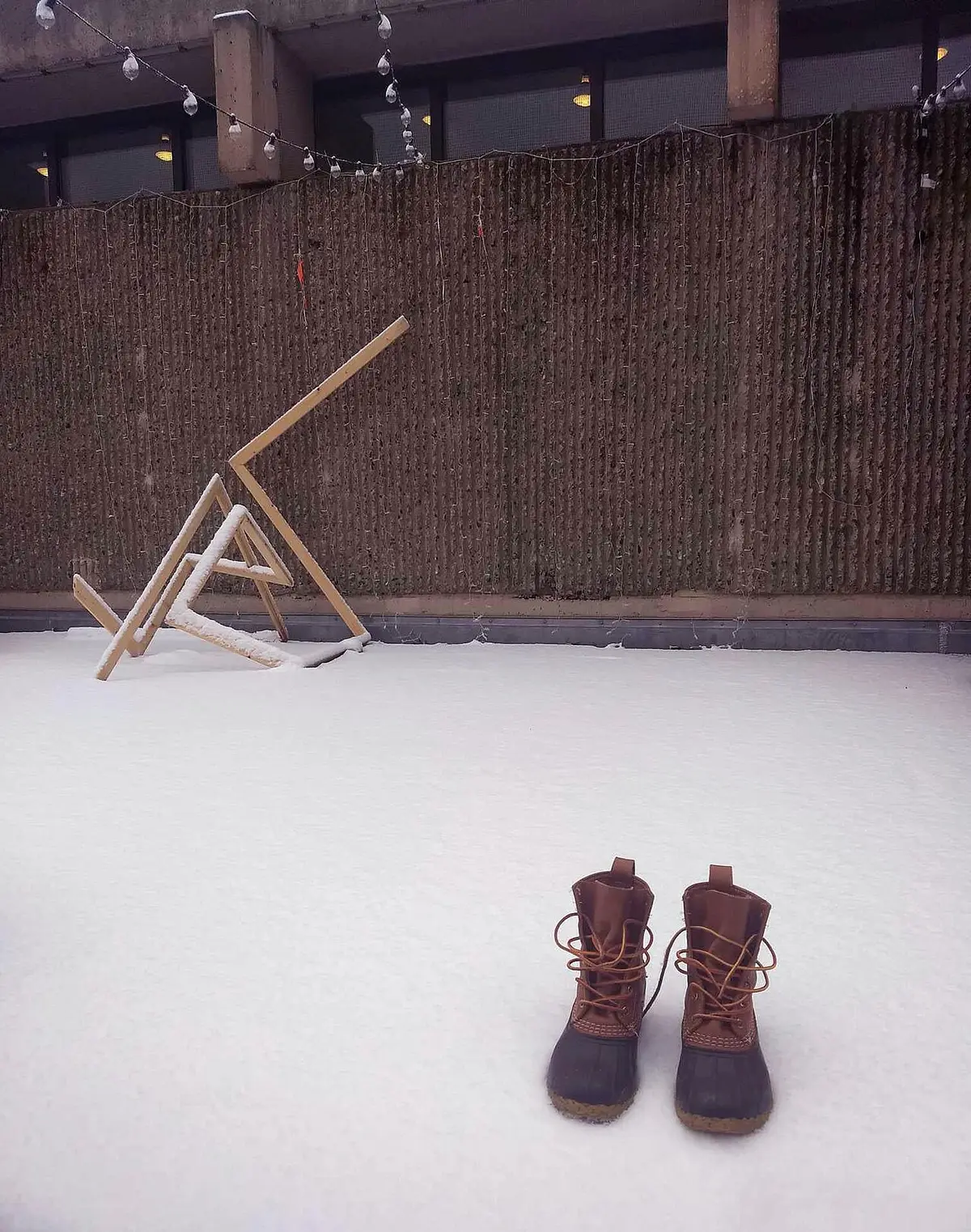
A winter boot's temperature rating, such as -25 or -40 degrees Fahrenheit, is a manufacturer's estimate and not a tested standard. No universal industry or government standard governs how these numbers are produced, and brands test and calculate them differently. The figures usually assume that you are walking briskly, wearing dry, quality winter socks and keeping your feet dry. Treat the number as a relative guide for comparing a brand's own models, subtract 10 to 15 degrees as a personal buffer and be skeptical of the most extreme claims.
Temperature ratings are the most common reason people buy the wrong winter boot. A boot rated to -40 may leave a person standing at a bus stop at 10 degrees with cold toes, because rating conditions assume constant movement and your feet make heat while you walk. Insulation grams, the other number on the box, measure the thickness of insulating material, not the total warmth. This guide explains what ratings and insulation numbers mean, why they vary, what else affects foot warmth and how to choose a boot for the way you actually spend your winter days.
No standard behind the number
Unlike sleeping bags, which have a laboratory standard (ISO 23537) for Comfort and Limit ratings, winter boots have no broadly adopted testing method. Each manufacturer decides how to test, whether on a heated foot form in a cold chamber, with wearers on a treadmill or by internal formula. Some brands have stopped printing ratings because they are hard to compare and easy to misunderstand. Others still list numbers that reflect marketing as much as measurement.
That means a -40 rating on one brand's boot may not be equal to a -40 on another brand's boot, and a rating may not be stable across a brand's own models. Use ratings to rank boots within a brand's line, and use construction details to compare across brands.
What the rating assumes
Most manufacturers' temperature ratings assume ideal conditions.
- Movement. You are walking at a steady pace, which keeps blood flowing to the feet. Standing still, as when ice fishing, waiting at a bus stop or watching a sporting event, drops the effective range sharply.
- Dry feet. Sweat or snow melting into the boot reduces insulation fast.
- Good socks. The rating assumes a quality winter sock, usually wool or a wool blend, and not a thin cotton one.
- Average circulation. People with poor circulation, Raynaud's phenomenon or cold feet will feel colder.
- Calm conditions. Wind and wet snow make a boot feel colder than the rating suggests.
If your day is outside those assumptions, the real comfort range is warmer than the number. A simple approach is to raise the rating by 10 to 15 degrees Fahrenheit, or more if you stand still. A boot rated to -20 is a reasonable choice for staying comfortable around 0 to 10 degrees on an active day.
Insulation grams: a thickness measure
Many boots list insulation as grams, such as 200 g, 400 g, 800 g or 1,000 g. This refers to the weight of insulating material per square meter of the insulation layer, which is a measure of thickness and density, not the total weight of insulation in the boot. Thinsulate and similar synthetic insulations are common.
As a loose guide, 200 grams suits cool to cold weather with active use, 400 grams suits colder weather and light activity, and 800 grams or more suits very cold conditions or low activity. Treat this as an estimate. There is no standard that ensures every 400 gram boot delivers the same warmth, since the construction, the fit, the sole and the lining all play a part. A boot with 400 grams of insulation and a thin sole may feel colder than one with 200 grams and a thick, insulated footbed.
| Insulation | Typical use | Activity level | Notes |
|---|---|---|---|
| None to 100 g | Cool weather, hiking | High | Breathable, light |
| 200 g | Cold days, active hiking | Moderate to high | Common in winter hiking boots |
| 400 g | Cold, mixed activity | Moderate | Good all-around winter |
| 600 to 800 g | Very cold, slower pace | Low to moderate | Hunting, walking, work |
| 1,000 g and up | Extreme cold, standing | Low | Bulky, can overheat when active |
Why other parts of the boot matter
Insulation is only one piece. A boot's warmth depends on the whole system.
Sole and footbed. Cold from the ground travels through the sole. A thick rubber sole with a midsole and an insulated footbed matters as much as the upper insulation. Boots with thin soles feel cold on frozen ground and snow, even with plenty of upper insulation.
Fit. A boot that is too tight compresses insulation and blocks circulation, making feet colder. A boot that is too loose lets air circulate and leaves cold spots. You need room to wiggle your toes and room for thick socks. See how hiking boots should fit for the fitting basics, which apply to winter boots as well, with extra room for thicker socks.
Waterproofing. Wet insulation loses much of its value. A waterproof membrane and a sealed upper keep snow and slush out, but they also trap sweat. In deep cold, a vapor-permeable boot helps, and in wet snow a rubberized shell wins. For the trade-offs, see waterproof vs non-waterproof hiking footwear.
Socks and liners. A good wool sock does more for warmth than another 200 grams of insulation. Layering a thin liner sock under a thicker sock can wick moisture and reduce blisters.
Removable liners. Boots with removable felt or fleece liners can be dried at night, which keeps feet warm over multiple days.
How to match a rating to your day
Think about what you will do.
- Active winter hiking or snowshoeing: You produce a lot of heat. A 200 to 400 gram boot with a breathable membrane is usually enough, even at 0 degrees.
- Walking in town, commuting and light errands: Moderate activity with periods of standing. A boot rated to -20 with 400 to 600 grams of insulation works for temperatures around 0 to 15 degrees. The shop lists for the best men's winter boots for walking and the best men's winter boots under $100 and under $150 show how insulation and ratings are described.
- Standing in the cold, such as ice fishing, hunting from a stand or watching games: You produce little heat. Choose 800 to 1,000 grams or more and a boot with a thick, insulated sole, and pair it with warm socks. The best men's winter boots for extreme cold and the best winter boots for extreme cold cover these.
- Wide feet or thick socks: Look for a model with a wide last, such as in the best men's winter boots for wide feet list, so there is room for insulation without compression.
Ratings versus real-world comfort
Reading user feedback with a critical eye helps. A wearer who stays warm at -20 in a -40 boot is not proof that the boot will work for you. Look for wearers who describe activities and conditions similar to yours, with details about socks, standing time and wind. Beware reviews that say "kept my feet warm" with no temperature, and note that people differ widely in cold tolerance.
When comparing two boots, use the same set of questions: What is the insulation in grams? How thick is the sole? Is there a removable liner? How waterproof is the boot? What does the fit feel like with thick socks? The answers are more informative than the rating.
Pac boots, hiking boots and hybrids
Winter boots fall into a few design families, and the rating means different things in each. Pac boots, also called snow boots, have a rubber lower and a leather or nylon upper with a removable felt or foam liner. They are warm for standing and slow walking, waterproof to the top of the rubber and heavy, and their liners can be dried each night. Insulated hiking boots use a synthetic insulation layer with a waterproof membrane in a more athletic build. They are lighter, better for walking and less warm when you stand still. Hybrids mix a rubber lower with a more flexible upper, aiming at winter walking and light hiking.
Choose the family first, then the rating. A pac boot rated to -40 is built for a different job than a hiking boot rated to -20, and comparing the numbers across them tells you little. For active use, the lighter boot will be more comfortable and safer on steep ground. For standing or very low temperatures, a pac boot wins. Many people end up owning two pairs, one for moving and one for standing, and use each where it works best.
A simple winter-boot test at home
Before you commit to a winter boot for a big trip, put it through a test. Wear the boots with the socks you plan to use, stand on a cold surface such as a garage floor, a patio or a bag of ice-packed snow for ten minutes, and note how your toes feel. Then walk briskly for twenty minutes outdoors in cold weather. If your toes cool within ten minutes of standing and warm quickly during the walk, the boot behaves as rated. If they stay cold even while walking, the boot is too thin, too tight or the socks are wrong.
Test also for fit: swell your feet by walking for a while, then check toe room, heel lift and pressure points. A winter boot that rubs will blister, and blisters in the cold are a real hazard. A cold garage and a few laps around the block can save a miserable trip, and the test costs nothing.
Matching boots to regions and activities
Winters differ across the country, and so do boot needs. In the Upper Midwest and Northern Rockies, with sustained deep cold and dry snow, a well-insulated boot with a thick sole makes sense. In the Northeast and Pacific Northwest, wet snow, slush and rain call for a fully waterproof boot with moderate insulation, because wet is more of a threat than cold. In the Southwest mountains, sun and cold nights mean layers and a boot that breathes. For snowshoeing and winter hiking everywhere, a lighter insulated boot with a stiff enough sole and gaiter compatibility is the best partner.
Think about footing as well. Ice needs a rubber compound that stays grippy in the cold, and deep lugs and traction devices help. Microspikes or ice cleats slip over many winter boots and make a major difference on packed trails. Check that the boot has a defined heel edge for cleats, and that the outsole does not harden and lose grip at low temperatures. A boot that keeps your feet warm and drops you on the ice is not a good boot.
Winter boots versus hiking boots and trail shoes
A common question is whether a three-season hiking boot can do double duty in winter with thick socks. For mild days around freezing with an active pace, it often can, and many hikers wear waterproof insulated hiking boots into the cold season. The limits appear when temperatures drop well below freezing, when you stand around or when deep snow gets into the collar. Uninsulated boots rely entirely on socks and movement for warmth. The larger comparison between boots, shoes and trail runners is covered in hiking boots vs hiking shoes vs trail runners, and the winter version of that decision adds insulation, sole thickness and waterproofing to the list.
If you plan to snowshoe, check that the boot has a stiff enough sole to hold a binding and a secure heel. For cross-country skiing, you need boots matched to the binding system. For general winter walking, a rubber-soled boot with a deep tread and a rocker shape is easiest on the legs. Whichever type you choose, buy for the coldest situation you will face often and add layers, not the other way around.
Reading a spec sheet in a minute
When you open a listing, scan for these items in order. First, the stated temperature rating, which you will discount by 10 to 15 degrees. Second, the insulation grams, and whether it covers the whole boot or just the upper. Third, the sole thickness and whether the footbed is insulated. Fourth, the waterproof construction, such as sealed seams, a membrane, a rubber shell or a gusseted tongue. Fifth, whether the liner is removable. Sixth, the weight per boot. Seventh, the width options and the intended fit. If most of these are clear, the maker is being transparent. If only the rating appears, treat the number as marketing and check other sources.
Socks, insoles and gaiters for cold feet
The boot is only part of the system for warm feet. Socks do much of the work: a medium to heavy merino or synthetic sock traps air and moves moisture, and a thin liner sock beneath can reduce friction and blisters. Avoid cotton, which holds sweat and chills the foot. Do not stack several thick pairs into a boot that is already snug, because compressed insulation and restricted blood flow make feet colder. If you need more warmth, step up to a larger boot size with room for a heavier sock.
Insoles add insulation from the ground and can make a thin footbed warmer. A closed-cell foam insole or a reflective insole reduces heat loss through the sole, and a wool or felt insole adds warmth. Make sure the insole does not crowd the toes. Gaiters keep snow out of the top of the boot and add a layer of insulation around the ankle, which helps in deep powder and slush. Vapor barrier socks, thin waterproof socks worn over a liner sock, keep sweat from soaking the insulation on multi-day cold trips, though they can feel clammy and are not for everyone.
When your feet get cold anyway
If your feet are cold despite a good boot, work through a checklist. Are your socks damp? Change them. Are the laces too tight? Loosen them to restore circulation. Have you been still too long? Walk, wiggle your toes or do a few squats. Are you under-fueled or dehydrated? Eat and drink. Is your core cold? Add a layer, since the body protects the core by reducing blood flow to the limbs. Warm your feet against a companion or inside your jacket, and use chemical toe warmers as a temporary help.
Know the signs of frostnip and frostbite: skin that turns white or waxy, loses feeling or feels hard. Warm the area gently without rubbing, avoid walking on frozen feet if you can and seek medical help for anything more than superficial nip. Prevention is much better than treatment, so keep your boots dry, your socks clean and your feet moving.
Care and use tips for cold feet
- Keep boots dry. Remove liners at night, and dry them at room temperature; never use direct heat. See how to dry wet hiking boots.
- Warm your feet before you go out. Cold feet in cold boots stay cold.
- Change socks if damp. A dry pair prevents frostnip.
- Do not lace too tightly, which restricts blood flow.
- Use insulated insoles or foam pads on frozen ground.
- Keep moving, and wiggle your toes regularly.
- Carry chemical toe warmers for emergencies.
- Watch for numbness, burning or white or waxy skin, signs of frostnip, and warm the feet immediately.
Common mistakes to avoid
- Trusting an extreme rating as a promise.
- Buying a boot with no room for thick socks.
- Ignoring the sole and focusing only on insulation grams.
- Wearing cotton socks in winter.
- Drying boots next to a heater or fire.
- Choosing heavy insulation for active hiking and overheating.
- Choosing light insulation for standing and getting cold.
Frequently asked questions
Is a -40 boot really good to -40?
Not for most people in most situations. Ratings are manufacturer estimates that assume brisk walking, dry feet and good socks. At rest, a -40 boot will feel much colder, so subtract 10 to 15 degrees or more.
What does 400 grams of insulation mean?
It is the density of insulating material per square meter in the boot, a measure of thickness. A 400 gram boot has about twice the insulation of a 200 gram boot, but warmth also depends on the sole, fit and socks.
Are winter boot ratings standardized?
No. There is no universal industry or government standard, and brands test differently. Use ratings to compare within a brand and to understand a boot's intended use, not as a laboratory measurement.
Why are my feet cold in a boot rated for much lower temperatures?
Common causes include standing still, damp socks, a fit that is too tight, thin socks, a thin sole on frozen ground and cold feet to start with. Fixing the system often fixes the problem.
How much insulation do I need for hiking?
For active winter hiking, 200 to 400 grams is typical, since you produce heat as you walk. More can cause overheating and sweaty feet, which then get cold at breaks.
Should winter boots be a size bigger?
Often a half size larger gives room for thick socks and air circulation, but not so large that the foot slides. Try boots with your winter socks and check that toes can move freely.
Sources & further reading
- Section Hiker: 200g vs 400g Insulated Winter Hiking Boots
- Section Hiker: Winter Hiking Boots FAQ
- Wiggy's: Why Boots No Longer Are Temperature Rated
Image credits
- "Winter Boots on a Snowy balcony at the Yale School of Architecture, 2019" by RukshanV, CC BY-SA 4.0, via Wikimedia Commons.
- "Skis, portrait, lady, winter, snow, boots, gloves, ski pole Fortepan 60361" by FOTO:Fortepan - ID 60361: Adományozó/Donor: Lukács Zsolt., CC BY-SA 3.0, via Wikimedia Commons.


Ready to buy?
Compare the gear: Clothing & Footwear
6 Best Men S Winter Boots For Extreme Cold in 2026
Best men's winter boots for extreme cold: Baffin, Muck, Kamik and Nextpath boots with stated cold ratings, compared for liners, shells and fit.
6 Best Men S Winter Boots For Walking in 2026
Best men's winter boots for walking: totes, NORTIV 8, Mishansha and ziitop boots compared for traction, weight and warmth on sidewalks and trails.
6 Best Men S Winter Boots For Wide Feet in 2026
Best men's winter boots for wide feet: NORTIV 8 wide, LeIsfIt and other insulated snow boots compared for toe room, warmth and adjustability.
6 Best Men S Winter Boots Under 100 in 2026
Best men's winter boots under $100: NORTIV 8, OUTJET, Mishansha and Hanani snow boots compared for insulation, waterproofing and grip.
6 Best Men S Winter Boots Under 150 in 2026
Best men's winter boots under $150: NORTIV 8, ALEADER, Kricely, Mishansha and ziitop boots compared for waterproof builds, warmth and ease of entry.
6 Best Winter Boots For Extreme Cold in 2026
Best winter boots for extreme cold: six rated and insulated boots compared on listed temperature ratings, liners, shell build and traction for deep winter.
6 Best Winter Boots For Kids in 2026
Best winter boots for kids: six insulated, waterproof snow boots compared on warmth, closure, traction and how easily children can pull them on.
6 Best Winter Boots For Men Waterproof in 2026
Best waterproof winter boots for men: six snow and cold-weather boots compared on membrane, insulation, shell height and slush traction.
Keep reading