
Practical Camping Guide · 12 min read
How to Choose Hiking Pants
Choose hiking pants by fabric, stretch, fit, weight, pockets and sun protection, with notes on convertibles, women's cuts and cold weather.

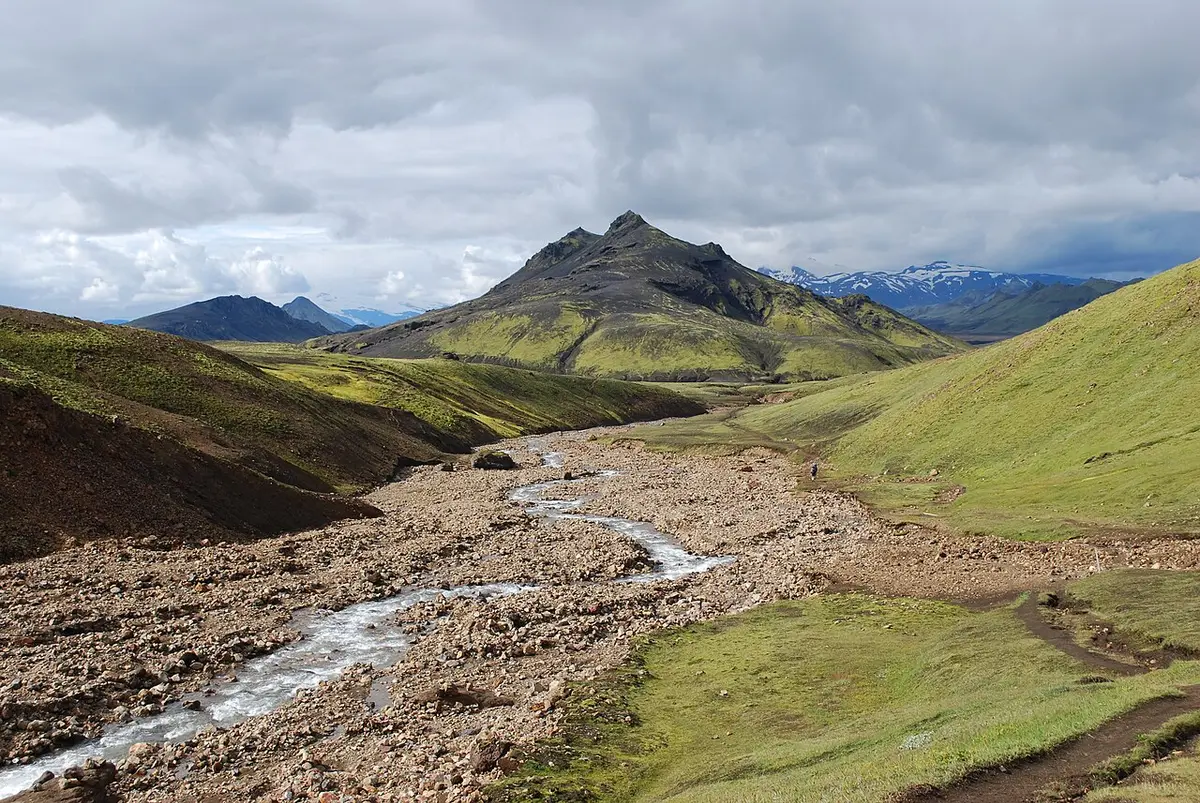
Choose hiking pants by fabric, fit and features: a lightweight, stretchy, quick-drying nylon or polyester blend with a gusseted crotch or articulated knees suits most three-season hiking, thicker softshell pants suit cold weather, and convertible zip-off pants cover trips with big temperature swings. Skip cotton jeans, which absorb water and dry slowly, and pick a waist that stays up under a pack belt, pockets you can use and a length that clears your boots.
Pants are the most overlooked part of a hiking kit, yet they take a lot of abuse from brush, rock, sweat and sun, and they affect comfort more than most people realize. A pair that binds at the knee, chafes at the thigh or soaks up a rain shower will make a day miserable. This guide covers fabrics, fit and mobility, weight and warmth, sun and bug protection, pockets and features, convertible and women's designs, layering with rain pants and long underwear, care and a sizing checklist.
Fabric: nylon, polyester, stretch and softshell
Most hiking pants are made of nylon or polyester, sometimes blended with elastane (spandex) for stretch. Nylon is tough and abrasion resistant and feels slightly softer, and polyester is more UV resistant and holds color. Both dry quickly, wick moisture and resist wrinkles. Ripstop weaves add tear resistance.
Lightweight woven nylon is the standard for three-season hiking: breathable, quick-drying and durable. Stretch woven fabrics with 2 to 15 percent elastane offer freedom for high steps and scrambling. Softshell pants are thicker, often brushed inside for warmth, and have a wind-resistant, water-repellent finish. They suit cool and cold weather and moderate activity. Fleece-lined and insulated pants add warmth for winter and standing around, while waterproof shell pants are rain gear, not hiking pants for everyday use.
Cotton and denim are poor choices: they absorb water, dry slowly, lose insulation when wet and chafe. They are fine for a short walk in dry weather but a risk in cold and wet conditions. A few poly-cotton blends are acceptable for casual use.
Weight and warmth
Fabric weight, measured in grams per square meter (g/m2), gives a rough guide to warmth.
| Fabric weight | Description | Best for |
|---|---|---|
| 100 to 150 g/m2 | Ultralight | Hot weather, trail running |
| 150 to 220 g/m2 | Lightweight | Three-season hiking |
| 220 to 300 g/m2 | Midweight softshell | Cool weather, shoulder season |
| 300 g/m2 and up | Heavyweight or fleece-lined | Cold weather, winter |
For winter, consider the lists of the best men's hiking pants for cold weather, the best women's hiking pants for cold weather and the best hiking pants for cold weather. These models use brushed or fleece linings and wind-resistant fabric. In winter, layering a base-layer bottom under a lightweight pant is often better than a single heavy pant, because you can adjust. See how to layer clothing for camping for system ideas, and merino vs synthetic base layers for the base.
Fit and mobility
Hiking involves lifting your knees, stepping over logs and scrambling. Pants must move with you. Look for these features:
- Articulated knees: pre-bent, with seams that allow the knee to flex.
- Gusseted crotch: a diamond-shaped panel that removes pressure points and increases range of motion.
- Stretch fabric, especially in the seat and thighs.
- A waistband that sits comfortably under a pack hip belt without bunching, ideally with a flat or elastic back and an adjustable closure.
- Inseam length that clears the boot tops but does not drag. Many brands offer short, regular and long lengths.
- A leg opening that fits over boots or gaiters, or that cinches to keep out debris.
Try pants on with the boots and pack you will use. Squat, step up onto a chair and raise your knee to your chest. If the pants bind, ride low or pinch, they will do the same on the trail. Check how the waist sits when you load the hip belt, since a pack's belt can press on pockets, and a bulky pocket at the hip is uncomfortable.
Sun, bugs and brush
Pants are a layer of protection. A fabric with a UPF rating protects against UV, and many hiking pants carry UPF 30 to 50 ratings. Dark and tightly woven fabrics block more UV. Check the label, and for more on how ratings work, our related guide on UPF sun-protective clothing explains what the numbers mean.
Insect protection comes from long legs and sometimes permethrin treatment, an insecticide applied to fabric that repels ticks and mosquitoes. Pre-treated pants are available, or you can treat pants yourself, following the product instructions and keeping it away from pets and water. Tuck pants into socks in tick country, and wear light colors to spot ticks.
Brush and rock call for durability. Ripstop nylon resists abrasion, and reinforced knees and seats extend life for scrambling. In thorny country, choose a thicker weave.
Pockets and features
Pockets matter more than you might expect. A hiking pant should have at least two hand pockets and a zippered thigh or hip pocket for a phone or keys. Pockets above the hip belt line are easier to use when you wear a pack, and zippers prevent items from falling out when you scramble. Mesh-lined pockets vent heat.
Other features include a gusseted ankle with a zipper or snap for easy boot clearance, a drawcord or snap hem to seal out debris, a built-in belt or loops, a DWR finish that sheds light rain and a reinforced hem that resists wear from boots and crampons. Roll-up tabs let you change pants to capris in heat.
Convertible and zip-off pants
Convertible pants have zip-off legs that turn them into shorts. They are popular for trips with big temperature swings, travel and packing light, since they replace two garments. The drawbacks are that zipper seams can chafe, the pants are slightly heavier than single-purpose pants and the look is not for everyone. Quality varies, so check that the zippers are flat and smooth, and that the leg openings fit over boots.
If you rarely take off the legs, a standard pant is simpler and lighter. If you do, convertibles are practical. Alternatively, choose pants with roll-up tabs and vents.
Women's hiking pants
Women's pants are cut for hips, waist and thighs differently from men's, and most brands offer petite, regular and tall lengths. Look for a rise that sits comfortably, a waistband that does not gap and enough thigh room. Plus sizes are increasingly available. Features such as a drop-seat or a longer fly design address bathroom needs on the trail. Try several brands, since fit varies. For cold weather, see the women's cold-weather list in the earlier section.
Budget
Good hiking pants are available across a wide price range. The best hiking pants under $30, under $50 and under $100 lists show what you get at each level. At the low end, expect basic nylon with little stretch and thinner fabric, which is fine for casual hikes. Mid-priced pants add stretch, articulation, UPF and a DWR finish. Premium pants add better fabrics, more refined cuts and longer life. Think about how often you will wear them, since a $90 pair worn 60 days costs less per day than a $30 pair that wears out after 15.
Pants for different trips and seasons
Summer day hikes in heat. Choose the lightest fabric you can find, in a light color, with a UPF rating, a loose or relaxed fit and a vented design. Roll-up legs, mesh pockets and zippered leg vents help. A pair of lightweight convertible pants or capris covers most hot-weather needs. Consider whether you prefer long legs for sun and bug protection or shorts for cooling, and remember that long, loose, light fabric is often cooler than bare skin in strong sun.
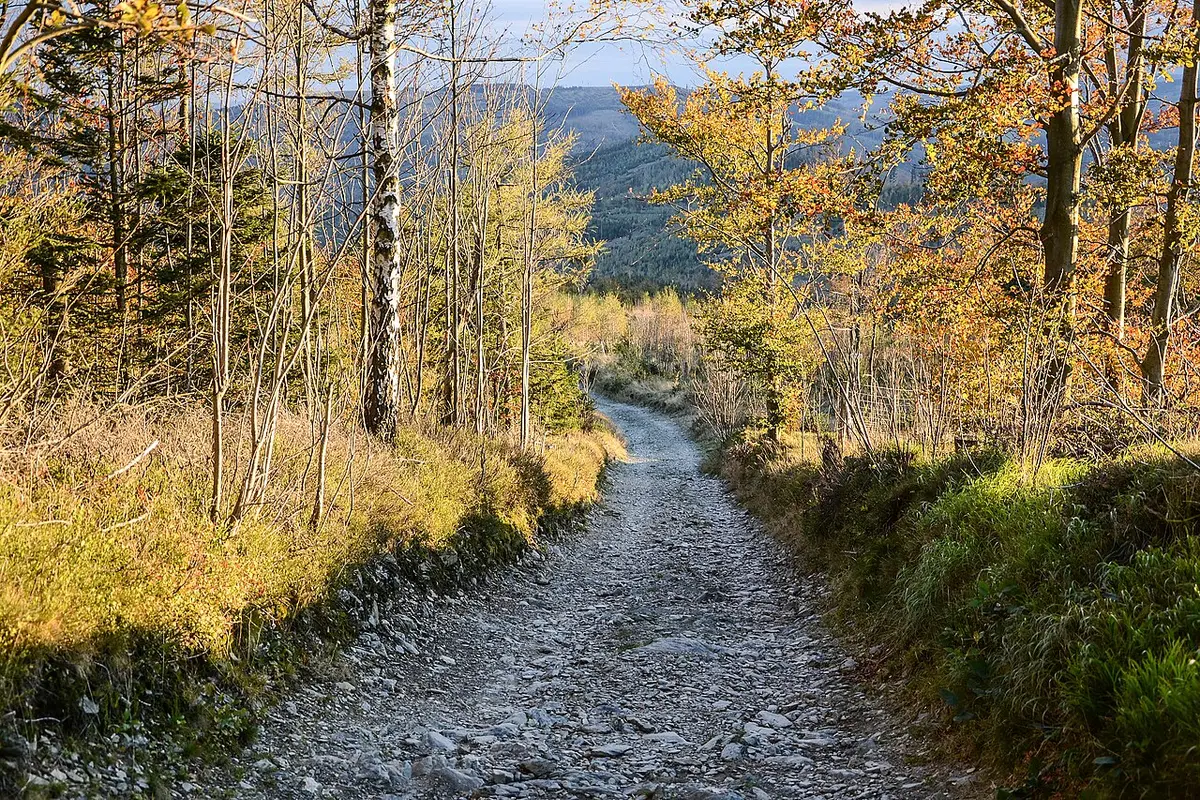
Spring and fall hiking. Temperatures swing, and the best choice is a stretchy, midweight pant with a DWR finish that sheds drizzle and breaks wind. Carry a pair of lightweight rain pants and a base-layer bottom for cold mornings. A softshell-style pant with moderate warmth works well and gives you a single pant that handles most days.
Winter hiking and snowshoeing. You need warmth, wind resistance and some water resistance, plus room for a base layer. Look at fleece-lined softshell pants, insulated pants for standing and shell pants for wet snow. Gaiters keep snow out of boots and off the lower leg. Avoid overheating: on a hard climb you may want to remove the base layer or vent the pants, and adding insulated pants at breaks keeps you from cooling.
Backpacking and long trails. Durability and quick drying take priority. A rugged, ripstop nylon pant with stretch, good pockets and a comfortable waistband for a hip belt is ideal. Consider two pairs, one for hiking and a clean pair for camp, or one pair of pants and a pair of lightweight shorts. Mend small holes quickly, because snags grow.
Scrambling and off-trail travel. Reinforced knees and seat, abrasion-resistant fabric and a fit that allows high steps matter. Look for a tougher face fabric and avoid very light, delicate materials that tear on rock.
What to wear under and over hiking pants
Underwear matters more than people think. Cotton underwear holds moisture and causes chafing, so wear synthetic or merino briefs that wick sweat. Some pants have built-in liners; check them for seams that rub. In cold weather, long underwear under hiking pants adds warmth, and thin leggings can double as sleepwear.
Over hiking pants, rain pants provide waterproof protection. Choose a pair with full or long side zips so you can put them on over boots, and a vent for hot days. Gaiters, from ankle to calf height, keep debris, water and snow out of boots and protect the lower leg and the pants hem from abrasion. In tick country, a snug hem or a tuck into socks closes the gap. These add-ons turn a simple pair of pants into an adaptable system.
Reading product pages: terms worth decoding
Many listings use buzzwords, and a few are worth understanding. "Four-way stretch" means the fabric stretches in both directions and gives better movement. "Articulated knees" refers to patterning that shapes the knee. "DWR" is a surface water repellent. "UPF 50+" indicates the highest category of sun protection in many rating systems. "Quick-dry" suggests synthetic fibers that do not hold water. "Ripstop" is a weave with reinforcing threads that stops tears from spreading. "Gusseted" describes added fabric panels that increase movement. "Bluesign" and "recycled polyester" refer to environmental credentials.
On the other hand, terms like "tactical," "military-grade" or "rugged" without a fabric description tell you little. Look for fabric weight, composition percentages and the type of stretch. A pant listing that provides these details usually comes from a maker who has thought about the product, while a listing with only adjectives may be at the budget end of quality.
Fit differences by body type and shape
Body shape affects how pants fit more than size labels suggest. People with long legs and short torsos need longer rises and inseams, while people with short legs need shorter inseams or hemmed options. A curvy build with larger hips and thighs benefits from stretch in the seat and thigh, a gusseted crotch and a contoured waistband that does not gap at the back. A straight build may prefer a straight leg and a flat waistband. People with muscular thighs or calves need articulated patterning and room in the knee.
Try several brands, since cuts differ: some run narrow, some roomy. Look for adjustable features such as side tabs or elastic in the waistband to fine-tune the fit. If you find that the waist fits but the hips do not, consider a pant with a stretch waistband or a drawcord. If the legs are too long, a hem on a pair of expensive pants is a cheap fix. Fit is personal, and a few minutes of experimentation save a day of annoyance.
Zippers, snaps and details that fail
Small features cause most trail frustrations. A cheap zipper on a hand pocket can split and spill your phone. A fly zipper that jams is a nuisance. A button waist that digs in under a hip belt is unpleasant. Check that zippers are made of sturdy material and run smoothly, that snaps are firmly attached and that the waistband closure is flat. Reinforcing stitching at stress points, such as the crotch and the pocket corners, prolongs life. If you hike in thorny or rocky terrain, a double layer at the knees and a reinforced hem save wear.

Test before you commit. Put things in the pockets, sit down, kneel and reach. If the pants ride down when you bend or pull at the crotch when you lift a leg, they will do it on the trail. Pay attention to the hem: a drawcord that is too tight can annoy, and a loose hem catches on boots and spikes. For mountain use, check that the leg opening can pass over a boot or a gaiter.
Sun, bugs and weather in practice
Hiking pants shield you from more than the sun. In tick country, long pants and treated fabric reduce bites, and tucking pants into socks or gaiters closes the gap. In mosquito season, a loose weave can allow bites through, so choose a tighter fabric. Against brush and poison ivy, long pants protect skin, and washing them after contact removes oils. In light rain, a DWR finish sheds water long enough to reach shelter, and in heavy rain you will want rain pants.
Wind affects comfort too. A lightweight pant breathes well in heat and feels cold in a cold wind, so carry a wind layer or choose a softshell. In winter, wear a base layer under hiking pants and a shell over them when conditions call for it. In all weather, keep an eye on the temperature of your legs, since they work hard and produce heat, so avoid overdressing. If you find yourself sweating through your pants, open a vent or switch to a lighter pant.
Care and durability
Wash hiking pants in cold or warm water with a mild detergent, and avoid fabric softener, which clogs the fibers and reduces wicking and DWR. Hang or tumble dry on low. Re-treat the DWR when water stops beading. Mend small tears early with patches or tape. Store them dry and clean. Permethrin-treated pants lose some potency with washing, so check the manufacturer's guidance on the number of washes.
Footwear and pants together
Pants and footwear work together. The leg opening should clear your boots and not catch on laces or hooks, and in wet conditions, a gaiter or a shell pant that overlaps the boot keeps water from running inside. If your pants drag in mud or snow, the hem will soak and chill your feet. Make sure your footwear suits the conditions; see how hiking boots should fit, hiking boots vs hiking shoes vs trail runners and waterproof vs non-waterproof hiking footwear for choosing and fitting the other half of your lower-body system.
Common mistakes to avoid
- Hiking in jeans or other cotton pants.
- Choosing pants that are too tight in the knee or crotch.
- Ignoring the waistband under a pack belt.
- Overlooking the length and hem when wearing boots.
- Buying heavy fabric for hot weather.
- Skipping a test squat and step-up before buying.
- Washing with fabric softener.
Frequently asked questions
What fabric is best for hiking pants?
Lightweight nylon or polyester with a bit of stretch is the best all-around choice. It dries quickly, resists abrasion and breathes well. For cold, choose a softshell or fleece-lined fabric.
Are jeans OK for hiking?
Only for short, easy, dry walks. Denim absorbs water, dries slowly, restricts movement and can make you cold. Technical pants are far better for any real hike.
Are convertible pants worth it?
They are practical for trips with big temperature swings and for travel, replacing two garments. Check that the zippers are smooth and do not chafe, and that the legs fit over your boots.
What is a gusseted crotch?
It is a diamond-shaped panel sewn into the crotch that removes seams and pressure points and increases mobility. It makes high steps and scrambling more comfortable.
Should I treat my pants with permethrin?
In tick and mosquito country, yes, it adds protection. Use treated pants or apply it carefully following the product instructions, and keep it away from pets and water. Check how many washes it lasts.
How should hiking pants fit?
Snug but not tight, with room to bend the knee and raise a leg without binding. The waist should sit comfortably under a pack belt, and the hem should clear your boots without dragging.
Sources & further reading
Image credits
- "Landscape during Laugavegur hiking trail 2-CA reduced" by Chmee2/Valtameri, CC BY 3.0, via Wikimedia Commons.
- "Hiking trail to Biskupská kupa, Czechia" by Pudelek, CC BY-SA 4.0, via Wikimedia Commons.
- "Trees in ICM on Myrstigen hiking trail, Brastad 2" by W.carter, CC BY-SA 4.0, via Wikimedia Commons.


Ready to buy?
Compare the gear: Clothing & Footwear
6 Best Hiking Pants Under 100 in 2026
Hiking pants under $100: stretch cargo trousers, ripstop and rain pants for men and women compared on weather protection, pockets and fit.
6 Best Hiking Pants Under 50 in 2026
Hiking pants under $50 for men and women, compared on stretch, UPF protection, pockets and sizing so a small budget still buys a good fit.
6 Best Men S Hiking Pants For Cold Weather in 2026
Best men's hiking pants for cold weather: fleece-lined softshell pants from baleaf, TACVASEN, FREE SOLDIER, MAGCOMSEN and 4ucycling compared for warmth.
6 Best Women S Hiking Pants For Cold Weather in 2026
Best women's hiking pants for cold weather: six fleece-lined softshell pants compared on waterproofing, wind block, pockets and ankle seal.
6 Best Hiking Pants Under 30 in 2026
Best hiking pants under $30: six men's stretch cargo and nylon pants compared on fabric, pockets, UPF protection and inseam options for trails.
6 Best Hiking Pants For Cold Weather in 2026
Fleece-lined hiking pants for cold weather: softshell, jogger and legging styles compared on warmth, wind and water resistance, and mobility.
6 Best Hiking Pants For Hot Weather in 2026
Hiking pants for hot weather: vented, convertible and rugged trousers for men and women, compared on airflow, UPF and quick-dry fabric.
6 Best Hiking Pants For Iceland in 2026
Hiking pants for an Iceland trip: a layering kit of insulated softshells, quick-dry trail pants and packable rain pants for wind, rain and chill.
Keep reading