
Practical Camping Guide · 13 min read
How to Wash and Re-Waterproof a Rain Jacket
How to wash a rain jacket with technical cleaner, dry it with low heat and restore the DWR finish with a spray or wash-in treatment.


To wash and re-waterproof a rain jacket, close all zippers and flaps, wash it in a front-loading machine on a gentle, warm cycle with a technical-fabric cleaner (no regular detergent or fabric softener), rinse twice, tumble dry on low heat or line dry, then restore the durable water repellent (DWR) finish with a wash-in or spray-on treatment and a few minutes of gentle heat. Do this when water stops beading on the surface and the fabric looks dark and wet.
Most rain jackets that "leak" have not failed. The waterproof membrane inside is usually fine, but dirt, body oils and abrasion have clogged the outer fabric and worn away the DWR, so the face fabric soaks up water, feels cold and clammy and stops breathing. A proper wash and a fresh DWR treatment brings many jackets back to near-new performance for a few dollars. This guide covers how to tell what has failed, how to prepare, which products to use, step-by-step washing and drying, how to apply DWR, how to fix seams and zippers, how often to repeat the process and what to do when a jacket is beyond repair.
Is it the membrane or the DWR?
A rain jacket has layers. The outer face fabric carries a DWR finish that makes water bead and roll off. Under it sits a waterproof, breathable membrane or coating that stops liquid water while letting vapor out. When DWR wears off, the face fabric absorbs water ("wets out"). The membrane may still block water, but the wet fabric blocks vapor from escaping and feels cold, so you end up damp inside from sweat and think the jacket leaks.
A simple test separates the two. Sprinkle water on the jacket or run it under a tap. If the water beads and rolls off, the DWR is working. If it soaks in and darkens the fabric, the DWR has failed, and a wash and re-treatment are the fix. If you can see actual water coming through at the seams, zippers or in the middle of panels after the fabric has been cleaned and treated, the membrane or seam tape may be damaged, and the jacket needs repair or replacement.
When and how often to wash
Wash a rain jacket when it is visibly dirty, when water stops beading, when it smells or when it feels sticky or clammy. For regular use, that may be once or twice a season, and for heavy use, more often. Washing too rarely allows dirt and oils to degrade the fabric, and washing too often wears the DWR. Washing a technical jacket is not a harm when done properly, and it often improves performance because clean fibers repel water better.
Do not wait until the jacket fails. A good practice is to rinse or wash after muddy trips, and to re-treat the DWR at the start of the wet season. Check the care label first, since manufacturers specify temperatures, cleaners and drying methods.
What you need
- A technical-fabric cleaner designed for waterproof gear. These are free of detergents with additives that leave residue.
- A DWR treatment: a wash-in product for jackets with a liner or a spray-on product for jackets where the outer is exposed. Choose a PFC-free (fluorocarbon-free) product if you want to avoid PFAS chemicals; they are widely available and effective, though they may need more frequent renewal.
- A front-loading washing machine or a top-loader without a central agitator. Clean out the detergent drawer first to remove residue from other products.
- A dryer with a low heat setting, or a place to line dry.
- A soft brush or cloth for dirt.
- A soft cloth and an iron for stubborn cases, if the label allows.
Avoid regular laundry detergent, which contains surfactants and scents that leave a film attracting water, avoid fabric softener, which coats the fabric with water-attracting chemicals, and avoid bleach, which damages membranes and fibers.
Step-by-step washing
- Prepare the jacket. Empty pockets, close the main zipper, pit zips and pocket zippers, and fasten any Velcro tabs so they do not snag other fabric. Brush off loose dirt.
- Pre-treat stains. Dab with the cleaner and a soft cloth, and avoid scrubbing hard.
- Load the machine. Wash the jacket alone or with other technical items, and use the cleaner at the recommended amount, usually a few ounces.
- Choose a gentle cycle. Use warm water, typically 86 to 104 degrees Fahrenheit, or the label's recommended temperature, and a low spin speed.
- Rinse thoroughly. Run an extra rinse cycle to remove all cleaner.
- Do not wring. Remove gently and hang or move directly to the dryer.
If the jacket has an insulated lining, such as a down or synthetic fill, wash with a cleaner suited to those materials and follow the guidance for down or synthetic insulation. The best insulated rain jacket for women with hood list shows the sort of jackets that need extra care.
Drying and reactivating the DWR
Heat is part of what restores a DWR finish. After washing, tumble dry the jacket on low to medium heat for 20 to 40 minutes, if the label allows. The warmth causes the water-repellent molecules to re-align on the surface and improves beading. If the label says not to tumble dry, hang it in a warm, ventilated room until dry. Some people also iron the jacket on a low, no-steam setting with a thin cloth between the iron and the jacket, which reactivates the DWR. Test a hidden area first, and never use high heat, which can melt fabrics and damage seam tape.
After drying, test again by sprinkling water on the surface. If water beads, you may not need a new treatment. If it still soaks in, apply a DWR product.
Applying a new DWR treatment
Spray-on treatments work well for jackets with a face fabric that you want to coat evenly. Lay the jacket on a flat surface or hang it, spray evenly from a few inches away over the clean, slightly damp jacket, focusing on high-wear areas such as shoulders, hood, cuffs and the front. Wipe off excess with a damp cloth, and let it dry, then tumble on low heat to set it if the product recommends.
Wash-in treatments are added to the machine in a rinse cycle after cleaning, and they coat the entire fabric inside and out. They can reduce breathability slightly on jackets with an interior liner and are less suitable for membranes with an inner lining, so check the instructions.
Apply in a ventilated place and follow the product directions on timing and heat. Do not oversaturate, which can make fabric feel stiff or reduce breathability. A thin, even coating is what you want. For a budget jacket, such as those in the best rain jackets under $20, under $30 and best rain jacket under $50 lists, a fresh DWR can noticeably extend usefulness, though coated budget fabrics may not hold the treatment as long.
Repairing seams, zippers and small holes
If the jacket leaks along a seam, the seam tape may be peeling. Small sections can be sealed with a seam sealer or a patch of waterproof tape designed for fabrics. Clean the area with rubbing alcohol, apply the sealer or tape and let it cure per the instructions. Small holes can be fixed with adhesive repair patches placed on the inside and outside.
Zippers can wear and leak, and a coated zipper may peel. Rinse sand and dirt out of the teeth, and use a zipper lubricant if they stick. If the zipper fails, a replacement by a tailor or repair shop is possible but costs more. For a well-loved jacket, the repair may be worth it. For a budget jacket, replacement is often simpler.
How often to repeat
DWR needs renewal every few months to a year, depending on use. A jacket worn daily in rain may need treatment each season, and one used occasionally may last years. Washing refreshes the surface and removes contaminants, and the DWR is replaced when beading fails. Keep a log of when you washed and treated the jacket, and note the products you used. If you carry a jacket in a pack, rub from straps and friction will wear specific spots first, so re-treat those with a spray.
A worked example: bringing back a two-year-old shell
Suppose a hiker has a mid-priced shell that has seen two summers and one wet spring. In a recent storm the jacket felt cold and soaked, though no water dripped inside, and the face fabric looked dark across the shoulders and forearms. She sprinkles water on a clean sleeve and sees it soak in, which points to a worn DWR, not a failed membrane. She zips the jacket, runs it through a gentle warm wash with a technical cleaner and one extra rinse, then tumbles it on low heat for 30 minutes.
After the dryer, she tests again: the water still beads only in a few spots. She lays the jacket on a table and sprays a PFC-free DWR evenly, concentrating on shoulders, hood and cuffs, wipes the excess with a damp cloth and tumbles it on low for another 20 minutes. The next test shows water beading and rolling off in neat drops. The whole process took about two hours of hands-off time and cost less than a dinner, and the jacket performs like it did in the first season. She notes the date in her gear log and plans to re-treat it at the start of next spring.
If the test had shown water soaking through at a seam or leaking from the middle of a panel after cleaning, she would have checked the seam tape and inner coating. A peeling tape strip can be patched. A delaminating inner coating cannot be fixed, and she would have started shopping for a replacement. The test steps keep you from spending money on treatments for a problem they cannot solve.
Cleaning other layers that work with your jacket
A clean shell works best with clean layers under it. Body oils on a base layer migrate onto the inside of the shell and clog the membrane over time, which reduces breathability. Wash your base layers regularly according to their care labels, and avoid softeners that leave residue and reduce wicking. Wash fleece mid-layers in cool water with mild detergent, and avoid drying on high heat, which can flatten the pile. For down and synthetic insulated pieces, use cleaners made for their fill, and dry them thoroughly with clean dryer balls to keep the loft.
Packs rub against shoulders and cause wear, so check high-friction spots on the shell and consider a patch of tape for protection. Sunscreen and insect repellent containing DEET can damage some synthetic fabrics and coatings and degrade DWR faster, so wash the jacket if it gets contaminated. Keep sharp objects out of pockets, and hang the jacket to dry after every wet day. These small habits extend the time between big cleaning jobs and help the whole system last.
Storage and travel care
Store a rain jacket clean and dry. Hang it in a closet, or fold it loosely and keep it out of a hot car, since heat accelerates DWR and membrane breakdown. Do not leave it stuffed in its pocket sack for months, because sharp creases stress coatings and seam tape. Before a trip, pull it out, check zippers and cuffs, and give it a water test. In a pack, a wet jacket can mildew if it stays damp, so dry it at the first chance and avoid storing it wet overnight in a sealed bag.
On long trips, carry a small repair kit with seam tape, adhesive patches and a tiny bottle of spray-on DWR. A mid-trip touch-up on shoulders and cuffs, where DWR wears fastest, can keep a jacket performing for a week or more. For travel to humid places, hang the jacket where air can move around it, and avoid leaving it wadded up. Treat the jacket as the investment it is, and it will serve you across many seasons.
Footwear and other gear
The same principle applies to boots and other waterproof gear. Clean, then restore the water repellent on the outside so the membrane can breathe. For hiking footwear, see waterproof vs non-waterproof hiking footwear for the trade-offs of membranes, how hiking boots should fit for the fit and hiking boots vs hiking shoes vs trail runners for choosing a type. Treat tents and packs separately, using products designed for them, and never apply a jacket treatment to a surface with different needs without reading the label.
When a jacket is finished
A jacket is beyond repair when the membrane delaminates, which shows up as peeling, bubbling or flaking on the inside; when it leaks through the fabric even after cleaning and re-treating; or when seams and tape peel off in large sections. Sunlight and age cause delamination, and washing does not cause it, but harsh chemicals can accelerate it. At that point, a new jacket is the better choice. Consider a best rain jacket under $100 or best women's rain jacket under $100 when you replace it, and apply the care routine from the beginning to extend its life.
Choosing a cleaner and a DWR product
Cleaners and treatments come in several forms, and the right choice depends on the jacket and your preferences. Technical cleaners are mild, rinse clean and leave no residue, and they work on most waterproof and insulated gear. Wash-in DWR treatments coat the whole garment in the machine and are convenient for jackets with a simple face fabric. Spray-on DWR treatments let you target worn areas and are better for jackets with a lining or a membrane where full saturation is undesirable. Combined cleaner and treatment products simplify the process, though many people get better results from separate steps.
Look at the ingredient claims. Many products now advertise PFC-free chemistry, which avoids long-chain fluorinated compounds, and these perform well but may need renewal more often than older fluorocarbon treatments. If you hike in places with strict environmental rules, check labels for biodegradability. Avoid household waterproofing sprays meant for tents or leather unless the label says they are safe for technical fabrics, because some solvents damage membranes. A small bottle goes a long way, and one treatment per season is plenty for most people.
Troubleshooting after treatment
If your jacket still wets out after cleaning and treating, there are a few possible causes. The jacket may not have been fully rinsed, leaving soap residue that attracts water: run another rinse cycle and dry again. The treatment may not have been activated by heat: tumble on low or iron gently if the label allows. The fabric may be heavily worn, so the DWR has nothing to bond to: a few more coats may help, but a very worn face fabric may never bead well again. The jacket may be contaminated with oils, sunscreen or insect repellent: a second wash with extra rinse can fix it.
If water leaks through at the seams or in a specific panel, treat it as a membrane or tape failure. Apply seam sealer along leaking seams, and consider a patch for pinholes. If the inside lining peels or the jacket feels sticky, the membrane has delaminated, and repairs will not last. Keep notes on what you tried. When replacement is the answer, learn from the old jacket: what failed first, and what features you needed most. That information helps you buy a better jacket next time.
Care between washes
Regular habits keep the DWR working longer. Shake off water after rain and hang the jacket to dry in a ventilated space, avoiding hot sources. Wipe off mud and grime before it dries, using a soft damp cloth. Avoid carrying sharp items in pockets and rubbing against abrasive surfaces such as rough pack straps. Keep insect repellent, sunscreen and oil off the fabric, and wash if contact occurs. Do not store the jacket wet or compressed in a stuff sack for long periods. In a travel bag, put the jacket on top where it can breathe, and in a pack, avoid sharp creases at the same lines every trip.
With these habits, many jackets need a full wash and re-treatment only once or twice a season. The reward is a jacket that keeps you dry, breathes well and lasts for years. A few dollars of cleaner and treatment each year is a modest price for gear that protects you from the weather.
Common mistakes to avoid
- Using regular detergent or fabric softener.
- Skipping the extra rinse.
- Drying on high heat.
- Applying DWR to a dirty jacket.
- Over-spraying so the fabric feels stiff.
- Treating a failed membrane as a DWR problem.
- Washing zippers open and snagging fabric.
Frequently asked questions
Does washing a rain jacket ruin its waterproofing?
No, if done properly. Washing with a technical cleaner removes dirt and oils that clog the fabric and often improves performance. The DWR may need reapplying afterward, but the membrane is not harmed by a gentle wash.
How often should I re-waterproof my jacket?
When water stops beading on the surface, usually once or twice a year with regular use. Frequent users in wet climates may need it more often. Test by sprinkling water on the jacket.
Can I use regular detergent?
It is better not to. Regular detergents leave residues that attract water and reduce breathability. Use a cleaner made for technical fabrics, and rinse twice.
Should I iron or tumble dry my jacket?
Low heat in a dryer, or a gentle low iron with a cloth between, reactivates DWR on many jackets. Always check the label and test on a hidden spot, since high heat can damage fabric.
Why does my jacket still feel wet after treatment?
It may be sweat that cannot escape, or the membrane may be damaged. Test with water to see if the surface beads. If it leaks through the fabric or seams, repair or replace.
Are PFC-free DWR products as good?
They work well, though they may wear a little faster than older fluorocarbon treatments and may need renewing more often. They avoid PFAS chemicals, which many people prefer.
Sources & further reading
Image credits
- "Happy man in a rainy day" by Ed Yourdon from New York City, USA, CC BY-SA 2.0, via Wikimedia Commons.
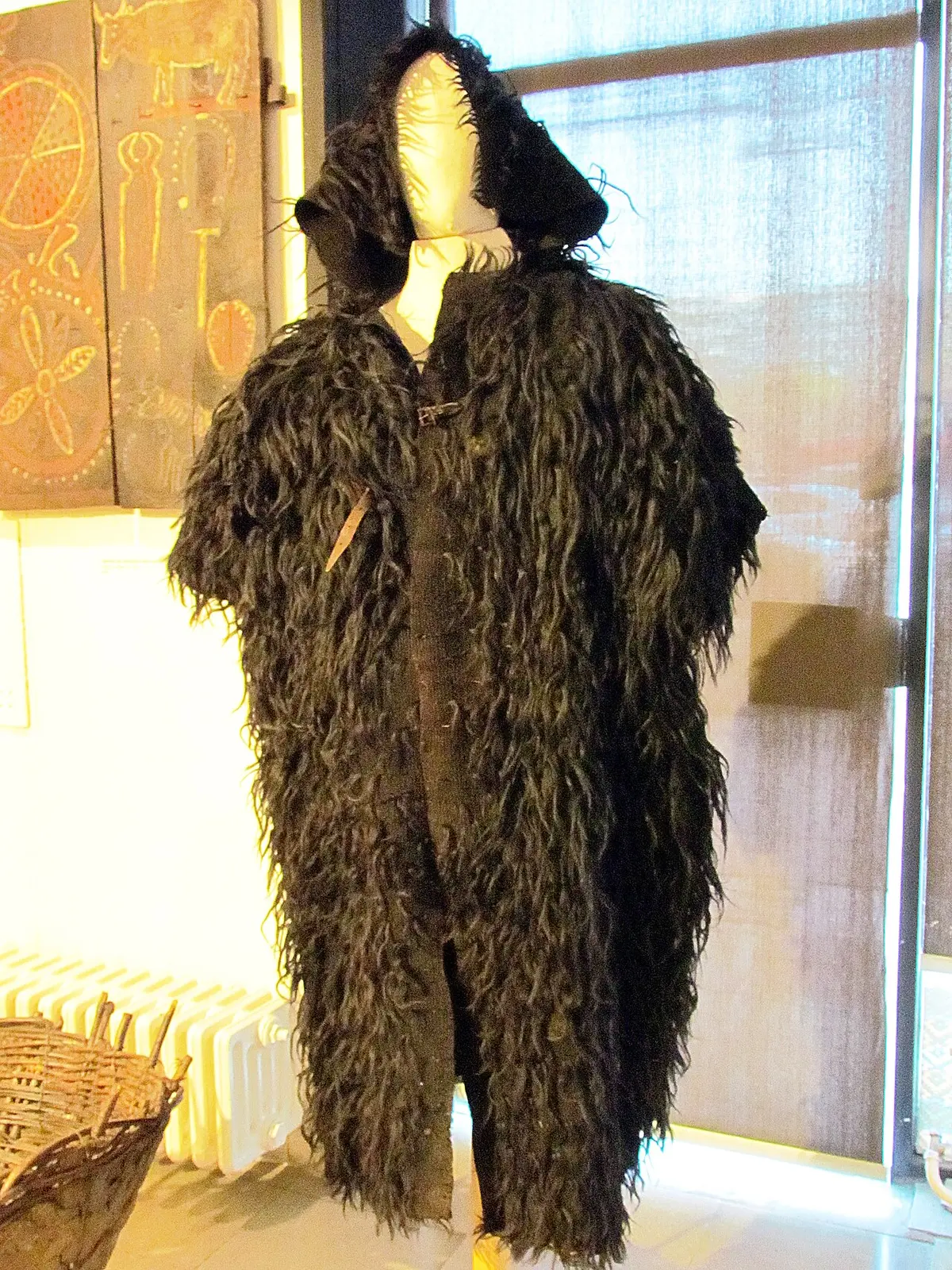
- "Raincoat Džoka, Ethnographic Museum, Belgrade" by Gmihail at Serbian Wikipedia, CC BY-SA 3.0 rs, via Wikimedia Commons.


Ready to buy?
Compare the gear: Clothing & Footwear
6 Best Rain Jacket Under 50 in 2026
Best rain jackets under $50: FROGG TOGGS, COOFANDY, FPMLUXLL and salamra shells compared for waterproofing claims, packability and hood fit.
6 Best Women S Rain Jacket Under 100 in 2026
Best women's rain jackets under $100: baleaf, SaphiRose, TCOT, Hount and UIQUR jackets compared for seams, weight, length and packability.
6 Best Rain Jackets Under 20 in 2026
Best rain jackets under $20: six budget shells for hiking and camping compared on seams, hood design, weight and fit for men, women and plus sizes.
6 Best Rain Jacket Under 100 in 2026
Best rain jackets under $100: Columbia, Outdoor Ventures, Hikevitang, COOFANDY and SaphiRose compared for sealed seams, packability and ventilation.
6 Best Rain Jackets Under 30 in 2026
Best rain jackets under $30: six shells from $20 to $27 compared on waterproof ratings, seams, zipper design and packed size for hikers and campers.
6 Best Insulated Rain Jacket Women S With Hood in 2026
Best insulated rain jackets for women with a hood: fleece-lined softshells and a velvet-lined shell compared for waterproofing, hoods and warmth.
5 Best Lightweight Rain Jacket Under 100 in 2026
Best lightweight rain jackets under $100: RAINS, COOFANDY, UIQUR and a PVC rain suit jacket compared for waterproofing, packability and hood design.
6 Best Rain Jacket For Hot Weather in 2026
Best rain jackets for hot weather: Bikewa, baleaf, Columbia, Outdoor Ventures and 33,000ft shells compared for vents, breathability and light weight.
Keep reading