
Practical Camping Guide · 12 min read
Rain Jacket Waterproof and Breathability Ratings Explained
What waterproof mm and breathability g/m2 or RET ratings mean on rain jackets, how they trade off and what else decides a dry hike.

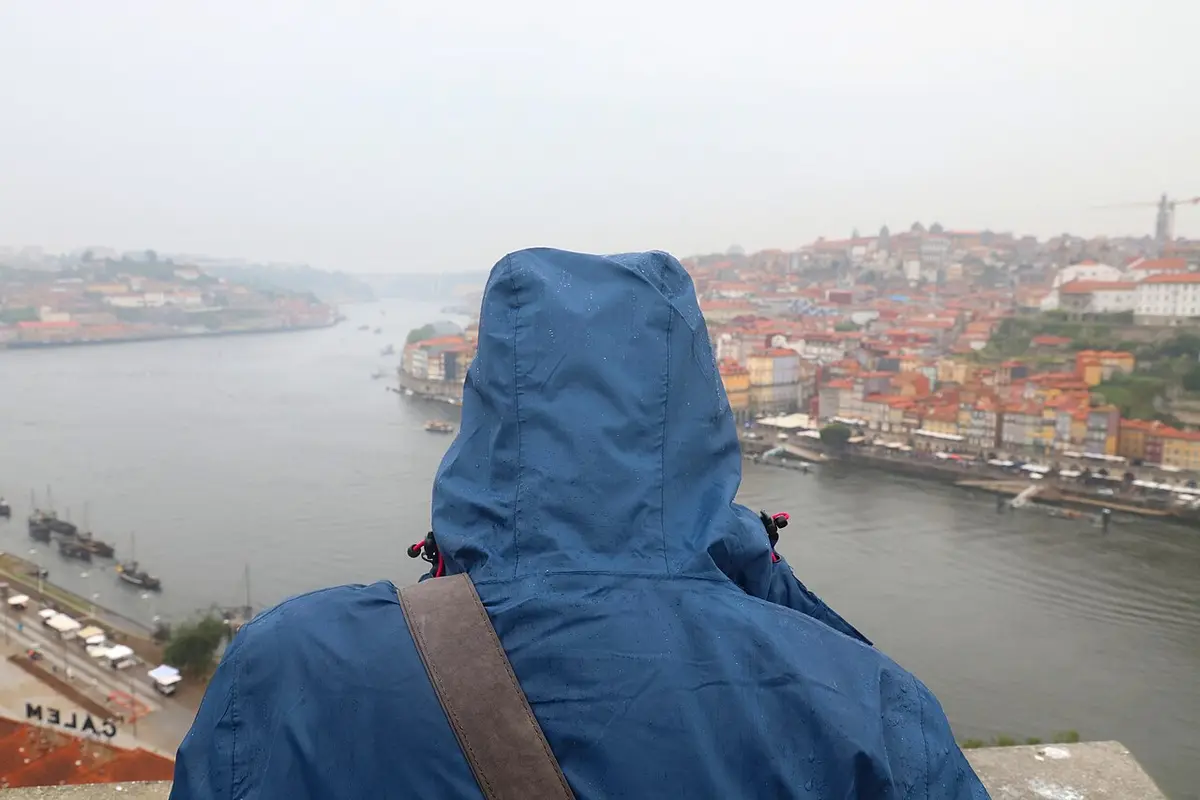
A rain jacket's waterproof rating, in millimeters (mm), tells you how tall a column of water the fabric can hold back before leaking, and its breathability rating, in grams of water vapor per square meter per 24 hours (g/m2/24h) or as RET, tells you how well sweat vapor escapes. Roughly 10,000 mm suits moderate rain, 15,000 to 20,000 mm suits heavy rain and pack pressure, and for active use, breathability of 10,000 to 15,000 g/m2/24h or more (or a low RET) matters. Fit, seams, zippers, ventilation and the outer water-repellent finish decide how a jacket performs in a real storm.
The numbers on a hangtag come from lab tests under specific conditions, and manufacturers do not all use the same methods, so comparisons across brands are rough. A jacket with a very high waterproof rating and poor breathability can leave you soaked from the inside on a steep climb, and a highly breathable shell with a low waterproof rating can wet out in sustained rain. This guide explains each rating, how they trade off, what other features matter, how to read a spec sheet and how to match a jacket to the way you use it.
What the waterproof rating measures
The waterproof rating comes from a hydrostatic head test, the same type of test used for tents. A sample of fabric is clamped over a cylinder, and water pressure builds until a few drops come through. The height of the water column in millimeters at that point is the rating. A fabric rated at 10,000 mm resisted the pressure of a 10-meter column of water. Real rain does not push that hard, but water is pressed against fabric when you sit, lean on a pack strap, kneel or walk into wind-driven rain, and the higher the rating, the greater the margin.
Common interpretations, based on retailer and outdoor guides, are consistent enough to use as a guide.
| Waterproof rating | Typical description | Suits |
|---|---|---|
| Under 5,000 mm | Water-resistant | Light drizzle, commuting |
| 5,000 to 10,000 mm | Fairly waterproof | Light to moderate rain, short outings |
| 10,000 to 15,000 mm | Waterproof | Moderate rain, day hikes |
| 15,000 to 20,000 mm | Very waterproof | Heavy rain, pack pressure, long days |
| Over 20,000 mm | Highly waterproof | Storms, expedition use |
The bands vary by source, and some call 10,000 mm "waterproof" while others call it merely adequate. As a practical rule, 10,000 mm handles most day hikes in normal rain, and 15,000 to 20,000 mm gives margin for storms and sustained exposure. For a related explanation of the same test applied to shelters, see tent waterproof ratings.
What the breathability rating measures
Breathability measures how fast water vapor, mostly your sweat, passes through the fabric to the outside. Two systems are common. MVTR (moisture vapor transmission rate), given in g/m2/24h, states how many grams of vapor pass through one square meter in 24 hours, and higher is better. RET (resistance to evaporative heat transfer) measures resistance, and lower is better. An RET below 6 is generally described as very breathable, 6 to 13 as good, 13 to 20 as moderate and above 20 as poor.
For casual wear, ratings under about 10,000 g/m2/24h are adequate, while 10,000 to 15,000 suits active use such as hiking, and 20,000 and above suits high-output activity like running and ski touring. You cannot reliably convert between MVTR and RET, so compare like with like. Breathability depends on temperature and humidity: a membrane transports vapor best when the inside of the jacket is warmer and more humid than the outside, and it stops working well when the outside air is warm and saturated, as in a humid rainy summer.
The trade-off between the two
Waterproofness and breathability tend to pull in opposite directions. A thicker or denser membrane resists water better and may pass vapor more slowly. Better fabrics and constructions push both numbers up, and that costs money. A jacket with extreme ratings in both categories is expensive, while a budget jacket may have a decent waterproof number and weak breathability.
For high-exertion activity, favor breathability. If you are hiking uphill with a pack, sweat is a bigger problem than rain pressure, and a jacket that handles vapor will keep you drier. For standing around in a cold, driving rain, favor waterproofness. Many hikers wear a lighter jacket with good venting while moving and a heavier shell for camp or storms. Budget jackets, such as those in the best rain jackets under $30 list, usually lean toward lower breathability, which is fine for casual use and less comfortable for steep hiking.
Construction details that matter as much as the numbers
Seams. Stitching creates holes, so quality jackets have taped or welded seams. A fully seam-taped jacket resists leaks far better than a jacket with only critical seams taped. Check the listing for "fully taped seams."
Zippers. Water-resistant coated zippers and storm flaps keep water out. A cheap, exposed zipper is a common leak.
Hood. A hood with a stiff brim, a cinch system and adjustments keeps rain out of your face and does not blow off in wind. The hood matters as much as the fabric.
Cuffs and hem. Adjustable cuffs and a drawcord hem seal out wind-driven rain and prevent water from running up the sleeves.
Pockets and vents. Pit zips, mesh-lined pockets and back vents improve breathability by letting air in and moist air out. For hot weather, see the best rain jacket for hot weather.
Fit. A jacket that is too tight compresses insulation layers and pinches, and one that is too loose lets in wind. It should allow layers underneath and a full range of arm movement.
The outer finish: DWR
The outer fabric has a durable water repellent (DWR) coating that makes water bead and roll off. DWR is separate from the waterproof membrane. When DWR wears off, the outer fabric soaks up water, or "wets out," and the jacket feels cold and clammy and loses breathability, even though the membrane underneath may still be keeping water out. Many people think the jacket is leaking when the real problem is a failed DWR.
DWR wears down with dirt, oils, abrasion and washing. Restore it by cleaning the jacket and applying a wash-in or spray-on treatment. The steps are in how to wash and re-waterproof a rain jacket.
Types of rain jackets
Hardshells use a membrane (such as Gore-Tex or similar) laminated to a face fabric and a backer. They are the standard for serious hiking and mountain use, with the best waterproof and breathable performance, and they cost more. See the best rain jacket for men hiking and best lightweight rain jacket under $100 lists.
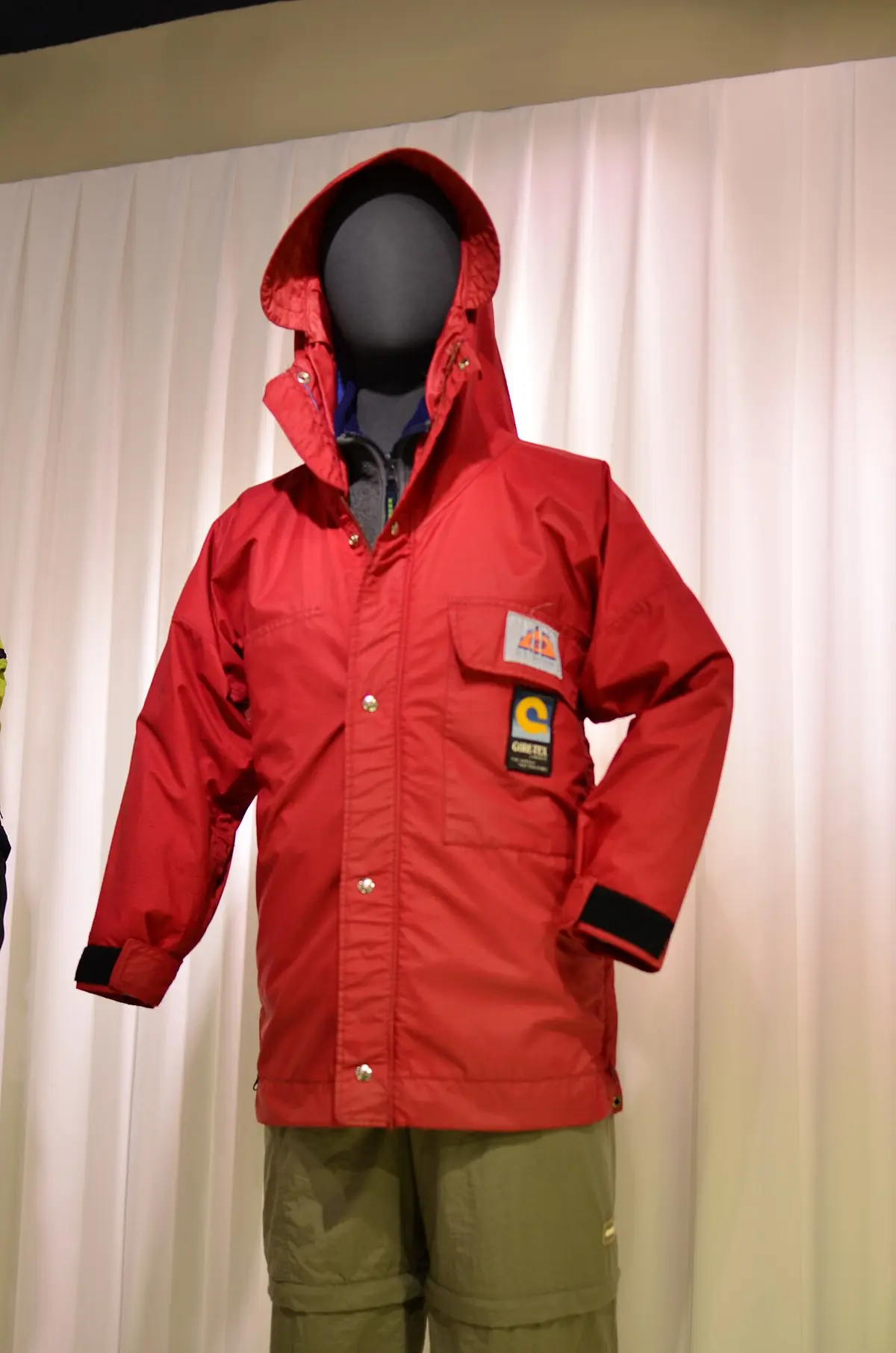
Coated nylon or polyester jackets use a polyurethane coating on the inside of the fabric. They are cheaper and less breathable, and fit casual use and emergencies. Check the best rain jacket for men under $100.
Softshells are water-resistant, stretchy and breathable, and they work for light rain and activity. They are not for sustained rain.
Insulated rain jackets add warmth for cold, wet climates, as in the best insulated rain jacket for women with hood list. They are heavier and can be too hot for exertion.
Ponchos and emergency shells offer cheap, light protection for short use.
Reading a spec sheet
When you shop, look beyond the headline number.
- Waterproof rating and test method. Is it a specific number, and does the maker describe the test?
- Breathability in MVTR or RET. Not every jacket lists it, and the absence often signals a lower-end fabric.
- Seam construction. Fully taped is the target.
- Zippers and vents.
- Hood adjustability.
- Weight and packed size.
- Care instructions and DWR type. Some DWR treatments are free of PFAS chemicals, an increasingly common feature.
A jacket that provides most of this information is made by a maker confident in its product. A jacket that lists only "waterproof" is likely to be at the budget end.
Why lab numbers do not tell the whole story
Lab tests are performed on new, flat, clean fabric in controlled conditions. In the field, a jacket flexes, folds, gets dirty, rubs under a pack and wears at the shoulders and cuffs. The waterproof test pushes water against a flat sample for a short time, while real use involves wind, movement, body heat and sweat. Breathability tests use specific temperature and humidity settings that may not match your day. A jacket with an excellent rating on paper can feel clammy during a hot, humid climb, and a modest jacket with generous vents can feel better than its numbers suggest.
That is why experienced hikers pay close attention to design features: pit zips that open wide, a pocket layout that works with a pack hip belt, a hood that fits over a helmet or hat, and a length that covers the hips. They also treat jacket choice as part of a clothing system. A breathable base layer that wicks sweat, a mid-layer that traps heat and a shell that blocks wind and rain work together. If one layer is wrong, the whole system suffers, so a high-end shell over a cotton T-shirt will still leave you cold and damp.
Rain versus wet from the inside
Many cases of "my rain jacket leaks" are actually condensation. When you are working hard, your body produces more water vapor than any fabric can pass quickly, so some of it condenses on the inside of the shell, especially in cold air. A simple test helps: if the jacket feels wet but the outside is beading water, and the dampness appears on the inside of the shell, and there are no drips at the seams, you are experiencing condensation or sweat.
You can reduce it by venting early and often. Open pit zips and the front zipper a little before you start to feel hot, remove layers under the shell and slow your pace on climbs. Consider a lighter shell for aerobic activity, and keep the heavier hardshell for camp and storms. In cold weather, a wicking base layer and a thin insulating layer keep moisture away from the skin. Drying the jacket at camp and between trips helps too, since a damp jacket traps more moisture the next day.
A budget framework
Rain jackets range from very inexpensive to several hundred dollars. At the low end, coated nylon jackets provide basic protection for occasional use and emergency kits. In the middle range, a jacket with a branded or proprietary membrane, taped seams, adjustable hood and venting suits regular hikers. At the top, premium hardshells offer the best ratings, lighter weight and durable construction for frequent use.
Think about use per year. A jacket worn 50 days a year in real weather is a different purchase from a jacket kept in the trunk for surprise showers. Spend more on the hood, seams and breathability if you hike in rain often, and less if you just want a backup. Care extends life: a $150 jacket washed and reproofed properly will outlast a $150 jacket neglected. Replace a shell when the membrane delaminates, peels or leaks at the seams, and not just because the DWR has worn off, which you can fix yourself.
Matching a jacket to your use
- Day hiking in moderate rain: 10,000 to 15,000 mm and 10,000 or more g/m2/24h, with pit zips.
- Backpacking in storms or sustained rain: 15,000 to 20,000 mm, full seam taping, a good hood and venting.
- Commuting and casual wear: 5,000 to 10,000 mm and a fit that fits over normal clothes.
- Hot, humid weather: a lightweight jacket with maximum venting and breathability, or a poncho.
- Cold rain or snow: an insulated shell or a hardshell with a layering system. See how to layer clothing for camping for the full system.
- Emergency use: a low-cost, light shell that packs small.
Pairing the jacket with the rest of your rain system
A rain jacket does its best work as part of a system that keeps water out at every opening, and your feet are one of the biggest. Water running down the jacket and legs ends up in your footwear, so the boots or shoes you wear with it matter. If you plan to hike in wet weather, think about whether to choose waterproof footwear or quick-drying shoes: the trade-offs are laid out in waterproof vs non-waterproof hiking footwear, and a broader comparison of the three main footwear types is in hiking boots vs hiking shoes vs trail runners. Whatever you pick, fit decides comfort in wet conditions, because wet skin blisters easily, and our guide to how hiking boots should fit explains how to check it.
Rain pants, gaiters and a brimmed hat complete the picture. Rain pants with side zips go on over boots without removing them and block water from running into the footwear. A hat with a brim under the hood keeps rain off your face and improves visibility. Waterproof gloves or mitts protect hands in cold rain, and a pack cover or a dry bag liner keeps gear dry. For ventilation, choose pants with long leg zippers. In warm rain, a lightweight jacket alone may be the best system, since overdressing leads to sweat.
What to do when the jacket fails mid-trip
Even good jackets fail. If your jacket starts soaking through, first decide whether the problem is the outer fabric or the membrane. Wipe the outside: if the fabric looks dark and wet rather than beading, the DWR has worn off, and the inside dampness is largely from wicking and cooling. You can improve things by wearing a dry base layer, slowing your pace and adding a layer on top to cut wind chill. If the leak is at a seam or zipper, a patch of waterproof tape from a repair kit can help temporarily.
In an emergency, a trash bag or a lightweight poncho from your pack provides an extra waterproof layer over the jacket. A bivy bag or an emergency blanket helps during a long stop. Get to shelter, change into dry clothes and drink something warm. Pack a repair kit with seam tape, a few patches and a small tube of adhesive, along with a spare dry base layer in a sealed bag. This small kit makes a bad day manageable and takes up almost no space.
Common mistakes to avoid
- Choosing by waterproof rating alone and ignoring breathability.
- Assuming a leaking jacket needs replacing when the DWR just needs reproofing.
- Wearing a heavy shell for hard exertion in mild rain.
- Skipping the hood fit check.
- Washing with ordinary detergent or fabric softener.
- Ignoring seams, zippers and cuffs.
- Comparing breathability numbers in different units.
Frequently asked questions
What waterproof rating do I need for hiking?
For most hiking in normal rain, 10,000 mm is adequate, and 15,000 to 20,000 mm gives extra margin for storms and long exposure. Fully taped seams, a good hood and DWR maintenance matter just as much as the number.
What is a good breathability rating?
For active use such as hiking, look for 10,000 to 15,000 g/m2/24h or more, or an RET below about 13, and below 6 is excellent. Casual jackets can be lower. Vents add real-world breathability.
Why does my waterproof jacket feel wet inside?
Often it is sweat that cannot escape, especially in warm weather or during hard exertion. It can also be a failed DWR, which makes the outer fabric soak up water and block vapor. Vent the jacket, and clean and reproof it.
Is a higher waterproof rating always better?
Not necessarily. Very high ratings can mean stiffer, heavier fabrics with lower breathability. Choose a rating that matches the conditions, and balance it with breathability for your activity.
Do I need Gore-Tex?
Not necessarily. Many membranes perform well, and good construction matters as much as the brand name. A well-made jacket with a quality membrane and taped seams performs well whatever the label.
How do I restore a jacket's waterproofing?
Wash it with a technical cleaner, then apply a wash-in or spray-on DWR treatment and heat it gently in a dryer if the label allows. If water still soaks in after reproofing, the membrane or seam tape may have failed.
Sources & further reading
- Jans: Waterproof and Breathability Ratings Explained
- Advnture: Breathability Ratings
- Appalachian Outfitters: Rain Gear 101
Image credits
- "009 Sightseeing in the rain in Porto, Portugal - tourist with outdoor jacket hood visiting a viewpoint" by Marek Ślusarczyk (Tupungato) Photo portfolio, CC BY 3.0, via Wikimedia Commons.
- "Early Gore-Tex hooded rain jacket" by Joe Mabel, CC BY-SA 4.0, via Wikimedia Commons.


Ready to buy?
Compare the gear: Clothing & Footwear
6 Best Rain Jackets Under 30 in 2026
Best rain jackets under $30: six shells from $20 to $27 compared on waterproof ratings, seams, zipper design and packed size for hikers and campers.
6 Best Insulated Rain Jacket Women S With Hood in 2026
Best insulated rain jackets for women with a hood: fleece-lined softshells and a velvet-lined shell compared for waterproofing, hoods and warmth.
5 Best Lightweight Rain Jacket Under 100 in 2026
Best lightweight rain jackets under $100: RAINS, COOFANDY, UIQUR and a PVC rain suit jacket compared for waterproofing, packability and hood design.
6 Best Rain Jacket For Hot Weather in 2026
Best rain jackets for hot weather: Bikewa, baleaf, Columbia, Outdoor Ventures and 33,000ft shells compared for vents, breathability and light weight.
5 Best Rain Jacket For Men Hiking in 2026
Best men's rain jackets for hiking: The North Face Antora, 33,000ft and COOFANDY shells compared for vents, seams, weight and hood coverage.
4 Best Rain Jacket For Men Under 100 in 2026
Best men's rain jackets under $100: Columbia Watertight II and Glennaker Lake II, TEZO and UIQUR compared for seams, packability and fit.
6 Best Rain Jacket For Women Hiking in 2026
Best women's rain jackets for hiking: baleaf, SWISSWELL, MOERDENG, Columbia and more compared for vents, hoods, weight and pockets on the trail.
6 Best Rain Jacket Under 100 in 2026
Best rain jackets under $100: Columbia, Outdoor Ventures, Hikevitang, COOFANDY and SaphiRose compared for sealed seams, packability and ventilation.
Keep reading