
Practical Camping Guide · 13 min read
UPF Sun-Protective Clothing Explained
UPF measures how much UV passes through fabric. Learn what UPF 50 means, how wet or stretched fabric changes it and how to choose shirts and hats.

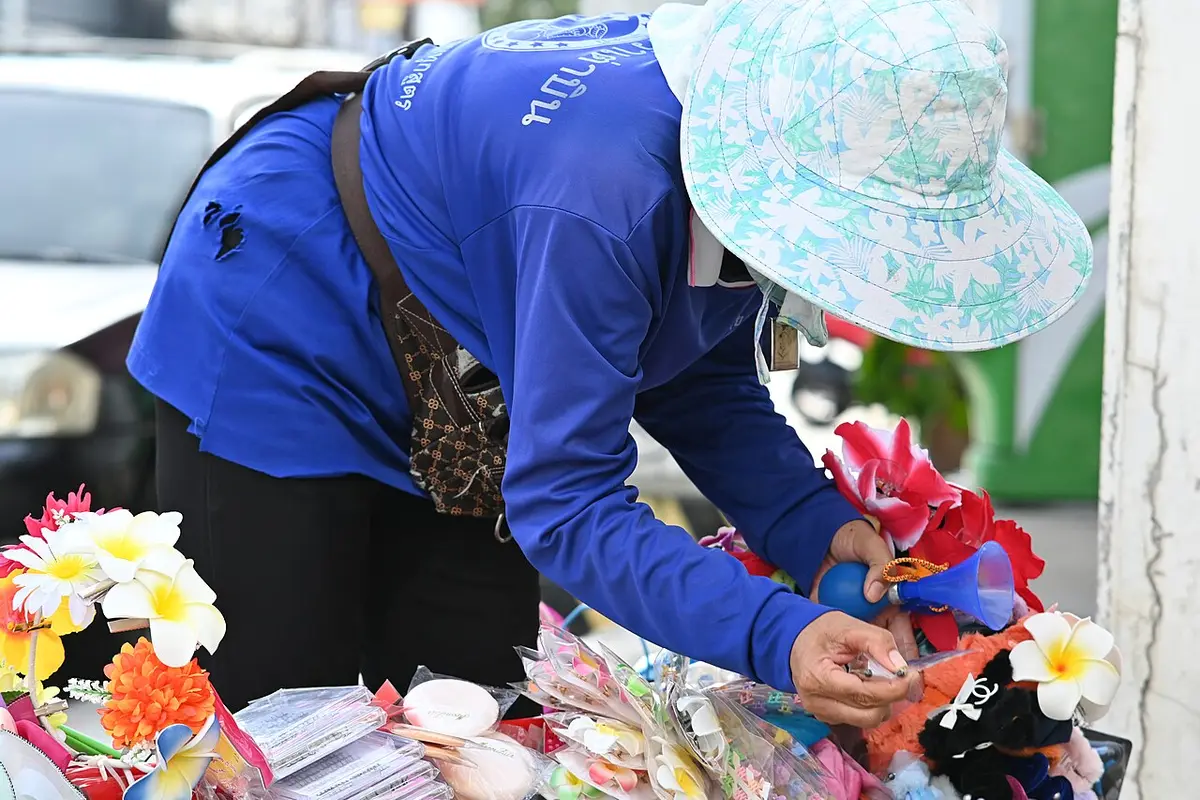
UPF (ultraviolet protection factor) tells you how much ultraviolet radiation passes through a fabric to your skin. A UPF 50 fabric lets through about one fiftieth of UV, or roughly 2 percent, so it blocks about 98 percent, and "50+" means it exceeds that category. The rating describes dry, unstretched fabric in a lab, so it falls when the fabric is wet, stretched, thin or worn, and it only protects the skin the garment covers.
UPF is one of the few clothing claims backed by testing standards, which makes it a useful tool for choosing sun shirts, hats and pants for hiking, camping, fishing and beach days. It is not a substitute for shade, sunscreen on exposed skin or common sense at midday. This guide explains how the rating works, the standards behind it, which fabrics and colors protect best, what affects a garment's real-world protection, how to compare UPF with SPF and how to pick hats, shirts and pants that keep you covered.
What UPF means
UPF is expressed as a number that indicates the ratio of UV radiation that would reach the skin without protection to the amount that reaches it through the fabric. A UPF of 50 means that if sunburn would take 10 minutes without protection, in theory it would take 500 minutes behind the fabric, though that mental model is only a rough illustration because sun intensity and skin type vary. The better way to read it is as a fraction: UPF 50 transmits about 2 percent of UV, UPF 30 about 3 percent and UPF 15 about 6.7 percent.
UPF measures both UVA and UVB radiation, which damage skin in different ways. UVB causes sunburn, and UVA penetrates deeper and contributes to skin aging and skin cancer risk. A fabric's UPF rating takes both into account in the test, unlike a sunscreen's SPF number, which historically measures UVB protection only, with separate labeling for broad-spectrum protection.
Standards and categories
Several standards govern UPF testing and labeling. In Australia and New Zealand, AS/NZS 4399 sets the test method and classification, and the Australian Radiation Protection and Nuclear Safety Agency (ARPANSA) describes labeling and testing services. In the United States, test methods include AATCC 183 and ASTM D6603 for labeling, and ASTM D6544, which prepares samples by simulating wear and washing so the rating reflects an aged fabric.
Under the Australian and New Zealand approach, UPF classes are commonly described as follows: UPF 15 to 24 is good protection, 25 to 39 is very good and 40 to 50 and above is excellent. A garment labeled UPF 50+ meets the top category. The details differ between standards, and a US-labeled product may follow different rules than an Australian one, so check which standard a manufacturer cites. Labels that cite a standard and a testing lab are more trustworthy than those that simply say "UV protective."
| UPF rating | Category | Approximate UV blocked |
|---|---|---|
| 15 to 24 | Good | 93.3 to 95.9 percent |
| 25 to 39 | Very good | 96 to 97.4 percent |
| 40 to 50+ | Excellent | 97.5 percent and up |
What affects real-world protection
The lab rating is for dry, unstretched, new fabric. In real use, several factors change the numbers.
- Stretch. When a fabric stretches over a body, the weave opens and more UV passes through. A tight-fitting shirt may offer less protection than a looser one with the same label.
- Wetness. Wet fabric often transmits more UV, with some fabrics losing a good share of their rating when soaked. A swim shirt designed for water may be tested wet.
- Age and wear. Washing, sun exposure and abrasion can break down treatments and thin the fabric. A shirt that started at UPF 50 can fall after seasons of use, and the standard for aging tests addresses this.
- Fabric structure. A dense, tight weave blocks more UV than a loose knit. Hold the fabric up to the light: if you can see through it easily, UV is passing through too.
- Fit and coverage. A shirt protects only where it covers. A short sleeve, an open collar and a loose neck leave skin exposed. For a garment to carry a UPF claim under some standards, it must cover the shoulders and extend down to a specified point, so check the garment design as well as the label.
Fabric, color and construction
Synthetic fabrics such as polyester and nylon tend to block UV well, especially in tight weaves, and many are treated with UV absorbers that boost protection. Polyester is generally better than nylon at absorbing UV. Cotton blocks less when light colored and thin, but thick, dark cotton does reasonably. Natural fibers like linen and loose weaves offer less protection.
Color plays a role: darker and more saturated colors absorb more UV than pale colors and offer more protection, though dark fabrics feel hotter in direct sun. White fabrics reflect visible light but can let UV through unless treated. A light, tightly woven synthetic with a UV-absorbing finish gives good protection and keeps you cooler than a dark one.
Treatments can add UV absorbers into the fiber during manufacturing, which last longer than a wash-in treatment. A few products can be applied at home to boost UPF, but their durability varies and they wash out over time. A garment made with UPF built into the fabric is more reliable.
UPF versus SPF
SPF (sun protection factor) is the rating for sunscreen. It measures protection against UVB on skin in a standard lab test, and it depends on applying the right amount and reapplying every couple of hours or after swimming. In practice, most people apply too little sunscreen and miss spots. UPF clothing provides consistent protection with no reapplication and covers skin continuously, which makes it more reliable for large areas of the body.
A good sun strategy combines clothing, shade and sunscreen on exposed areas, along with sunglasses and a wide-brimmed hat. Dermatology and public health agencies commonly recommend seeking shade during peak sun hours, wearing protective clothing and applying broad-spectrum sunscreen to the rest. Clothing is the easiest part, because you put it on once.
Choosing shirts, pants and hats
Sun shirts. Look for long sleeves, a collar that covers the neck, a hood or a high collar if you burn easily and a UPF rating of 30 to 50+. Lightweight, vented fabrics keep you cool. The lists of the best sun shirts for hot weather, the best sun shirts for men at the beach and the best women's sun shirt with hood cover these options.

Pants. Lightweight hiking pants often carry UPF 30 to 50. See how to choose hiking pants for fabrics and fit.
Hats. A wide brim of at least 3 inches all around protects the face, ears and neck, areas that often get sunburned. Look for a UPF rating on the brim and crown, a chin cord for wind and a neck flap for extra coverage. See the best sun hats for men, the best sun hats for women and the best sun hats for women with small heads lists.
Gloves, neck gaiters and sunglasses. Thin UPF gloves protect the backs of hands, a neck gaiter covers the neck and sunglasses with UV protection shield the eyes. These small items protect areas that are easy to forget.
Socks, shoes and the lower body
Feet and ankles burn too, especially in sandals and low shoes. Wear socks, or choose footwear that covers the top of the foot. If you spend time in water or on bright sand, protect the tops of your feet, which see direct sun. The choice of footwear is covered in how hiking boots should fit, hiking boots vs hiking shoes vs trail runners and waterproof vs non-waterproof hiking footwear, and in sunny, hot weather breathable shoes with socks give both protection and comfort.
How much sun is too much: the context for UPF
Ultraviolet exposure depends on more than the clock. The UV index, reported in most weather forecasts, rates the strength of sunburn-producing UV on a scale from 1 to 11 and above, and a reading of 3 or higher is when sun protection is generally recommended. UV is strongest in the middle of the day, at lower latitudes, at higher altitude and in summer. It rises roughly a few percent with every thousand feet of elevation because there is less atmosphere to absorb it. Surfaces reflect UV too: fresh snow can reflect most of it, sand and water reflect a smaller but meaningful share, which is why you can burn under a hat brim on a lake or a snowfield.
Clouds block visible light more than UV, and a cool, overcast day at altitude can deliver a surprising dose. That is why hikers and campers who get a burn on a cloudy day are often surprised. A habit of wearing UPF clothing every day outdoors, regardless of temperature, avoids these surprises and reduces cumulative exposure over years, which matters because UV damage adds up.
Camping and hiking situations that call for UPF
Alpine hiking. High altitude, thin air and bright surfaces mean intense UV. Wear a long-sleeve UPF shirt, a hat with a neck cover and sunglasses with side protection, and apply sunscreen to the face and hands. Snow glare makes a hood or a buff on the lower face useful.
Desert and open terrain. There is little shade and strong radiation. Light-colored, loose UPF clothing keeps you cooler than bare skin and protects against sun and wind, and a wide brim prevents face burns. Cover your neck, since a collar or a bandana protects an area that people often miss.
Water days. Lakes, rivers and beaches reflect UV from below, and wet clothing may lose some UPF. Choose swim shirts and rash guards designed for water, which are tested for UPF and made of fabrics that keep their rating when wet. A hat with a chin strap stays on in wind and splash.
Camp and RV life. Sitting in the sun at a campsite adds up over days. A shade structure, a UPF hat and a lightweight long-sleeve shirt make evenings comfortable. Awnings and canopies block direct sun but not reflected UV, so clothing still matters. Children need special attention, because their skin is thinner and more sensitive, and sun protection for kids should be consistent.
Testing and trust: what to look for on a label
When you read a label, check four things. First, the UPF number, which should be 30 or higher for regular use and 50 for long exposure. Second, the standard cited, such as AS/NZS 4399, AATCC 183 or ASTM D6603. Third, whether the rating is for the whole garment or only part, such as the body of a hat and not the brim lining. Fourth, whether the fabric's UPF is inherent or a treatment that wears off, and how many washes it lasts.
Be skeptical of claims that use only the words "UV blocking," "sun shield" or "sun guard" without a number. Such terms are not standardized and say nothing about performance. If a seller gives a UPF figure but no standard, ask or look for independent test data. Reputable makers publish test details or certification marks on the label, and they usually explain what happens to the rating when the garment is wet or worn.
A simple sun-protection kit for campers
Build a small kit that covers the common exposures. A long-sleeve UPF shirt in a light color, a pair of UPF hiking pants, a wide-brim hat with a chin strap, a neck gaiter or bandana, UV-blocking sunglasses and a broad-spectrum sunscreen of SPF 30 or higher for exposed skin and lips. Add a lip balm with SPF and a small mirror to check the face and ears. Keep them together in a bag so you can grab them for each trip.
For the whole family, give each person a hat and long sleeves, and set a rule for covering up during the middle of the day. Teach children to look for shade, and keep a stash of extra hats because they get lost. At the end of the day, check for pink skin, and take it as a cue to cover more tomorrow. This modest kit protects against sunburn on trips and keeps long-term risk lower.
Swimwear, wet clothing and water days
Water days deserve special thought because wet fabric behaves differently. Many cotton shirts lose a large part of their sun protection when soaked, and loose knits let more UV through when they stretch against skin. Swim shirts and rash guards are made from tightly knit polyester or nylon with elastane and are designed to keep their rating when wet, though the label often states the rating for dry fabric, so look for a statement about wet performance or testing to a standard that includes it. A long-sleeve swim shirt in a snug but not tight fit protects the shoulders and back, which are the most sunburned areas for paddlers and swimmers.
Remember that water reflects UV and that the tops of the feet, the backs of the knees and the neck are often missed. Wear water shoes or sandals with socks if your feet burn, a hat with a chin strap, and apply water-resistant sunscreen to exposed skin, reapplying after swimming or sweating. Dry swim clothing in the shade, and rinse it in fresh water to remove chlorine and salt, which can degrade fabrics and treatments faster.
UPF for children and sensitive skin
Children are especially vulnerable to sun damage because their skin is thinner and they spend long periods outdoors. UPF clothing is one of the easiest ways to protect them, since a child in a long-sleeve shirt and a brimmed hat needs no wrestling with sunscreen on large areas. Choose lightweight, breathable fabrics so kids stay comfortable in heat, with a collar or a flap that covers the neck, and add a hat with a chin strap. Infants under six months should be kept out of direct sun and dressed in loose, light clothing, and parents should follow medical guidance on sunscreen for babies.
People with sensitive skin, a history of skin cancer, photosensitizing medications or fair skin benefit from consistent clothing coverage. Choose higher-rated fabrics, tight weaves and full coverage, and talk with a dermatologist about a plan. Know that some UV-blocking treatments are applied to fabric and can irritate sensitive skin in rare cases, and that washing a new garment before wear is a sensible step.
Myths and misunderstandings
Several misunderstandings persist about sun protective clothing. One is that a dark shirt always blocks UV well: color helps, but weave and fiber matter more, and a thin dark cotton can still be poor. Another is that any white T-shirt gives UPF 50: typical cotton T-shirts offer far less. A third is that UPF clothing means you can skip hats and sunglasses: clothing protects only covered skin. A fourth is that you cannot get sunburned on a cloudy day: UV passes through clouds and builds up. A fifth is that a rating is permanent: wear, stretching and washing reduce it over time.
The correct approach is to treat UPF as a useful, standards-based claim that works best in combination with shade, a hat, sunglasses and sunscreen on skin that clothing does not cover. Choose garments with a stated rating and standard, keep them in good condition and replace them when they thin out. Teach family members to check the UV index, to seek shade at midday and to cover up when the index is high.
Care
To keep UPF protection, wash gently, avoid bleach and harsh detergents and skip fabric softener, which can coat the fibers. Do not over-stretch the fabric, and replace garments when they become thin, faded or stretched. UV absorbers in the fabric last longer than surface treatments, but all garments age. Hang to dry out of direct sun when possible.
Common mistakes to avoid
- Assuming that any dark shirt has a UPF rating.
- Forgetting that wet or stretched fabric loses protection.
- Relying on clothing alone for exposed face, neck and hands.
- Buying a UPF garment that does not cover the areas you burn.
- Ignoring the standard behind the label.
- Using a worn-out shirt and expecting full protection.
- Skipping a hat with a wide brim.
Frequently asked questions
What does UPF 50 mean?
It means the fabric lets through about 1/50th, or 2 percent, of UV radiation, so it blocks about 98 percent. The "50+" label means it meets or exceeds the highest category. The rating applies to new, dry, unstretched fabric.
Is UPF better than sunscreen?
It is more reliable because you cannot forget to reapply it, but it only protects covered skin. The best approach is to use both: UPF clothing for the body and sunscreen on exposed skin.
Does a regular T-shirt have a UPF rating?
It can, but a typical cotton T-shirt often has a modest UPF, around 5 to 10 when dry and lower when wet, depending on color and weave. A garment labeled UPF 30 or higher gives more reliable protection.
Does UPF protection wash out?
Treatments applied after manufacturing can fade with washing, while UV absorbers built into the fiber last longer. Wear and stretching reduce protection over time. Replace thin, worn garments.
Are dark clothes better for sun protection?
Dark and saturated colors absorb more UV than light colors, so they generally protect more, but a tightly woven light fabric with a UV treatment can match them and feel cooler. Check the UPF label.
How big should the hat brim be?
A brim of at least 3 inches all around gives good protection for the face, ears and neck. Wider brims help more but catch wind. A neck flap or a chin strap adds coverage and security.
Sources & further reading
Image credits
- "DFC 0826 A street vendor wearing a wide-brimmed sun hat and blue shirt arranges colorful artificial flowers and small trinkets on a sidewalk display" by PattayaPatrol, CC BY-SA 4.0, via Wikimedia Commons.
- "DSC 6997 A golfer in a sun hat and plaid shirt takes a tee shot on a bright clear day with trees and a water hazard in the background" by PattayaPatrol, CC BY-SA 4.0, via Wikimedia Commons.


Ready to buy?
Compare the gear: Clothing & Footwear
6 Best Women S Sun Shirt With Hood in 2026
Best women's sun shirts with a hood: six UPF hoodies compared for ponytail openings, thumb holes, pockets and airflow in the sun.
6 Best Sun Hats For Men in 2026
Best sun hats for men: KIRAAT, Home Prefer, FURTALK, EINSKEY and Sireck wide-brim hats compared for neck flaps, airflow, UPF and fit range.
6 Best Sun Hats For Women With Small Heads in 2026
Best sun hats for women with small heads: Wallaroo petite, FURTALK, Sukeen, Durio and Trifabricy hats compared by stated head size and adjustment.
6 Best Sun Hats For Women in 2026
Best sun hats for women: FURTALK, AlturaGo, Trifabricy, NPQQUAN and INOGIH hats compared for brim width, UPF, packability and ponytail fit.
5 Best Sun Shirts For Hot Weather in 2026
Best sun shirts for hot weather: MAGCOMSEN, TELALEO, Roadbox, Boladeci and Runhit UPF 50+ long sleeves compared for airflow, weight and dry time.
6 Best Sun Shirts For Men Beach in 2026
Best sun shirts for men at the beach: six UPF 50+ long sleeves compared for stretch, hoods, graphics and all-day comfort in sand and surf.
6 Best Sun Shirts For Men Hiking in 2026
Best sun shirts for men on the trail: six UPF 50+ options compared for ventilation, pockets, roll-up sleeves and chafe-free fit under a pack.
6 Best Sun Shirts For Men Swimming in 2026
Best sun shirts for men who swim: six UPF 50+ long sleeves compared on quick-dry fabric, seams, hoods and fit for pool, lake and ocean days.
Keep reading