
Practical Camping Guide · 12 min read
Backpack Liter Size Guide for Day Hikes and Overnights
How many liters you need: 10 to 25 L for day hikes, 30 to 50 L for overnights, 50 to 80 L for longer trips, plus how to estimate gear volume.

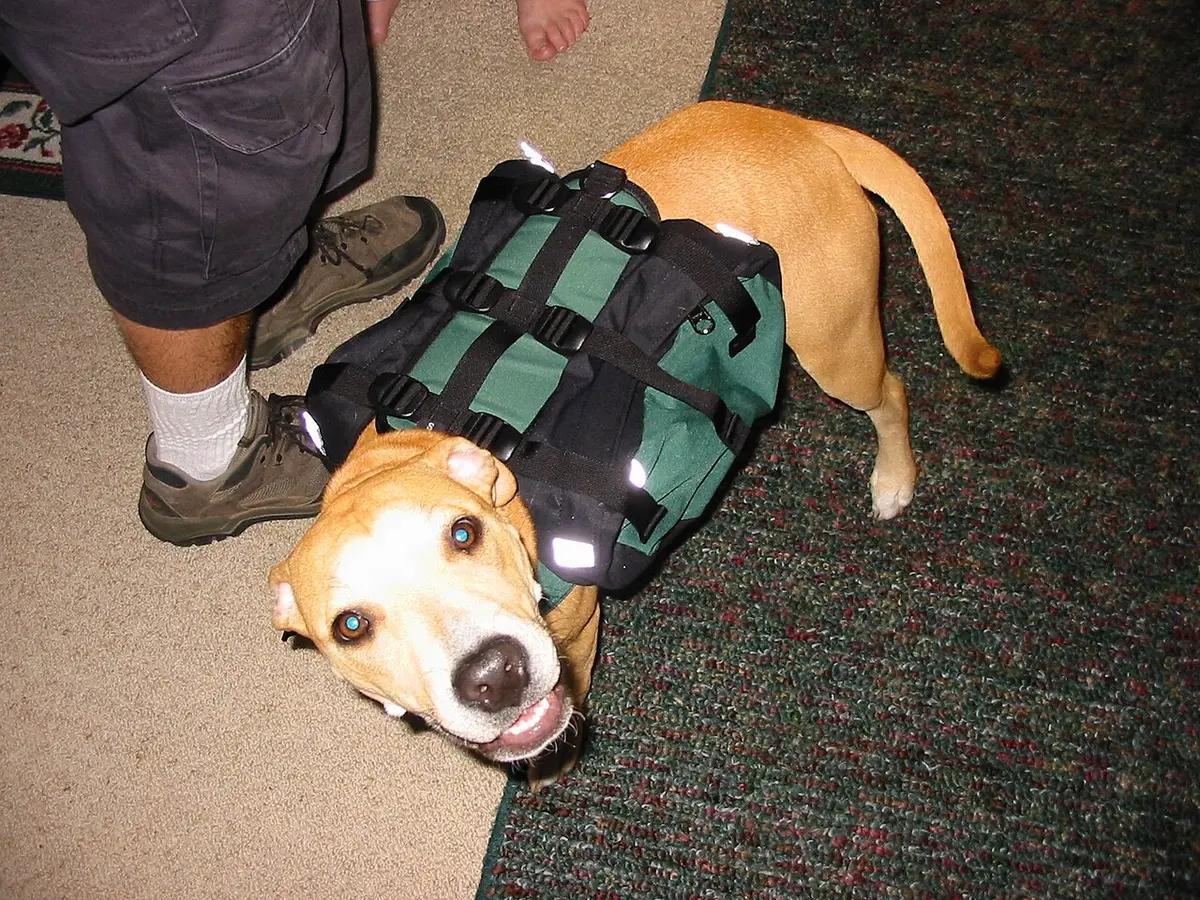
For day hikes, a pack of 10 to 25 liters holds water, food, a jacket and the essentials. For a single overnight or a weekend, plan on about 30 to 50 liters if your gear is compact and lightweight, 50 to 65 liters for a typical three- to five-night trip with standard gear and 65 to 80 liters or more for extended trips, winter camping and families sharing gear. Choose the smallest pack that carries your gear comfortably, because extra space tends to fill with extra weight.
Liters measure a pack's volume, not its weight capacity or its quality. Two 50 liter packs can feel very different, depending on the frame, the suspension and how the volume is shaped. Volume numbers are also measured differently by makers, sometimes including side pockets and the lid, sometimes not. This guide explains how to match volume to your trip, how to estimate your gear volume, what changes for cold weather, kids and ultralight packers, how to use compression and external attachments and how to avoid buying too much pack.
What a liter means
One liter is 1,000 cubic centimeters, about 61 cubic inches. A 40 liter pack holds about 2,440 cubic inches. Manufacturers state volume for the main compartment, and some add pockets, lid and extension collars. A pack listed as "50 + 10" has a main body of 50 liters and an extension collar or lid that adds 10. Check how the figure is calculated before comparing. A pack with generous external pockets may feel bigger than its number suggests.
Volume is not the same as load capacity. A pack with a flimsy suspension can hold 60 liters of gear and be miserable at 25 pounds, while a pack with a stiff frame carries 40 pounds comfortably. Match volume to gear, and match suspension to weight. For fit and suspension, see how to size a hiking backpack to your torso.
Volume by trip type
| Trip type | Typical volume | Notes |
|---|---|---|
| Short walk, errands | 10 to 20 L | Water, snack, light jacket |
| Day hike (warm weather) | 18 to 28 L | Water, lunch, layer, first aid, map |
| Day hike (cold or full-day) | 25 to 40 L | Extra layers, insulation, more food |
| Overnight (ultralight gear) | 30 to 45 L | Small tent or tarp, light quilt |
| Weekend (1 to 2 nights) | 40 to 55 L | Standard gear for mild weather |
| 3 to 5 nights | 50 to 70 L | Food and stove fuel add volume |
| 5 to 7 nights or more | 60 to 80 L | Resupply planning matters |
| Winter overnights | 55 to 80 L | Bulky insulation and sleeping bag |
| Climbing and mountaineering | 30 to 50 L | Technical gear, with a harness attachment |
REI's guidance reflects this pattern: many backpacking packs start at about 45 liters and range up to 80, efficient packers using compact, light gear can manage 1 to 3 nights in 30 to 50 liters, and larger daypacks of 36 to 50 liters suit trips needing extra clothing and gear, such as hiking in colder months. Use these ranges as a starting point.
Day packs
For a summer day hike on a well-marked trail, a 15 to 25 liter pack is typical. It holds two liters of water, lunch, a rain shell, a light fleece, sunscreen, a first aid kit, a headlamp and a map. Colder or longer days call for more clothing and food, and a 25 to 35 liter pack is helpful. If you carry gear for kids, add volume and consider a pack with side access.
A hydration bladder sleeve saves effort and balances weight, and many daypacks include one. The best lightweight hiking backpack with water bladder list covers this type. For budgets, the best hiking backpack under $50 and under $150 lists show what is available. Pay attention to comfort features: padded shoulder straps, a sternum strap and a ventilated back panel.
Overnight and multi-day packs
Gear volume is dominated by three items: the sleeping bag, the shelter and clothing. A down bag rated near freezing takes about 8 to 12 liters when compressed, a synthetic bag 12 to 20 liters, a two-person tent body, fly and poles 8 to 15 liters and clothing 5 to 10 liters. Food for several days takes 1 to 1.5 liters per person per day, plus a stove, pot and fuel that take 2 to 4 liters. With those numbers, a three-night trip with standard gear needs about 45 to 60 liters of space, and an ultralight kit might fit in 35 to 40.
You can estimate your own volume by laying gear out, then stuffing items into stuff sacks and measuring their volume with a bucket of known size or a packing test. Alternatively, put everything in the pack you are considering and see if it closes without strain. If you are buying a pack for a first trip, borrow or rent one, or buy a size that leaves a little extra room, since you can compress a big pack but not expand a small one.
Cold weather and winter
Bulky clothing and sleeping gear push volume up. A winter sleeping bag takes 15 to 25 liters, an insulated jacket 3 to 6, and extra stove fuel and food add more. Winter overnights often need 60 to 80 liters, and add attachments for snowshoes, skis or a sleeping pad. Because cold-weather gear is heavy and bulky, fit and a good hip belt are critical.
Kids, toddlers and older hikers
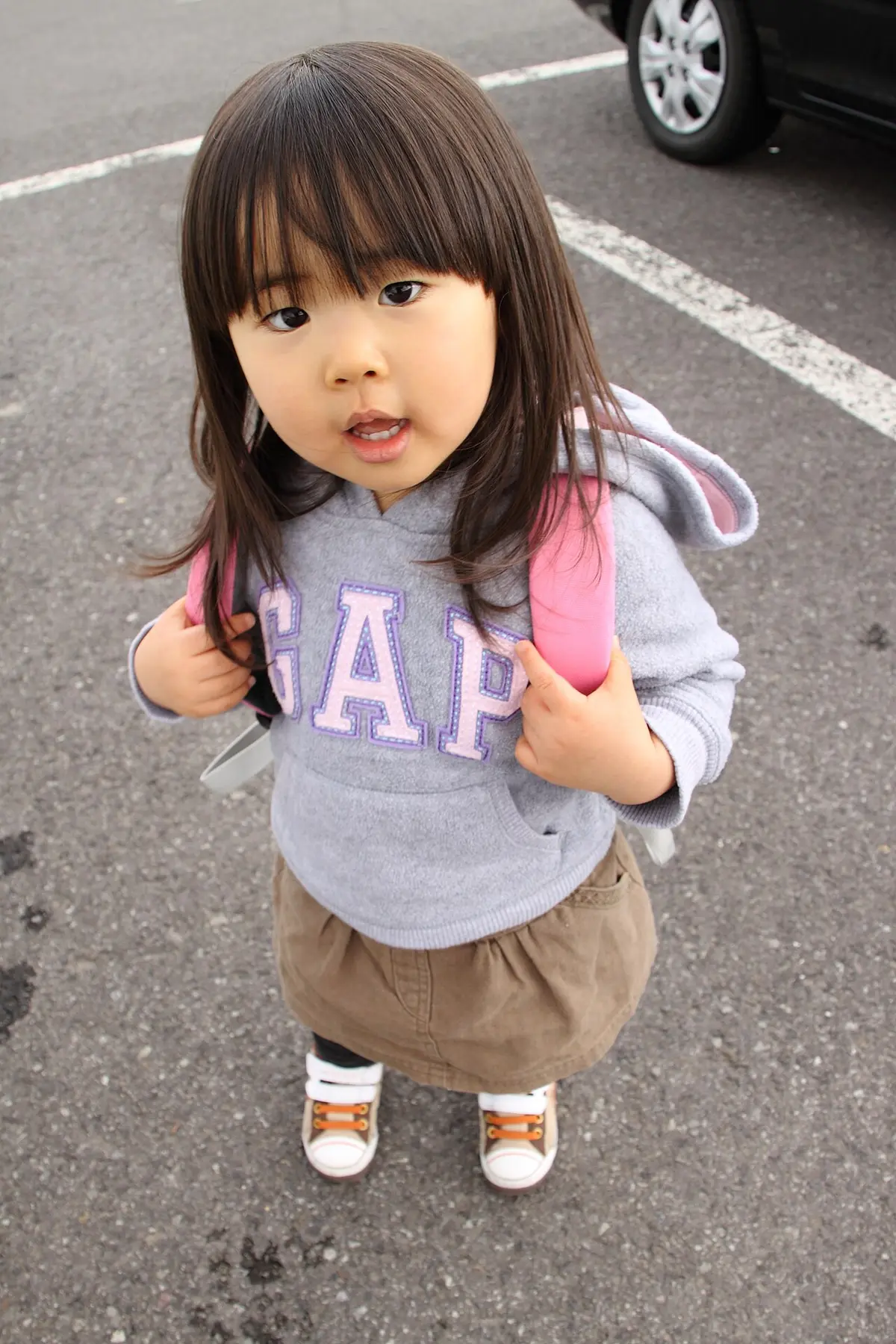
Children should carry a small share of weight, about 10 to 15 percent of body weight at most, so their packs are small: 10 to 20 liters for day hikes, up to 30 liters for older kids on overnights. The best hiking backpack for kids list covers these, and the best hiking backpack for toddler list covers child carriers, which are different products used for carrying a small child. Older hikers and those with back conditions may prefer lighter packs and lighter loads, with comfort features and easy access; the best lightweight travel backpack for older woman list shows how designs focus on low weight and easy handling.
Ultralight and compression
Ultralight packers carry less gear, so they use smaller packs, 30 to 40 liters for several days, and often frameless designs. Compression helps any pack: compression sacks and internal straps reduce volume, and side compression straps stabilize loads. Down bags and clothing compress well, and bulky items like foam pads can be strapped outside. External attachment points for trekking poles, an ice axe, a sleeping pad or a tent let you carry bulky items without volume penalty, but beware of overloading the outside, which shifts the balance.
A gear volume budget you can fill in
A volume budget turns a vague feeling into numbers. The table below lists typical volumes of common items when packed sensibly. Your own gear will differ, so treat the numbers as starting points and measure your own items if you can.
| Item | Typical volume (liters) | Notes |
|---|---|---|
| Down sleeping bag, 20 F | 8 to 12 | Compresses well |
| Synthetic sleeping bag, 20 F | 12 to 18 | Bulkier |
| Winter sleeping bag | 15 to 25 | Large even compressed |
| Sleeping pad, inflatable | 1 to 3 | Often strapped outside if foam |
| Tent or tarp shelter, 2 person | 5 to 12 | Poles may go outside |
| Clothing for 3 days | 5 to 10 | Layers, rain gear, insulation |
| Insulated jacket | 3 to 6 | Down compresses small |
| Cook kit and stove | 2 to 4 | Fuel adds volume |
| Food, per person per day | 1 to 2 | Dense, depends on packaging |
| Water treatment, first aid, small items | 2 to 4 | Many small bags |
| Bear canister | 8 to 12 | Required in some areas |
Add up your items. For example, a three-night summer trip might need a down bag (10), a two-person tent shared between two people (4 each), a pad (2), clothing (7), cook gear and fuel (3), food for three days (4.5), and small items (3), for a total of about 33 liters, which fits in a 40 to 50 liter pack with room to spare. A winter version of the same trip with a heavier bag (20), a thicker insulated jacket (5), extra clothing (10) and more food and fuel (8) climbs to about 55 liters or more, which means a pack of 60 to 70 liters.
The exercise shows which categories drive volume and where to economize. A compact down bag saves ten liters over a bulky synthetic one, and sharing a tent with a partner halves the volume. Reducing a pack by ten liters is often easier through gear choices than through squeezing.
Volume and weight work together
Liters are not pounds. A 70 liter pack can be filled with light, bulky items and weigh 20 pounds, or with food and water and weigh 45. Pack designs account for both. A pack with a lightweight frame might top out at 25 to 30 pounds of comfortable load, while a heavier frame with a larger belt handles 40 pounds or more. If you are carrying a bear canister, packrafting gear or camera equipment, weight rises, and so does the need for suspension.
When choosing, look at the manufacturer's recommended load range, usually printed on the pack or in the specifications. If your planned weight exceeds the range, choose a sturdier pack. Think about how your load will grow: a weekend load of 25 pounds can become 35 pounds on a longer trip with more food and water. A pack that carries 35 pounds comfortably is a better long-term investment than a minimal pack that is miserable at 30.
Matching volume to style
Ultralight style. Compact, light gear and careful planning let you use 28 to 40 liters for trips up to a week in good weather. Frameless or minimal-frame packs suit loads under 20 pounds. The gear must be compact and the resupply points close.
Traditional style. More gear, more comfort items and heavier loads suit 50 to 70 liters, with a frame and a substantial hip belt. Many first-time backpackers start here, since it leaves room for extra clothing, a camp chair or a heavier tent.
Family trips. Adults carry shared gear, including the tent, kitchen and food for everyone. A parent may need 60 to 80 liters when carrying for a child. Kids carry a small pack with personal items. Divide the gear so that no one is overloaded.
Climbing and winter. Technical gear adds bulk: ropes, harness, crampons and avalanche safety gear. Packs for these uses are designed with a narrow profile, gear loops and attachment points, often in the 30 to 50 liter range for day and overnight objectives.
Travel and urban. Travel packs, from 30 to 45 liters, are designed for airline carry-on limits and often open like a suitcase. They are not designed for heavy loads on trails.
What to do when you are between sizes
If your calculation lands at 48 liters and the options are 40 and 55, the choice depends on your tolerances. A smaller pack forces discipline and keeps the load light, while a larger one gives flexibility and room for food and layers. Consider how often you will take longer trips, since you can always compress a larger pack but cannot expand a smaller one. If most of your trips are short, choose the smaller size and borrow a bigger pack for the occasional long trip. If you are buying only one pack, many people choose the middle size of 50 to 60 liters for flexibility.
Think about attachments too. A pack with lashing points and a stretch pocket can carry extra gear outside, which can effectively add volume in a pinch. External volume is less secure and more exposed to weather, but a pack with generous outside capacity makes the number on the tag more flexible.
Testing the volume before you buy
The best test uses your own gear. Bring your sleeping bag in its stuff sack, your clothing and your tent to a store, and ask to pack them in the models you are considering. If you are buying online, measure your gear and compare it with the dimensions of the pack, then use a return-friendly retailer. At home, load a borrowed pack and see how much space is left. A pack that fills to about 80 to 90 percent for your usual trip is a good match. If it overflows, choose a bigger one or reduce gear. If it has a large empty space, consider a smaller pack and save weight.
Keep a record of what you packed and the volume you used on each trip. After a season or two, you will know whether you need a bigger or smaller pack. Trips vary, and a pack that works for most of them is a good investment. Seek advice from experienced hikers in your area, since local conditions, such as bear canister rules or cold nights, can change your needs.
Packing density and what takes space
Food is dense, gear is bulky. Weight and volume are separate problems, and the heaviest items should sit close to your back and center of gravity. A pack with too much volume tempts you to pack extras, and a pack that is too small forces you to hang items outside. A practical goal is a pack that fills to about 80 to 90 percent when you leave home, leaving a little space for food resupply and layers. For how to arrange it, see how to pack a backpacking pack.
Water capacity and treatment
Carrying water takes weight and volume. In dry areas, you may carry 3 to 6 liters, which weighs 6.6 to 13 pounds. Plan around sources, and carry treatment gear to avoid hauling extra water: a filter, tablets or a straw. Read water filter vs water purifier for camping, how to use water purification tablets and how to use a filter straw to choose a method that fits your trip.
Choosing and testing
Choose a pack in this order: fit, volume, features, price. Try it with a weighted load, check the hip belt and shoulder straps and make sure the pack closes with your gear inside. Avoid buying a pack so large that it never fills. A good rule is to buy for the typical trip you will take, and borrow or rent for the occasional bigger one. For different budgets, see the best hiking backpacks under $75 and best backpacking backpacks under $100.
Related reading
Water treatment gear also affects how much you must carry. What NSF/ANSI certifications mean on portable water filters helps you choose a filter whose claims you can trust, which in turn lets you plan lighter loads between sources.
Common mistakes to avoid
- Buying the biggest pack because you might need it.
- Comparing liters without checking how they are measured.
- Choosing volume without checking fit and suspension.
- Strapping heavy gear outside and unbalancing the pack.
- Forgetting food and fuel volume on longer trips.
- Overloading kids' packs.
- Skipping a test with real gear.
Frequently asked questions
What size backpack do I need for a day hike?
Typically 15 to 25 liters in warm weather and 25 to 35 liters for cold weather or full-day trips. Choose by what you carry: water, food, layers and safety gear.
What size pack is good for a weekend?
About 40 to 55 liters for standard gear, and 30 to 45 for an ultralight kit. Sleeping bag, shelter and food drive the volume.
Is a bigger pack better?
No. A larger pack encourages more weight and can be awkward. Choose the smallest pack that carries your gear comfortably, with the right suspension.
How do I measure my gear volume?
Pack everything in stuff sacks and fit it in a pack you can borrow, or measure volume with a container. Alternatively, use typical numbers for sleeping bag, tent, clothing and food, and add them.
How much weight can a 50 liter pack carry?
It depends on the frame and hip belt, not the volume. Many 50 liter packs handle 25 to 35 pounds comfortably, and ultralight designs less. Check the manufacturer's recommended load range.
Do I need a different pack for winter?
Often a larger one, because winter gear is bulky. If you already own a 55 to 65 liter pack, you may be able to compress gear into it. For serious winter trips, consider 65 to 80 liters.
Sources & further reading
Image credits
- "Ready for backpacking!" by HarshLight, CC BY 2.0, via Wikimedia Commons.
- "SAKURAKO - Backpack trip. (5653221731)" by MIKI Yoshihito from Sapporo City,Hokkaido., JAPAN, CC BY 2.0, via Wikimedia Commons.


Ready to buy?
Compare the gear: Packs & Hiking
5 Best Hiking Backpack For Kids in 2026
Best hiking backpacks for kids: five small daypacks compared on size for a child's torso, hydration, reflective safety details and weight.
3 Best Hiking Backpack For Toddler in 2026
Best hiking backpacks for toddlers: a folding child carrier, a weather-ready frame and a first kid's daypack for walk-and-ride family trail days.
6 Best Hiking Backpack Under 150 in 2026
Best hiking backpacks under $150: a 65L internal-frame pack, 40L daypacks and a 100L expandable, compared on frame, rain cover and real capacity.
5 Best Hiking Backpack Under 50 in 2026
Best hiking backpacks under $50: five 40L to 50L packs with rain covers, shoe compartments and expansion, compared on real features at this price.
5 Best Lightweight Hiking Backpack With Water Bladder in 2026
Best lightweight hiking backpacks with a water bladder: 12L to 20L packs with 2L to 3L bladders, insulated sleeves and rain covers compared on weight and fit.
6 Best Lightweight Travel Backpack For Older Woman in 2026
Best lightweight travel backpacks for an older woman: easy-carry packs under 2 pounds compared on weight, zippers, pockets and comfort for longer trips.
5 Best Travel Backpacks Under 100 in 2026
Best travel backpacks under $100: carry-on packs with shoe pouches, laptop sleeves and USB ports, compared by size, weight and organization.
5 Best Hiking Backpacks Under 30 in 2026
Best hiking backpacks under $30: five 30L to 35L daypacks and packable bags compared on weight, hip belts, hydration support and back ventilation.
Keep reading