
Practical Camping Guide · 13 min read
How to Use Water Purification Tablets
Dose, wait and treat water correctly with chlorine dioxide, chlorine or iodine tablets, including cold and cloudy water adjustments and storage.

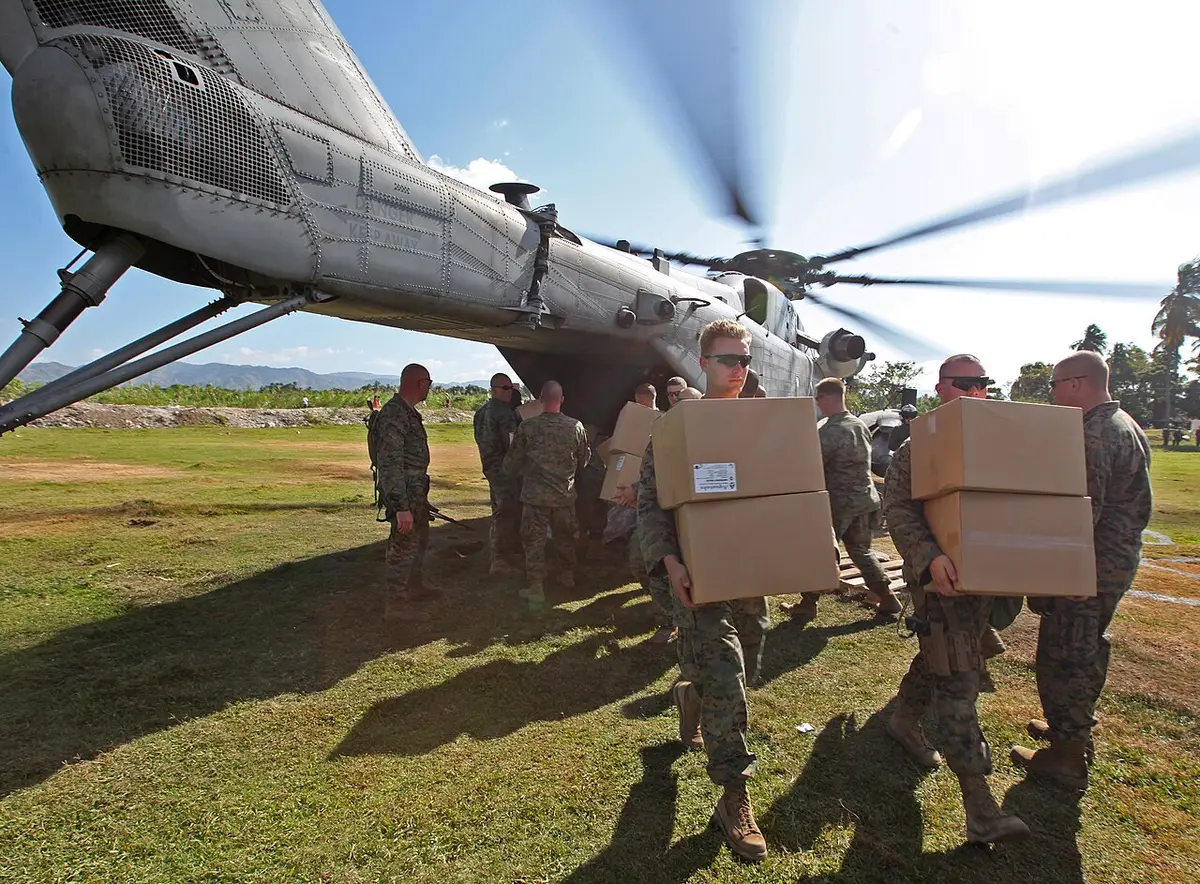
To use water purification tablets, collect the clearest water you can, strain out sediment, drop in the number of tablets the label specifies for the volume, shake or stir, let the water sit for the full contact time (about 30 minutes for most chlorine dioxide products, longer for cold or cloudy water and much longer for Cryptosporidium) and loosen the cap briefly so the treated water also disinfects the threads. Always follow the manufacturer's label, because dosing and wait times differ between products.
Tablets are the lightest, simplest backup for any trip: a pack weighs less than an ounce, does not clog or freeze and handles viruses that most filters miss. They also demand patience and attention to detail, because a tablet used too soon, in water that is too cold or too dirty, does not do its job. This guide explains how the common types work, step-by-step dosing and timing, what to do about cold and cloudy water, taste and storage, who should avoid iodine, how tablets compare with filters and where they fit in a water plan.
Types of purification tablets
Chlorine dioxide tablets. The most widely recommended type for backcountry use. They release chlorine dioxide, which is effective against bacteria, viruses and protozoa, including Giardia, and, with extended contact time, Cryptosporidium. They leave a mild taste and typically need about 30 minutes for bacteria and viruses and up to several hours for Cryptosporidium, according to some guidance, though labels vary.
Chlorine (sodium dichloroisocyanurate) tablets. Common and inexpensive. They are effective against bacteria and viruses and less effective against Cryptosporidium. Taste is more noticeably of chlorine, and effectiveness drops in cloudy or very cold water.
Iodine tablets. Lightweight and effective against bacteria and viruses, and less reliable against Cryptosporidium. They leave a distinct taste and color, and are not recommended for pregnant people, people with thyroid conditions or iodine allergies, or for long-term use. Many people avoid iodine for these reasons, and a neutralizer tablet (vitamin C) can improve taste after treatment.
Because products differ, the label is your authority. The CDC's backcountry water treatment guide also advises following the manufacturer's instructions for chemical treatments.
What tablets do and do not do
Tablets are disinfectants, which means they kill or inactivate microorganisms. They do not remove sediment, chemicals, heavy metals, salt or radiological contaminants, and they cannot make heavily polluted water safe. Their effectiveness depends on dose, contact time, temperature, pH and water clarity. Dirty or cloudy water contains organic matter that consumes the disinfectant and shields organisms, which reduces effectiveness.
Compared with a filter, tablets handle viruses, add almost no weight and cannot clog. They are slower, can taste unpleasant and are single-use. Many hikers carry both: a filter for everyday use and tablets as a backup or an added step in places with viral risk. For a deeper discussion of the choice, see water filter vs water purifier for camping, and for how certification claims work, see what NSF/ANSI certifications mean on portable water filters.
Step by step
- Choose the best source. Pick moving, clear water away from camps, animals and pollution.
- Strain sediment. Let cloudy water settle, then pour through a cloth, a coffee filter or a bandana. Clear water works better.
- Fill a clean container to the volume the label specifies, usually one liter, and leave a little air space.
- Add the tablet. Use the number the label states for your volume, no more and no less. If the water is cold or cloudy, check the label for adjustments.
- Dissolve. Shake or stir until the tablet dissolves, which can take several minutes.
- Wet the threads. Loosen the cap a bit and tip the container so treated water touches the threads and cap rim, then retighten. This ensures the part of the bottle you drink from is disinfected.
- Wait the full contact time. Set a timer. Do not drink early.
- Improve taste if desired. Let the water sit uncovered for a few minutes, or add a neutralizer or a flavor mix after the contact time is complete.
- Label and store treated water separately from untreated, and do not refill a treated bottle from an untreated source.
Contact time, temperature and clarity
Time is the most common mistake. Chlorine dioxide generally needs about 30 minutes to handle most bacteria and viruses, and up to four hours for Cryptosporidium according to some university extension guidance, so when Cryptosporidium is a concern, use a longer wait or add a filter. Labels for specific products state their own times, which you should follow.
Temperature matters because chemical reactions slow in the cold. Water near freezing needs a longer contact time or a higher dose, and some labels give adjusted times, often doubling the wait. Warm the water by holding the bottle inside your jacket, if possible, or wait longer. Clarity matters too: cloudy water needs pre-filtering, and some labels call for doubling the dose in turbid water. If you cannot get the water clear and you cannot extend the time, choose another source or boil.
| Condition | Adjustment |
|---|---|
| Water clear, 70 F or warmer | Standard dose and time |
| Water cold (near 40 F) | Extend the wait, often doubling it |
| Water cloudy or colored | Pre-filter, then follow label for extra dose or time |
| Cryptosporidium is a concern | Use a long contact time per the label, or add a filter, or boil |
Taste and storage
Tablets leave a taste that some people dislike. Chlorine dioxide taste is mild, and chlorine and iodine tastes are stronger. To improve it, let the water stand with the cap off for a few minutes after the contact time, pour it between containers to aerate it, chill it or add a drink mix. Do not add flavor before treatment is complete, because organic ingredients consume disinfectant.
Store tablets in their original sealed packaging, in a cool, dry place away from sunlight. Most have a shelf life of a few years, so check the date, and replace a pack that has absorbed moisture, changed color or smells strongly. A moist or old tablet may lose potency. Keep a small pack in your first aid kit, your car and your pack so it is there when you need it.
Who should be careful
Iodine tablets are not recommended for pregnant people, people with thyroid disease or iodine allergies and long-term use. Chlorine-based tablets can irritate some people at high doses, and anyone with kidney problems or on a restricted diet should ask their doctor about regular use. Infants, older adults and people with weak immune systems need extra care with water safety, and a combination of filtering and chemical treatment or boiling gives more margin. If you are unsure, boil.
Tablets versus boiling, filters and straws
Boiling is the most reliable method. Bring water to a rolling boil for one minute, or three minutes above about 6,500 feet elevation, per CDC guidance, then let it cool. It takes fuel and time. Filters are fast and taste good but usually miss viruses. Straws are convenient for single drinks and share the same limits. Tablets add virus protection with minimal weight. For straws, see how to use a filter straw and the best water filter straws. A common combination is a filter for daily use plus tablets as a backup and virus stage.
Shopping notes
When you compare products, check the active ingredient, the number of tablets per package, the volume treated per tablet, the stated contact time, the shelf life and the packaging. Browse the lists of the best water purification tablets, chlorine tablets, tablets for hiking, tablets for travel, tablets for drinking water and iodine tablets. Individually wrapped tablets stay dry and are easier to dose, and bottles are cheaper but need care against moisture.
Dosing for different containers
Labels state a dose per volume, usually one tablet per liter, and the practical problem is that most containers are not exactly one liter. If you use a larger container, scale the dose by volume: two liters get two tablets, a 3 liter reservoir gets three. Never use a fraction of a tablet unless the label allows it, because tablets do not always dissolve evenly and a partial dose may be too weak. If you have a half-liter bottle, treat a full liter in a bigger bottle and pour from it, or use the label's guidance for small volumes. Overdosing wastes tablets and worsens taste, and underdosing is a safety risk.
Use clean containers with wide mouths so you can wet the threads, and avoid containers that held flavored drinks or fuel. Leave a little air space so that you can shake. If you treat in a collapsible bag, make sure it holds the dose evenly by squeezing and shaking. For groups, treat in a larger container, such as a four-liter collapsible jug, and share. Write the start time on tape on the bottle, or set a timer on your phone or watch, so that no one drinks early by accident. A little system keeps the whole group safe.
A worked example on the trail
You are on a two-day hike with a hollow-fiber filter as the main method and a small pack of chlorine dioxide tablets as the backup. On the afternoon of day one you reach a creek that looks clear, but a mile upstream there is a campground and horses use the trail. You decide to use both methods for the extra margin. You scoop water into a dirty bag, let a little silt settle for a few minutes, then run it through your filter into a clean bottle. You drop in a tablet according to the label and shake the bottle. You tip the bottle so the water touches the threads, tighten the cap and set a 30 minute timer.
While you wait, you set up the tent and start dinner. Half an hour later, you let the bottle sit with the cap off for a moment to reduce the chlorine taste, add a drink mix and enjoy it. If you had been relying only on tablets and the water were cold and slightly cloudy, you would have strained it through a bandana, extended the wait according to the label and perhaps waited several hours for Cryptosporidium if that was a concern, which is when many hikers choose to filter or boil instead. The combination of a filter and a tablet takes a little more time and gives broad coverage with very little weight.
Emergency and home use
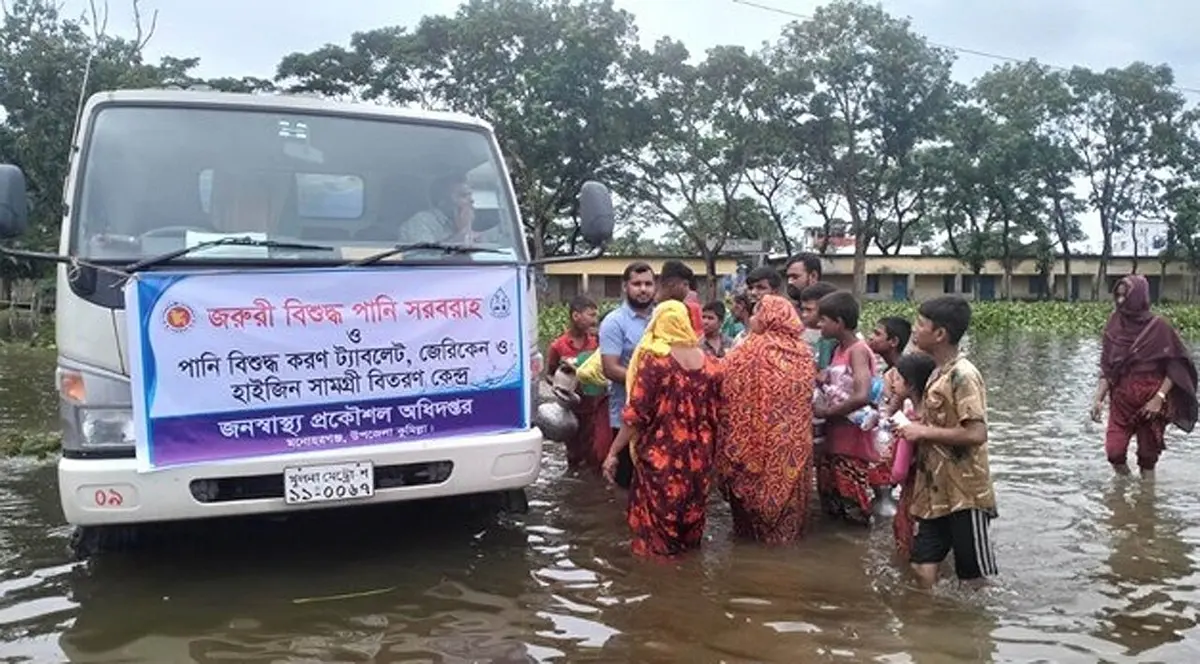
Tablets are a staple of emergency kits for hurricanes, floods, power outages and boil-water advisories. In an emergency, start with the safest water you have: stored water, bottled water or water from a water heater tank. If you must use questionable water, strain it through a cloth to remove debris, treat it with tablets following the label, and consider boiling when you can. Floodwater is a poor source because of the chemicals, sewage and debris it carries, and tablets do not remove chemicals. Keep a supply of tablets in a sealed container with an expiration date, and rotate them every few years.
Include the instructions in the kit, since people forget the details under stress. A simple card with the dose, the wait time and the steps is worth printing. Keep a clean container for treated water, and label it. In a long emergency, tablets are a short-term solution, and you should seek safe municipal water, bottled water or other reliable sources as soon as possible, because relying on chemical treatment for weeks is not ideal. If anyone in the household is pregnant, has thyroid disease or is an infant, choose methods other than iodine and check with a doctor.
Testing tablets before you rely on them
Try the tablets at home before a trip. Treat a liter of tap water and note how long the tablet takes to dissolve, how strong the taste is and what you think of it. If you dislike the taste, try another brand, a different active ingredient or a flavor mix for after treatment. A trial run also shows whether the packaging is easy to open with cold fingers and whether the instructions are clear. If you carry tablets in a pack, keep them in their original blister packs or a small waterproof case so they stay dry.
Check the expiration date and the condition of the tablets. Discard any that have crumbled, changed color or smell strange. Replace your trip supply each season if you are unsure of its age. Consider carrying a few more than you think you need, since a lost or spoiled pack is a common reason for failure. The extra weight is a fraction of an ounce, and the peace of mind is worth it.
Comparing tablet types at a glance
| Feature | Chlorine dioxide | Chlorine | Iodine |
|---|---|---|---|
| Bacteria | Effective | Effective | Effective |
| Viruses | Effective | Effective | Effective |
| Giardia | Effective | Mostly effective | Mostly effective |
| Cryptosporidium | Effective with long contact time | Poor | Poor |
| Typical wait | 30 minutes to 4 hours | 30 minutes or more | 30 minutes or more |
| Taste | Mild | Chlorine | Strong iodine |
| Cautions | Follow label | Follow label | Pregnancy, thyroid, allergy |
The table is a general summary, and product labels govern. If you want to compare packages, check active ingredient, tablets per package, volume per tablet, contact time and shelf life.
Tablets for travel and for large groups
Travelers use tablets for a different reason than backpackers: uncertain tap water and unreliable bottled water supplies. In many places, tap water is treated but may carry contaminants from old pipes, and a small supply of tablets lets you treat water in a hotel room or a village guesthouse. Check that you have enough tablets for the entire trip plus a margin, and keep them in your carry-on. If you are traveling to a place with known water risks, combine methods: filter or strain visible particles, treat with tablets for the full contact time and carry sealed bottled water as a fallback.
For large groups, such as a scouting trip or a family reunion at a remote campsite, tablets scale easily but the logistics need planning. Treat water in large containers, label them with the treatment time and keep treated and untreated water clearly separate. Use a dedicated scoop or a clean cup for dispensing, and keep hands off the spout. Assign one person to manage the process so that no one drinks early. Count tablets before you leave so you do not run out, since a group can use a surprising number in a weekend. The same principles apply as for one person, with more attention to organization.
Why people choose tablets over other methods
People choose tablets for weight, simplicity and robustness. A pack of tablets weighs a fraction of an ounce, there is nothing to clog, freeze or break, and the instructions are easy to follow once you know them. They suit minimalist hikers, travelers, emergency kits and anyone who wants a virus-capable backup. The drawbacks are the wait time, the taste, the cost per liter over many trips and the need to pre-filter cloudy water. For heavy use, many people prefer a filter or UV device for convenience and keep tablets as the second method.
Think about your own style. If you often camp near streams and enjoy a quick refill, a filter is satisfying. If you hike dry stretches with long carries between sources, tablets let you treat water at your leisure from containers you carry. If you travel abroad and want virus protection, tablets give it with little effort. If you hate waiting, UV or boiling may suit you. Most people end up with a main method and tablets in the first aid kit, and that is a wise arrangement.
Common mistakes to avoid
- Drinking before the full contact time.
- Using tablets in cloudy water without pre-filtering.
- Ignoring the temperature adjustment.
- Forgetting to wet the cap and threads.
- Using iodine tablets when pregnant or with thyroid problems.
- Keeping tablets in a damp pack.
- Adding flavor powder before treatment is done.
Frequently asked questions
How long should I wait after adding a tablet?
Follow the label. Chlorine dioxide usually needs about 30 minutes for bacteria and viruses and longer for Cryptosporidium. Cold or cloudy water needs more time.
Do tablets kill Giardia and Cryptosporidium?
Chlorine dioxide is effective against Giardia and can handle Cryptosporidium with extended contact time. Chlorine and iodine are less reliable against Cryptosporidium. Check the product label and consider filtering or boiling when Cryptosporidium is a concern.
Can I use tablets in cloudy water?
Better not to without pre-filtering. Sediment and organic matter consume the disinfectant and shield organisms. Let the water settle and strain it first, and follow the label for extra dose or time.
Is iodine safe?
For short-term use by most healthy adults, yes, but not for pregnant people, those with thyroid conditions or iodine allergies, and not for long-term use. Chlorine dioxide is a common alternative.
Why does my water taste like a pool?
Chlorine-based tablets leave a taste. Let the water stand uncovered, aerate it, chill it or add a drink mix after the contact time. Chlorine dioxide tends to taste milder.
Do tablets expire?
Yes, typically after a few years, and sooner if they absorb moisture. Check the date and replace packs that look damaged or smell strong.
Sources & further reading
- CDC: Water Treatment Options When Hiking, Camping or Traveling
- Colorado State University Extension: Guide to Treating Water in the Backcountry
Image credits
- "Marines deliver water purification tablets (4298470638)" by Marines from Arlington, VA, United States, Public domain, via Wikimedia Commons.
- "Distribution Of Water Purification Supplies In Flood Affected Areas 2024-08-28 (PID-0006693)" by Press Information Department, Public domain, via Wikimedia Commons.


Ready to buy?
Compare the gear: Packs & Hiking
3 Best Chlorine Water Purification Tablets in 2026
Best chlorine water purification tablets compared on dose, count, wait time and standards cited, with plain notes on contact time and what tablets miss.
2 Best Water Purification Tablets in 2026
Best water purification tablets compared on active ingredient, virus claims, contact time and packaging, with plain notes on iodine versus chlorine tablets.
3 Best Water Purification Tablets For Hiking in 2026
Best water purification tablets for hiking: Aquatabs 49mg foil strips, a 397mg bulk bottle and Potable Aqua compared on weight, dose and stated pathogen claims.
4 Best Water Purification Tablets For Travel in 2026
Best water purification tablets for travel: a tank-treatment kit, Aquatabs and a 100-count bottle compared on dose, shelf life and what each page covers.
3 Best Iodine Water Purification Tablets in 2026
Best iodine water purification tablets and the iodine-free alternatives, compared on dose, contact time and taste for hikers and emergency kits.
6 Best Water Purification Tablets For Drinking Water in 2026
Best water purification tablets for drinking water: Aquatabs, Potable Aqua, Coghlan's and more compared on stated pathogens, contact time and registrations.
Keep reading