
Practical Camping Guide · 13 min read
How to Use a Filter Straw Safely
Use a filter straw correctly: pick clear water, avoid cross-contamination, keep it from freezing, clear it after use and know when to replace it.

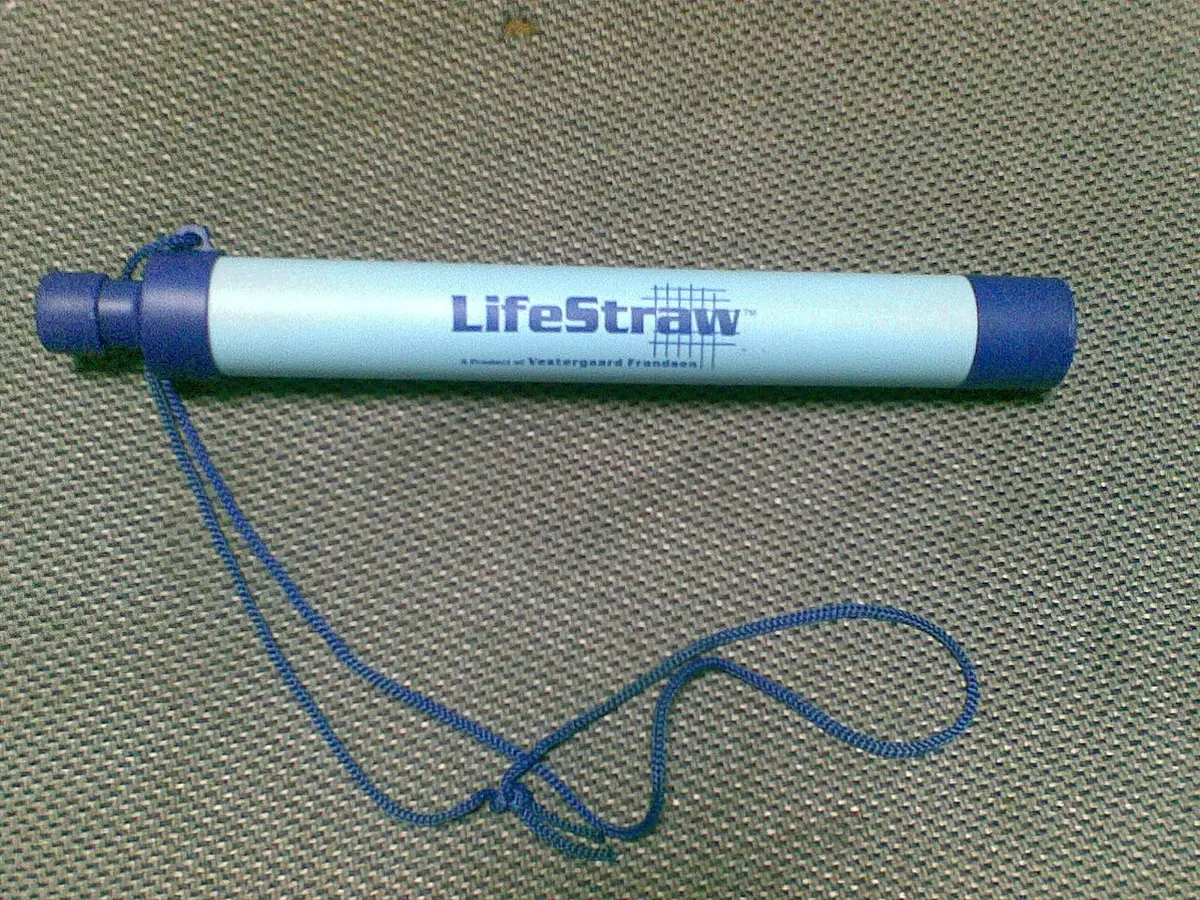
To use a filter straw safely, find the clearest water you can, remove the end caps, submerge the intake end so the straw is fully under water or screwed to a clean bottle, suck steadily to start the flow, and keep the mouthpiece out of the source and clear of dirty hands. Blow the water back out through the straw after drinking to clear the fibers, keep the straw from freezing, and remember that most straws remove bacteria and protozoa but do not make water safe from viruses or chemicals.
A filter straw is the simplest water treatment there is: a hollow tube with a membrane inside that lets you drink straight from a stream or puddle. It weighs a couple of ounces, takes no setup and fits in a pocket, which is why it appears in day-hike kits, glove boxes and emergency bags. It also has limits that are easy to forget on a hot day when you are thirsty and the water looks clear. This guide explains how a straw works, how to use and maintain it, what it does not do, how to avoid cross-contamination, how to know when to replace it and how it fits into a larger water plan.
How a filter straw works
A typical straw contains hollow-fiber membranes with pores about 0.2 microns or smaller. When you suck on the mouthpiece, water is pulled through the walls of the fibers, which block protozoa such as Giardia and Cryptosporidium and most bacteria, while clean water passes into the central channel and up to your mouth. Some straws add activated carbon to improve taste and reduce chlorine and some chemicals. Many cartridges have a rated capacity in liters or gallons, and some have a shut-off feature that stops flow when the cartridge is spent.
What a straw does not do is just as important: it does not remove viruses, dissolved chemicals, salt or heavy metals, and it does not replace chemical or boiling treatment where viruses are a risk. Our guide to water filter vs water purifier for camping explains the difference, and what NSF/ANSI certifications mean on portable water filters helps you read the claims on the package.
Before you drink: choose the water
Source selection is half the battle. A straw works best in clear, moving water with little sediment. Pick a spot upstream of camps and animals, and avoid stagnant ponds, scummy edges and water with an oily sheen or chemical smell. If the water is cloudy, let it settle or strain it through a cloth first, because sediment clogs the fibers and slows flow. Never use a straw in water that might carry industrial or agricultural chemicals, which the filter does not remove.
In an emergency, use the cleanest water you can find, and consider combining methods: straw, then tablets or boiling if viruses might be a concern. See how to use water purification tablets for the chemical step.
Step-by-step use
- Inspect the straw. Check that it is intact, with no cracks, and that the caps are present. If it was in a freezing environment, do not use it.
- Remove the caps from both ends. Keep the mouthpiece cap clean.
- Prime it if the instructions say so. Some straws need a few seconds of sucking or a quick dunk to wet the fibers.
- Submerge the intake end fully, or screw it to a clean bottle or collapsible container that you fill from the source. Do not touch the intake to your mouth.
- Suck steadily. Gentle, even suction is better than sharp pulls. If flow is slow, rest and try again.
- Drink, then stop. When you finish, blow back through the mouthpiece or tap out the water to clear the fibers, as instructed.
- Dry and cap. Shake off water, replace the caps and store the straw in a clean place, away from freezing temperatures.
If your straw has a bottle adapter, fill a bottle from the source with the filter and drink from the bottle, which avoids lying on the ground at the water's edge and allows several people to share one device without touching mouths to the source.
Avoiding cross-contamination
Treatment works only if the clean side stays clean. Keep these habits.
- Do not let the mouthpiece touch the source water, your hands or the ground. Pinch the straw below the mouthpiece and hold the intake end in the water.
- Wash your hands or use sanitizer before touching the mouthpiece.
- Do not store the straw with the intake end touching the mouthpiece, or both ends in the same pocket without caps.
- Do not share a straw between sick and healthy people, and do not share mouthpieces without cleaning.
- Rinse the outside with treated water or clean water if it is muddy, before you put it in your mouth.
When you use a bottle adapter, make sure the clean container is never dipped into the source. Use a dedicated dirty bag or cup for collecting water and a dedicated clean bottle for drinking.
Cold, freezing and storage
Freezing can crack hollow-fiber membranes, and a cracked filter may look fine and still let contaminants through. Do not use a straw that has been frozen unless the manufacturer says it is freeze-safe. In cold weather, carry the straw inside your jacket or in your sleeping bag at night. Store it dry between uses, because wet cartridges can grow mold, and let it air dry fully before capping. A little shake or a gentle blow clears water. For longer storage, follow the maker's guidance, which may include a rinse and a dry period or a short disinfecting soak.
Heat and sunlight can degrade plastic parts, so avoid leaving a straw in a hot car for long periods. Keep it in a clean bag or a small case. Check the date if the straw is part of an emergency kit, because some have a shelf life.
When to replace a straw
Straws have a finite capacity, commonly stated as hundreds to thousands of liters, depending on the model. In practice, replace one when:
- flow slows markedly and does not recover after blowing back,
- you reach the rated capacity or the shut-off feature activates,
- the straw has frozen or been dropped hard,
- the casing is cracked or the fibers look damaged,
- the straw develops an odor or visible mold that rinsing does not remove,
- you used it with very dirty water and cannot clean it.
Because you cannot see a membrane failure, treat doubt as a reason to replace. A straw is cheap compared with a week of illness. If you are buying for a household kit or for travel, compare options in the lists for the best water filter straws, personal water filter straws, straws for hiking, straws for emergencies and straws for survival.
Where a straw fits in your water plan
A straw is a personal, low-volume tool. It is great for day hikes, emergency kits, travel and as a backup for a main filter. It is slow for cooking and group use, and you can only fill a bottle through it with an adapter. For multi-day trips, many hikers prefer a squeeze or gravity filter for volume, and keep a straw as a backup. Where viruses are likely, pair it with chemical tablets or choose a purifier.
Think about the failure points: a straw can freeze, clog or crack, so carry a second method. A few tablets and a lighter give you two more ways to get safe water. For a simple rule, use a straw for quick sips in familiar, low-risk areas, and move to a purifier or boiling when the risk rises.
Types of straws and how they differ
Not all straws are the same, and the differences change how you use them. Personal inline straws are the classic design: a slim tube you sip from directly, light and cheap, with a modest rated capacity. Straws with bottle adapters or a screw-on filter can fill a container, which is more practical for sharing and for filling a clean bottle without lying at the water's edge. Larger straw-style filters with a squeeze bag blur the line with squeeze filters, offering faster flow and more capacity. Straws with carbon stages add taste improvement and some chemical reduction, though that does not make water safe from chemical contamination.
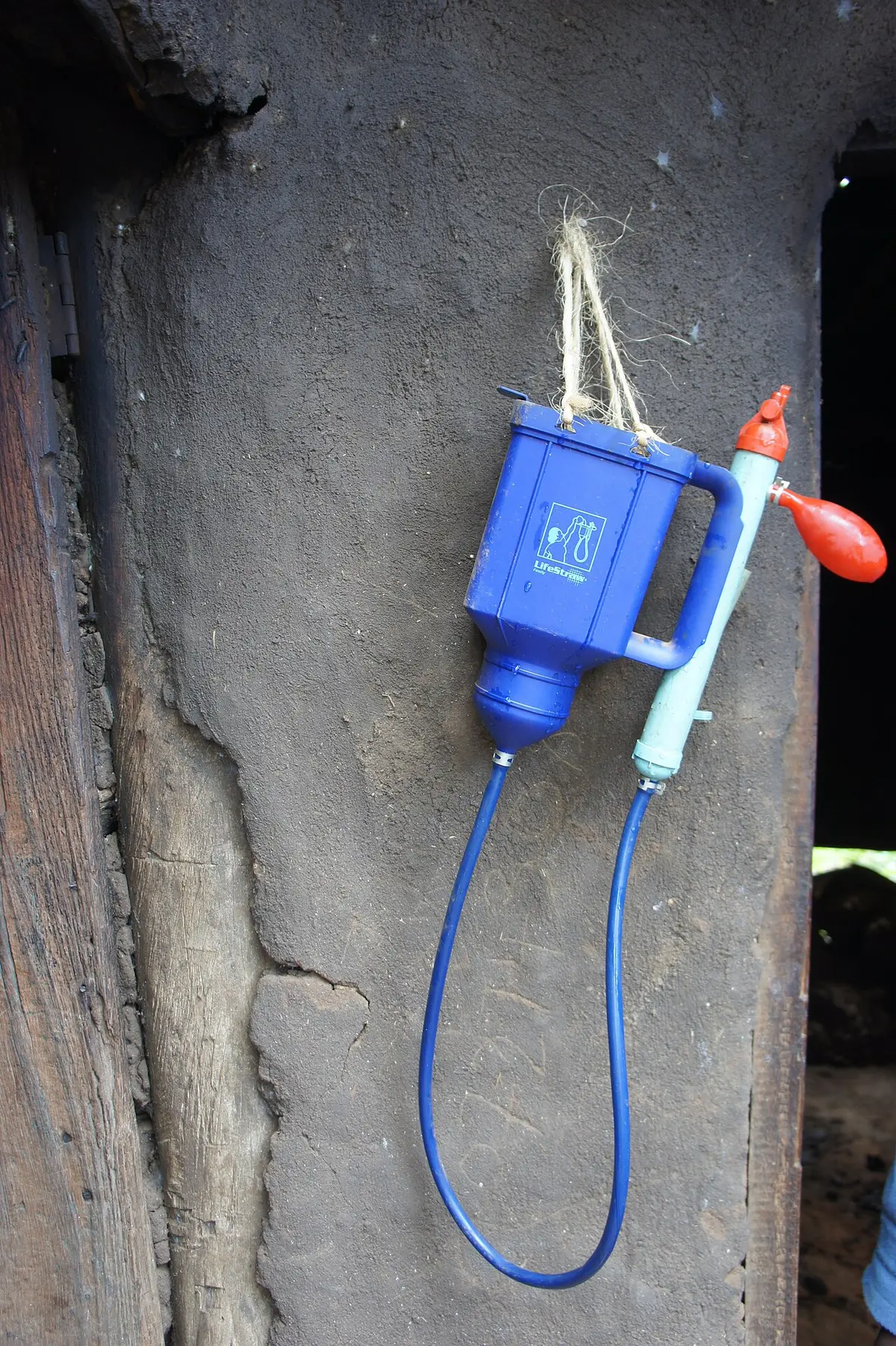
Look at the rated capacity, the pore size, the claims for bacteria and protozoa, whether the unit has a shut-off for end of life and the way it handles backflushing. Flow rate matters if you drink often, and some straws need hard suction that tires children and people with breathing difficulties. Check that you can easily clean the intake end and that it will not crack if dropped. A few differences between a cheap and a good straw show up only after months of use, so look for brands that publish test data and offer clear instructions.
Three situations and how to handle them
A hot day hike with a stream. You are on a two-hour loop with a creek near the trail, and you are thirsty but carry enough water to finish. You pick a spot where the stream runs over rocks, away from the trail crossing, kneel on a flat rock, submerge the intake and drink slowly. You do not touch the mouthpiece to anything, and you blow the straw dry and cap it. It is a quick refill that saves carrying extra water. If the route passes grazing animals upstream, you might carry more water instead.
A family outing with kids. Children can use straws, but they may tire of strong suction or put the mouthpiece in the water by accident. A bottle adapter is a better method: an adult fills a clean bottle through the filter, and everyone drinks from bottles. Teach kids not to touch the intake and to rinse their hands after playing near water. Use treated water for brushing teeth. Keep the straw in a clean bag, and check it before each outing.
An emergency kit in the car. A straw sits in a glove box for months, through heat and cold. Check the manufacturer's storage guidance, which may include temperature limits and shelf life, and replace it on schedule. In a real emergency, such as a breakdown on a back road or a power outage, the straw lets you use ponds, puddles and streams, with the knowledge that it does not remove viruses or chemicals. Pair it with a few tablets and a metal bottle for boiling, and you have layered protection.
A quick-reference card
Keep a small card with your straw, since details are easy to forget.
- Source: clear, moving water, away from camps and animals.
- Prep: remove caps, check for cracks, prime if required.
- Use: submerge the intake, keep the mouthpiece clean, suck steadily.
- After: blow out, shake dry, cap, store away from freezing.
- Limits: no viruses, no chemicals, no salt water.
- Backup: tablets, boiling or another filter.
- Replace when: frozen, damaged, slow flow or at rated capacity.
Hygiene around the water's edge
Where you kneel and what you touch matter. Soil, scum and animal droppings at the water's edge carry pathogens, so avoid placing hands, knees or the clean end of the straw where they might touch. Do not lean over the source with the mouthpiece in your mouth if you can fill a bottle instead. If you must drink directly, choose a stable, clean rock or a log and keep the mouthpiece away from your clothing and hands. Wash your hands or use sanitizer after handling water or the intake end, and before you eat. Keep the straw's clean end covered when not in use, and carry it in a dedicated pouch separate from dirty items.
When filling bottles, pour treated water into a clean cup or bottle and keep dirty water collection containers separate. Never use the same container for collecting and drinking without disinfecting it. These steps seem fussy and prevent most of the illnesses that happen even when treatment equipment is working.
Combining a straw with other methods
A straw is rarely the only tool in a thoughtful kit. Combine it with chemical tablets for virus coverage; see how to use water purification tablets for dosing and wait times. If you face turbid water, strain it first through a cloth, because sediment slows flow and shortens life. If the water is from a questionable source, consider boiling, which handles all three pathogen types when done properly. In cold weather, keep the straw warm, and if you cannot, carry a method that does not freeze.
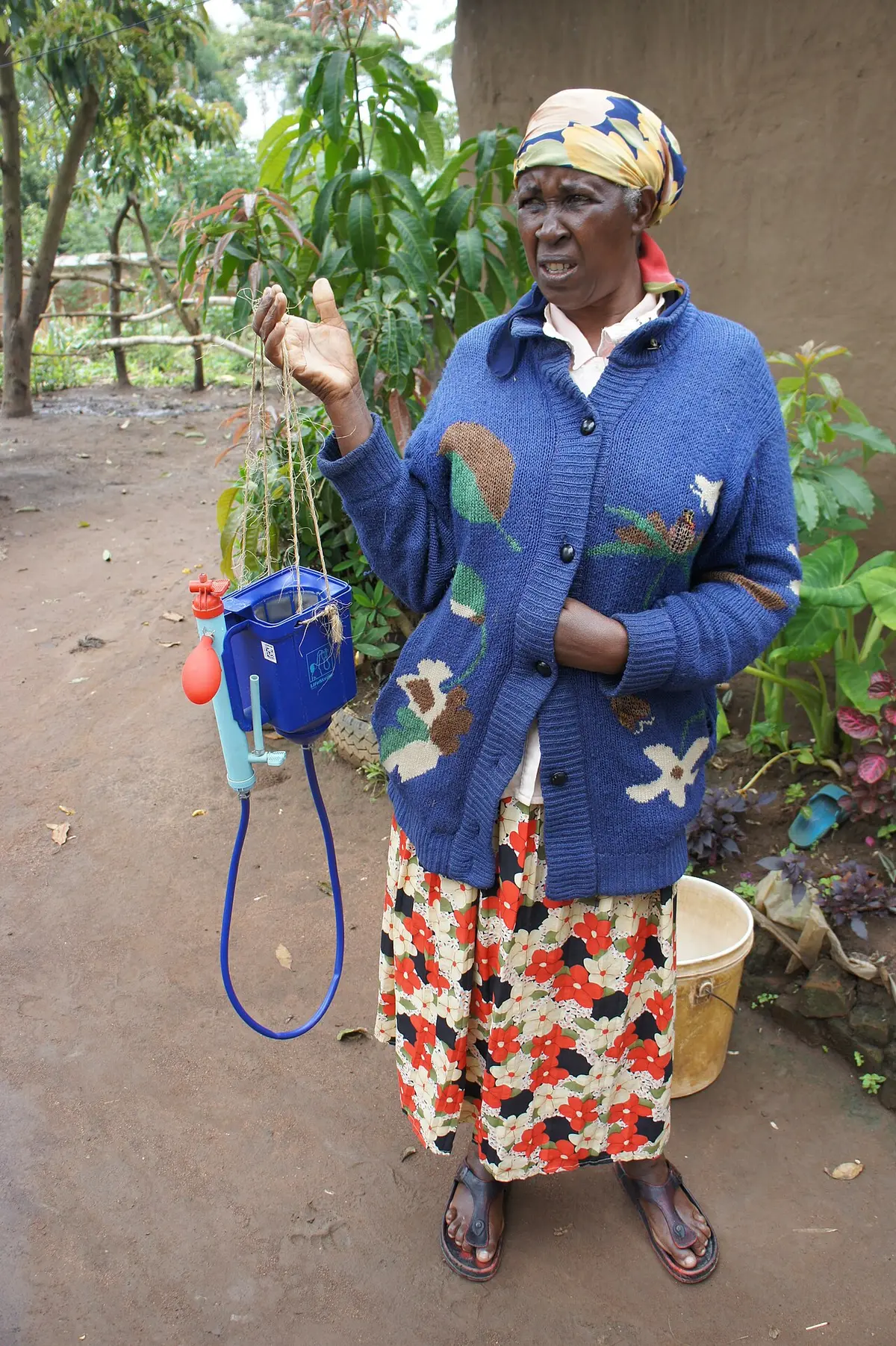
For serious backcountry trips, a squeeze or gravity filter is more efficient for cooking and group needs, and the straw remains the pocket backup. As you build your kit, think of redundancy: two methods that fail in different ways, such as a filter and a tablet, are much safer than one device alone. That mindset is the real skill behind safe water, more than any gadget.
Limits of straws in different environments
Straws behave differently across environments, and knowing the limits keeps you out of trouble. In mountain streams with clear, cold water, a straw works well and flows easily. In slow, warm, algae-rich water, the fibers clog faster and flow drops, and you may need to backflush often. In silty rivers and flood waters, a straw can clog within minutes unless you pre-filter. In brackish or salt water, a straw does nothing about salt, and drinking salt water is dangerous, so do not use it as a desalination tool.
In agricultural areas, runoff may contain fertilizer, pesticides and animal waste, and a straw does not remove chemicals. Near mines, industrial sites and urban streams, dissolved metals and chemicals may be present. In these places, choose a different source or carry water. In disaster settings, floodwater may carry sewage and chemicals, and a straw alone is not enough. Use the best source available, treat it with a combination of methods and seek safe water as soon as possible. Knowing what the device cannot do is as important as knowing what it can.
Sharing a straw and hygiene on group outings
Sharing a personal straw is a hygiene risk, since the mouthpiece carries saliva. For group outings, use a bottle adapter and fill individual bottles, or carry one straw per person. Do not trade straws without cleaning the mouthpiece, and avoid sharing with anyone who is ill. Use separate caps and label them if several people carry similar straws. Teach children to keep the intake end away from their faces, and to rinse their hands afterward.
For group camping, a gravity filter or a squeeze filter fills many bottles quickly, and the straw becomes a backup. If you must use one straw for several people, rinse the mouthpiece with treated water between users, or wipe it with an alcohol pad that is allowed to dry. These precautions are modest and lower the risk of passing illness. In a family setting, assign each person a color-coded cap so that everyone knows which straw is theirs.
Storage between trips
At the end of the season, flush the straw according to the instructions, let it dry completely in a warm, well-ventilated place away from direct sun and store it in a clean bag in a cool, dry location. Do not store it in a closed plastic bag while damp, which promotes mold. If the manufacturer recommends a preservative or disinfecting step for long-term storage, follow it. Label the straw with the purchase date, and check it before the next season for cracks, odors and stiff parts. If it smells musty, replace it, because the cost is low and the risk is not worth it.
Keep a spare straw in your emergency kit, and check it each year when you check your batteries and first aid supplies. This yearly habit takes minutes and makes sure that the one device you hope not to need is ready when you do.
Common mistakes to avoid
- Using a straw that has frozen.
- Letting the mouthpiece touch the source water.
- Drinking from cloudy water without pre-filtering.
- Assuming the straw handles viruses or chemicals.
- Not blowing back or drying it after use.
- Ignoring the rated capacity.
- Skipping a backup method.
Frequently asked questions
Does a filter straw remove viruses?
Most do not, because virus particles are smaller than the membrane pores. Some products add a virus stage. If viruses are a concern, use tablets, boiling or a purifier. Check the manufacturer's claims.
Can I use a straw in a puddle?
In an emergency, with the cleanest water you can find, yes for protozoa and bacteria, though stagnant water carries more risk and chemicals are not removed. If you can, use moving water and add a second treatment.
How do I clean a filter straw?
Blow or shake water out through the mouthpiece after use, and let it dry. Some models can be backflushed with clean water. Follow the manufacturer's instructions, and replace the straw if it will not flow freely.
What happens if a straw freezes?
The membrane can crack, and the filter may no longer work even if it looks fine. Do not rely on a frozen straw. Replace it, or use another treatment method.
How long does a filter straw last?
It depends on the model and the water quality, from hundreds to thousands of liters. Clearer water extends life. Replace it when flow slows, after freezing or damage or when it reaches the rated capacity.
Can I use a straw with a bottle?
Many straws have an adapter that screws onto a bottle, so you can fill a clean bottle from the source and drink from it. This avoids lying at the water's edge and helps keep the mouthpiece clean.
Sources & further reading
- CDC: Water Treatment Options When Hiking, Camping or Traveling
- NSF: Standards for Water Treatment Systems
Image credits
- "Lifestraw - safe drinking water (2722820246)" by Badri Seshadri from Chennai, India, CC BY 2.0, via Wikimedia Commons.
- "Lifestraw Family (6437408151)" by Engineering for Change, CC BY-SA 2.0, via Wikimedia Commons.
- "Family -2 (6437402291)" by Engineering for Change, CC BY-SA 2.0, via Wikimedia Commons.


Ready to buy?
Compare the gear: Packs & Hiking
6 Best Water Filter Straws in 2026
Best water filter straws compared on pack size, lifespan, pore size, flow and named standards for hikers, families and emergency kits.
5 Best Personal Water Filter Straws in 2026
Best personal water filter straws compared on listed lifespan, micron rating, weight and test claims, for solo hikers who sip straight from the source.
3 Best Water Filter Straws For Emergencies in 2026
Best water filter straws for emergencies compared on pack size, lifespan, backflushing and named standards for storm kits and power-outage water plans.
5 Best Water Filter Straws For Survival in 2026
Best water filter straws for survival: five straw packs for go-bags and emergency kits compared on stated life, test claims and extras.
5 Best Water Filter Straws For Hiking in 2026
Best water filter straws for hiking, compared on flow, filter life, certifications and pack size for day hikers and backpackers.
Keep reading