
Practical Camping Guide · 12 min read
Hydration Pack vs Water Bottles
Compare hydration reservoirs and water bottles on convenience, capacity, cleaning, cold weather and cost, with picks for hiking, running and cycling.

A hydration pack (a reservoir with a drinking tube inside a pack or vest) lets you sip hands-free without stopping, carries 1.5 to 3 liters, balances weight against your back and encourages steady drinking, but it is harder to fill, clean, monitor and combine with other drinks. Water bottles are simpler, cheaper, easier to clean and refill and let you see how much you have left, but they take pocket space and are less convenient while moving. Choose a hydration pack for long hikes, running, biking and hot days, and bottles for short walks, cold weather, mixed drinks and travel.
The two are not rivals so much as tools. Many hikers carry a reservoir for convenience and a bottle for flavored drinks, a filter or backup. The right choice depends on your activity, your habits and how you treat water. This guide compares the two on capacity, convenience, weight, cleaning, durability, cold-weather behavior and cost, covers running vests and kids' packs, explains water treatment in each system and gives a decision framework for your next trip.
How each system works
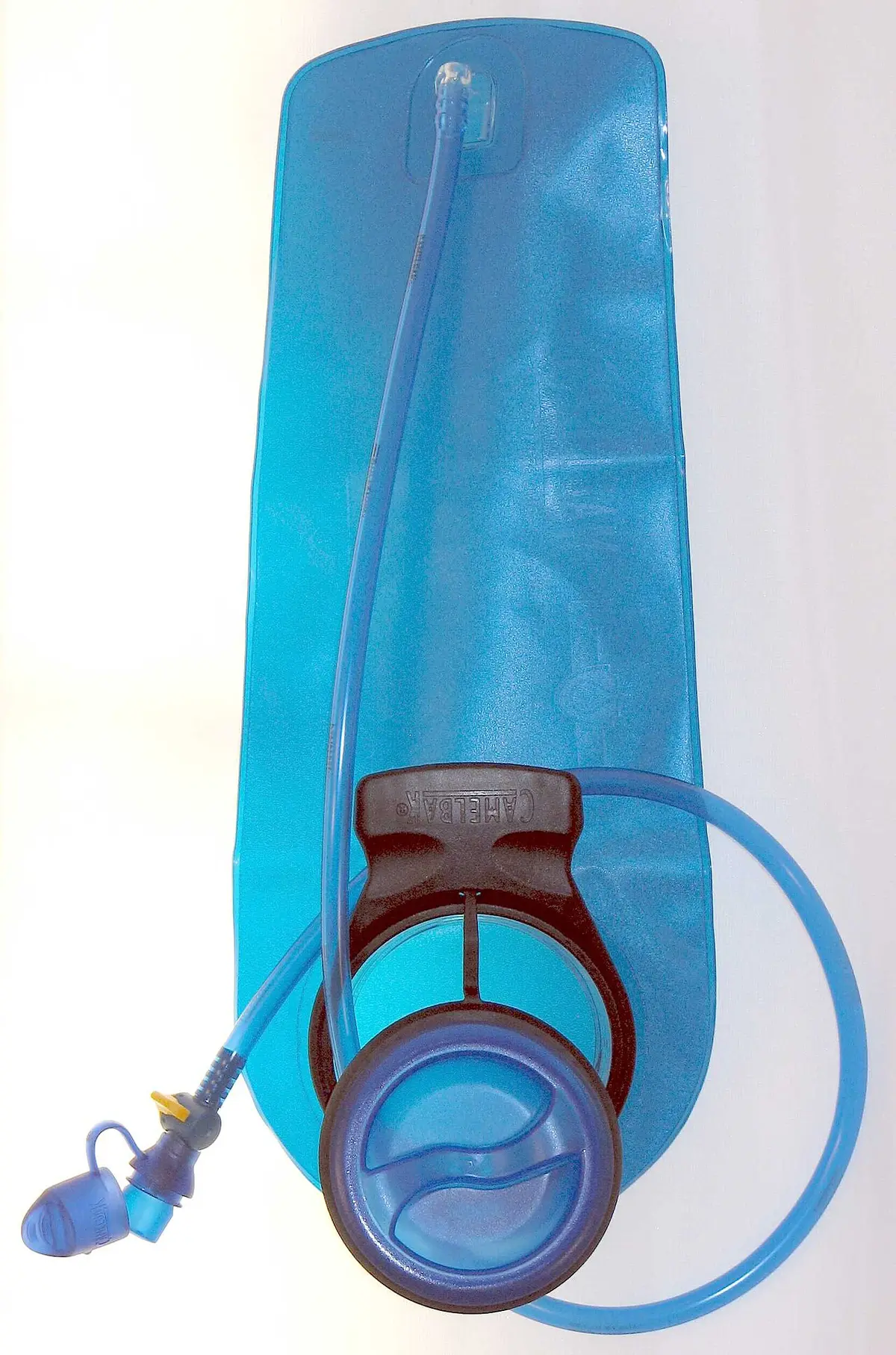
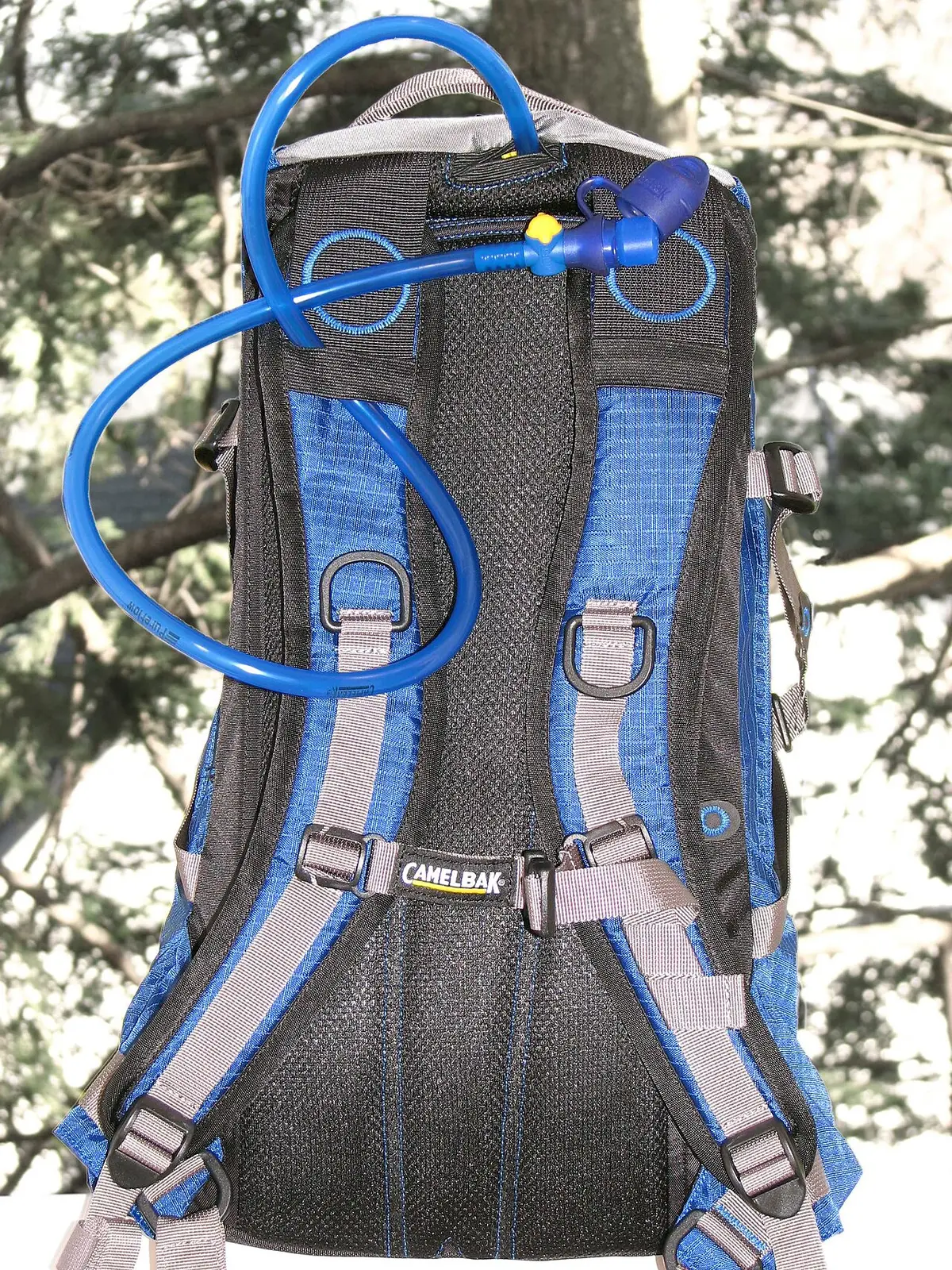
Hydration packs include a flexible reservoir, or bladder, usually made of TPU or similar plastic, which sits in a sleeve against your back. A tube with a bite valve runs over your shoulder so you can drink while walking, riding or running. Capacities range from 1.5 to 3 liters, and some packs offer more. The reservoir may be inside a daypack, a running vest or a dedicated hydration pack.
Water bottles are rigid or soft containers carried in pack side pockets, vest front pockets, bike cages or hand straps. Common types are hard plastic or metal bottles of 0.5 to 1 liter and soft flasks that collapse as they empty. Wide-mouth bottles make filling and cleaning easier, and some include a filter.
Convenience and drinking behavior
The main advantage of a reservoir is access. You can drink without stopping, taking off your pack or even breaking stride. Research and common experience agree that people with easy access drink more often, which helps prevent dehydration on long, hot days. On a bike or a trail run, hands-free drinking is a big benefit, and many people find that a bladder keeps them drinking steadily.
Bottles require you to reach, pull, drink and return the bottle, which can be awkward with a heavy pack and may lead you to drink less. In a side pocket, bottles are hard to reach without help, though stretch pockets and front vest pockets improve access. Bottles let you drink in a controlled way, so you can see exactly how much you have consumed, which can be helpful for tracking intake.
Capacity, weight and balance
A 2-liter reservoir carries more water in a compact, balanced shape. It sits against your back, which keeps weight close to your center of gravity, and it spreads weight evenly as it empties, though it can slosh. Bottles are bulkier and place weight on the sides of the pack, which can feel unbalanced if you carry them unevenly.
| Feature | Hydration pack | Bottles |
|---|---|---|
| Typical capacity | 1.5 to 3 L | 0.5 to 1 L each |
| Drinking while moving | Easy, hands-free | Requires reaching |
| Weight placement | Close to the back | On sides or front |
| Monitoring water level | Harder | Easy |
| Filling | Slower, in a pack | Fast |
| Cleaning | Needs effort | Easy |
| Mixed drinks | Not recommended | Easy |
| Cold weather | Tube can freeze | Insulated bottles work |
| Cost | Moderate | Low |
Water weighs about 2.2 pounds (1 kilogram) per liter, so 2 liters adds 4.4 pounds. Think about the total: a reservoir plus a bottle for a drink mix or treated water gives flexibility.
Cleaning and maintenance
Cleaning is the main drawback of reservoirs. Tubes and bite valves grow mold and biofilm if left wet, and a reservoir that smells or tastes off needs a deep clean. After each use, rinse the reservoir, tube and valve, and let them dry fully with the reservoir open and propped up. A reservoir drying hanger, a small whisk to hold it open and a freezer storage trick help. For a periodic deep clean, use a cleaning tablet or a diluted vinegar or baking soda solution and a brush for the tube. Replace the tube and the valve when they become stained or mold sticks.
Bottles are simple: wash with soap and warm water, let them dry and check the gasket in the lid. Stainless steel bottles are durable and easy to sanitize, and plastic bottles are light but may hold flavors. Neither system should hold anything other than water if you want an easy clean; sugary drinks in a reservoir are hard to clean and encourage mold.
Water treatment in each system
Treatment can be built into the setup. Filter bottles clean water as you drink or fill, and a filter can be installed in the tube of a reservoir by some designs. A common approach is to fill a reservoir from a gravity or squeeze filter, or to use tablets in a bottle and pour treated water into the reservoir. Cold water needs longer contact times with chemical tablets, and treated water should be separated from untreated sources.
Choose a method that suits your water sources. For the differences, see water filter vs water purifier for camping, what NSF/ANSI certifications mean on portable water filters and how to use water purification tablets. The best filtered water bottles for backpacking list shows bottles with built-in filters. Remember that a filter inside a bottle needs cleaning and protection from freezing, and that a bottle filter does not necessarily make water safe from viruses unless it says so.
Cold weather and freezing
In freezing temperatures, the tube and bite valve on a reservoir can freeze, leaving you without water. Insulated tube covers, blowing water back into the reservoir after each sip and carrying the reservoir against your body under a jacket help. Some people switch to insulated bottles in winter, stored upside down so ice forms at the bottom and not the top, which keeps the lid free. In cold weather, a thermos of a hot drink is a nice addition.
Bottles are more reliable in the cold, and wide-mouth insulated bottles keep water liquid longer. A mix works: a reservoir for mild days and bottles for deep cold.
Running vests, kids and budget packs
Running and trail-running vests combine small front bottles or soft flasks with storage and sometimes a bladder. They are designed for low bounce and easy access. See the lists of the best running hydration vest for marathon, the best running hydration vests for men and the best running hydration vests for women for models that focus on fit and stability. Fit is critical: a vest should be snug without restricting breathing.
For budget-conscious buyers, the best hydration pack under $50 and best hydration packs under $20 lists show basic options, which are suitable for casual hiking and biking. Kids' hydration packs are available in small sizes, and they encourage children to drink more, though they need cleaning and supervision.
Choosing by activity
- Day hiking in warm weather: A 2-liter reservoir keeps you sipping, with a bottle for backup or electrolyte drink.
- Backpacking: Many hikers use a reservoir for convenience plus a bottle or two, and carry treatment gear. Others use only bottles, which are simpler and make it easier to see how much water you have.
- Trail running: A vest with soft flasks or a small reservoir.
- Cycling and mountain biking: A hydration pack is the standard, because hands stay on the bars.
- Winter activities: Insulated bottles, or a reservoir carried inside your jacket.
- Travel and urban use: A bottle is simpler.
- Group trips or base camp: Large collapsible containers or gravity filters for volume.
Combining systems and packing
Many hikers carry both. The reservoir provides most of the day's water and the bottle holds a flavored drink, an electrolyte mix or a backup. When you carry both, fill the reservoir first and keep the bottle accessible. Pack the water close to the back, as described in how to pack a backpacking pack, and keep the sleeve in good condition. Fit also affects comfort: how to size a hiking backpack to your torso explains how to adjust a pack that carries a full reservoir.
How much water to carry
Water needs vary with weather, effort, body size and altitude, so there is no single figure. A commonly used planning guide is about half a liter per hour of moderate activity in mild weather, rising to a liter per hour in hot, dry conditions or at hard effort. Thirst is a late signal, and checking urine color, the frequency of urination and how you feel helps you adjust. Drinking small amounts regularly works better than gulping large amounts at rest stops.
Plan around your sources. If you know where you can refill, you can carry less and treat on the way, which saves weight. If sources are few, as in dry climates, carry enough to reach the next one with a margin, and know how to treat water; see water filter vs water purifier for camping and how to use water purification tablets. A reservoir makes it easy to see when you are running low, since you can feel the weight drop, and bottles show you exactly. Whatever the system, set a drinking schedule, such as a few sips every 15 minutes, and add electrolytes on long, hot days.
Reservoir features worth knowing
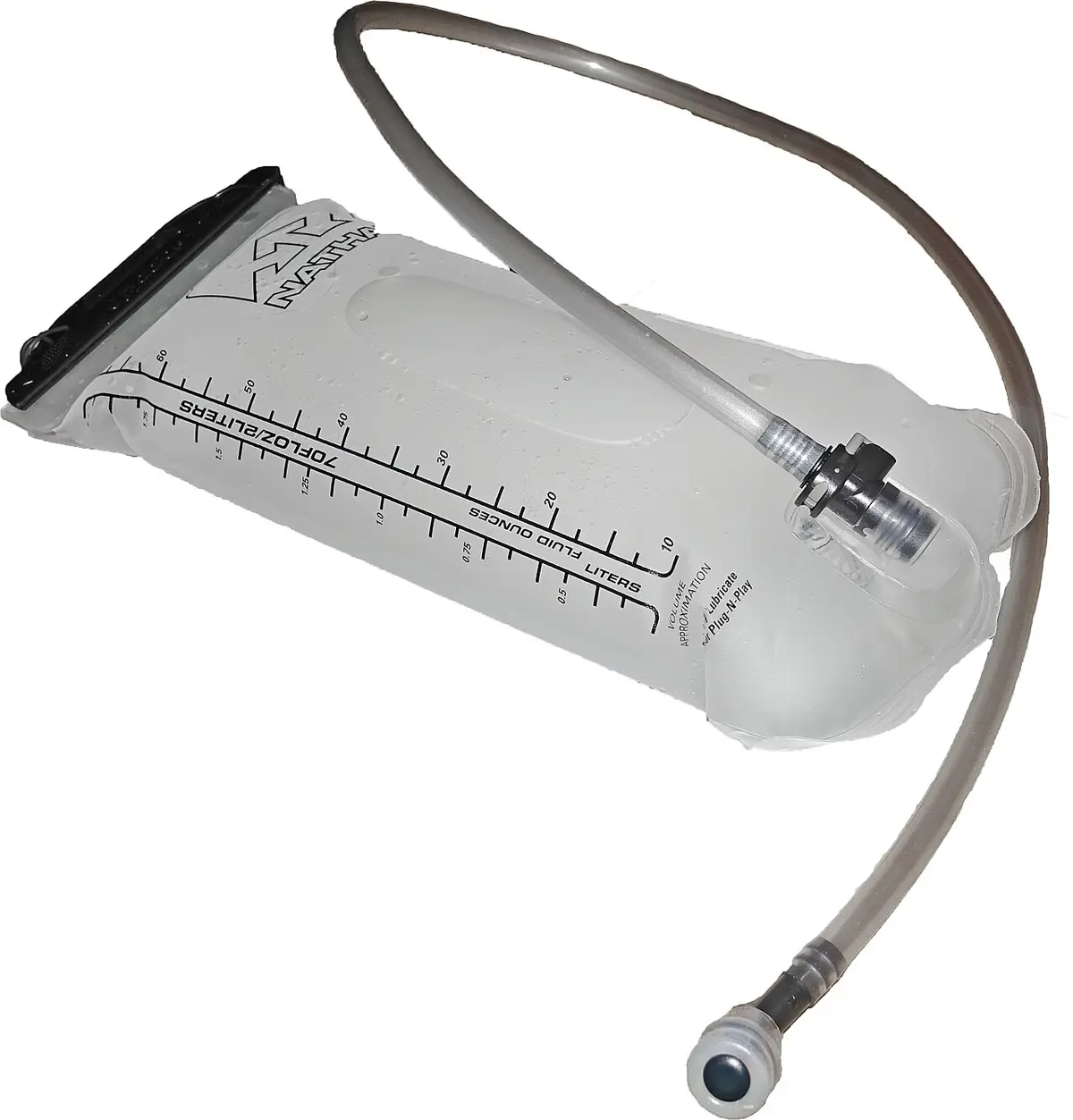
Reservoirs differ more than most people expect. A wide opening, often with a slide-lock or screw top, makes filling and cleaning easier, and a rigid baffle or a flat shape helps the reservoir keep its form in the sleeve and reduces sloshing. A hanging hook allows the reservoir to be hung to dry and fill. A quick-release tube connection lets you detach the tube for cleaning or to remove the reservoir without taking the tube off. A bite valve with a shut-off keeps the valve from leaking. Some reservoirs have antimicrobial treatments that slow mold growth, which helps but does not replace cleaning.
Materials matter for taste and durability. TPU reservoirs have little taste and are durable, and cheaper vinyl may impart a plastic taste. Check the weight and the capacity: a 2 liter reservoir weighs about 5 to 8 ounces empty, which is a small price for hands-free water. Make sure the reservoir fits the sleeve of your pack, since sizes and shapes vary, and check that the tube port and routing suit the way you carry it.
Bottle features worth knowing
Bottles have their own details. Wide-mouth bottles fill faster, accept ice and filters and are easier to clean, while narrow mouths are easier to drink from while moving. Insulated bottles keep water cold or prevent freezing, and single-wall bottles are lighter. Collapsible soft flasks shrink as you drink, which keeps weight from sloshing and saves space, and they are the standard in running vests. Check that the cap seals and that the gasket is removable for cleaning. A carabiner loop, a handle or a strap helps with carrying.
Material choices include BPA-free plastic, stainless steel and aluminum. Stainless steel is durable and does not retain flavors, and plastic is light and cheap. Water filter bottles combine a bottle and a filter, as in the best filtered water bottles for backpacking list, which saves carrying two items, though the filter needs cleaning and protection from freezing.
Comparing weight over a day
Let us compare for a four-hour hike in warm weather where you expect to drink 2 liters. With a 2 liter reservoir, you carry the reservoir (about 6 ounces) and 2 liters of water (4.4 pounds), with the weight close to your back. With two 1 liter bottles, you carry two bottles (about 8 to 12 ounces total for plastic, more for steel) and the same water, with the weight on the sides of your pack. The difference in weight is small, so the choice is about convenience, balance and cleaning.
Add another factor: access. With a reservoir, you might drink more often and finish the 2 liters. With bottles, you may drink at breaks only, and may drink less. In heat, drinking enough matters for safety and performance, which favors the reservoir for people who tend to under-drink. In contrast, people who like to track their intake or add drink mixes often prefer bottles. Many hikers also carry a small flask as a backup.
A season-by-season approach
Summer. Reservoirs shine, with frequent sipping and extra capacity. Fill them partly with ice for cold water, but avoid overfilling. Use bottles for electrolyte mixes, and rinse the reservoir regularly in the heat, when bacteria grow faster.
Fall and spring. Mild temperatures make either system work. Reservoirs are convenient, and bottles are simple.
Winter. Bottles, particularly insulated ones, win. If you use a reservoir, insulate the tube and carry the reservoir inside your jacket, and blow back after sipping. Bring a hot drink in a thermos for comfort and safety.
Travel and city. Bottles, which are easy to refill and clean, win. A collapsible bottle that packs flat is useful in transit.
Cleaning routines that work
A simple routine keeps reservoirs from smelling. After each use, empty and rinse the reservoir with warm water, hang it open to dry or stuff it with a clean towel and prop it so air circulates. Once a month, or after each long trip, clean the reservoir with a mild solution, such as a teaspoon of baking soda in warm water, or a cleaning tablet made for hydration systems, and scrub the tube with a brush. Rinse until no taste remains and dry completely. Some people store the reservoir in the freezer between uses, which slows mold growth, though it must be fully dry first and thawed before use.
For bottles, wash with warm soapy water, scrub the lid and gasket and let them dry with the cap off. Remove the gasket occasionally to clean underneath. If a bottle has been used for drink mix, rinse it promptly. A bottle brush and a drying rack help. Replace gaskets and bite valves when they stain or crack, and replace reservoirs when they become cloudy, smelly or stiff.
Choosing the system that suits you
Answer these questions to decide. Do you want to drink without stopping? Choose a reservoir. Do you value simplicity, easy filling and monitoring? Choose bottles. Will you be in freezing weather? Favor insulated bottles. Do you drink electrolyte mixes? Use a bottle for the mix. Are you running or cycling? Choose a vest or a pack designed for the activity. Do you want a built-in filter? Consider a filter bottle. If you are still unsure, try both on a few hikes, and choose the one you actually use. Most people end up carrying a mixture, with a reservoir for water and a bottle for flavor.
Common mistakes to avoid
- Leaving a reservoir wet and moldy.
- Putting sugary drinks in a reservoir.
- Letting the tube freeze in cold weather.
- Underestimating the water you need for the route.
- Relying on a single system without a backup.
- Packing the reservoir loosely and letting it slosh.
- Ignoring the bite valve and tube cleaning.
Frequently asked questions
Is a hydration pack better than bottles?
For convenience while moving, yes. A reservoir lets you sip without stopping, which helps you stay hydrated. Bottles are simpler to clean and monitor. The best choice depends on your activity and preferences.
How much water should I carry?
A common planning figure is about half a liter per hour of moderate activity, more in heat or at high exertion. Adjust for the availability of sources and treatment. Carry enough to reach the next reliable source plus a margin.
How do I clean a hydration reservoir?
Rinse after each use, then clean with a brush and a cleaning tablet or a mild solution, and dry it open and propped. Clean the tube and valve with a small brush. Replace them if they stain or smell.
Can I put sports drinks in a hydration pack?
It is better not to. Sugars and flavorings promote mold and are hard to clean. Use water in the reservoir and carry drink mixes in a bottle.
How do I stop the tube from freezing?
Use an insulated tube cover, blow water back into the reservoir after each sip, keep the reservoir against your body under a jacket and consider an insulated bottle for deep cold.
Can I filter water into a reservoir?
Yes, with a gravity or squeeze filter, or by pouring treated water in. Some systems allow inline filters. Keep the dirty and clean sides separate.
Sources & further reading
- CDC: Water Treatment Options When Hiking, Camping or Traveling
- REI Expert Advice: How to Choose a Backpack
Image credits
- "Hydration pack bladder" by Uploaded to the English language Wikipedia by user Toytoy, CC BY-SA 2.5, via Wikimedia Commons.
- "Hydration pack" by Uploaded to the English language Wikipedia by user Toytoy, CC BY-SA 3.0, via Wikimedia Commons.
- "Hydration bladder" by Tiia Monto, CC BY-SA 4.0, via Wikimedia Commons.


Ready to buy?
Compare the gear: Packs & Hiking
4 Best Hydration Pack Under 50 in 2026
Best hydration packs under $50: lightweight 2L running vests and compact 1.5L packs for hiking, trail running and cycling on a budget.
4 Best Running Hydration Vest For Marathon in 2026
Best running hydration vests for a marathon: four race-tested styles of vest compared on flask size, front pockets and chafe control over 26.2 miles.
4 Best Running Hydration Vests For Men in 2026
Best running hydration vests for men: an Osprey flask vest, two SWIFTVEST options and a 2L bladder pack compared on fit, flasks and pocket layout.
5 Best Running Hydration Vests For Women in 2026
Best running hydration vests for women: five vests compared on chest-size range, bounce control, flasks or bladders and pocket layout for smaller torsos.
3 Best Filtered Water Bottles For Backpacking in 2026
Best filtered water bottles for backpacking: a GRAYL press purifier, a carbon-stage Katadyn BeFree and a budget Bachgold compared on claims and upkeep.
5 Best Hydration Packs Under 20 in 2026
Best hydration packs under $20: five vest-style and backpack packs with 2L bladders compared on weight, fit range, pockets and insulation for hikes.
5 Best Hydration Packs Under 30 in 2026
Best hydration packs under $30: five vest and backpack packs with 2L bladders compared on weight, helmet clips, insulation and fit for hiking and biking.
6 Best Hydration Bladder For Running in 2026
Best hydration bladders for running: 2L reservoirs with quick-release hoses and high-flow bite valves for running vests and packs.
Keep reading