
Practical Camping Guide · 12 min read
Merino Wool vs Synthetic Base Layers
Compare merino wool and synthetic base layers on odor, drying speed, warmth when damp, durability and price, plus blends and weights.

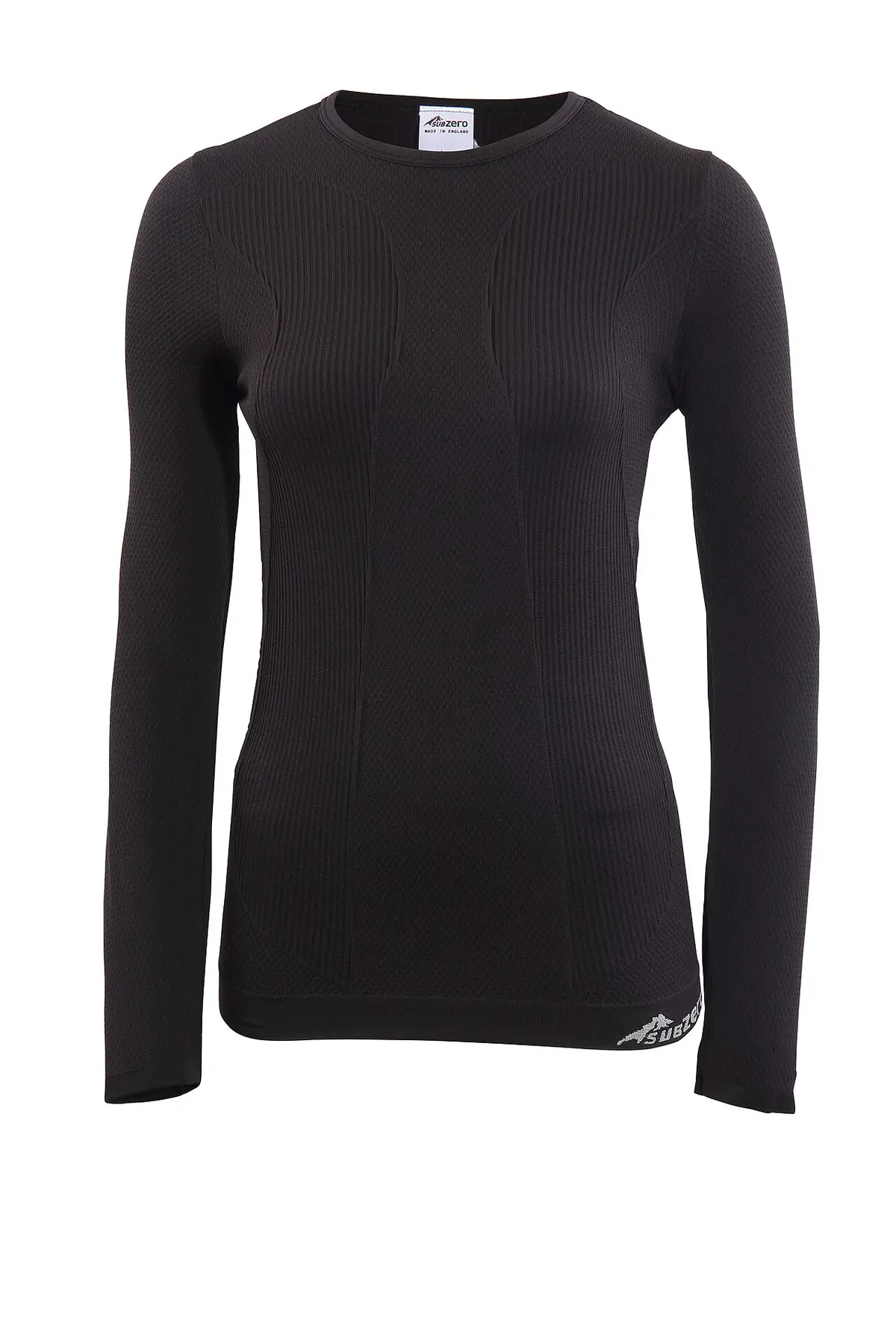
Merino wool base layers stay warm when damp, resist odor for days and feel soft, but they dry more slowly, wear out faster and cost more. Synthetic base layers (polyester, nylon and blends) wick and dry quickly, are tougher and cheaper, and smell sooner. Choose merino for multi-day trips, cool and cold weather and mixed activity, and synthetic for hard, sweaty exertion, hot weather, wet conditions where fast drying matters and tight budgets.
Both do the same job: sit next to the skin, move sweat away from it and add a little insulation. The difference is in how they handle moisture, odor, warmth, durability, comfort and price. This guide compares them on each point, explains fiber weights and blends, covers fit, special activities like skiing and hiking, care and a simple method for choosing a first set, with notes on the socks and footwear that go with them.
How a base layer works
A base layer manages moisture and temperature at the skin. When you sweat, the fabric pulls moisture away from the skin (wicking) and spreads it across a larger area so it evaporates quickly. A dry layer next to the skin keeps you warm in the cold and cool in the heat, because wet skin loses heat many times faster than dry skin. A good base layer fits close to the body without being constricting, which helps wicking.
Cotton is the traditional villain here. It absorbs water, holds it against the skin and dries slowly, which makes you cold in cool weather, and the phrase "cotton kills" in outdoor circles points to hypothermia risk in wet, cold conditions. Wool and synthetic fabrics solve that problem in different ways.
Merino wool: strengths and weaknesses
Merino is a fine wool from merino sheep. Its fibers are thinner than regular wool, so they feel soft and not itchy. Wool fibers can absorb a good amount of moisture vapor, up to roughly a third of their weight, without feeling wet, and they continue to insulate when damp. Merino resists odor because bacteria do not thrive in it as they do on synthetics, so you can wear a shirt for several days on a trip. It is also naturally flame-resistant and comfortable across a wide range of temperatures.
On the downside, merino dries more slowly than synthetics because it holds moisture inside the fiber. It is less durable: thin fibers and fine knits abrade and develop holes, particularly at shoulders where a pack rubs and at the elbows. It costs more, and pure merino shrinks and needs gentle washing. Heavier merino can feel hot in summer, though lightweight versions work in warm weather.
Synthetic: strengths and weaknesses
Synthetic base layers use polyester, nylon, polypropylene or blends. The fibers do not absorb water, so moisture moves along the fiber surface and evaporates fast. Synthetic fabrics are strong, resist abrasion, hold their shape, dry quickly and cost less. They stay light and compressible and withstand repeated washing.
The main weakness is odor. Bacteria grow readily on polyester, and a shirt can smell after one hard workout, though antimicrobial treatments help a bit and wash away over time. Synthetics can feel clammy in some weather, and they often feel less soft and less warm when damp than merino. They are petroleum-based and shed microplastics when washed, which concerns some buyers.
| Feature | Merino wool | Synthetic |
|---|---|---|
| Warmth when damp | Good | Fair |
| Drying speed | Slow to moderate | Fast |
| Odor resistance | Excellent | Poor to fair |
| Durability | Lower | Higher |
| Softness | High | Varies |
| Price | Higher | Lower |
| Best use | Multi-day, cool to cold | Intense exertion, heat, budget |
| Care | Gentle wash, low heat | Easy machine wash |
Blends and hybrids
Many base layers combine the two. A merino and nylon blend adds durability to wool. A polyester shirt with a merino face against the skin adds softness. Core-spun yarns wrap merino around a nylon core, giving the strength of nylon with wool on the surface. Typical blends are 50 to 80 percent merino with 20 to 50 percent synthetic. These give some of each fabric's advantages and usually cost less than pure merino and more than pure polyester. They are an excellent compromise for trips where you want odor resistance and some durability.
Weight classes: ultralight, lightweight, midweight, heavyweight
Base layers are sold in weights measured in grams per square meter. A lightweight layer of 150 to 200 g/m2 suits warm to cool weather and high activity. A midweight layer of 200 to 260 g/m2 suits cool to cold weather and moderate activity. A heavyweight layer of 260 g/m2 or more suits very cold weather and low activity such as standing in a deer blind. Ultralight layers under 150 g/m2 suit hot conditions and sun protection.
Choose weight by the temperature and your activity, not by the season. A lightweight layer under a shell can be enough for aerobic winter hiking, while a heavyweight layer for the same hike would overheat. Many hikers own one lightweight and one midweight top and bottom and combine them with other layers. See how to layer clothing for camping for the full system.
Choosing by activity
Day hiking and backpacking. For multi-day trips, merino or a merino blend is a favorite because of odor control. For hot, hard days, synthetic is better. The lists of the best base layer for men hiking and the best base layer for women hiking show both types.
Cold weather and winter. Merino's warmth when damp and its odor resistance help on cold multi-day trips. For tough, sweaty activity, synthetic or blends work. See the best base layers for cold weather, the best base layer for men cold weather and the best base layer for women cold weather.
Skiing and snowboarding. You sweat on the way up and chill on the lift, so wicking and warmth matter. Merino blends and synthetic midweights are common; check the best base layer for men skiing.
Hot weather and sun. Lightweight synthetic or ultralight merino shirts with UPF protection work. For sun protection, see our article on UPF sun-protective clothing if you are choosing a shirt for sun exposure.
Sleeping. A base layer for sleep adds warmth inside a sleeping bag. Merino feels cozy and does not smell, which is nice for a week-long trip.
Fit and construction
A base layer should fit snugly against the skin without squeezing. Loose fabric cannot wick moisture. Look at the cut: a longer back keeps your lower back covered when you bend, thumb loops keep sleeves in place, flat seams reduce chafing under a pack and a zippered neck helps with ventilation. Seamless knitting reduces friction. For bottoms, check the waistband and the fly, and the fit around the thighs.
Sizing varies by brand, and women's cuts account for different body shapes. Try layers on with the clothing you will wear over them, and move around. If the shirt rides up, binds at the shoulders or bunches at the armpits, try another size or model. A fit that works in the store should also work under a pack.
Warmth, temperature regulation and the comfort range
Warmth comes from trapped air, and fiber type changes how much a fabric holds. Merino fibers have a natural crimp that creates tiny air pockets, which gives wool its warmth for its weight. Polyester fibers can be made hollow or textured to trap air too, and many synthetic base layers use grid or waffle knits for the same reason. In practice, a midweight merino and a midweight synthetic feel similar when dry, and merino feels warmer when damp.
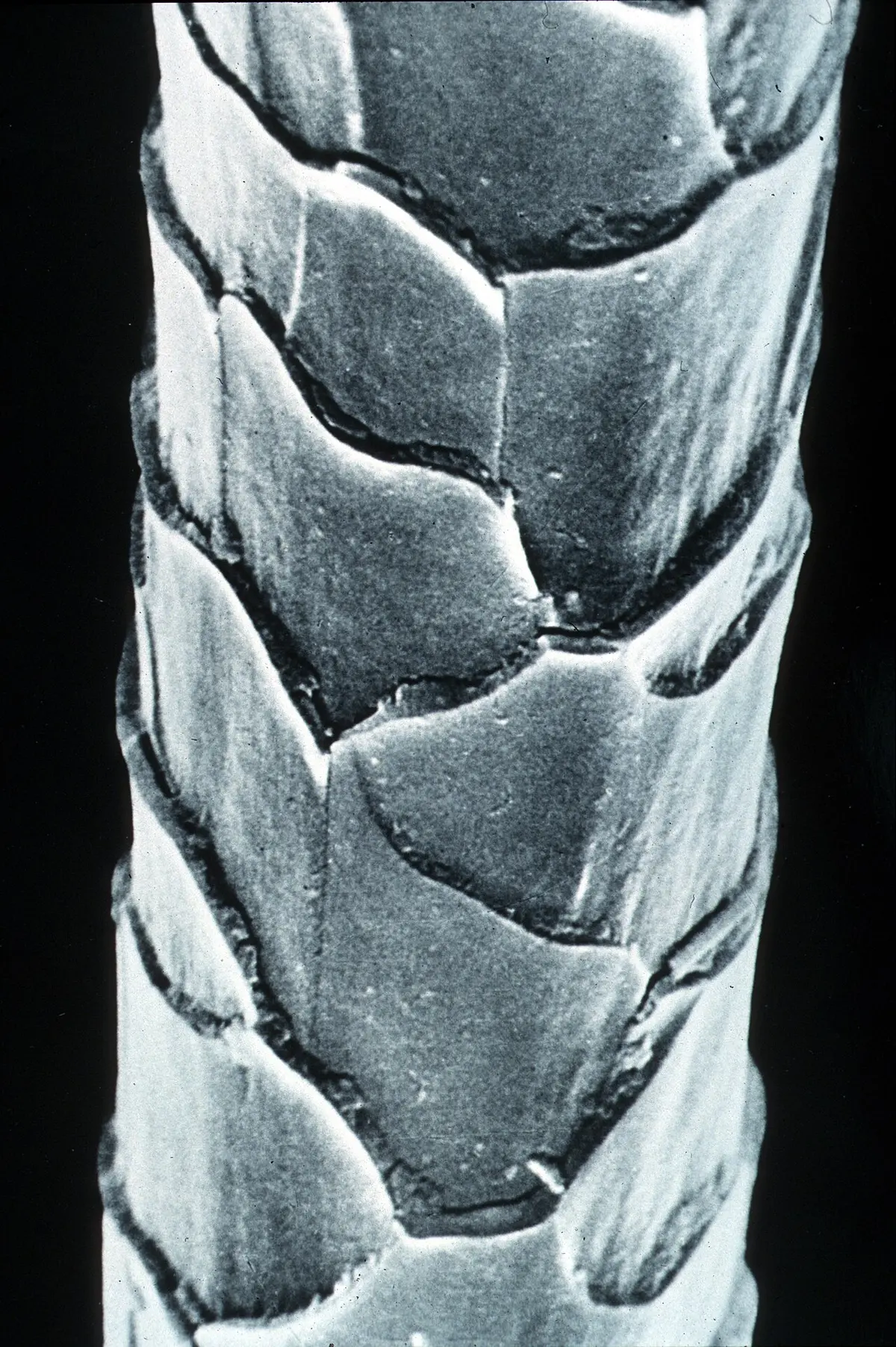
Temperature regulation is the other half of the story. Wool buffers changes: as you heat up, the fibers absorb vapor and release it slowly, which smooths swings between sweaty climbs and cold stops. Synthetic fabrics respond more sharply: they dump moisture fast, which cools you quickly after exertion when you stop. For activities with big swings, such as ski touring or winter hiking with stops, merino or a blend can feel more forgiving, and for steady hard effort synthetic keeps you drier. Adjust by changing layers at stops, and vent early to avoid sweating in the first place.
Environmental and ethical considerations
Both fibers have costs. Merino comes from animals, so welfare standards matter, and some brands source from farms certified for animal welfare and land management. Look for labels such as the Responsible Wool Standard or ZQ certification if this matters to you. Wool is renewable and biodegradable but requires land and water, and sheep produce methane. Synthetic fabrics use petroleum, are energy-intensive to make and shed microfibers into wastewater when washed, which accumulate in waterways.
Practical steps reduce the impact of either. Buy fewer, better layers and keep them longer. Wash less often, in cooler water and with a full load, and consider a filter bag or washing machine filter that traps microfibers. Repair holes, and pass on layers you no longer use. Recycled polyester lowers the footprint of synthetic garments and is widely available. The most sustainable base layer is the one that lasts a decade, so durability and care often matter more than the fiber you choose.
A starter kit that works for most people
If you are building a base layer set from scratch, a modest kit covers most conditions. For the top, one lightweight synthetic or merino blend T-shirt for warm and hot days, one lightweight long-sleeve crew in merino or blend for cool days and sun, and one midweight long-sleeve in merino for cold days and sleeping. For the bottom, one lightweight bottom for cool weather and one midweight for cold weather. Add two pairs of hiking socks in merino blend and a third spare pair, a lightweight hat or buff and thin liner gloves.
This set weighs little, packs small, covers temperatures from the 30s to the 80s Fahrenheit with the right outer layers and costs less than buying a separate set for each activity. As you learn what you like, replace pieces with better ones, and keep a basic synthetic layer as a backup for the roughest days. Test the set on short trips before relying on it for a long one.
Care and durability
Merino needs gentle care. Wash it in cool or lukewarm water on a delicate cycle with a mild detergent, avoid fabric softener, and dry it on low or line dry. Hot dryers can shrink wool. Because merino resists odor, you can wash it less often, which saves wear. Turn it inside out to reduce pilling. Repair small holes quickly with a few stitches to stop them from growing.
Synthetic layers tolerate regular washing and drying, though high heat can damage elastic fibers. Avoid fabric softener, which clogs the fibers and reduces wicking. To reduce odor, wash soon after wearing, use a sports detergent and consider vinegar rinses. Both types last longer if you avoid rubbing against rough pack straps, so choose a pack with soft shoulder straps or add a thin layer.
Socks and feet: the same choice, applied to your feet
The merino-versus-synthetic decision applies to socks as well, and socks may matter even more than shirts. Merino socks cushion, regulate temperature and resist odor for several days, while synthetic socks dry faster and last longer. Many hiking socks are blends. The socks you wear influence how your boots fit and feel, so test them together. For footwear fit, see how hiking boots should fit, for the choice of footwear type see hiking boots vs hiking shoes vs trail runners, and for wet conditions see waterproof vs non-waterproof hiking footwear. A good sock and a dry foot do as much for comfort as an expensive base layer does for your torso.
Trail laundry and odor management
On a long trip, you will not have a washing machine, so how a fabric behaves with trail laundry matters. Merino can go many days between washes because it resists odor, and a brisk airing in sun and wind often refreshes it. When it does need a wash, rinse it in a stream or sink with a drop of biodegradable soap, well away from water sources, squeeze it out in a towel and hang it to dry. It takes longer to dry than synthetic, so start early in the day.
Synthetic layers can be rinsed and wrung out, and they usually dry within an hour or two in sun and wind. Because they smell sooner, plan to rinse them more often. A small piece of soap and a mesh bag make the process easy. On a long trip, many hikers carry one dry layer for sleeping that stays clean and one for walking that gets rinsed, which keeps the sleeping bag fresh and the worn layer functional.
How to test base layers before a trip
Wear a candidate layer on a hard training hike in similar weather to your trip. Note how fast it feels dry after sweating, whether it chafes at the shoulders under a pack, whether it rides up and whether you can smell it at the end of the day. Wear it again the next day without washing. Compare two layers on the same hike by wearing one on each half, if you are curious, or by trying them on different days. The comparison tells you more than any product description.
Check the layer in the cold too. Stand outside for ten minutes in the temperature you expect, with your usual layers on top, and notice whether the base feels clammy or comfortable. If it passes both tests, you have a good match. If not, change the weight or the fiber and try again. A little testing prevents the mistake of finding out on day two of a week-long trip that your shirt rubs your shoulders raw or smells like a locker room.
Odor, hygiene and long trips
Odor is a real factor on trips longer than a weekend. The bacteria that feed on sweat produce the smell, and fibers differ in how much they encourage them. Merino has natural properties that slow odor, so many hikers wear a single merino shirt for a week and air it at night. Synthetic shirts often need a rinse every day or two, and antimicrobial finishes help for a while before washing wears them off. If you share a tent, this matters to your companions as well as to you.
A practical approach is to rotate: wear one base layer for hiking and a second, clean one for sleeping and camp. Rinse the hiking layer in a stream or sink with a small amount of biodegradable soap, well away from water sources, and hang it to dry. Merino will take longer to dry than synthetic, so plan to wash it early in the day and let it dry on the pack. Over a long trip, many hikers settle on a merino blend for the comfort and odor control, and a synthetic layer for the hardest days. Pay attention to the way your layers feel and smell, and adjust.
Common mistakes to avoid
- Wearing cotton as a base layer in cold or wet weather.
- Choosing a layer that is too loose to wick.
- Buying heavyweight layers for aerobic activity.
- Washing merino in hot water or drying it hot.
- Using fabric softener on any technical layer.
- Expecting synthetic to stay odor-free on a multi-day trip.
- Ignoring the way the pack straps rub on thin merino.
Frequently asked questions
Is merino better than synthetic for hiking?
For multi-day trips and cool weather, merino's odor resistance and warmth when damp make it a favorite. For hot weather, hard exertion and budgets, synthetic dries faster and lasts longer. Many hikers use blends or own both.
Does merino wool smell less?
Yes. Merino resists odor much better than polyester, so you can wear a shirt for days on a trip without it getting unpleasant. Synthetics can smell after a single sweaty day.
Which dries faster?
Synthetic, by a good margin. Merino holds moisture in the fiber and dries more slowly, though it still feels warm while damp. For wet conditions and sweaty activity, synthetic is usually better.
Why are merino base layers so expensive?
The fiber is finer and costs more, the knits are more delicate and the layers wear out faster. Blends reduce the price. Care properly to get the most out of the cost.
What weight base layer do I need?
Match the weight to temperature and activity: lightweight for warm to cool or high-output activity, midweight for cold weather and moderate activity and heavyweight for very cold and low-activity use. Most hikers need lightweight and midweight.
Can I wear a base layer in summer?
Yes. A lightweight or ultralight shirt wicks sweat and provides sun protection. Choose a light color and a fabric with UPF if you plan to be in the sun for long periods.
Sources & further reading
Image credits
- "Sub Zero Factor 1 Plus Womens Long Sleeve Base Layer Top Black (45552705201)" by Sub Zero Technology Ltd from United Kingdom, CC BY 2.0, via Wikimedia Commons.
- "CSIRO ScienceImage 2487 Electron Microscope Image of Merino Wool Fibre" by division, CSIRO, CC BY 3.0, via Wikimedia Commons.


Ready to buy?
Compare the gear: Clothing & Footwear
6 Best Base Layers For Cold Weather in 2026
Best base layers for cold weather: fleece-lined thermal sets and tops for men and women, compared for warmth, stretch and moisture control.
5 Best Base Layer For Men Cold Weather in 2026
Best base layer for men in cold weather: thermal sets and a midweight crew compared for warmth, fit and moisture control in cold air.
6 Best Base Layer For Men Hiking in 2026
Best base layer for men for hiking: merino sets and wicking tops and bottoms compared for sweat handling, odor and cold-morning warmth.
5 Best Base Layer For Men Skiing in 2026
Best base layer for men for skiing: heavyweight and fleece-lined thermal sets compared for warmth under ski gear, stretch and moisture control.
6 Best Base Layer For Women Cold Weather in 2026
Best base layer for women in cold weather: merino and fleece-lined thermal sets compared for warmth, stretch and everyday comfort.
5 Best Base Layer For Women Hiking in 2026
Best base layer for women for hiking: merino and wicking thermal sets from lightweight 170 GSM to heavyweight, compared for trail use.
5 Best Base Layer For Women Skiing in 2026
Best base layer for women for skiing: merino, heavyweight fleece and quarter-zip thermal sets compared for warmth, stretch and wicking on the slopes.
Keep reading